Stop Waiting for Spring: Why Winter is the Prime Time for Turf Replacement in Henderson
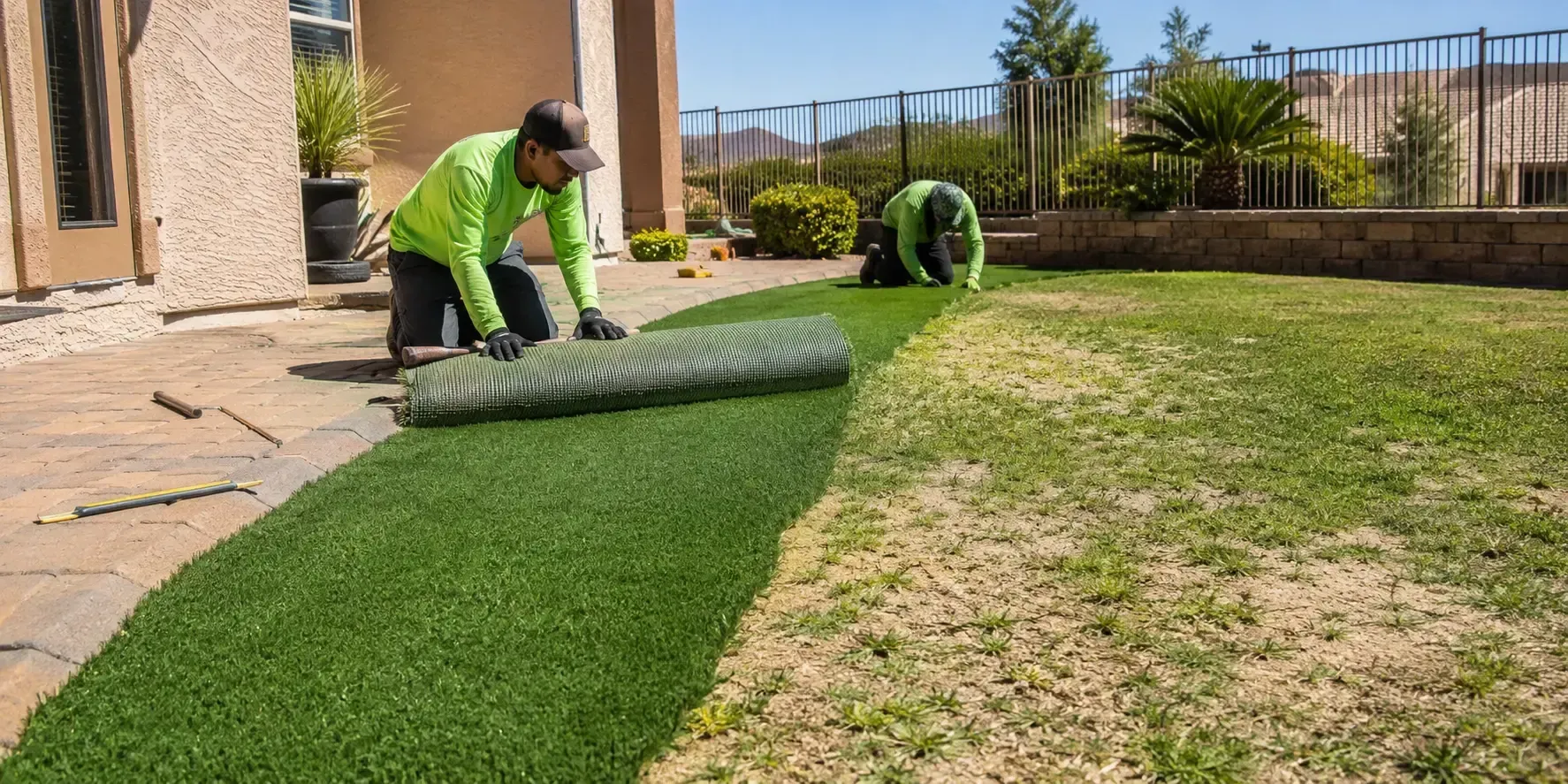
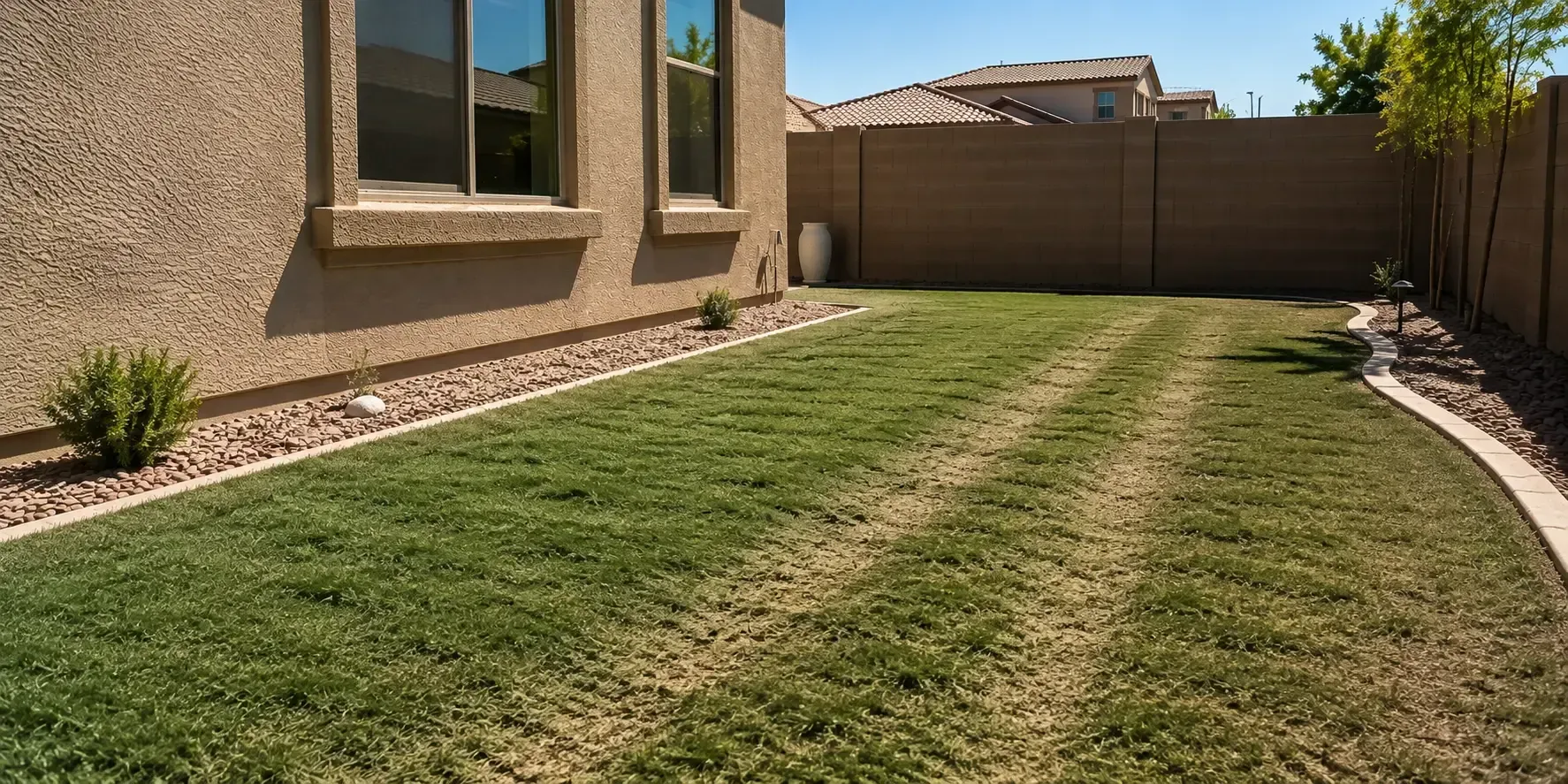
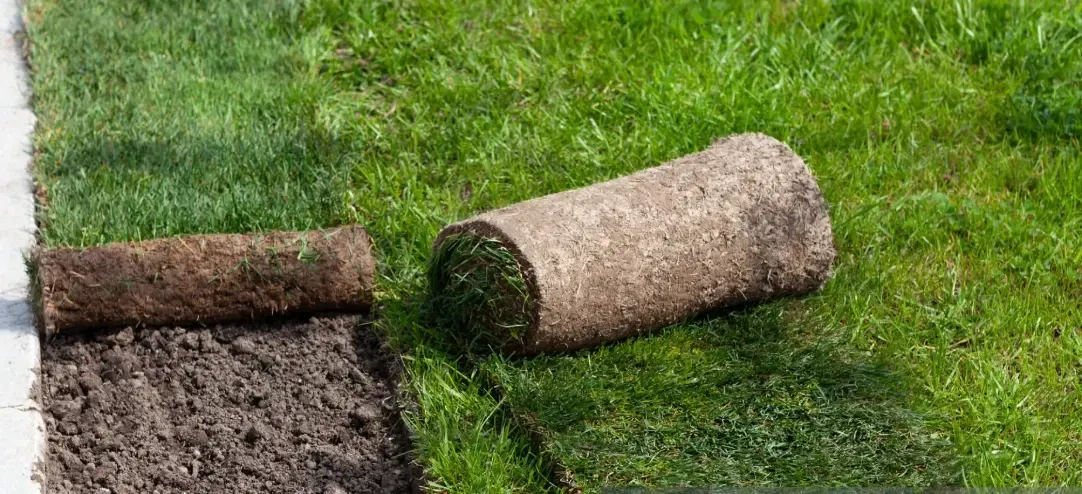
Look out your back window. If you live anywhere from Green Valley to the foothills of Sloan Canyon, you likely see the same thing: dormant, brown Bermuda grass. It looks dead. It feels like straw. Yet, you’re still paying to water it just enough to keep the root system on life support until March.
It’s a cycle Henderson homeowners know too well.
Most people assume spring is the season for yard renovations. They are wrong. In Southern Nevada, waiting until the temperatures creep back into the 80s is a rookie mistake. Winter is actually the "Golden Window" for turf replacement. While the rest of the country is battling blizzards, our mild desert chill offers the perfect conditions to rip out that thirsty natural sod and install premium artificial turf.
At
LFL Henderson Artificial Turf, we see the smart money move in December and January. Here is why the offseason is the best season.
The "Caliche" Factor: Why Winter Installation Wins
If you have ever tried to dig a hole in a Henderson backyard, you have met the enemy. It’s called caliche. This natural cement—calcium carbonate—binds our soil into something resembling concrete.
In the blistering heat of summer, our ground is rock hard. Excavation becomes a nightmare, often requiring heavier machinery that tears up more of the property than necessary. Conversely, the modest winter moisture and cooler ground temps make the earth slightly more forgiving.
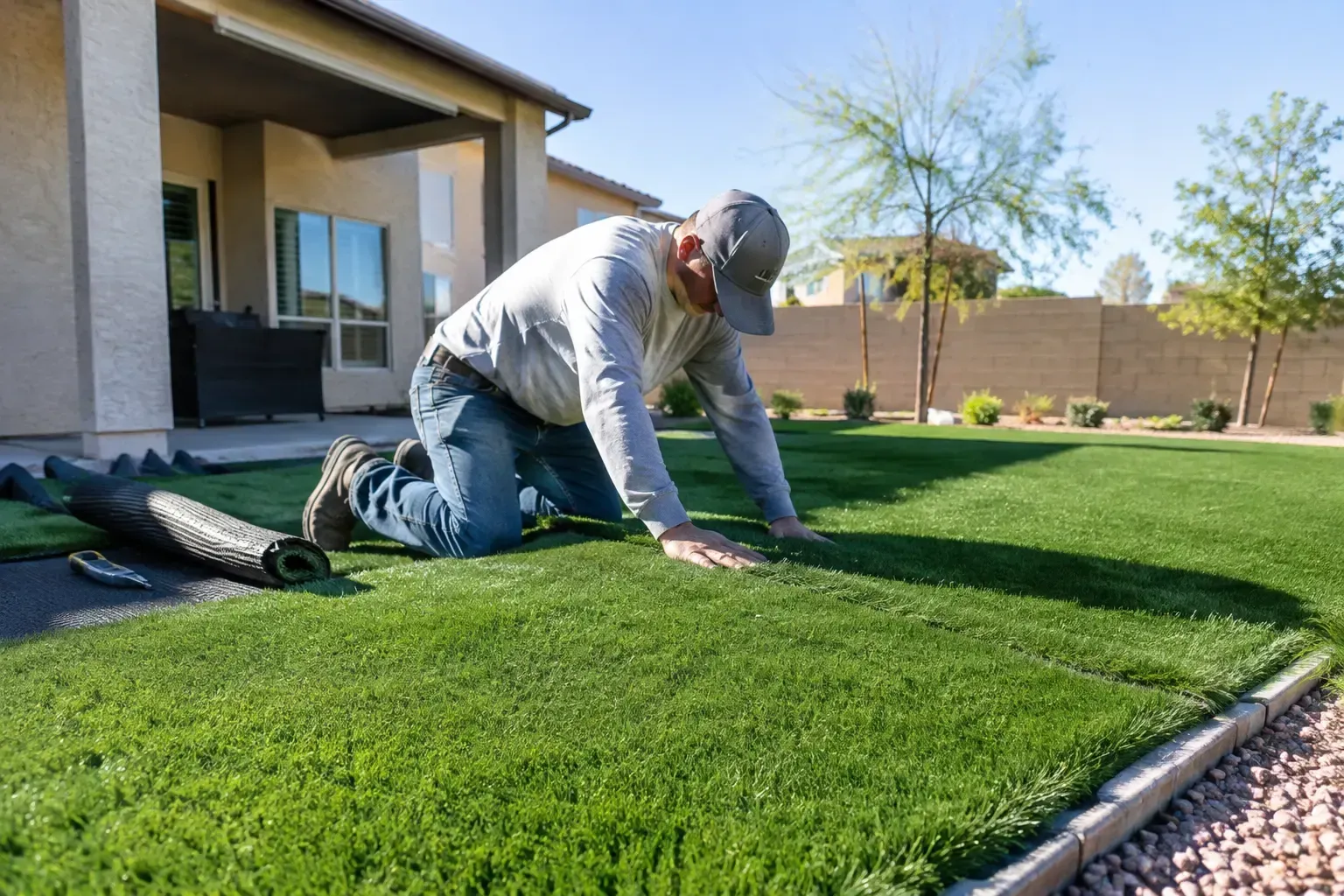
For our crews, working in 55-degree weather means higher efficiency and sharper focus compared to the fatigue that sets in when it’s 110 degrees. Better focus means better seams, tighter tucks, and a flawless finish for your artificial turf.
Beat the Spring Rush (and the Price Hikes)
Come March, everybody wakes up. The phone lines at every contractor in the Las Vegas Valley light up simultaneously. Lead times stretch from days to months. Supply chains get strained.
By scheduling your turf replacement in winter, you bypass the bottleneck. You aren't just a number in a queue; you get priority scheduling. Furthermore, manufacturers often adjust pricing as demand spikes in Q2. Locking in your materials now protects your wallet from seasonal inflation.
The SNWA Rebate Clock is Ticking
Let's talk about the elephant in the room: water conservation. The Southern Nevada Water Authority (SNWA) isn't asking nicely anymore; they are aggressively incentivizing the removal of decorative grass. The Water Smart Landscapes Rebate is currently offering cash incentives for every square foot of grass removed.
However, processing these applications takes time. By initiating your project in winter, you ensure your pre-conversion inspection happens quickly. You get the project done and the paperwork filed before the spring deluge of applicants slows the bureaucracy to a crawl. According to the Southern Nevada Water Authority, converting grass to water-smart landscaping saves an average of 55 gallons of water per square foot annually. That is not just eco-friendly; it is a massive reduction in your monthly utility overhead.
Understanding the Anatomy of a Premium Install
Not all fake grass is created equal. We aren't rolling out the green plastic carpet you saw at your grandmother’s house in the 90s. Modern artificial turf is a sophisticated engineering system.
When LFL Henderson Artificial Turf handles a replacement, we focus on what you don't see.
1. The Sub-Base
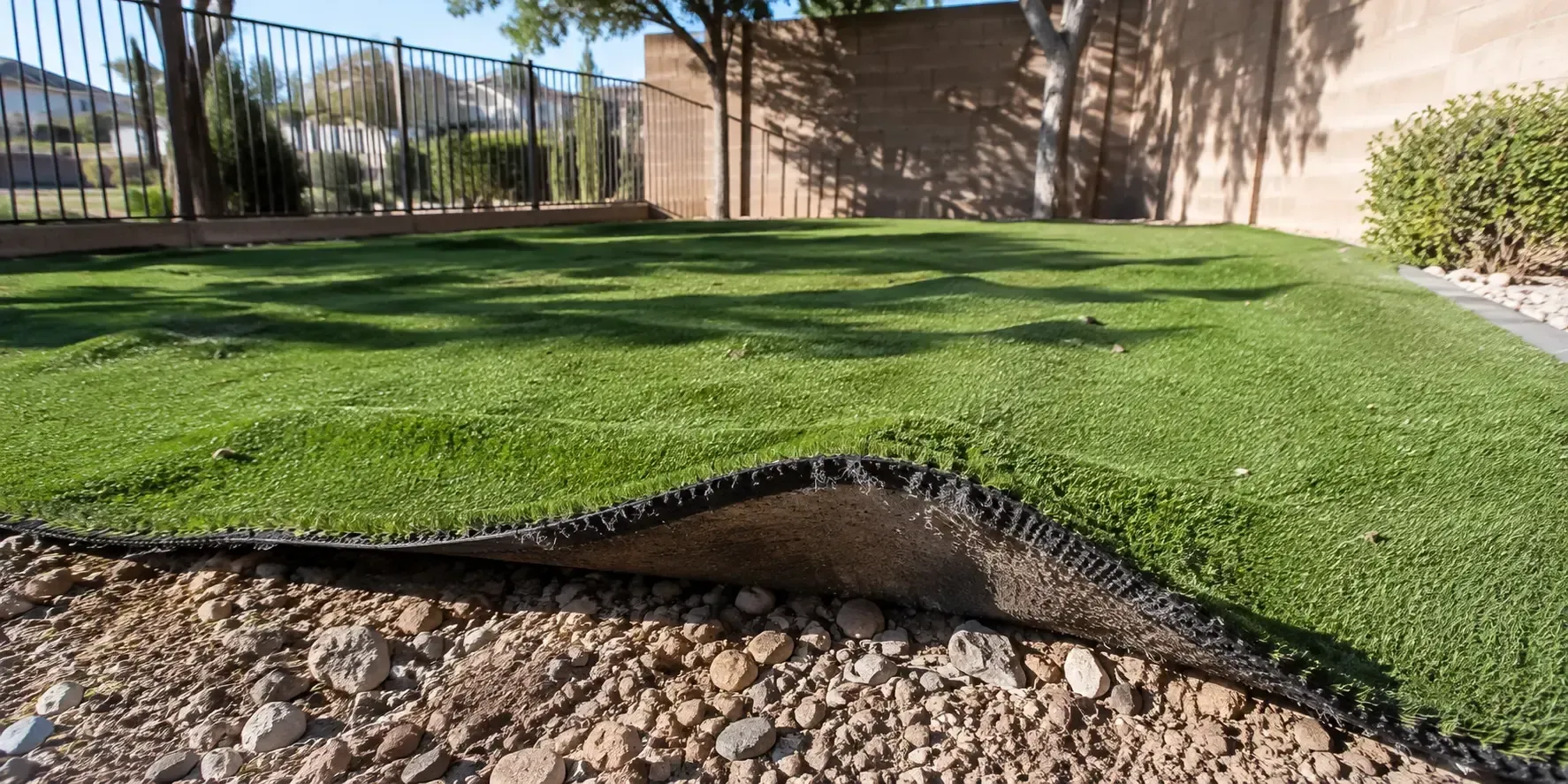
We excavate three to four inches of existing soil. We don't just dump sand. We use Type II road base—a specific aggregate that compacts tightly but allows for rapid drainage. This is critical in Henderson. When we do get those rare, heavy winter rains, you don't want a swamp. You want a surface that drains faster than natural soil.
2. The Weed Barrier
Bermuda grass is resilient. It’s a survivor. If you don't install a commercial-grade weed barrier underneath the base, that dormant grass will wake up in April and punch right through cheap turf. We layer this protection to ensure your lawn stays pristine.
3. The Infill
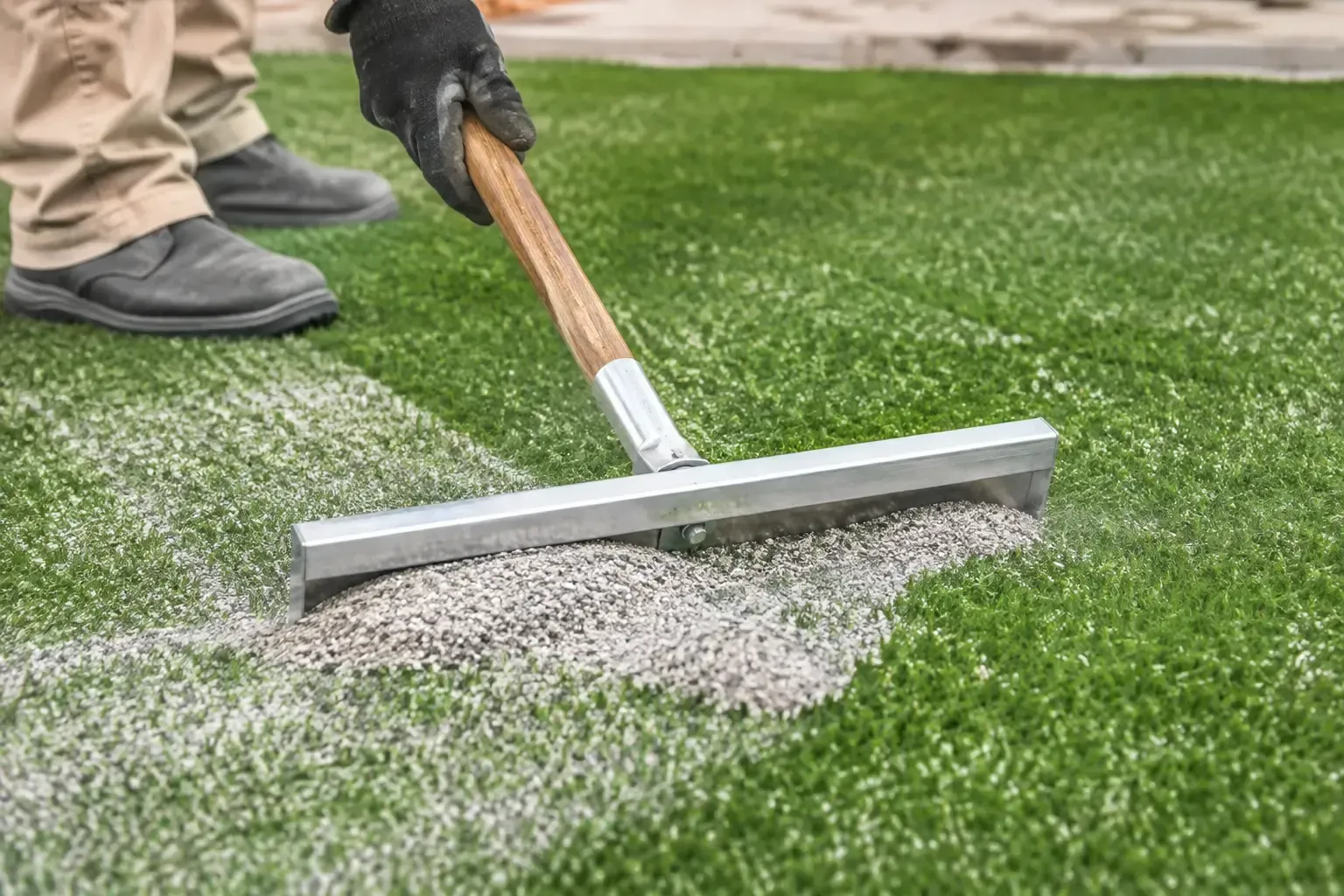
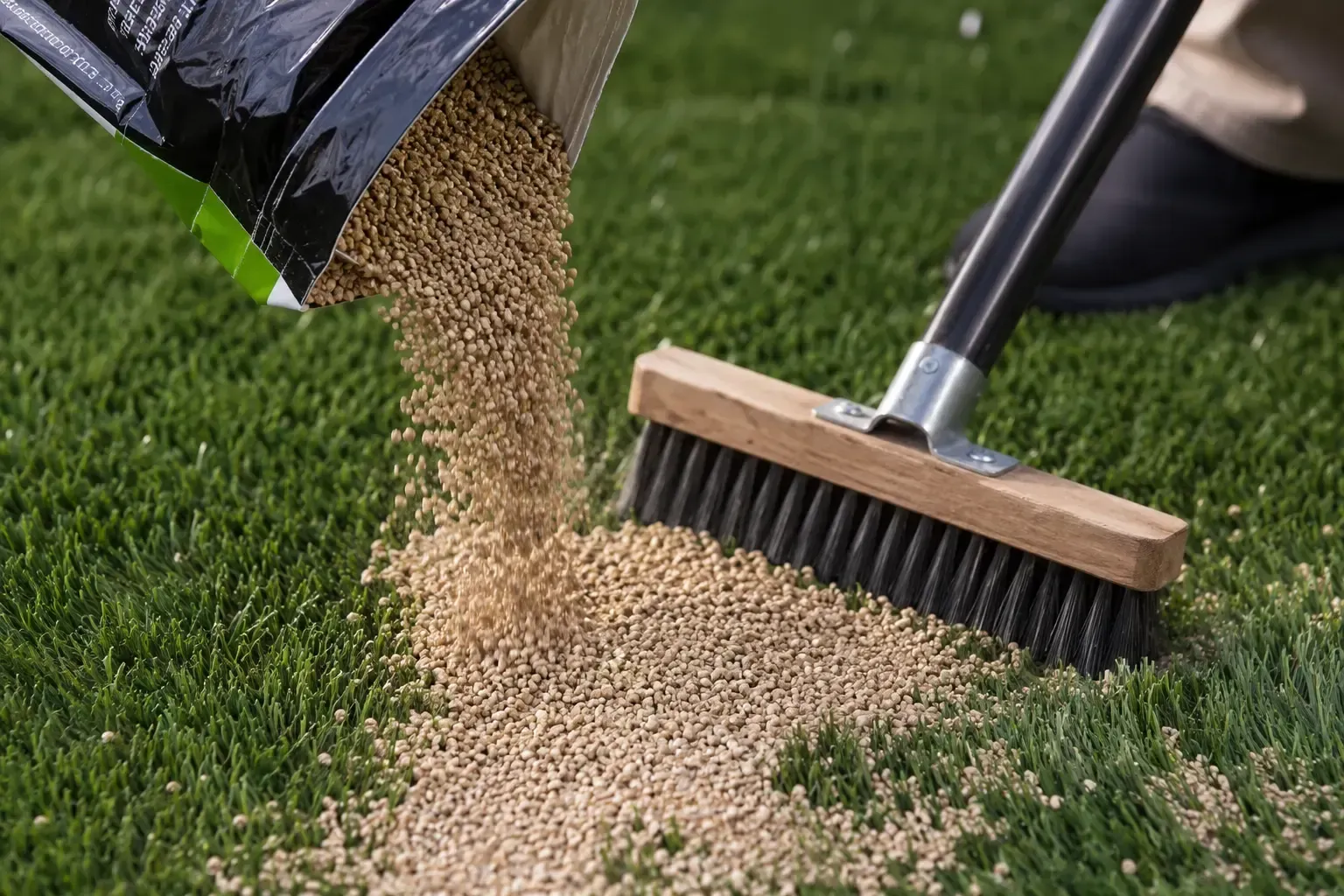
This is the secret sauce. Infill keeps the blades standing upright and protects the backing from UV rays. For Henderson homes, particularly those with pets, we recommend specialized antimicrobial infills (like Envirofill) or Zeolite options that neutralize odors and reduce surface temperatures.
Pet Owners: Winter is Your Best Friend
If you have dogs, winter turf replacement is a sanity saver. Natural grass in a Henderson winter is either dormant and brittle (creating dust) or wet and muddy (creating paw prints).
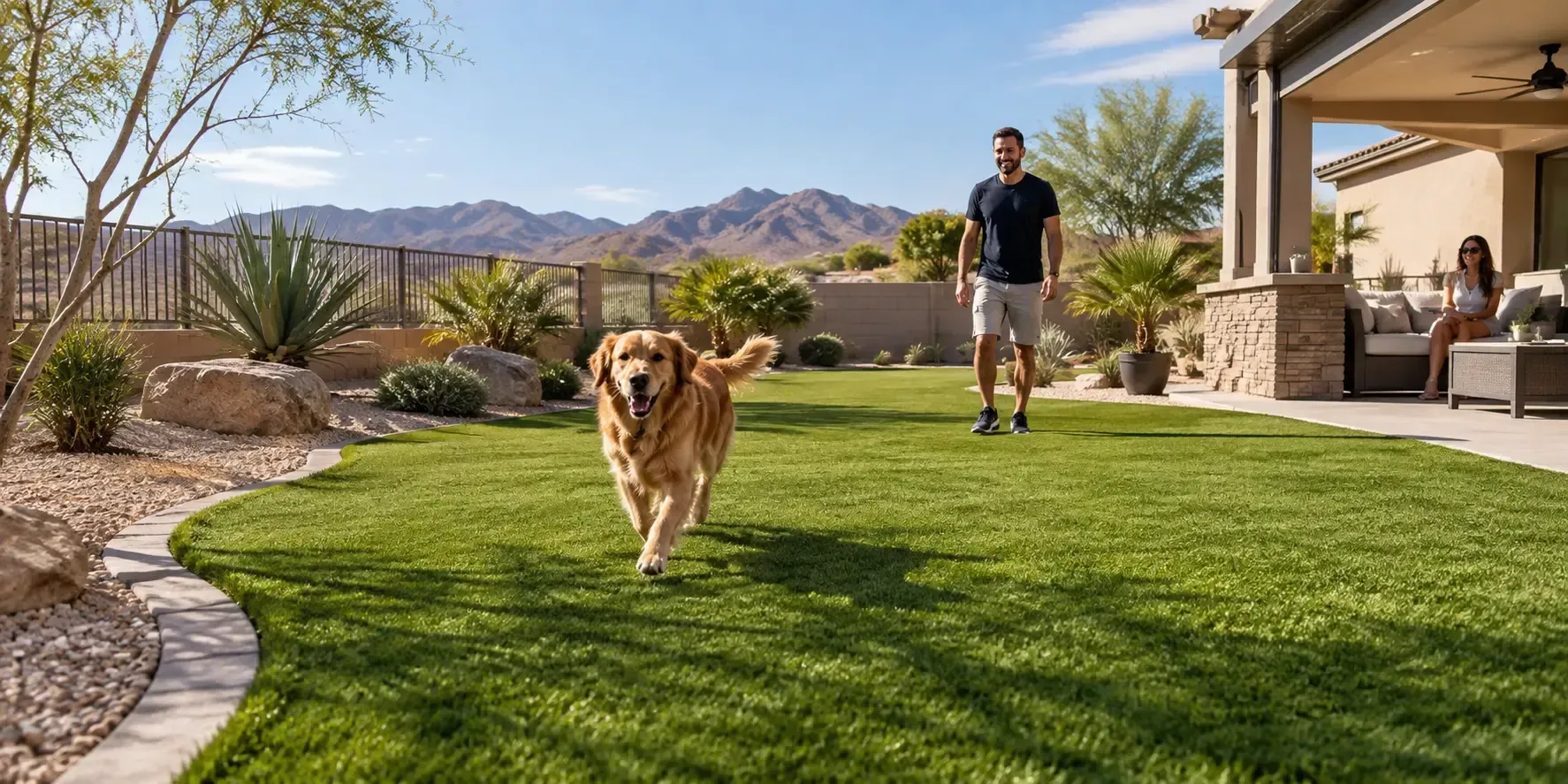
Mud is the enemy of clean floors. By switching to synthetic surfacing now, you eliminate the "mud season" entirely. Your dogs can run, play, and do their business on a surface that drains instantly and stays clean. No more wiping paws every time Fido comes back from the yard.
Addressing the Heat Myth
A common objection we hear: "Doesn't artificial grass get hot?"
Yes, synthetic surfaces can hold heat. However, technology has evolved. We utilize turf products with "CoolFlo" technology and distinct blade shapes (like 'W' or 'S' shapes) that deflect sunlight rather than absorbing it. Combined with the right infill, we can keep surface temperatures significantly lower than older generations of turf.
Furthermore, consider how you use your yard. In the peak heat of July (115°F), you aren't walking barefoot on concrete or pavers either. Most outdoor activity happens in the mornings or evenings. Artificial grass cools down almost instantly once the sun dips behind the Spring Mountains, unlike concrete which radiates heat for hours into the night.
Why LFL Henderson Artificial Turf?
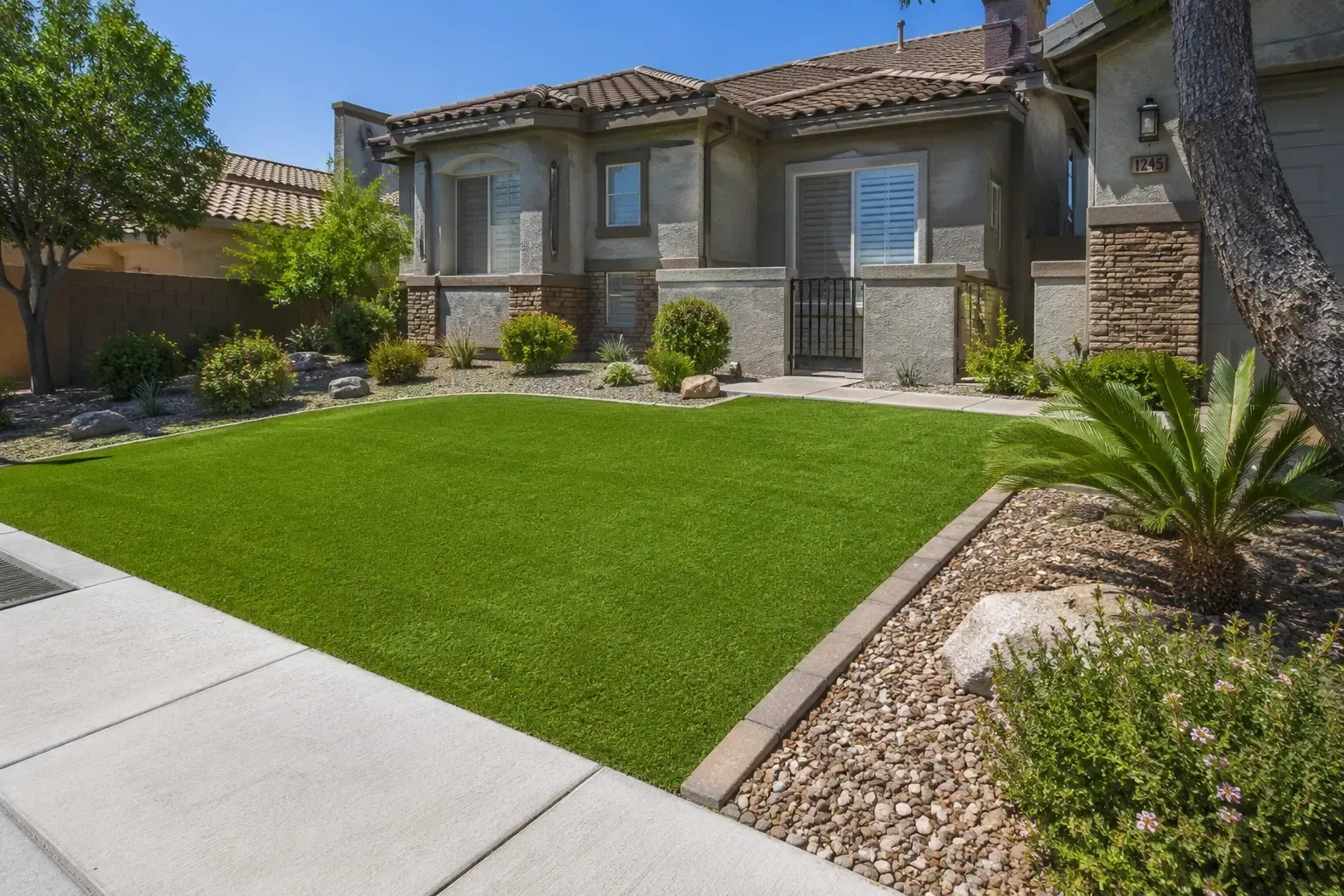
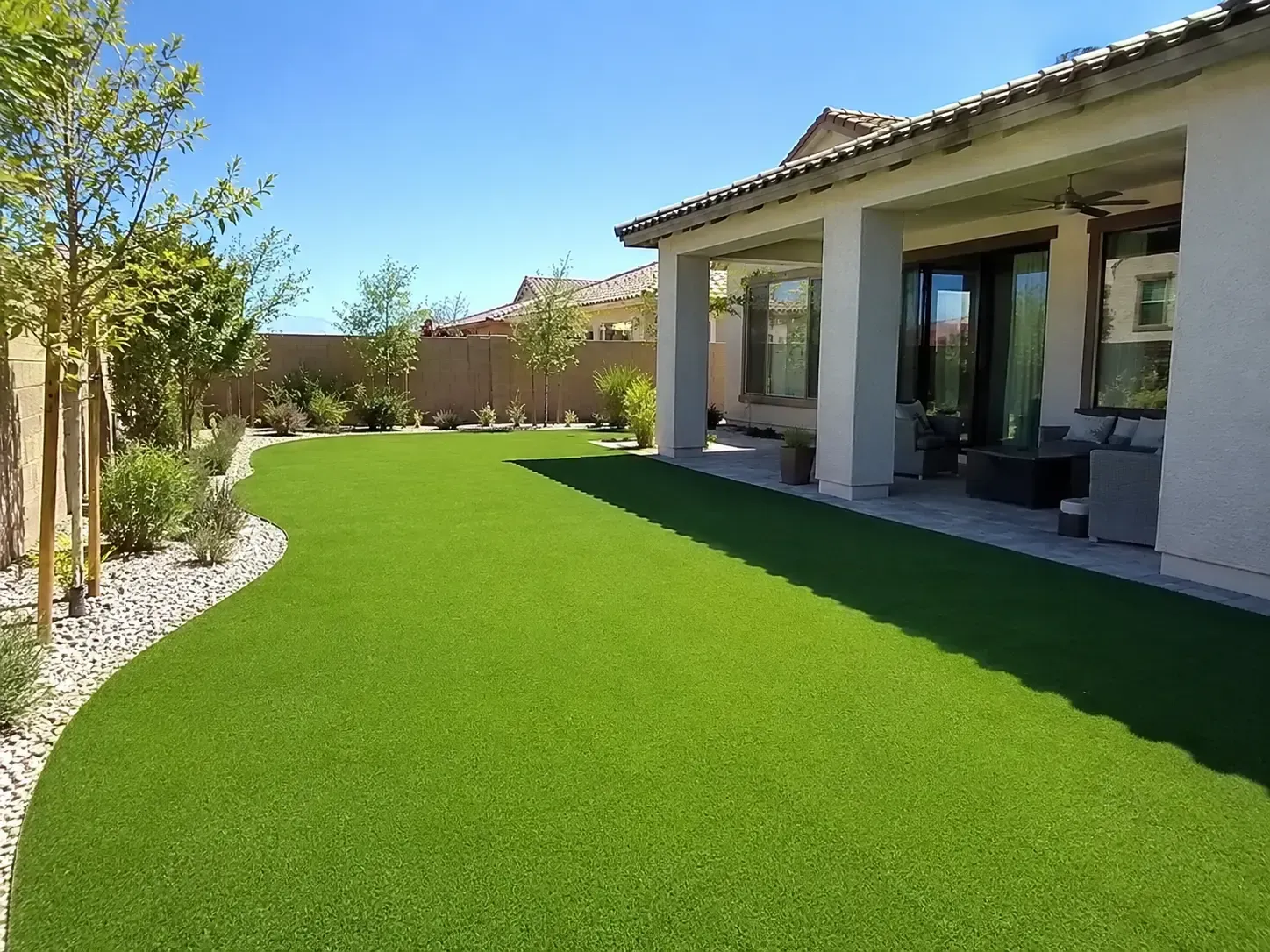
We don't just lay grass; we architect outdoor living spaces. We understand the specific HOA requirements of master-planned communities like Anthem, Seven Hills, and MacDonald Highlands. We know exactly what shade of green blends with the native desert palette so your yard doesn't look like a neon sore thumb.
Our installation teams are local. We know the soil. We know the climate. We know that "good enough" doesn't cut it in this town.
Stop staring at the brown patch in your backyard. Winter is the time to act. By the time your neighbors are scrambling to book a contractor in April, you’ll be sitting on your patio, drink in hand, admiring a lawn that looks perfect every single day of the year.
A common objection we hear: "Doesn't artificial grass get hot?"
Yes, synthetic surfaces can hold heat. However, technology has evolved. We utilize turf products with "CoolFlo" technology and distinct blade shapes (like 'W' or 'S' shapes) that deflect sunlight rather than absorbing it. Combined with the right infill, we can keep surface temperatures significantly lower than older generations of turf.
Furthermore, consider how you use your yard. In the peak heat of July (115°F), you aren't walking barefoot on concrete or pavers either. Most outdoor activity happens in the mornings or evenings. Artificial grass cools down almost instantly once the sun dips behind the Spring Mountains, unlike concrete which radiates heat for hours into the night.
Frequently Asked Questions
Is winter really a good time to install artificial turf in Nevada?
Yes, winter is ideal. The ground is softer due to higher moisture, making excavation easier. Installers are more available, and materials are often cheaper before spring price hikes. Additionally, you avoid the extreme heat that makes summer installations difficult for crews and homeowners alike.
Does artificial turf qualify for SNWA rebates?
Absolutely. The Southern Nevada Water Authority offers substantial rebates for replacing water-thirsty grass with water-smart landscaping, which includes artificial turf (provided it is permeable). You must apply and get a pre-conversion inspection before starting work. Check current rates at the SNWA website.
How long does a turf replacement project take?
For an average Henderson residential lawn (approx. 500-800 sq ft), the process typically takes 2 to 3 days. Day one involves demolition and removal. Day two focuses on sub-base preparation and compaction. Day three is usually for laying the turf, seaming, and adding infill.