Don’t Let Winter Wreck Your Lawn: The Truth About Professional Artificial Turf Maintenance in Henderson
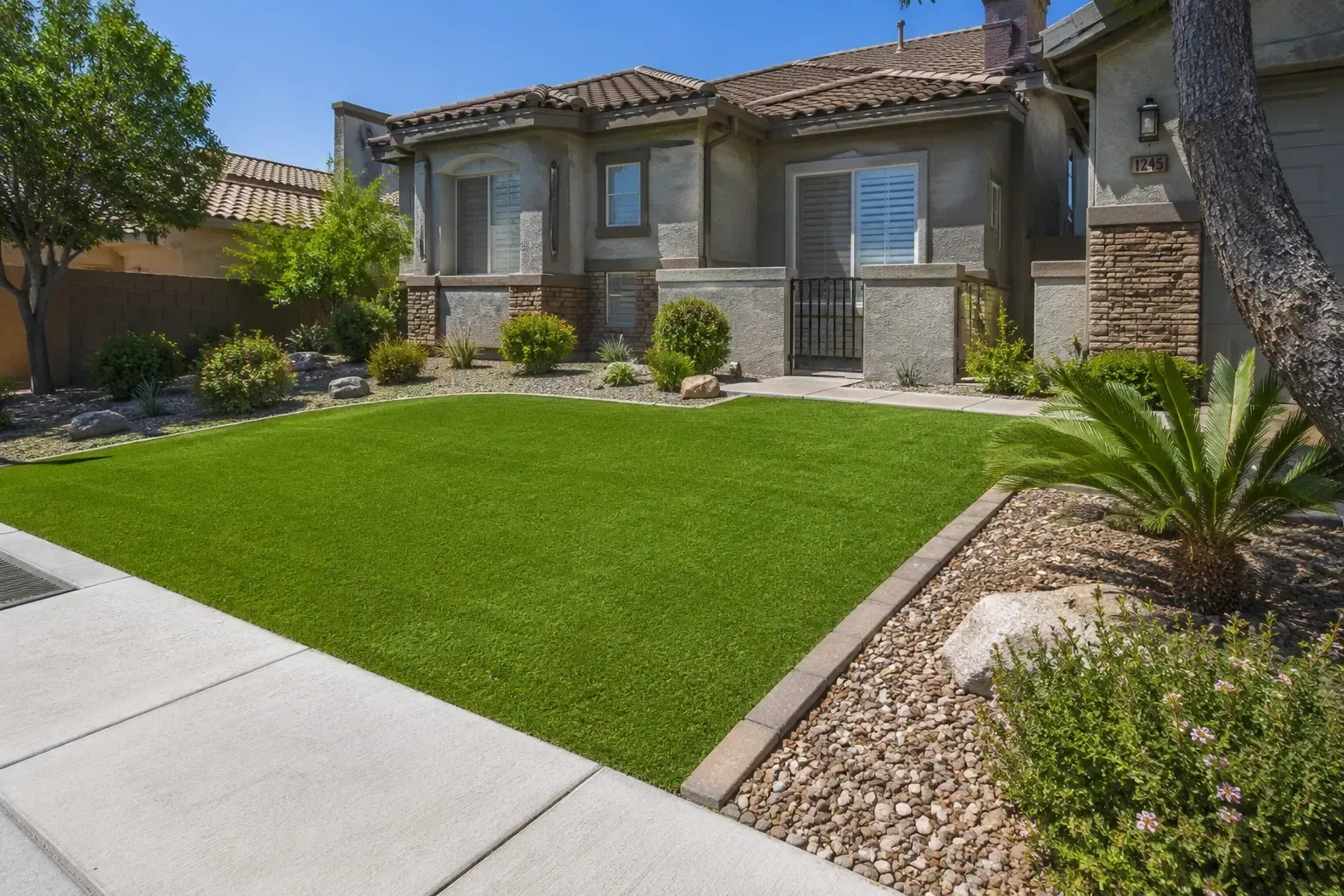
You dropped a significant amount of cash on your lawn. Five figures, maybe more. It looks pristine, green, and perfect. But right now, as the temperatures in Henderson dip into the 40s and the wind picks up coming off the McCullough Range, your investment is sitting there, vulnerable. Most homeowners operate under a dangerous misconception: "It’s plastic grass; it takes care of itself."
Wrong.
While artificial turf is low maintenance, it is absolutely not no maintenance. Neglect it during the cooler months, and by the time spring BBQ season hits Anthem or Seven Hills, you’ll be staring at matted fibers, strange odors, and drainage issues that cost a fortune to fix. You need a strategy. You need professional intervention.
The "Set It and Forget It" Myth is Costing You Money
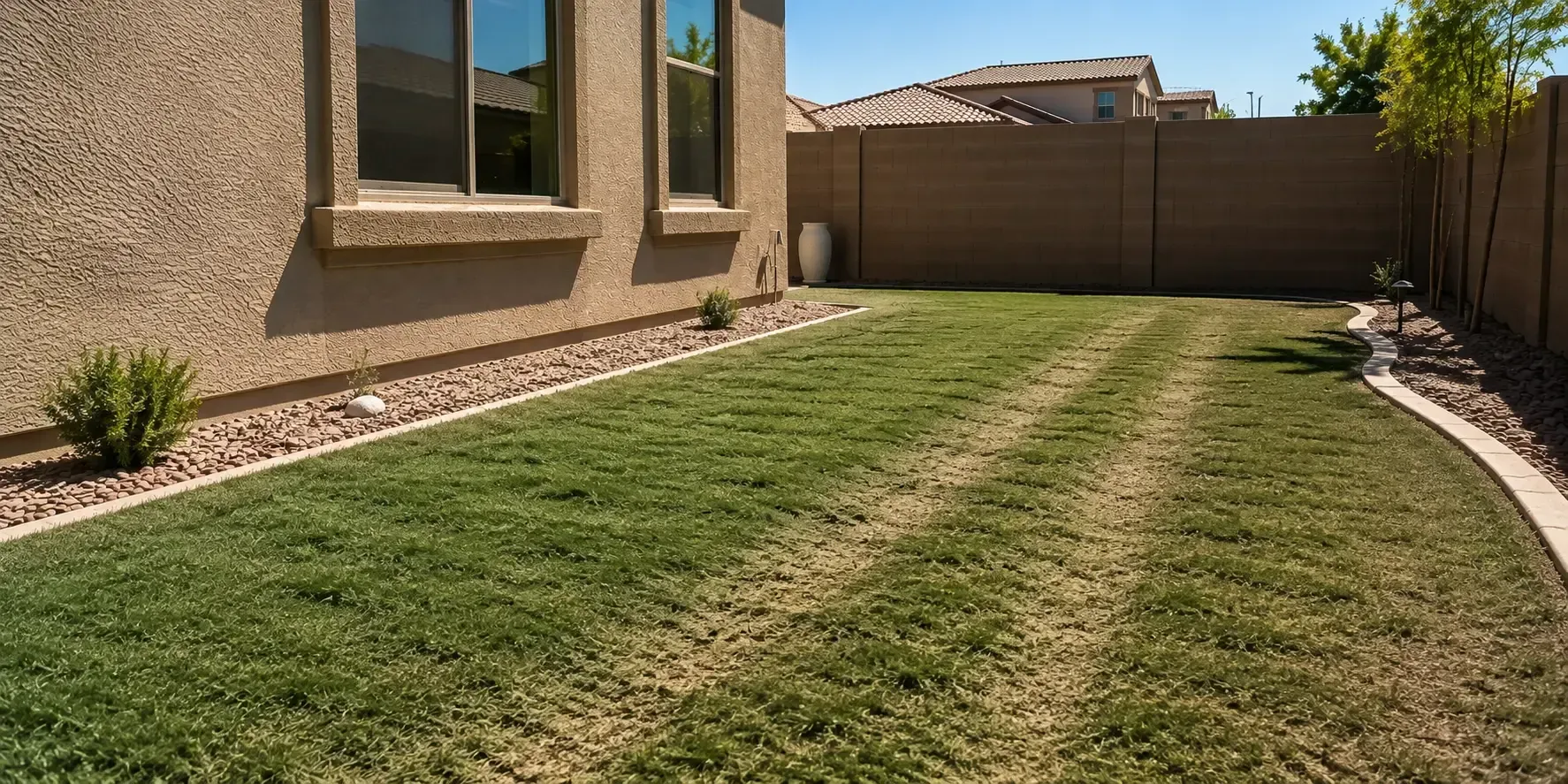
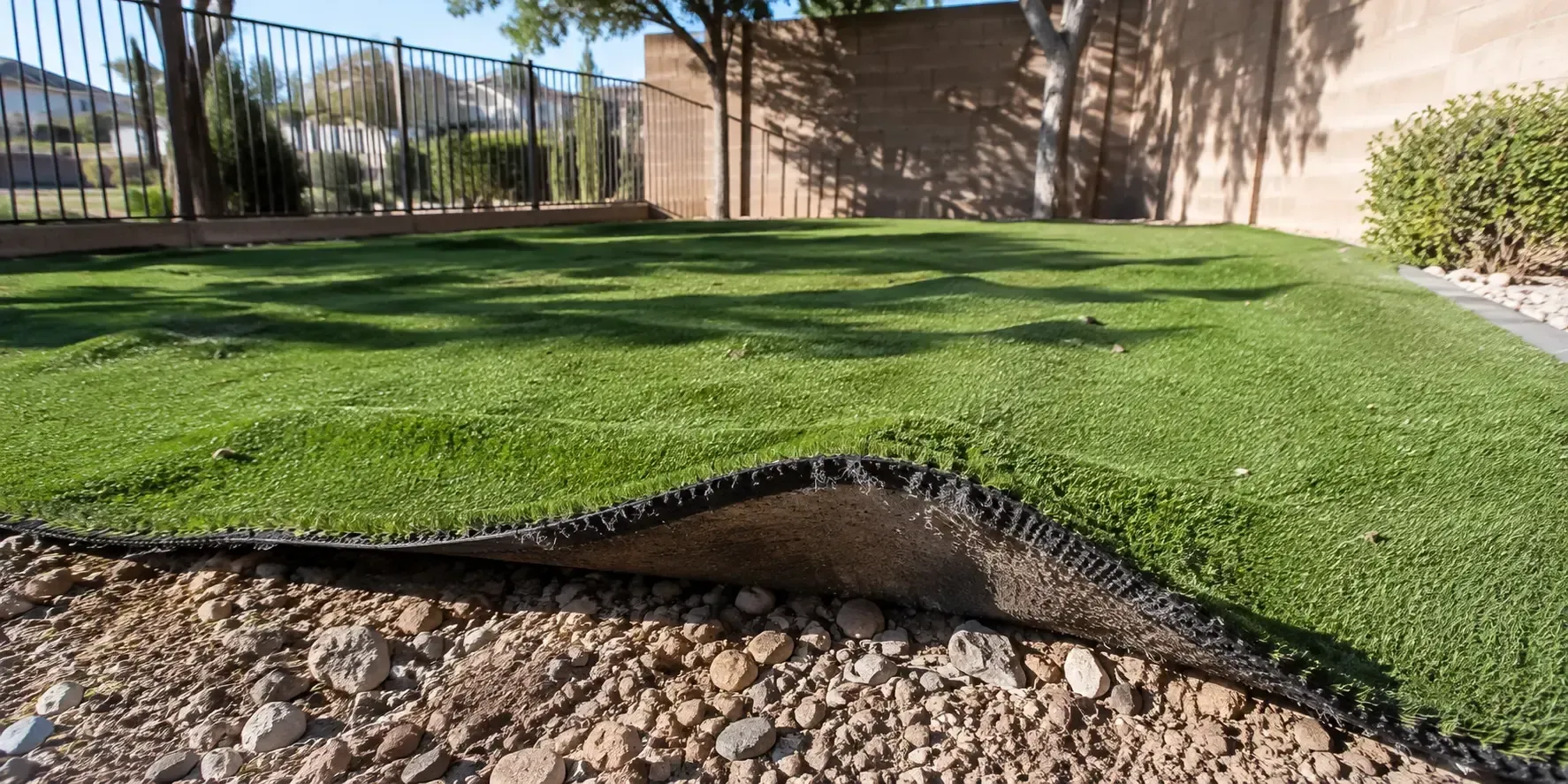
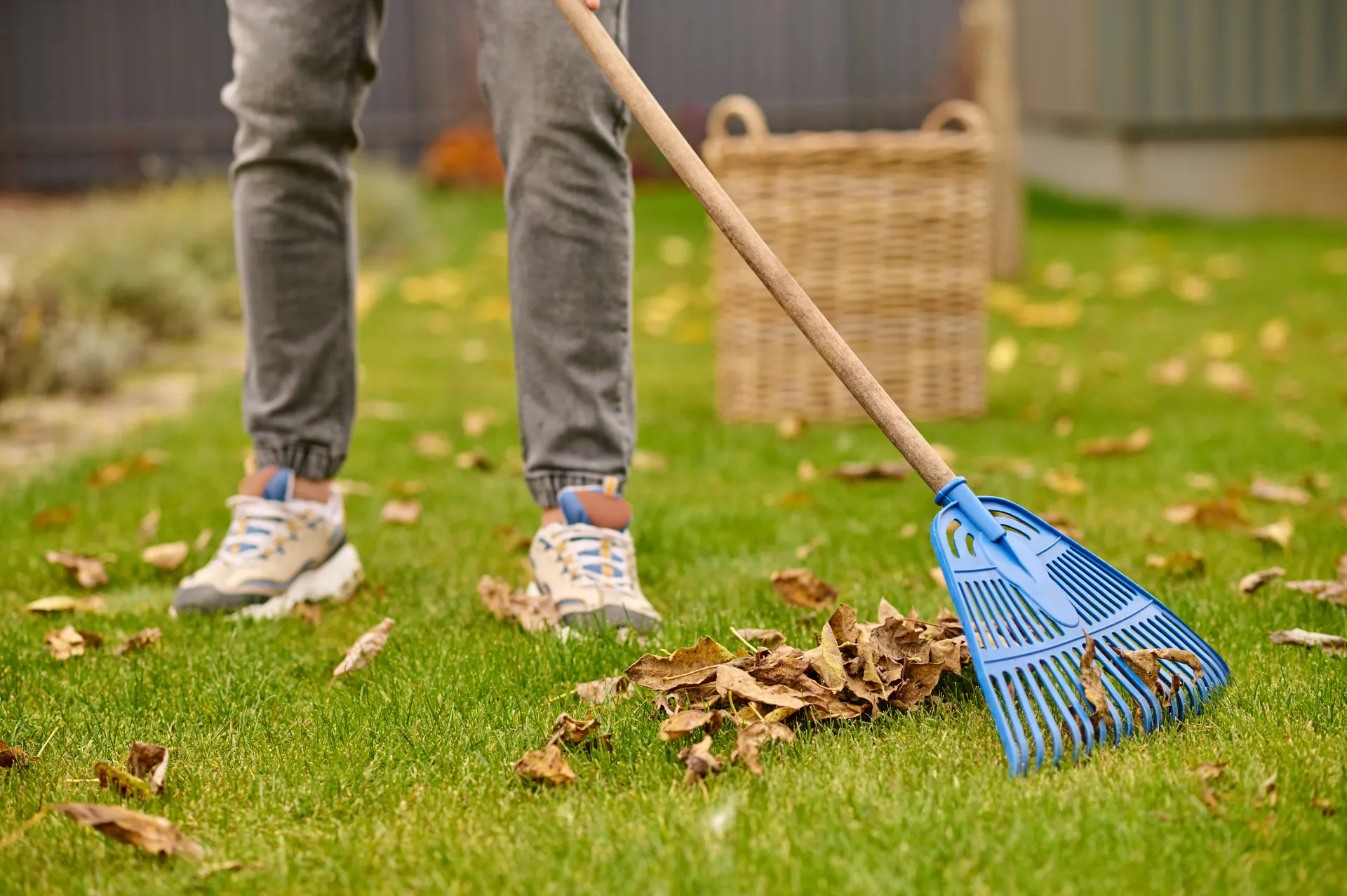
Let’s get real about the local climate. We don't deal with three feet of snow in the Las Vegas Valley. We deal with something more insidious: dust, debris, and neglect. In Henderson, the winter winds are notorious. They carry fine silt and dried organic matter that settles deep into the base of your synthetic lawn. This debris creates a barrier. It clogs the drainage holes.
When it finally does rain—and we do get those winter soaking rains—the water has nowhere to go. It sits. It stagnates. If you have pets, this is a disaster waiting to happen. Urine crystals that dried up in the summer heat get rehydrated, but because the drainage is blocked by six months of dust, the smell becomes unbearable. It’s not just about aesthetics; it’s about sanitation.
According to the Synthetic Turf Council, routine maintenance is essential to preserve the manufacturer's warranty and the safety of the surface. Ignoring this doesn't just make your lawn look flat; it voids your protection.
Why Henderson Winters Are Different for Artificial Turf
If you lived in Minnesota, you’d worry about ice cracking the backing of your turf. Here, in the 89012 or 89074 zip codes, your enemy is compaction and bacteria.
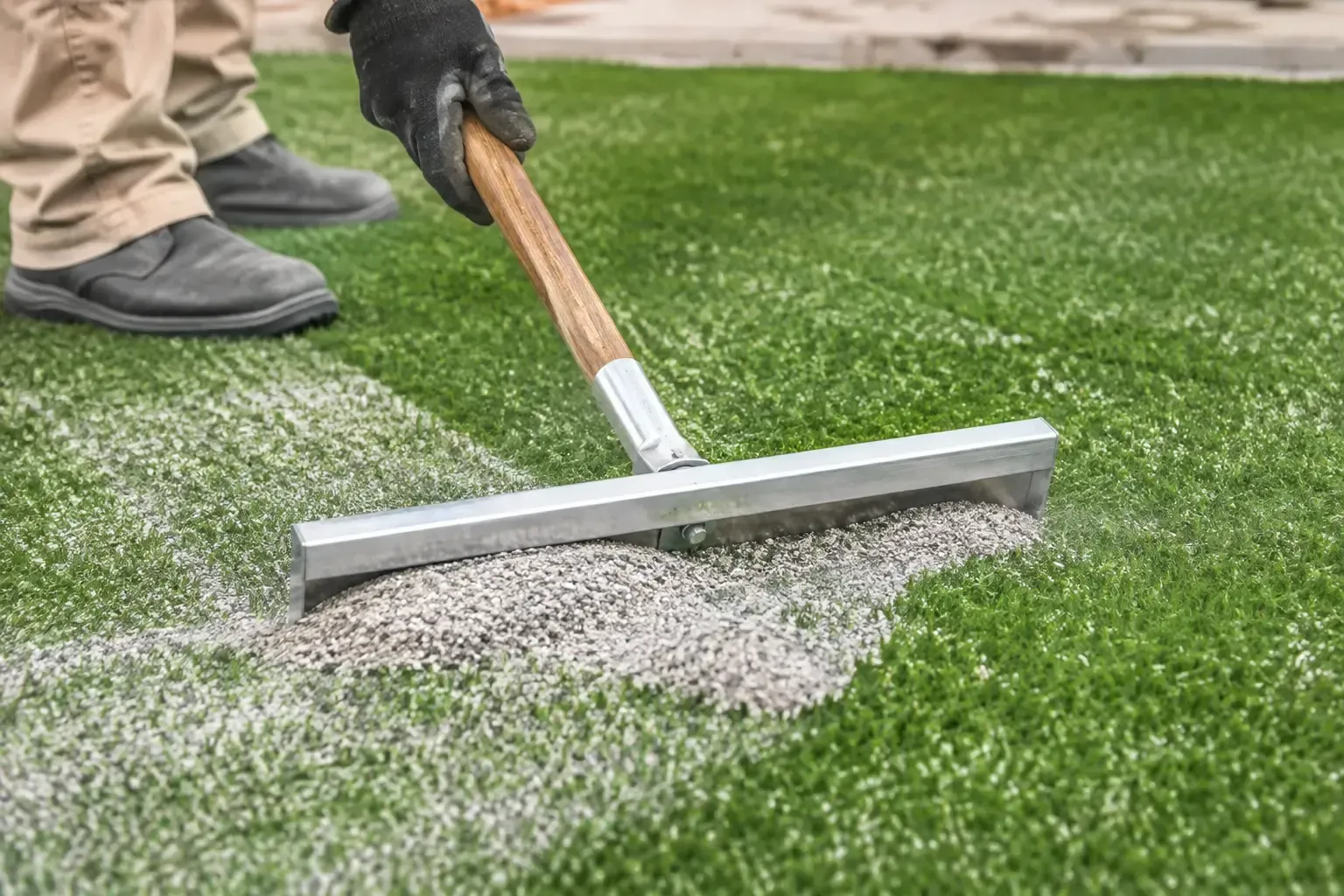
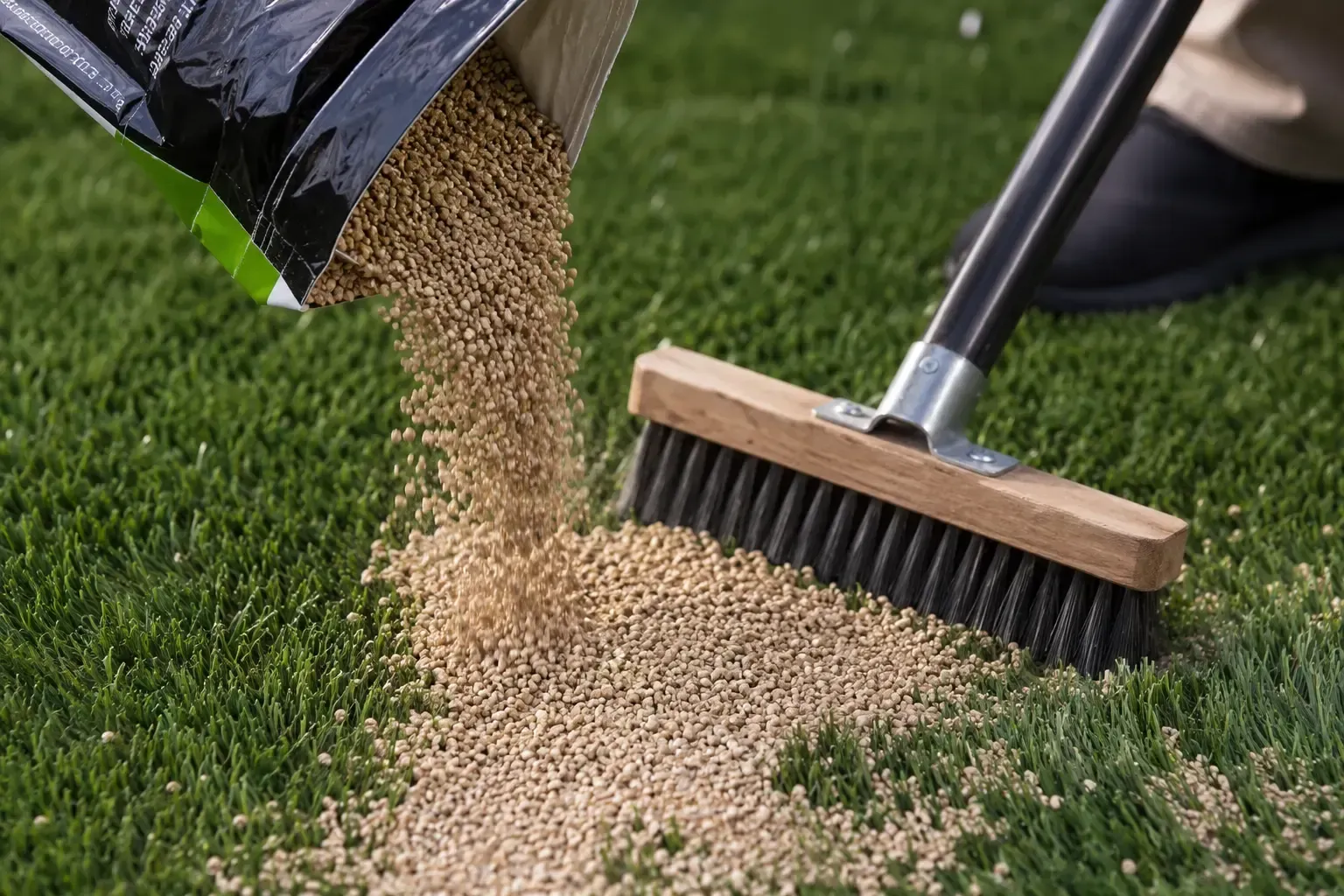
During the summer, you probably sprayed the lawn down to keep it cool. In the winter, you stop. The lack of regular rinsing, combined with foot traffic, causes the infill to compact. Hard infill means hard landings. If you have kids playing on that surface, a compacted lawn is a safety hazard.
The LFL Henderson Artificial Turf Standard
This is where LFL Henderson Artificial Turf separates itself from the guy with a leaf blower and a pickup truck. Professional maintenance isn't just brushing the grass. It’s a restoration process.
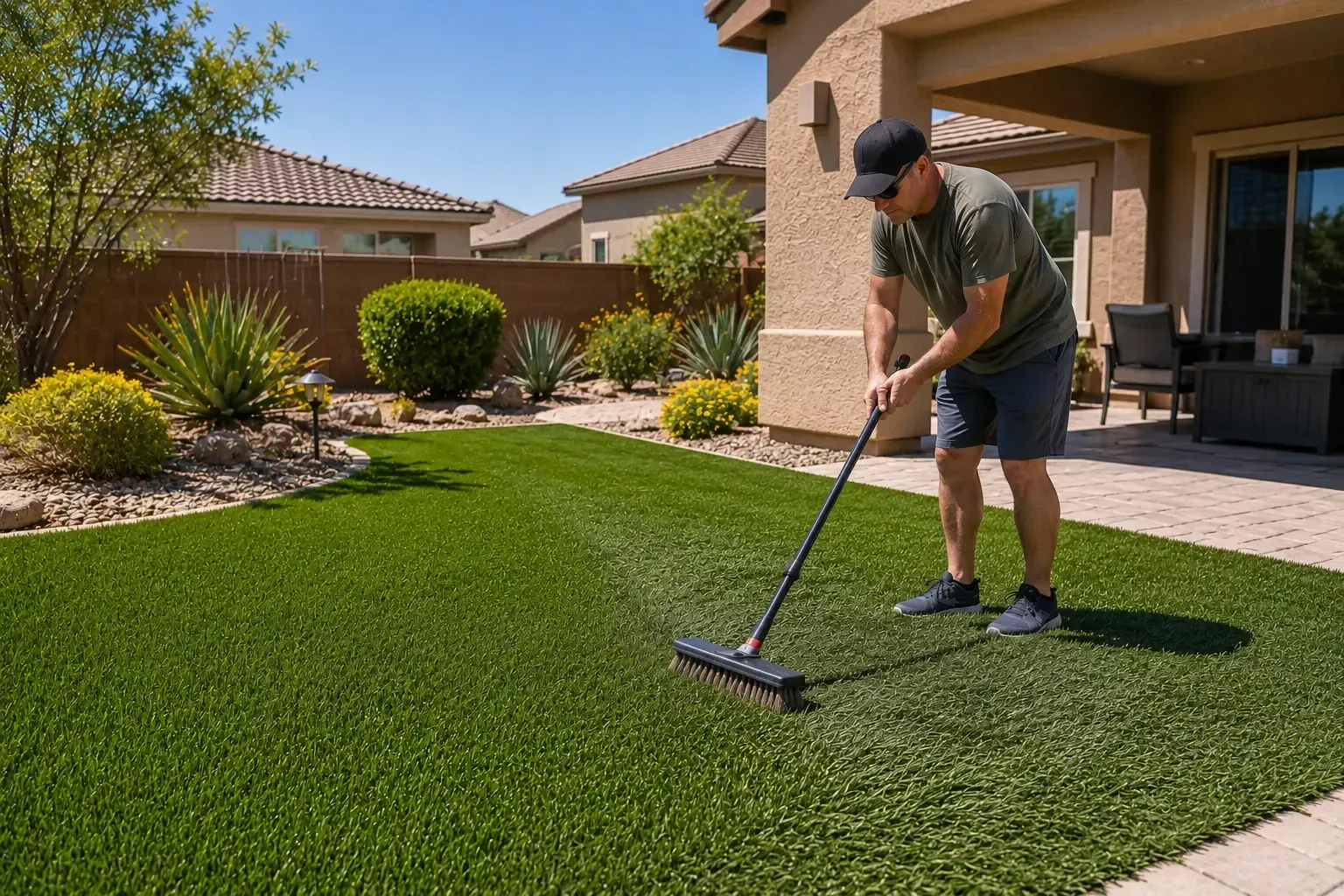
We see it all the time in Green Valley. A homeowner tries to DIY their maintenance with a stiff broom and a garden hose. They end up pushing the debris deeper into the thatch layer. Real maintenance requires industrial-grade power brooms that lift the fibers mechanically while simultaneously loosening the infill.
The 3-Step Winter Protocol
To keep your artificial turf looking like the day it was installed, specific steps must be taken during the cooler months. This isn't optional.
1. De-compaction and Re-blooming
Gravity and foot traffic flatten turf blades. Over time, your lawn starts to look like a putting green rather than lush fescue. Professional power-brooming reverses this. It stands the fibers up—a process called "blooming." This allows air to circulate at the base level, drying out trapped moisture that leads to mold.
2. The Bacteria Battle
Does your yard smell weird when it drizzles? That’s trapped uric acid. Standard cleaners don't work. They just mask the smell with a perfume that fades in 24 hours. You need enzyme-based cleaners that eat the bacteria at a molecular level. Turf Factory Direct notes that proper infill levels and chemical treatment are vital for neutralizing pet odors effectively. LFL Henderson Artificial Turf utilizes hospital-grade, pet-safe enzymatic solutions that reset the hygiene of your yard.
3. Magnetic Debris Removal
This one surprises people. In Henderson, construction is perpetual. Nails, screws, and metal shards migrate. They end up in your lawn. A standard rake won't find them. Professional services use high-powered magnets to sweep the turf, ensuring your kids or dogs don't step on a rusted nail hidden in the synthetic thatch.
The Economics of Maintenance
Think of your artificial turf like a car. You change the oil to keep the engine running. You maintain your turf to keep the drainage running. Replacing a synthetic lawn because the base failed due to poor drainage can cost $8 to $12 per square foot. A winter maintenance service is a fraction of that. It is an insurance policy for your property value.
Furthermore, curb appeal matters. Henderson is a competitive real estate market. A matted, flat, stained artificial lawn signals "deferred maintenance" to a potential buyer. A lush, upright, clean lawn signals "luxury."
Common DIY Mistakes to Avoid
Stop using harsh chemicals. We’ve seen homeowners pour bleach on their turf to kill algae. Bad move. Bleach breaks down the UV inhibitors in the plastic, turning your green grass blue or white and making it brittle. Angi (formerly Angie's List) warns explicitly against using caustic cleaners that can dissolve the turf backing.
Another error? Using a metal rake. You will rip the fibers out. Stick to plastic or, better yet, call the pros who have the calibrated equipment to handle the job without damage.
Why LFL Henderson Artificial Turf is the Industry Leader
There are plenty of landscapers in Nevada. But artificial turf is a specialized trade. You wouldn't hire a plumber to fix your electrical panel. Why hire a mow-and-blow gardener to fix your advanced synthetic system?
LFL Henderson Artificial Turf understands the specific soil composition of the Las Vegas Valley—the caliche, the drainage challenges, and the specific dust particulate issues. We don't just clean; we inspect the integrity of the seams and the security of the perimeter spikes. We ensure your investment survives the winter to shine in the spring.
Frequently Asked Questions
How often should artificial turf be professionally cleaned?
For homes with pets or children, professional maintenance is recommended every 12 to 18 months. However, if you have multiple large dogs, a quarterly sanitation service is advised to control odor and bacteria accumulation effectively.
Can winter weather damage artificial turf in Henderson?
Direct cold damage is rare in Nevada, but secondary damage is common. Winter moisture combined with clogged drainage leads to mold growth and backing deterioration. Furthermore, freezing temperatures can make fibers brittle; walking on frozen turf can cause fibers to snap.
Does artificial turf require water during winter?
While you don't need to water for growth, occasional rinsing is necessary if there is no rain. This removes dust and pollen. However, avoid rinsing if temperatures are forecasted to drop below freezing to prevent ice formation on the surface.
Will professional maintenance fix matted turf?
Yes. Professional power-brooming is the only effective way to restore matted turf fibers. The mechanical brush lifts the blades and redistributes the infill, returning the lawn to its original, upright appearance.
Is the cleaning solution safe for my dog?
Absolutely. Reputable services like LFL Henderson Artificial Turf use non-toxic, biodegradable, enzyme-based cleaners. These are specifically designed to be safe for pets and children immediately after application while effectively destroying odor-causing bacteria.