Stop Treating Your Artificial Lawn Like a Rug: The Henderson Survival Guide to Synthetic Grass Care
The Dust Factor: Why Your False Turf Is Losing Its Shine
In Henderson, the wind is a constant companion. It carries fine silt that settles deep into the thatch of your synthetic grass. Over time, this dust doesn't just sit there. It compacts. When it rains—those rare, violent desert downpours—the water mixes with the silt to create a microscopic layer of mud at the base of your turf. This ruins your drainage. It also makes the fibers feel brittle underfoot. This isn't just an aesthetic issue; it’s a structural one.
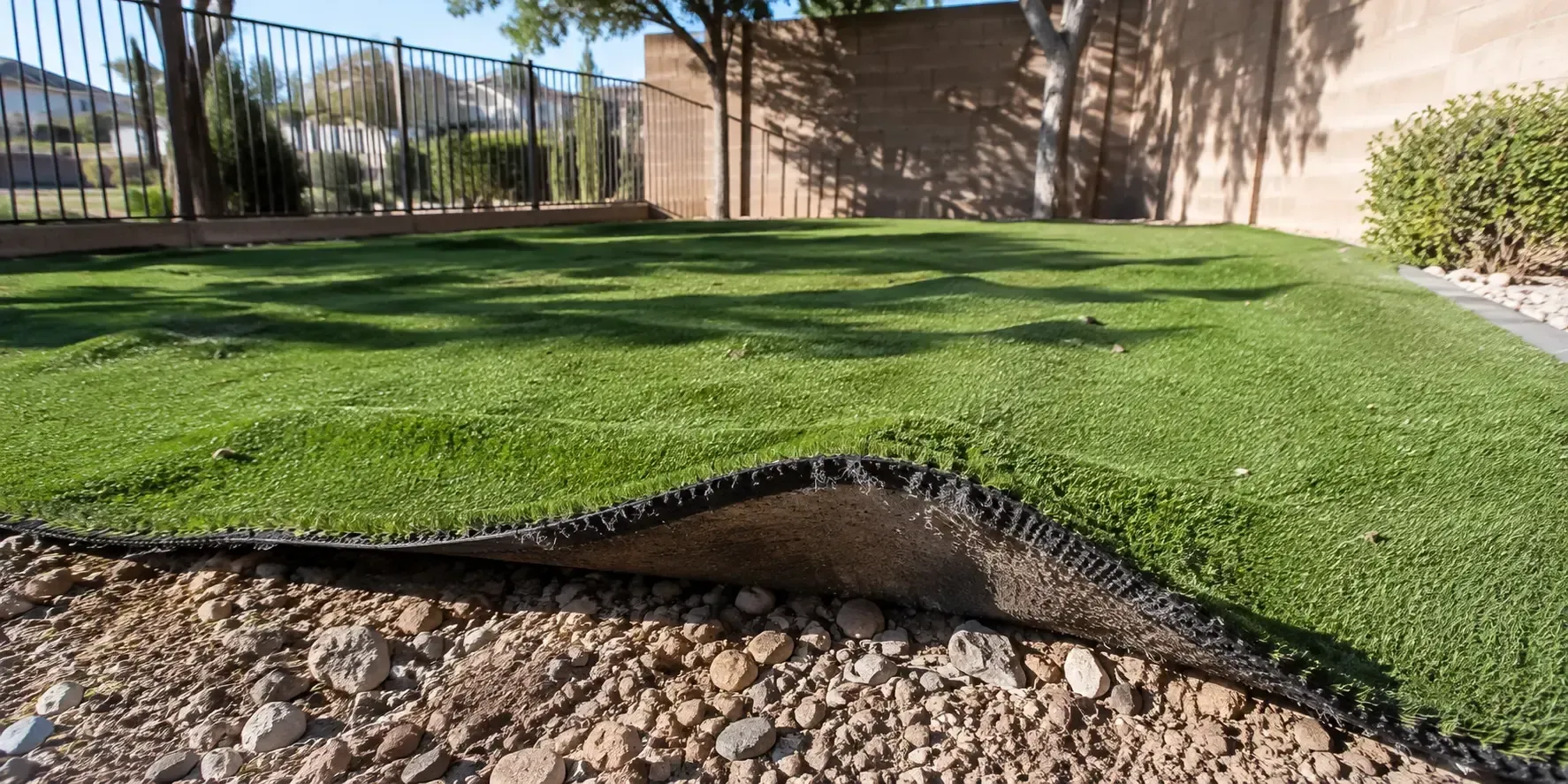
Rinsing is your first line of defense. A quick spray once a week isn't enough. You need to perform a "deep soak" once a month. Use a high-quality nozzle to push the water through the backing and into the crushed rock base. This flushes the fine particulates away. It keeps the drainage holes clear. Think of it as a reset button for your yard’s plumbing. Without this, your artificial lawn will eventually hold onto heat and odors like a sponge.
Power Brooming: The Secret to That "Day One" Look
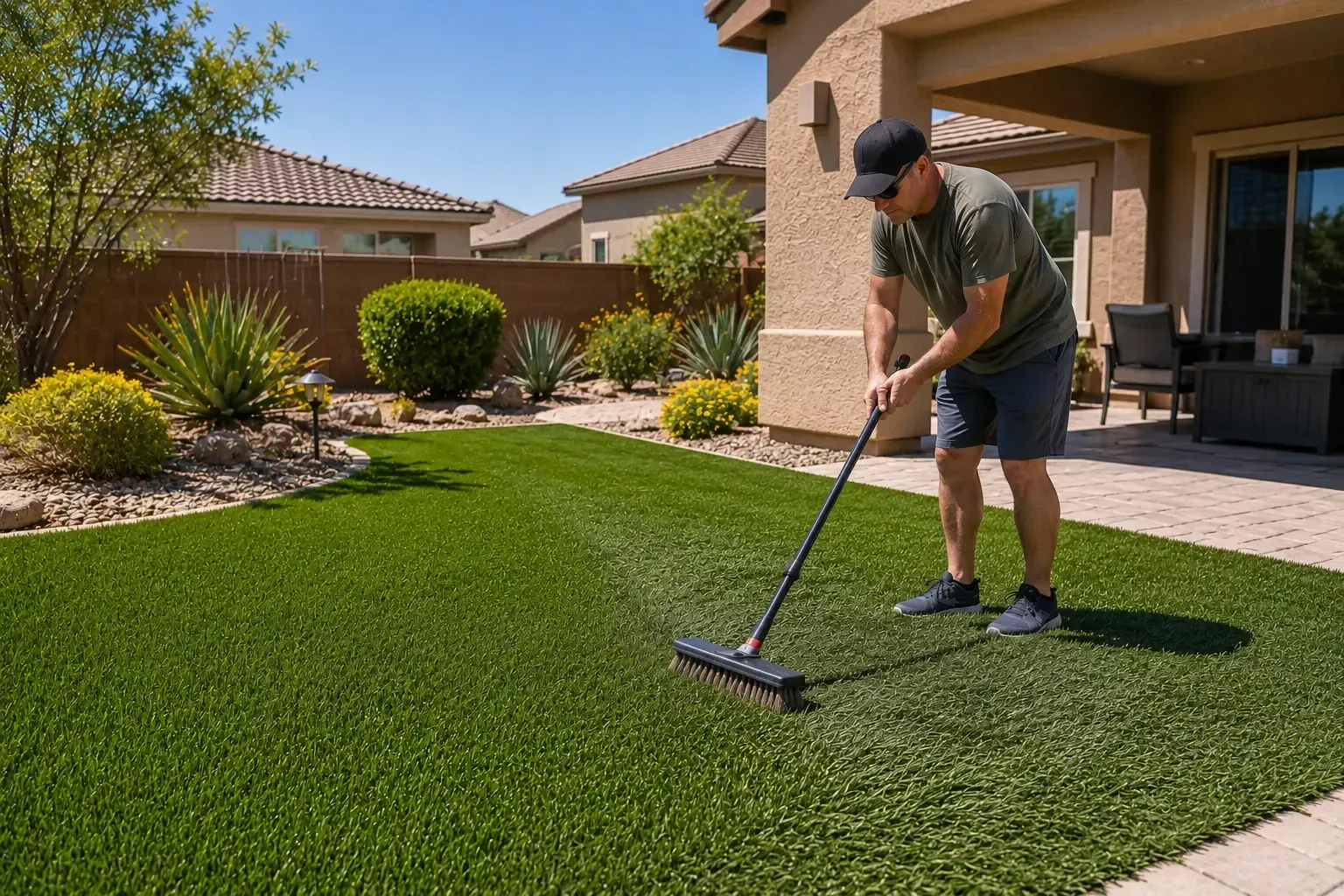
Have you noticed your high-traffic areas looking a bit sad? When the fibers of your artificial grass lay flat, the lawn looks fake. It loses its dimension. Manual raking with a plastic leaf rake is better than nothing, but it’s like using a toothbrush to clean a floor. To truly rejuvenate your lawn, you need a power broom. This is a motorized tool with rotating nylon bristles that pull the fibers upright while simultaneously redistributing the infill.
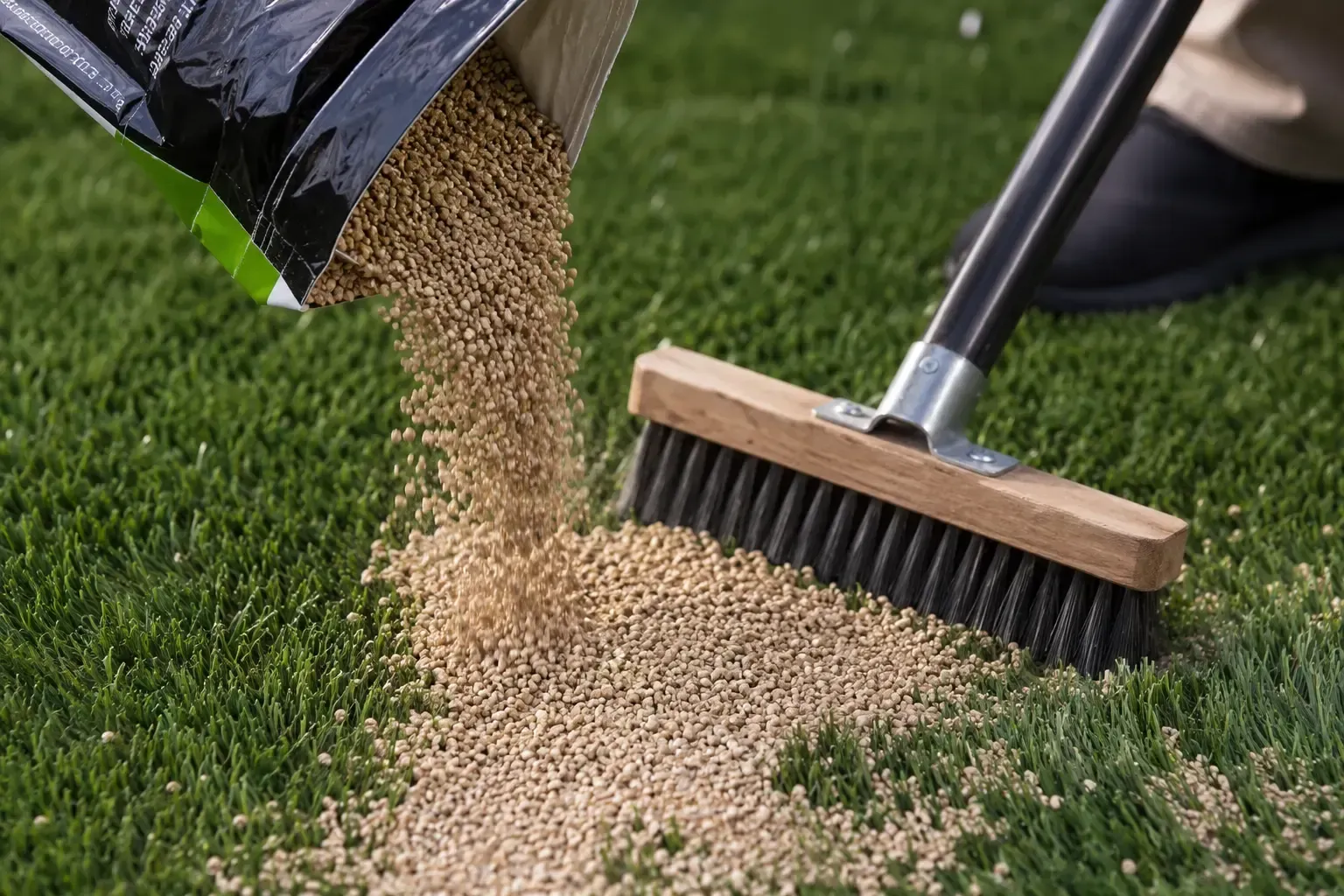
Infill is the soul of your lawn. It’s the sand or antimicrobial granules that keep the blades standing tall. Foot traffic and wind move this material around, creating low spots and "balding" areas. Professional turf cleaning in Henderson often revolves around professional-grade power brooming. It fluffs the blades and ensures the infill provides the necessary cushioning. If you’re doing it yourself, don't be afraid to be aggressive. You want those fibers standing at a rigid 90-degree angle.
Managing the "Desert Bake" Pet Odors
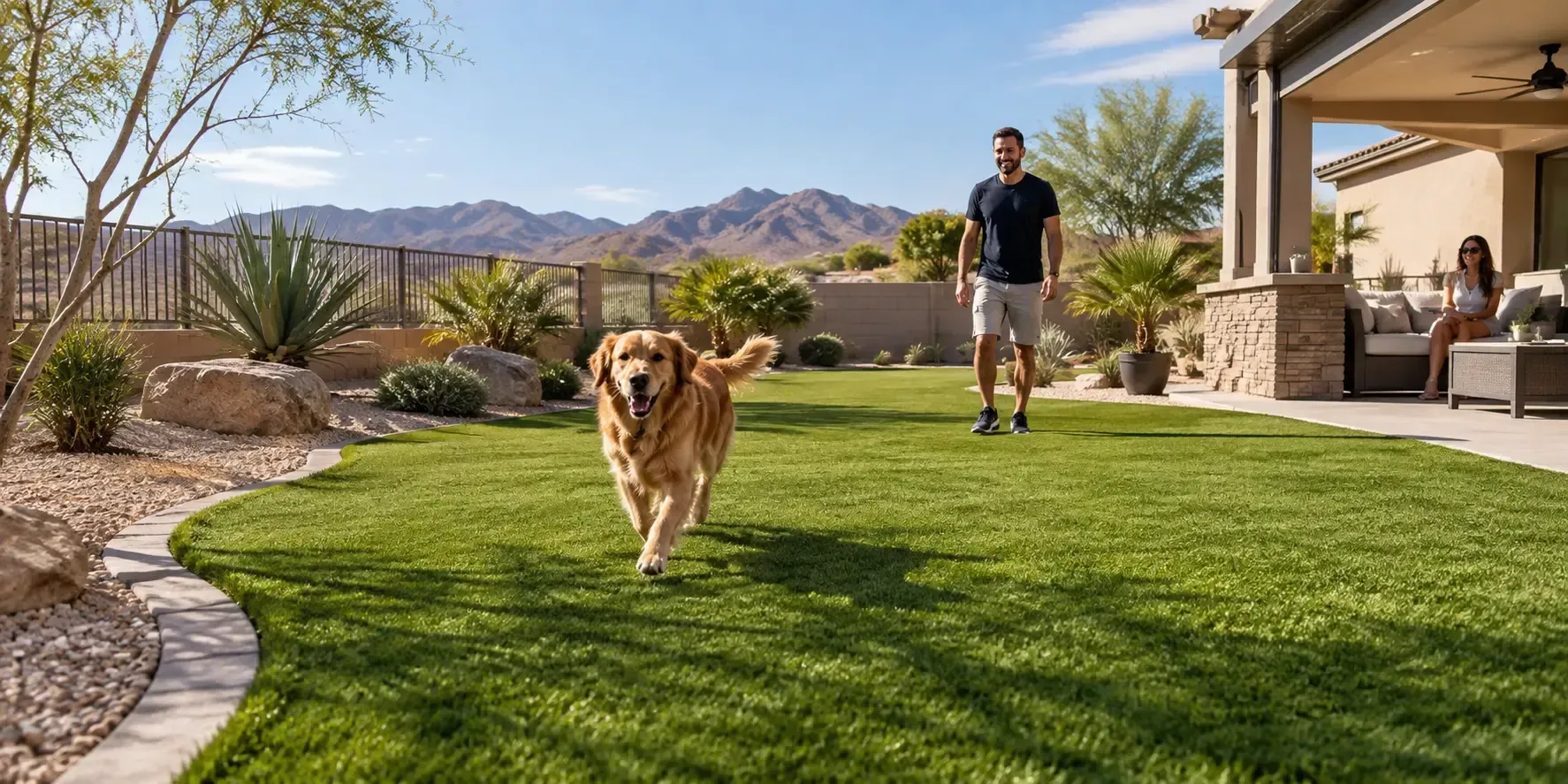
Pet owners in Nevada face a unique challenge. In cooler climates, occasional rain washes away the urea in pet waste. In Henderson, the sun bakes it. When your dog uses the artificial lawn as a bathroom in 110-degree weather, the liquid evaporates, but the uric acid crystals remain. These crystals are the source of that pungent ammonia smell. When the sun hits the turf, it reactivates those crystals. It’s a cycle of stink that a garden hose cannot break.
Stop using bleach. It’s too harsh and can damage the UV inhibitors in the grass. Instead, reach for an enzyme-based cleaner. These solutions contain live bacteria that literally eat the uric acid. For the best results, apply the cleaner in the evening when the sun is down. This gives the enzymes time to work without evaporating instantly. According to The Turf Cleaning Co., a professional extraction process is sometimes necessary for older installations where the odors have seeped into the sub-base. Prevention is easier. Rinse the "potty spot" immediately every single time.
The Synthetic Putting Green: Precision Maintenance
A synthetic putting green is a different animal altogether. While a standard artificial lawn is built for aesthetics, a green is built for performance. If the surface isn't perfectly level, your Stimpmeter rating goes out the window. Dust and debris are the enemies of a true roll. Even a single leaf can divert a 10-foot putt. For these surfaces, a leaf blower is your best friend. Use it daily. Do not let organic matter sit and rot on the surface.
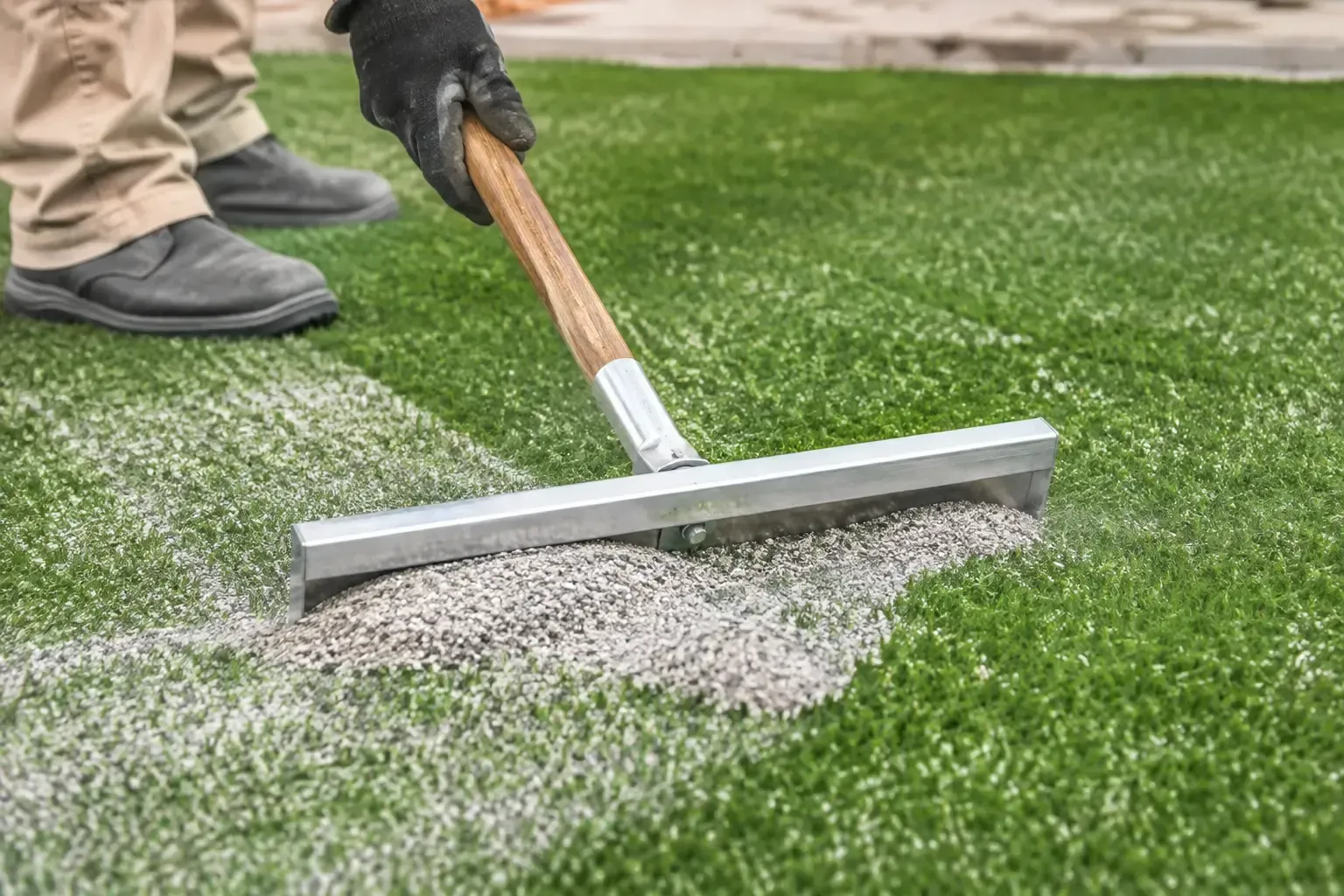
The infill on a synthetic putting green is usually a very fine silica sand. This sand can become "capped" by the hard Henderson water, creating a crust that makes the green feel like concrete. To prevent this, you should occasionally use a soft-bristled brush to "break" the surface and keep the sand loose. If you notice the ball rolling slower than usual, it’s likely time for a professional top-dressing. This involves adding a fresh layer of sand and vibrating it into the fibers to restore that lightning-fast PGA feel.
Professional vs. DIY: When to Call the Experts
You can handle the basics. Rinsing and light brushing are well within the DIY realm. However, once a year, you should consider a professional "Turf Rejuvenation." Why? Because your home equipment cannot match a deep-extraction vacuum. Professionals use specialized machines that pull out the old, compacted infill and the trapped pet hair that your vacuum refuses to touch. They then replace it with fresh, antimicrobial infill that keeps the lawn cooler.
In Henderson, we also deal with "calcium buildup." Our water is incredibly hard. Over years of rinsing, a white film can develop on the blades of your artificial lawn. It makes the green look dusty and grey. Professional cleaners use a mild acidic solution (specifically formulated for turf) to dissolve these minerals without harming the plastic. It’s the difference between a lawn that looks "okay" and a lawn that looks brand new. Experts like Xander’s Services emphasize that regular maintenance can extend the life of your turf by 5 to 10 years, easily paying for itself in the long run.
Your yard is an extension of your home. In the harsh Nevada desert, a green lawn is a sanctuary. Don't let the heat and dust take it from you. Stay on top of the rinsing, invest in a power broom, and treat your synthetic grass with the respect a major investment deserves. Your feet—and your nose—will thank you when the July heat hits its peak.
Frequently Asked Questions
How often should I clean my artificial grass in Henderson?
In our dusty desert climate, you should rinse your artificial lawn weekly to prevent silt buildup. A deeper cleaning involving power brooming and enzyme treatments for pet odors should occur every three to six months. Annual professional maintenance is recommended to de-compact the infill and perform deep extraction of allergens and pet waste.
Can the Nevada sun melt my artificial grass?
While modern artificial grass is designed to withstand high temperatures, it can melt if exposed to reflected sunlight from "low-E" windows. These windows act like a magnifying glass. To prevent this, use window screens or films on exterior glass that reflects onto your yard. Direct sunlight alone rarely reaches the melting point of high-quality turf.
Is it safe to use a pressure washer on synthetic turf?
You can use a pressure washer, but be extremely careful. Keep the nozzle at least 12 inches away from the surface and use a wide-angle tip. Never point it directly at the seams, as it can rip the turf or wash away the underlying base. A standard garden hose with a high-pressure nozzle is usually safer for DIY cleaning.
How do I stop my artificial lawn from getting too hot?
Artificial grass can get significantly hotter than natural grass. To cool it down, give it a quick "flash rinse" with a hose before use; the evaporation will drop the temperature instantly. You can also choose cooling infills like T-Cool, which are designed to retain moisture and keep the surface up to 30 degrees cooler through evaporative cooling.
What is the best way to remove weeds from false turf?
Weeds rarely grow through the turf itself but can sprout in the dust and organic matter that settles in the fibers. Pull them by hand if you see them. For persistent issues, use a water-based weed killer. Avoid oil-based products, as they can damage the synthetic fibers and backing of your artificial lawn.