Leveling the Playing Field: A Guide to Professional Artificial Sports Turf Installation and Repair
For any athletic facility, the quality of the playing surface is paramount. It impacts player performance, safety, and the overall longevity of the field. While traditional grass fields have their charm, they come with a host of challenges, including constant maintenance, weather dependency, and wear and tear. This is where the modern solution of artificial sports turf comes in, offering a durable, high-performance, and cost-effective alternative. As a leading artificial turf company in Henderson, NV, we at LFL Henderson Artificial Turf have seen firsthand the transformative impact a professional athletic turf installation can have.
The Winning Advantages of Artificial Sports Turf
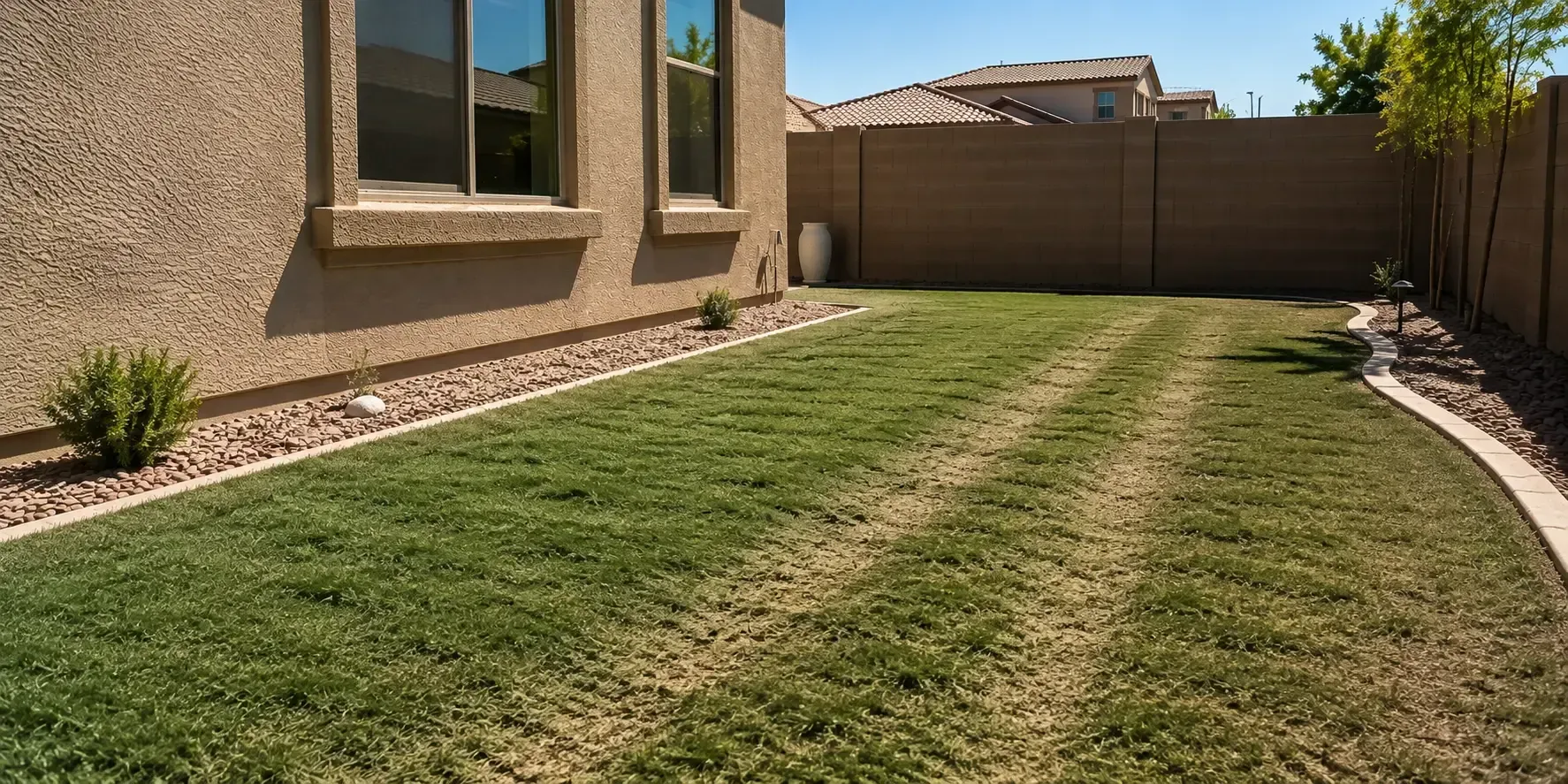
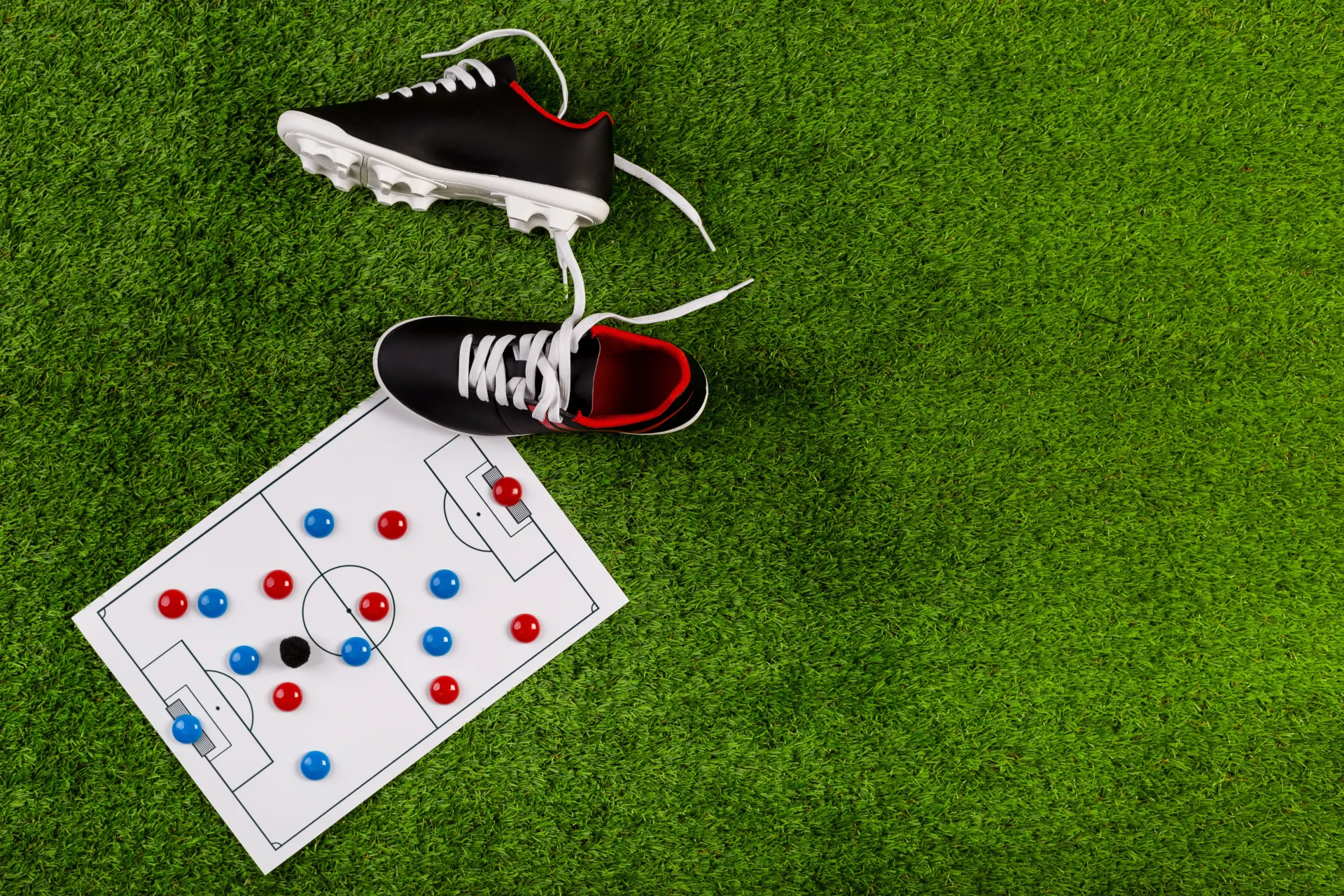
Opting for an artificial sports turf installation brings a multitude of benefits that address the shortcomings of natural grass. One of the most significant advantages is the sheer durability and increased usability. Unlike grass fields that require recovery time after heavy use or inclement weather, synthetic turf is ready for action year-round. This resilience means more practice time, more games, and the ability to host a wider range of events without worrying about damaging the surface.
From a financial and maintenance perspective, the long-term savings are substantial. While the initial investment for an artificial sports turf installation may be higher than natural grass, the reduced need for watering, mowing, fertilizing, and pesticides results in significant ongoing cost reductions. This also translates to a more environmentally friendly option, conserving water and eliminating the need for harmful chemicals.
The Anatomy of a Professional Athletic Turf Installation
A high-quality, long-lasting sports field is the result of a meticulous installation process. Simply rolling out turf is not enough; a professional artificial turf company will follow a series of critical steps to ensure optimal performance and safety.
- Site Preparation and Excavation: The process begins with clearing the existing surface and excavating the area to the required depth. Proper grading is crucial at this stage to establish the correct slope for drainage.
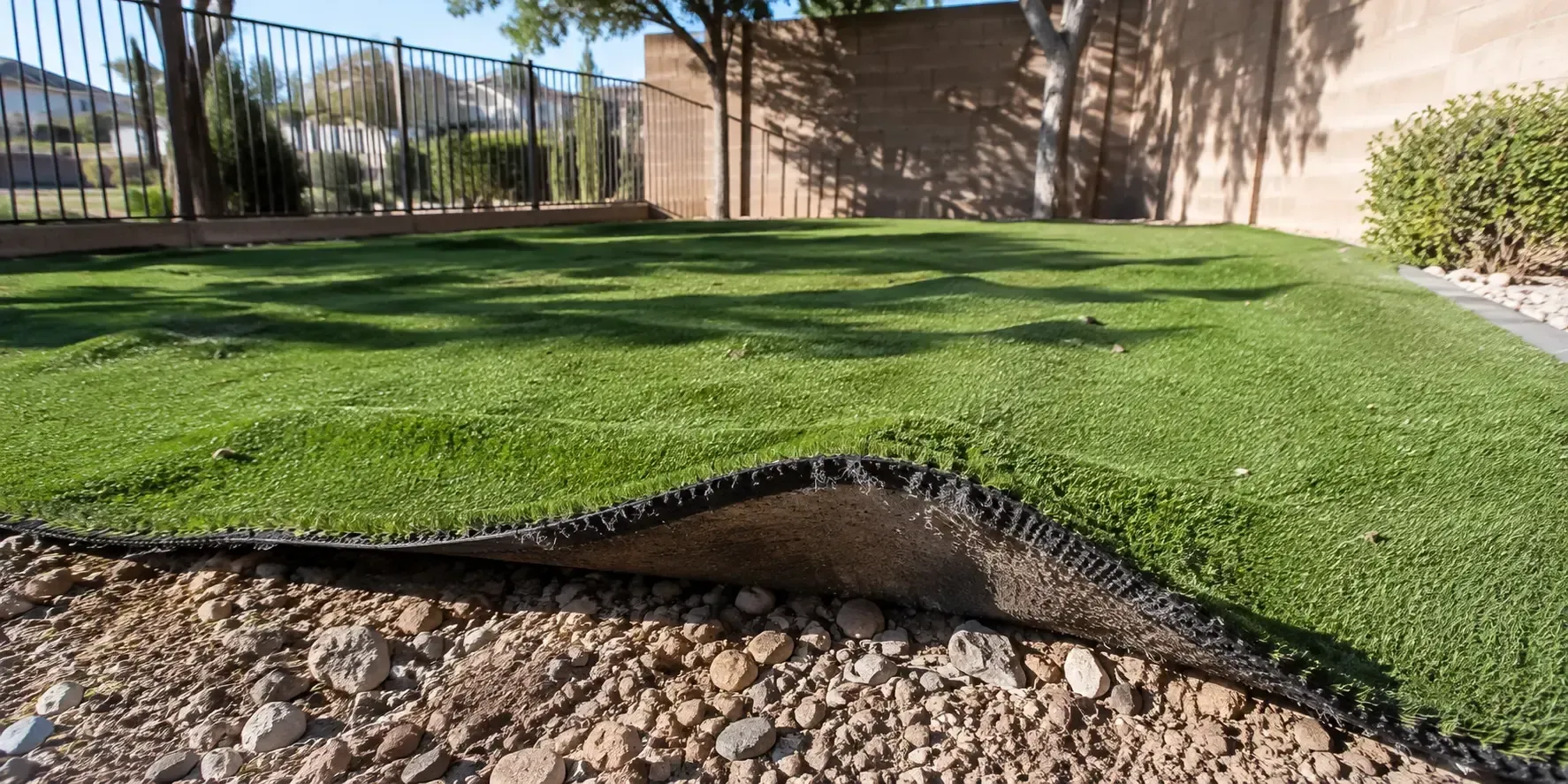
- Base Construction: A stable base is the foundation of any good athletic turf installation. This typically involves laying and compacting layers of aggregate, such as crushed stone, to create a solid and permeable foundation that will prevent settling and ensure proper water drainage.
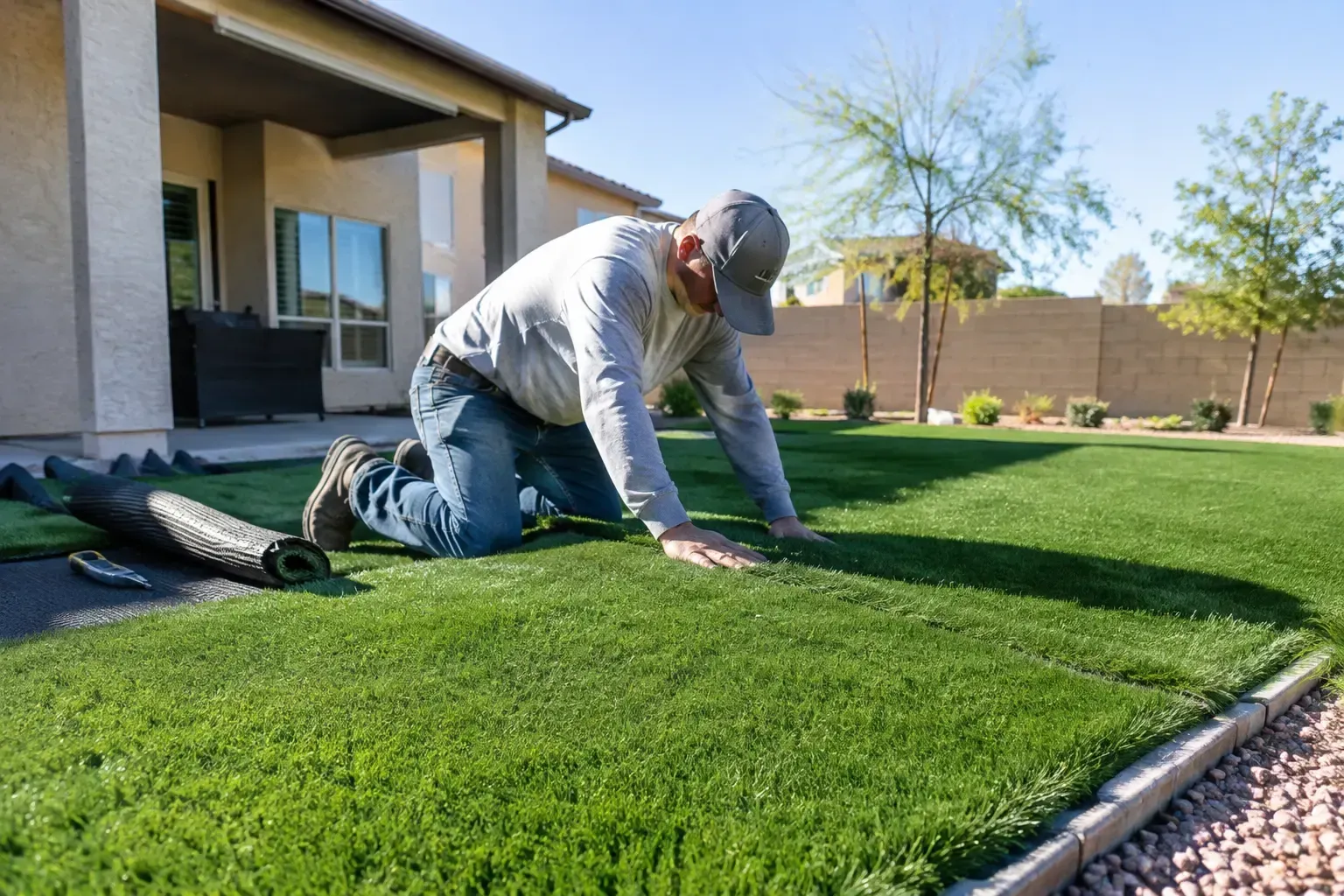
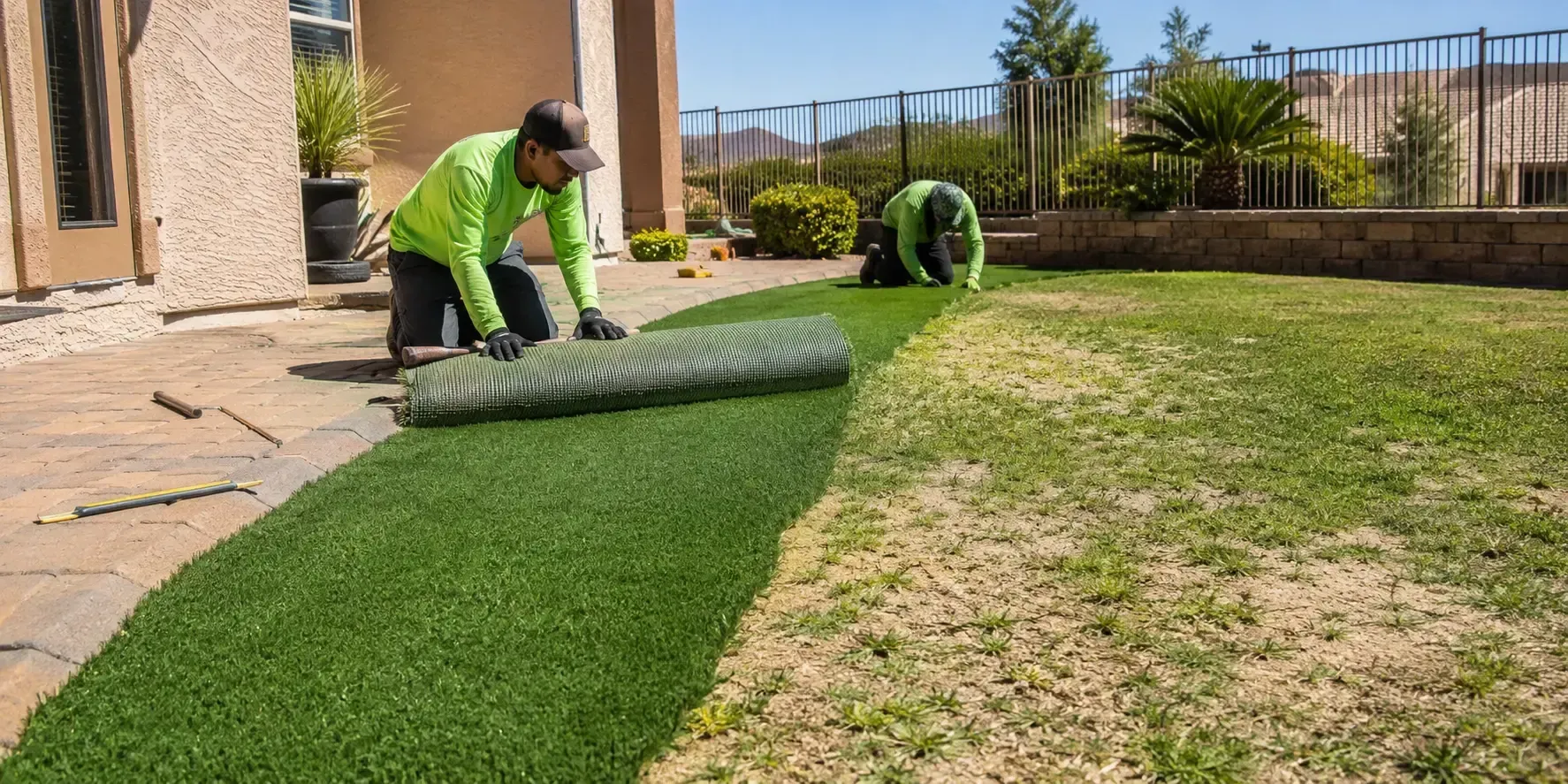
- Laying the Turf: The artificial turf is then carefully rolled out over the prepared base. Seams are expertly joined to create a uniform and seamless playing surface.
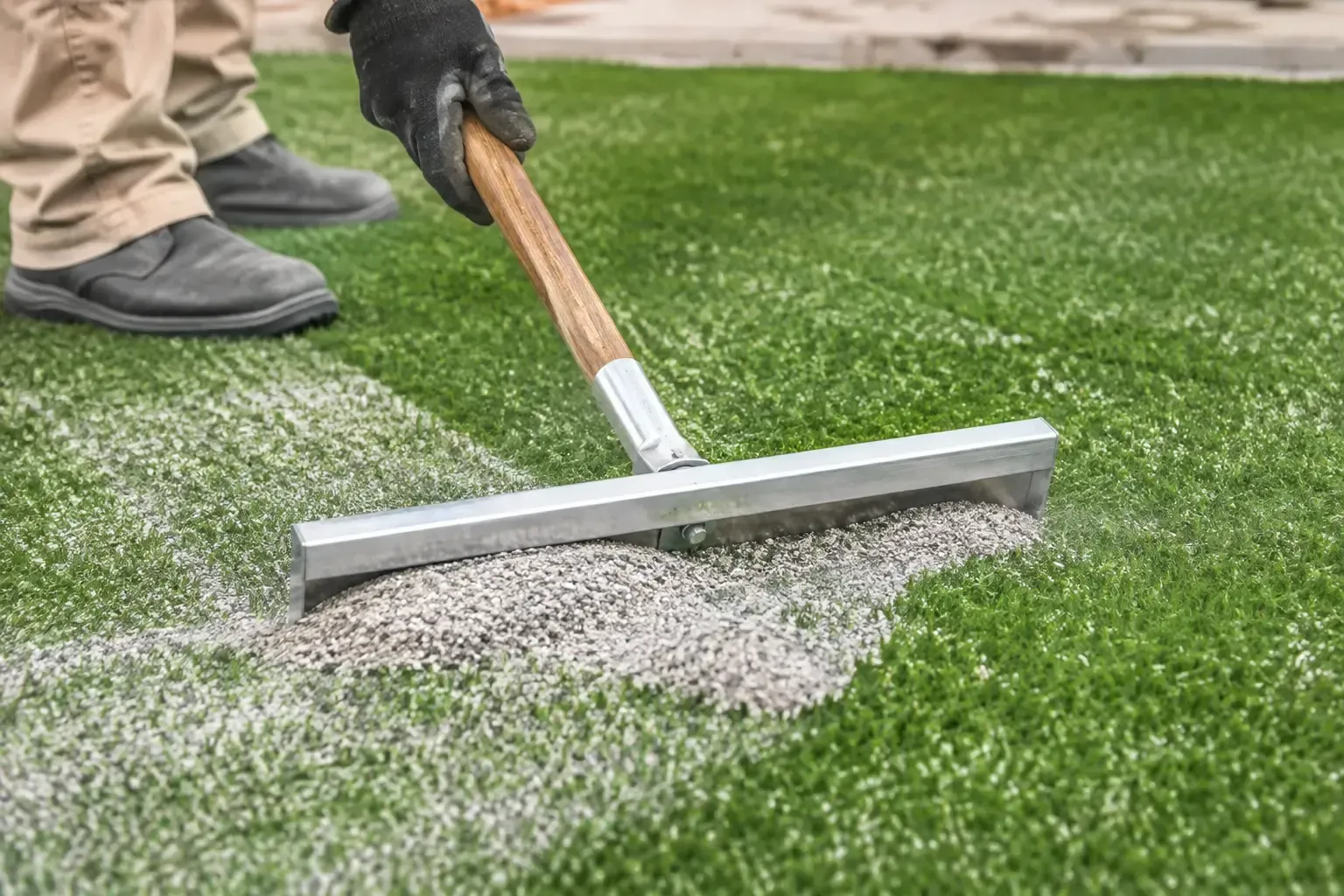
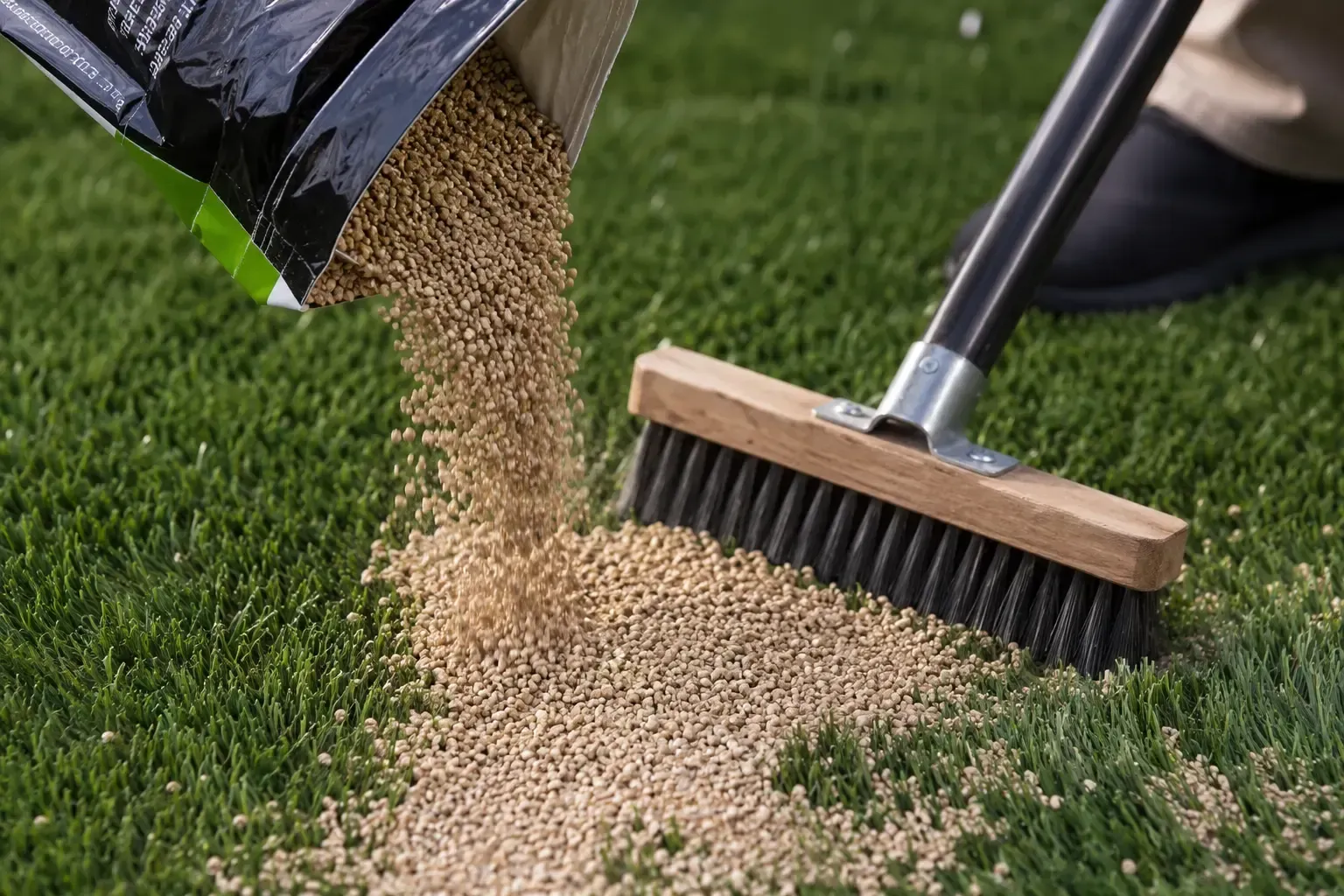
- Infill Application: Infill, which can be made of various materials like sand or rubber, is spread evenly across the turf. This is a vital step that provides stability, shock absorption, and helps the turf fibers stand upright, mimicking the feel of natural grass.
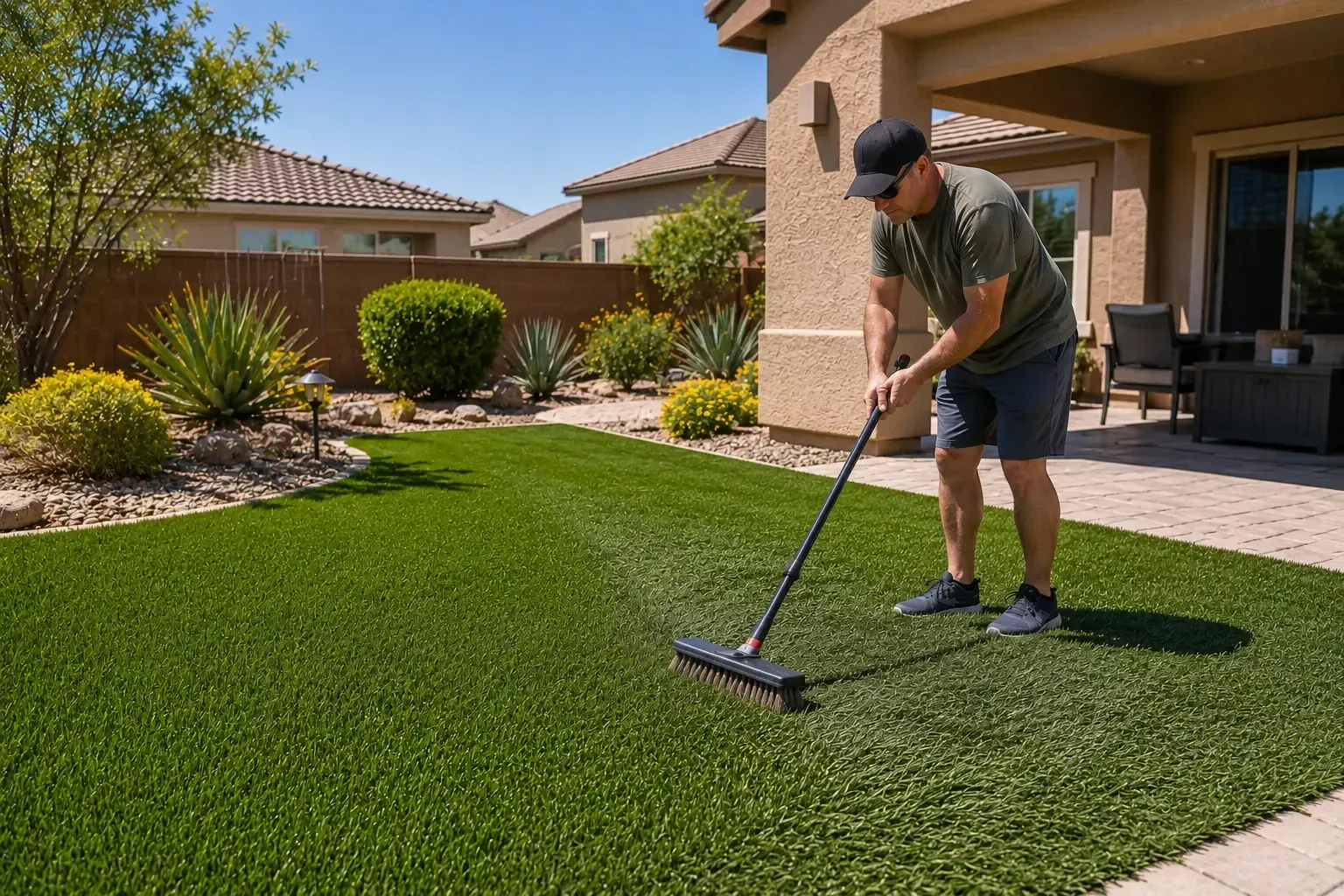
- Final Grooming: The final step involves brushing the turf to ensure the infill is evenly distributed and the fibers are standing correctly, resulting in a pristine and ready-to-use field.
Keeping Your Field in Top Condition: Repair and Maintenance
While artificial sports turf is incredibly durable, it's not entirely maintenance-free. Regular care and timely repairs are essential to maximize its lifespan and ensure player safety. Common maintenance tasks include periodic grooming to redistribute the infill, cleaning to remove debris, and addressing any minor repairs before they become major issues. High-traffic areas, such as goalmouths or batter's boxes, may require more frequent attention and occasional infill replenishment. Should damage occur, such as a tear in the turf or a loose seam, it's crucial to have it addressed by a professional artificial turf company to maintain the integrity and safety of the playing surface.
Prioritizing Safety in Athletic Turf Installation
Player safety is a non-negotiable aspect of any sports facility. Modern artificial turf systems are designed with safety as a top priority. A key factor is the G-Max rating, which measures the shock-absorbing properties of the surface. A proper installation with the correct infill depth and, in some cases, an underlying shock pad, can significantly reduce the risk of impact-related injuries. Reputable organizations like ASTM International provide standards and guidelines for athletic field safety to ensure a secure playing environment. At LFL Henderson Artificial Turf, we are committed to providing top-tier artificial sports turf installation and repair services. Our experienced team understands the nuances of creating a high-performance, safe, and durable athletic field. If you're ready to elevate your sports facility, contact us today at (725) 888-8813 for a consultation.
Frequently Asked Questions
How long does artificial sports turf typically last?
A professionally installed and well-maintained artificial sports turf field can last for 8 to 10 years, and sometimes longer, depending on the level of use and the quality of the materials. Regular maintenance plays a crucial role in extending its lifespan.
What is the G-Max rating and why is it important?
The G-Max rating is a measurement of the shock attenuation of a playing surface. A lower G-Max value indicates better shock absorption, which helps to reduce the risk of head injuries and other impact-related injuries for athletes. It's a critical safety standard for any athletic turf installation.
Can artificial sports turf be used for multiple sports?
Absolutely. One of the key benefits of artificial turf is its versatility. A single field can be lined for multiple sports such as soccer, football, and lacrosse, making it a highly efficient and cost-effective solution for schools and athletic complexes.