How Do You Keep Artificial Turf Cool During Henderson’s Hottest Months?
Key Takeaways and Insights
Maintaining a cool artificial lawn in Henderson requires a blend of smart landscaping choices and simple daily habits. By upgrading to specialized cooling infills and utilizing shade structures, homeowners can drastically lower surface temperatures. Implementing a quick water-misting routine ensures your yard remains safe and comfortable for children and pets all summer long.
- Lightly misting your synthetic grass with water instantly reduces the surface temperature for safe play.
- Specialized cooling infills capture moisture and use evaporative cooling to combat harsh ultraviolet rays.
- Routine brushing prevents matted blades, improving airflow and reducing trapped heat against the turf backing.
Henderson summers bring intense, relentless heat. July and August routinely push temperatures well above 100 degrees. Homeowners across Nevada love synthetic lawns for their incredible water savings and low upkeep. However, the surface of these lawns can get quite warm under direct afternoon sunlight.
You do not have to abandon your yard during the peak of summer. You can take highly actionable steps to drastically lower the surface temperature of your grass. Proper planning and simple daily habits keep your outdoor living spaces comfortable. This guide covers the best methods for cooling your lawn. You will learn about specialized infills, shade structures, and smart watering techniques tailored for the Nevada climate.
Understanding Why Synthetic Grass Absorbs Heat
Natural grass stays cool because it contains water. It undergoes a biological process called transpiration. Natural blades release microscopic water vapor into the air. This constant release of moisture naturally cools the surrounding environment.
Synthetic grass does not possess this natural biological mechanism. The blades are manufactured from advanced polyethylene and polypropylene plastics. These high-quality materials are exceptionally durable and resistant to foot traffic. Unfortunately, plastic naturally absorbs and retains thermal energy from the sun. Darker green colors also attract more sunlight. When ultraviolet rays bake the surface for several hours, the synthetic fibers hold onto that heat. The ground beneath the grass can also trap warm air. Without intervention, a synthetic lawn in direct Henderson sunlight will feel significantly hotter than the surrounding ambient air temperature.
The Role of Professional Artificial Turf Services in Temperature Control
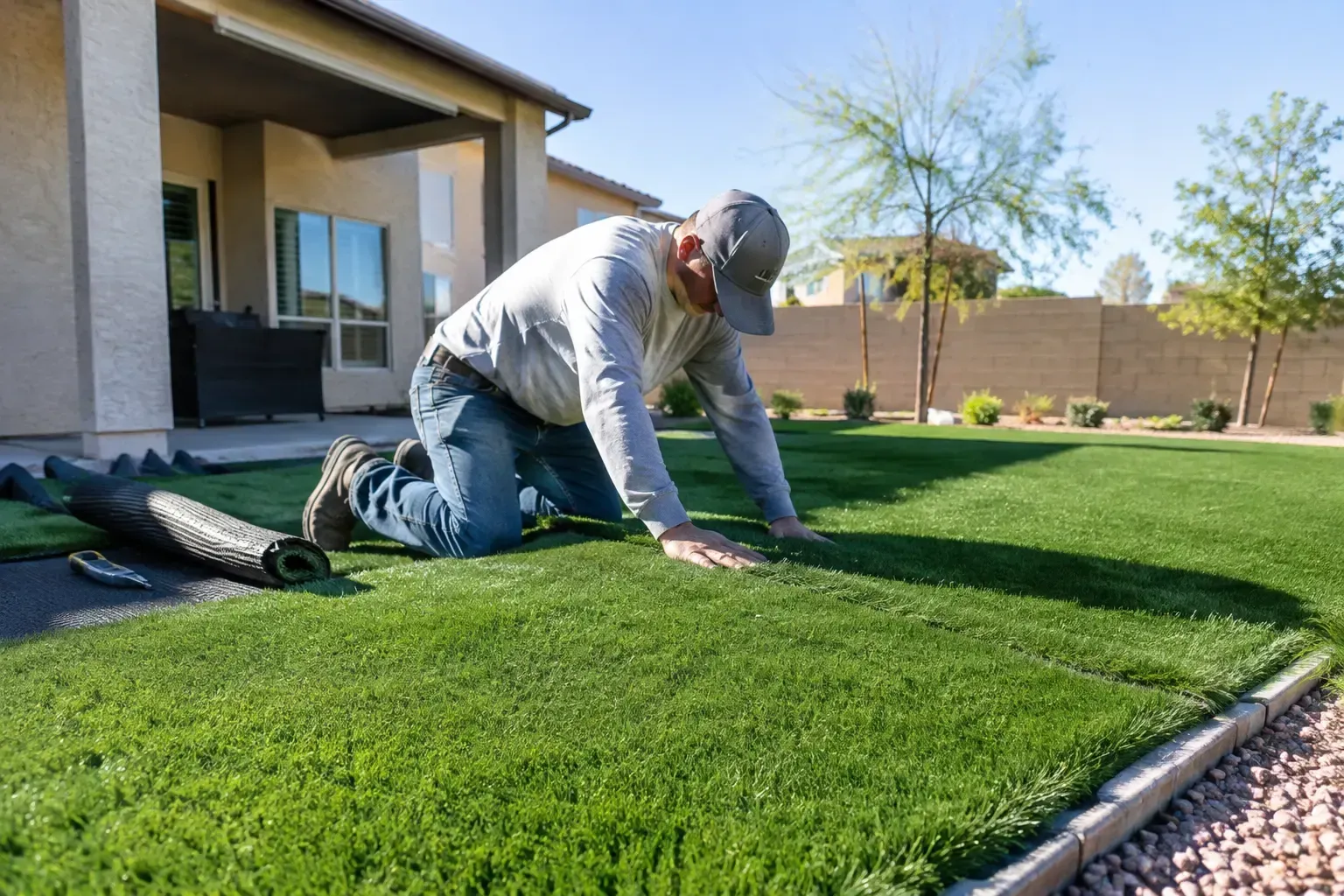
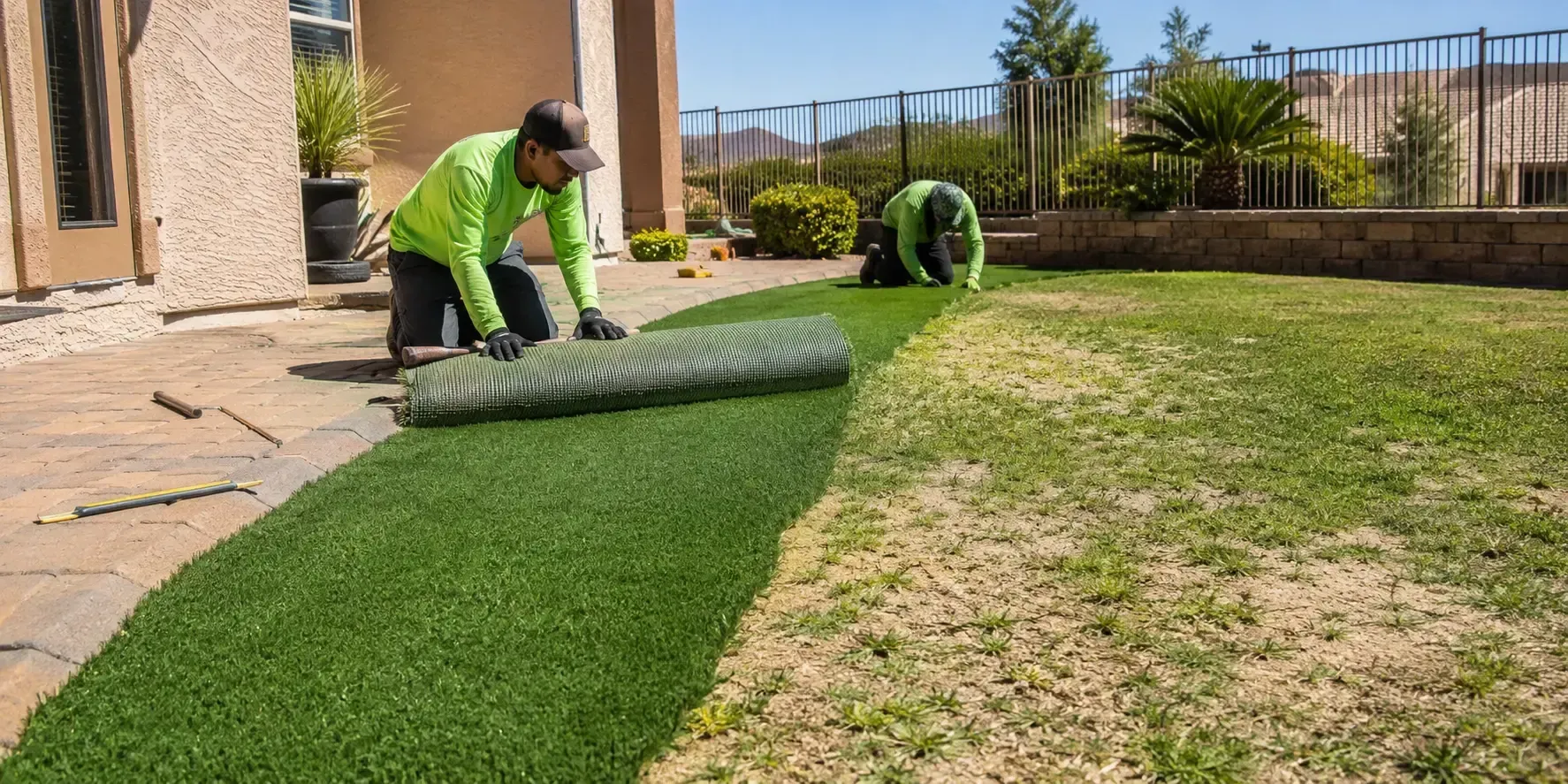
Controlling the temperature of your yard starts before the grass is even laid down. The way your lawn is installed plays a massive role in its heat retention. This is why utilizing expert Artificial Turf Services is highly recommended for Henderson residents.
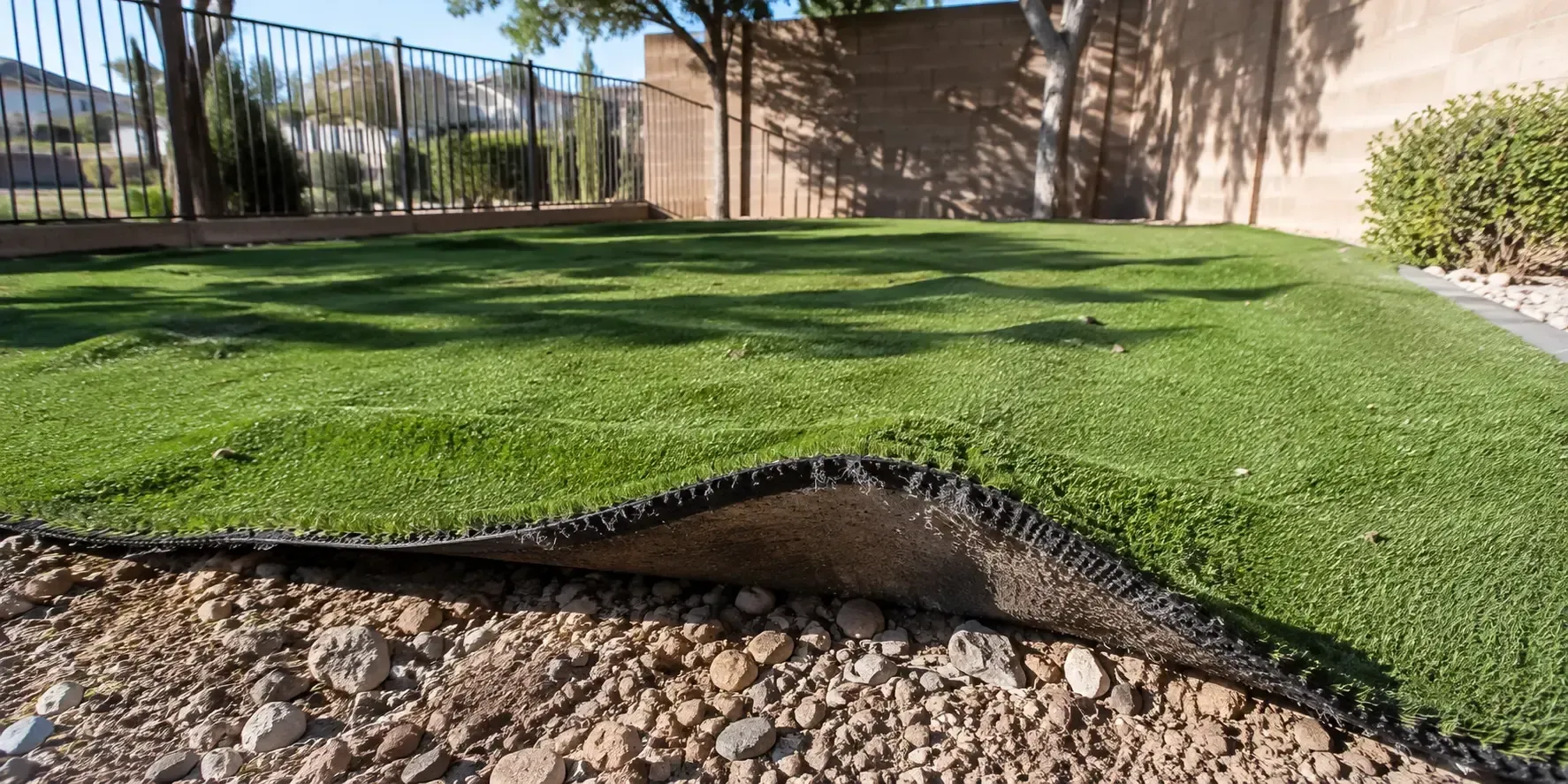
Professionals know exactly how to prep the ground for maximum airflow and drainage. Proper drainage layers allow water to move quickly through the backing of the turf. When you rinse your lawn to cool it down, the water needs a place to go. If the base layer is compacted poorly, the water pools and heats up.
Furthermore, expert installers help you select the appropriate blade shapes. Certain blade designs dissipate heat much better than others. W-shaped, U-shaped, and hollow blade designs allow air to circulate more freely. Flat blades tend to lay flat and trap heat against the backing. By partnering with Henderson Artificial Turf, you ensure your yard is built using materials specifically designed for the harsh Nevada desert climate.
Selecting a Specialized Cooling Infill
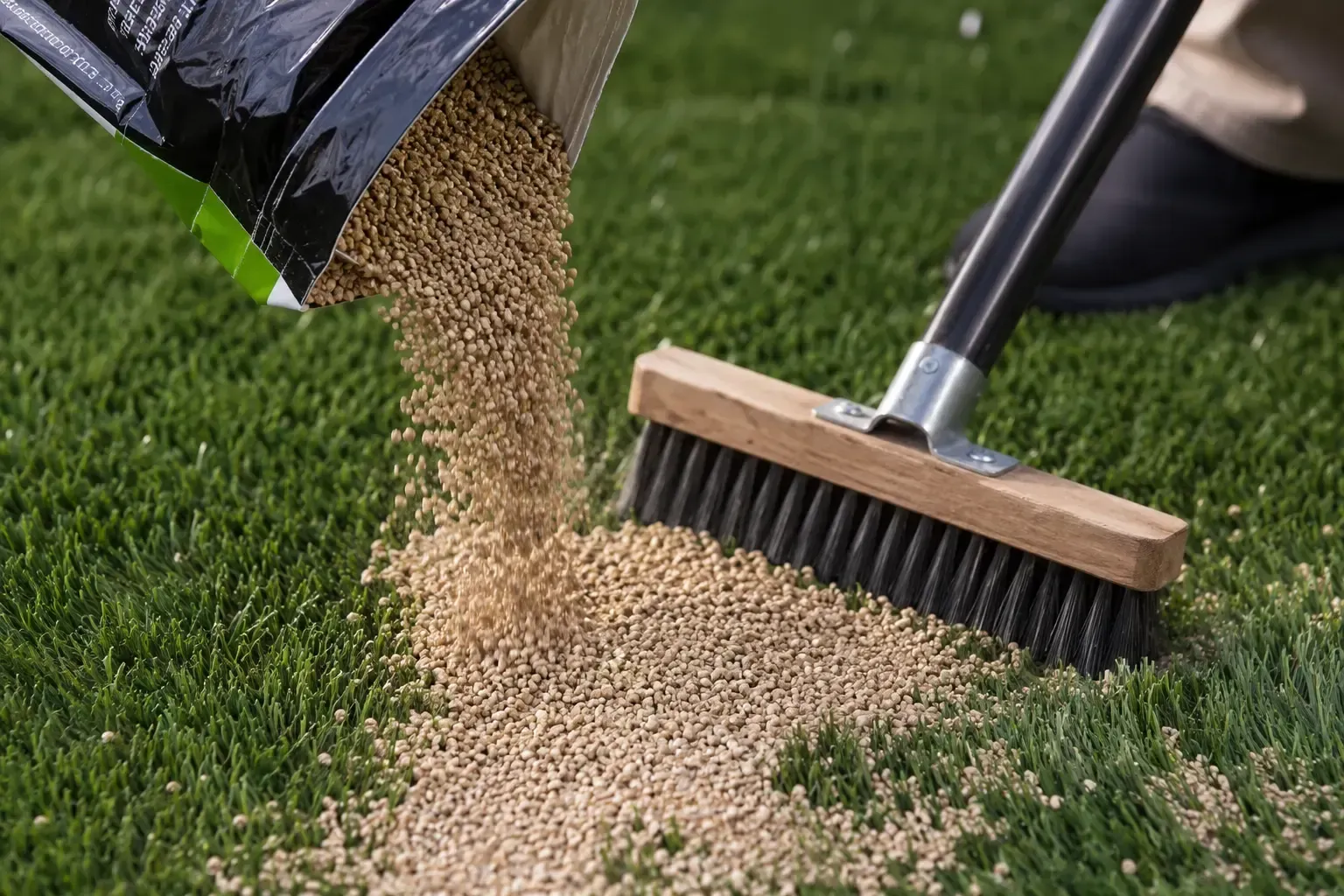
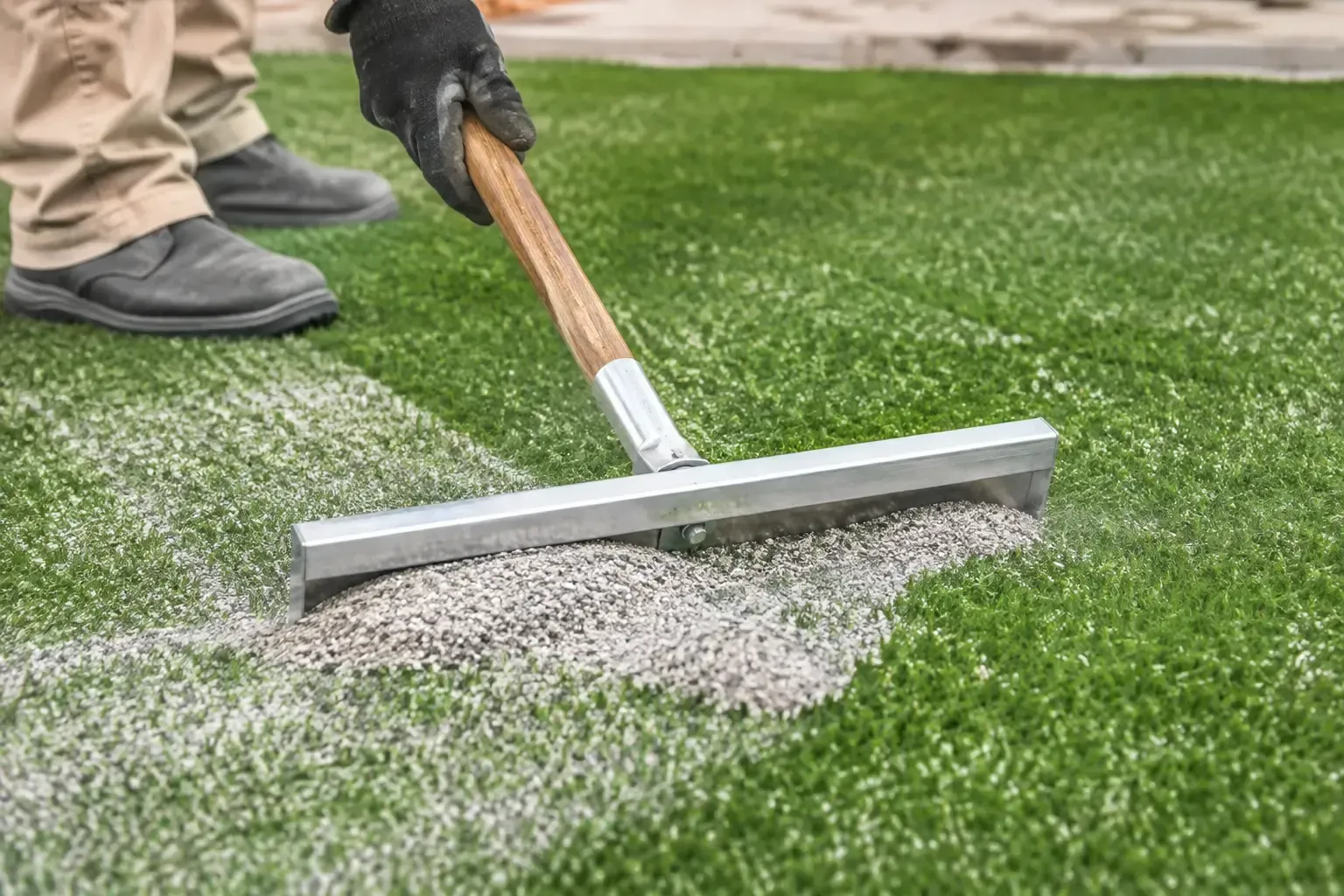
Infill is the material spread between the synthetic blades to keep them standing upright. It also adds weight to the installation so the grass does not wrinkle or shift. Standard black crumb rubber infill is notorious for getting extremely hot. It absorbs solar radiation rapidly.
Upgrading your infill is one of the most effective cooling strategies available. Modern cooling infills use highly porous materials that trap water at a microscopic level. Some popular options are made from coated silica sand or specialized ceramic materials. When you lightly water the grass, these infill granules absorb the moisture. As the sun beats down on the yard, the trapped water slowly evaporates. This evaporative process mimics the natural transpiration of real grass. It can lower the surface temperature by up to 50 degrees.
Daily and Weekly Cooling Strategies for Your Yard
You can implement simple routines to keep your lawn comfortable throughout the summer. These methods require very little effort but deliver immediate results.
The fastest way to cool your synthetic lawn is by rinsing it with a garden hose. You do not need to soak the ground. A rapid, light mist across the surface is completely sufficient. The water absorbs the heat from the plastic blades instantly. The temperature drops the moment the water touches the grass.
Timing is everything when using water to cool your yard. Rinsing the grass in the middle of the day provides temporary relief. The best approach is to mist the lawn about ten minutes before you plan to use it. If you want to host a backyard barbecue at sunset, give the grass a quick spray right as your guests arrive. This provides a cool, comfortable surface for the duration of your event.
Installing Automated Sprinkler Systems
Many homeowners who convert from natural grass to synthetic lawns cap their old sprinkler heads. However, keeping a few sprinkler zones active is actually a brilliant idea. You can run your irrigation system for just two minutes to achieve the same misting effect. This eliminates the need to manually drag a garden hose across the yard. A short burst of water from a sprinkler system is incredibly efficient. It uses only a fraction of the water required to sustain a live lawn.
Comparing Effective Turf Cooling Methods
Different cooling methods require varying levels of investment and effort. The table below outlines the most common strategies used by Nevada homeowners.
| Cooling Method | Initial Setup Cost | Maintenance Effort | Heat Reduction Effectiveness |
|---|---|---|---|
| Water Misting (Hose) | Very Low | Medium (Manual) | High (Immediate but temporary) |
| Cooling Infill Upgrade | Medium to High | Very Low | Very High (Long-term active cooling) |
| Shade Sails & Awnings | Medium | Low | Very High (Blocks direct UV rays) |
| Planting Native Trees | Low to Medium | Medium (Pruning) | Medium to High (Grows over time) |
Creating Natural and Artificial Shade
Blocking direct sunlight is undeniably the best way to prevent heat absorption. If the sun cannot hit the plastic blades, the grass cannot absorb the thermal energy. Creating shade is a practical and aesthetically pleasing solution for any Henderson backyard.
Utilizing Shade Sails and Pergolas
Shade sails are incredibly popular in modern landscaping. These heavy-duty fabric triangles stretch across different anchor points. They block a significant amount of ultraviolet light while still allowing wind to pass through. You can install them directly over high-traffic areas like patios or outdoor play zones.
Pergolas offer a more permanent architectural solution. A wooden or aluminum pergola provides excellent partial shade. You can weave outdoor fabric through the rafters of the pergola for maximum sun protection. Covering the areas where you spend the most time ensures your artificial lawn remains cool to the touch all day long.
Planting Desert-Friendly Trees
Natural shade is another fantastic option. Planting native Nevada trees helps cast large shadows across your yard. Trees like the Chilean Mesquite or the Desert Museum Palo Verde grow large canopies quickly. They require very little water once established. The shadows they cast move across your lawn as the sun sets. This prevents any single patch of grass from baking in direct sunlight for too long.
Protecting Pets and Children from Warm Surfaces
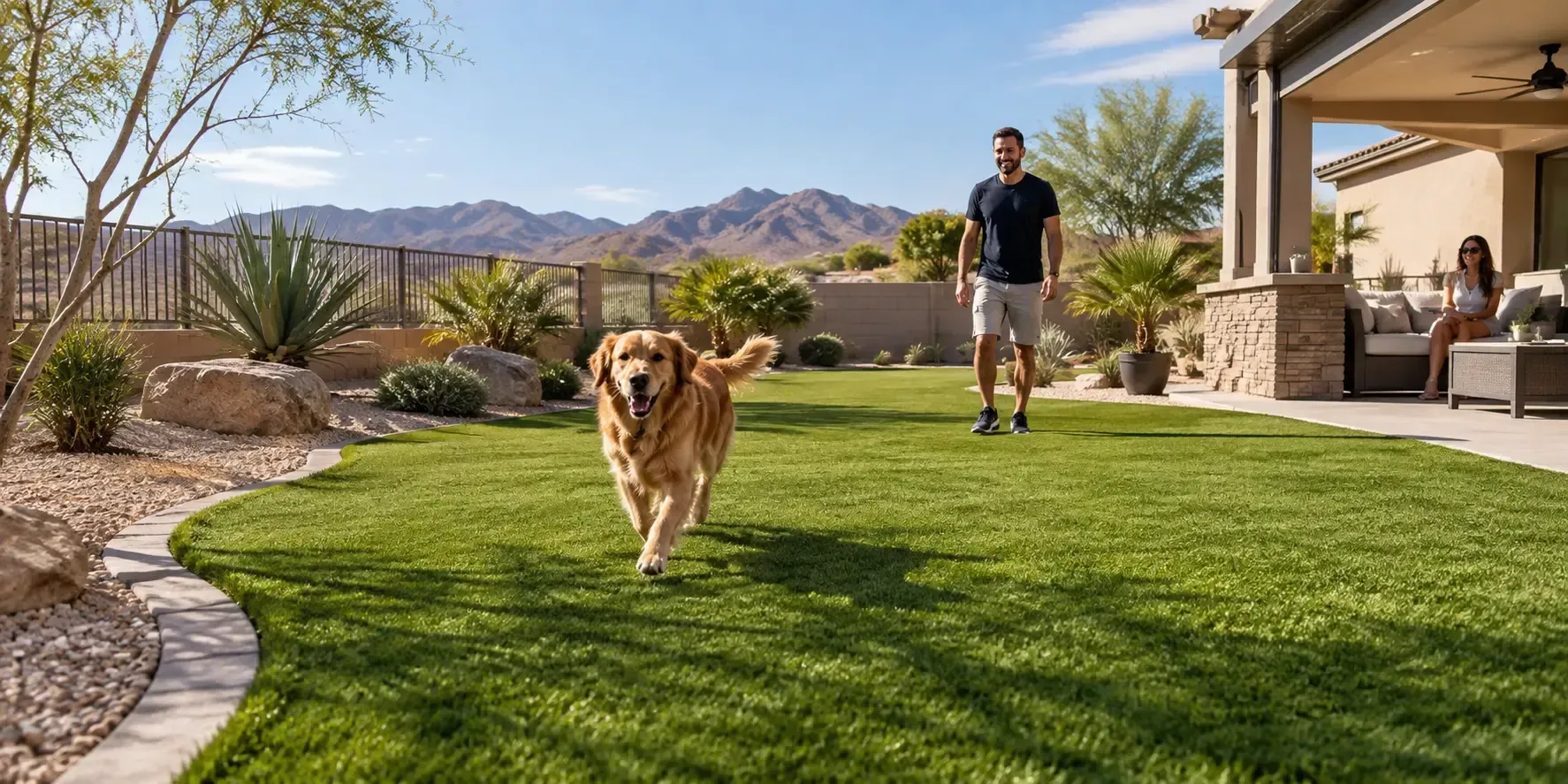
Safety is always the primary concern for families. Children and pets are highly sensitive to hot surfaces. Paws and bare feet can suffer burns if the grass is neglected during peak afternoon hours.
You should always test the temperature of your lawn manually. Place the back of your bare hand directly against the synthetic blades. Keep your hand there for ten seconds. If it feels uncomfortably hot to your skin, it is definitely too hot for your dog's paws.
Smart Scheduling for Outdoor Play
The easiest way to protect your loved ones is by adjusting your outdoor schedule. Avoid letting children or dogs play on unshaded synthetic grass between noon and late afternoon. The early morning hours are perfect for outdoor exercise. The grass has had the entire night to cool down.
Evening hours are also highly recommended. Once the sun dips behind the Spring Mountains, the ambient temperature drops. A quick evening rinse with the hose will eliminate any residual heat left over from the day.
Routine Maintenance for a Cooler Yard
Proper maintenance keeps your yard looking beautiful and functioning correctly. Over time, heavy foot traffic causes synthetic blades to bend and flatten. Matted grass traps heat against the surface of the ground. It prevents air from circulating between the individual fibers.
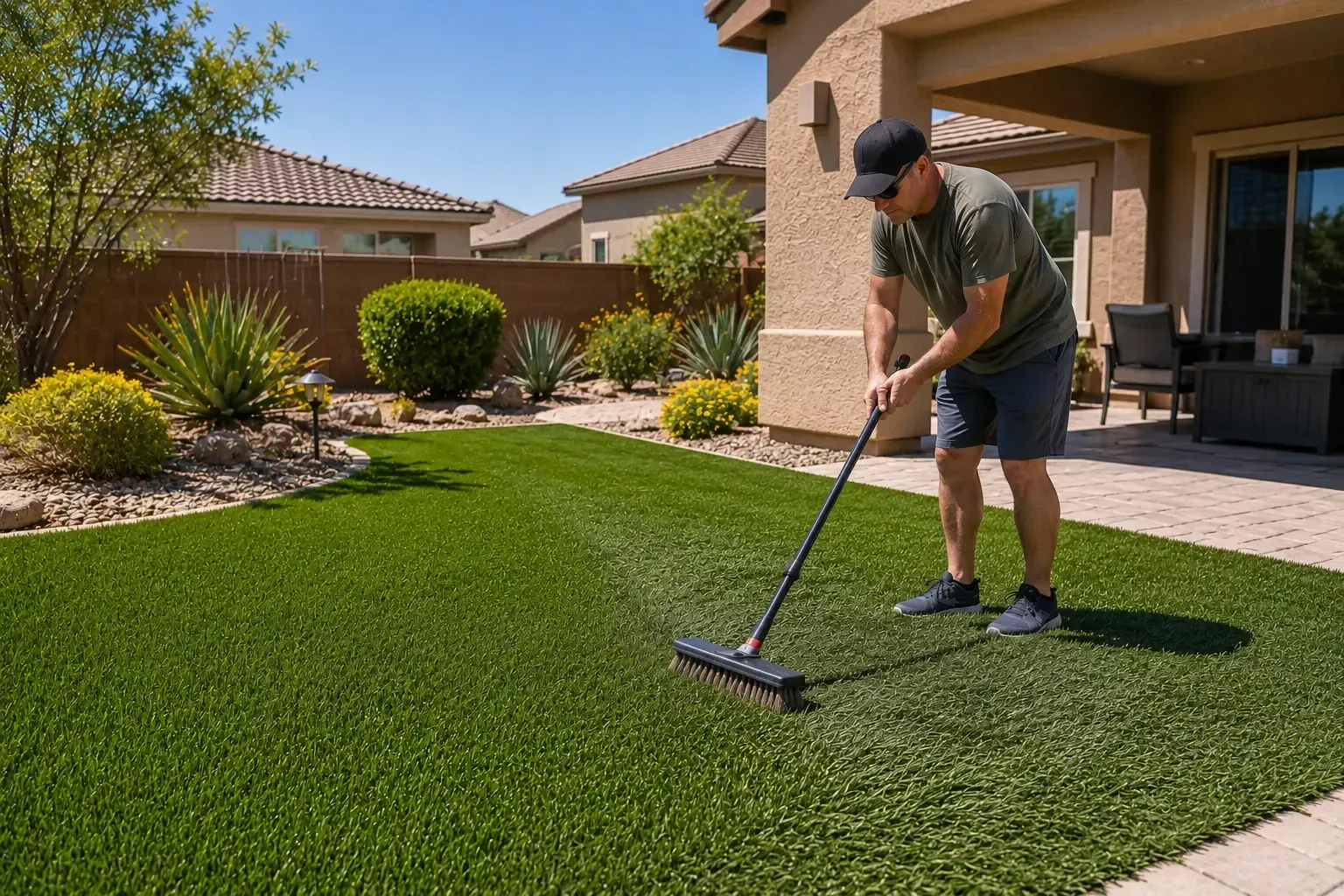
You need to brush your lawn regularly to keep the blades standing tall. You can use a stiff-bristled push broom designed for synthetic materials. Never use a metal rake, as this will tear the plastic fibers. Brush the grass against the natural grain. This forces the blades to stand upright. Upright blades cast microscopic shadows on one another. This tiny amount of shade actually helps reduce the overall surface temperature.
If you prefer not to handle this labor yourself, you can easily schedule professional turf maintenance. Experts possess specialized power brooms that fluff the grass perfectly. They also remove trapped debris and apply specialized deodorizers that keep your yard fresh.
Long-Term Benefits of Proper Heat Management
Managing the temperature of your yard protects your investment. Extreme heat and constant ultraviolet radiation can degrade cheap plastics over time. By keeping the surface temperature regulated, you extend the lifespan of your lawn. Proper shade and specialized infills prevent the blades from becoming brittle.
Your backyard should serve as a private oasis. A warm climate should not prevent you from enjoying your property. By implementing smart watering habits and investing in shade structures, your lawn will remain a comfortable gathering space. The minimal water used for cooling is still drastically less than the thousands of gallons required to keep natural grass alive in Nevada.
If you need assistance upgrading your current lawn with cooling infill, our team is ready to help. You can easily contact our local team to discuss your specific landscaping needs. We provide tailored solutions designed explicitly for the extreme temperatures found in our region.
Frequently Asked Questions
Can the extreme Henderson summer heat melt my synthetic grass?
High-quality synthetic grass is manufactured to withstand extreme temperatures. Ambient weather and direct sunlight will not melt your lawn. The melting point of standard turf is typically above 175 degrees. However, highly reflective surfaces like energy-efficient windows can magnify sunlight. This concentrated reflection can cause localized melting.
How often should I water my artificial lawn to cool it down?
You only need to water your lawn when you intend to use it. There is no biological need to water synthetic grass on a daily schedule. A quick two-minute misting with a hose right before kids or pets go outside is highly effective and completely sufficient.
Does the specific color of the artificial grass affect its surface temperature?
Yes, the color plays a minor role in heat retention. Darker shades of green absorb more solar radiation than lighter shades. When selecting new turf, choosing a lighter olive or field green can slightly reduce the surface temperature compared to a deep emerald green.