Why Is My Artificial Turf Smelling Bad? Easy Solutions for Henderson Pet Owners
Key Takeaways and Insights
Foul odors in artificial grass are primarily caused by crystallized uric acid from pet waste trapped in standard sand infill. The intense Henderson heat bakes these crystals, releasing strong ammonia smells that can ruin your outdoor experience. Homeowners can permanently eliminate these odors by upgrading to Zeolite infill, installing fully permeable turf backing, and using enzyme-based cleaners to dissolve the acid completely.
* Standard silica sand absorbs dog urine and traps smells; Zeolite infill captures and neutralizes ammonia gases.
* Enzymatic cleaners are required to safely consume dried uric acid crystals that basic water rinsing leaves behind.
* Professional turf installations prevent odors by ensuring proper sub-base drainage and using fully permeable backing materials.
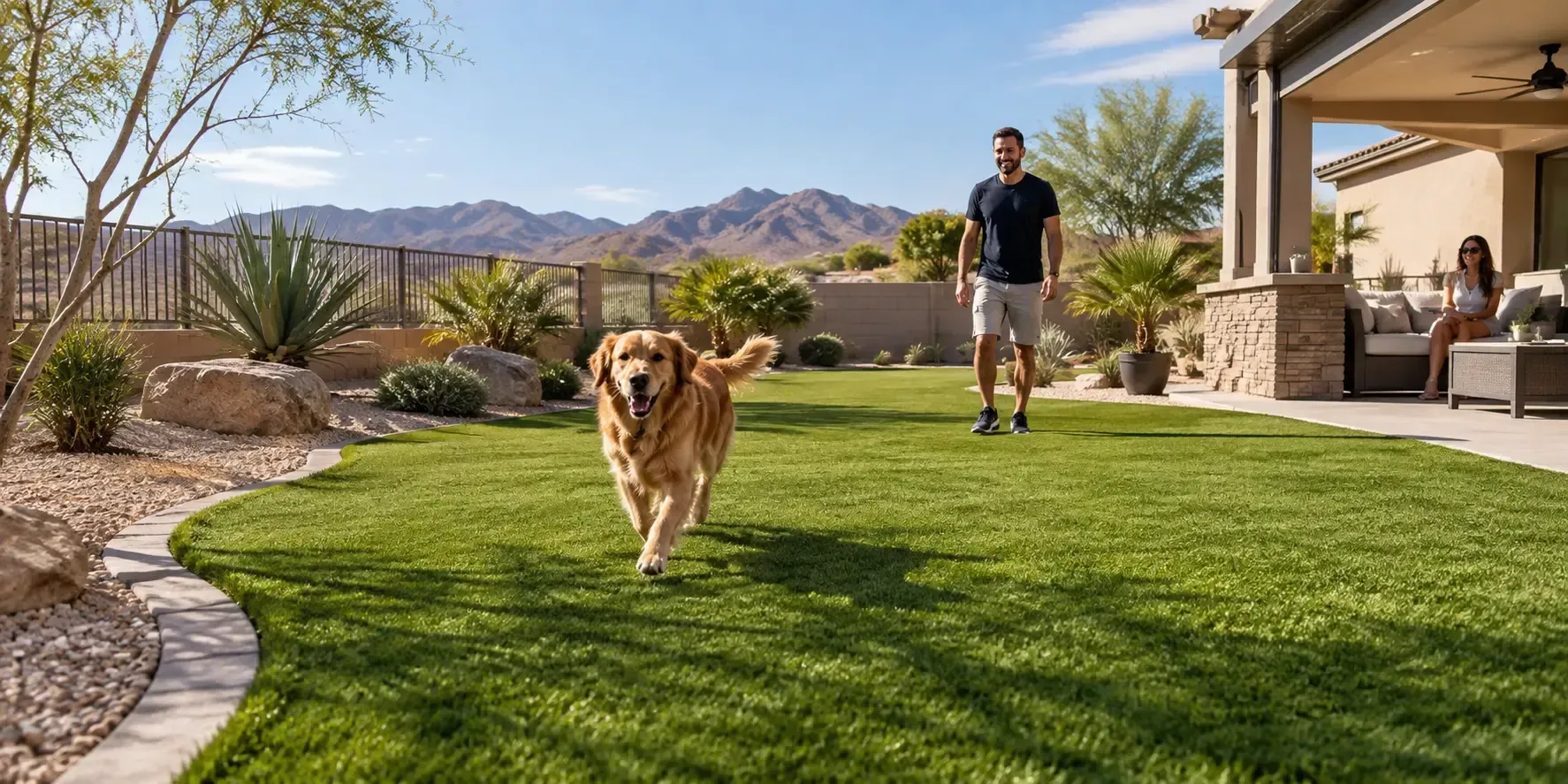
Henderson homeowners know the massive benefits of synthetic grass. It lowers expensive water bills and requires very little maintenance. You get a perfect green yard all year round. Many local families choose this landscaping specifically for their dogs. It keeps mud out of the house. It also stops pets from digging holes.
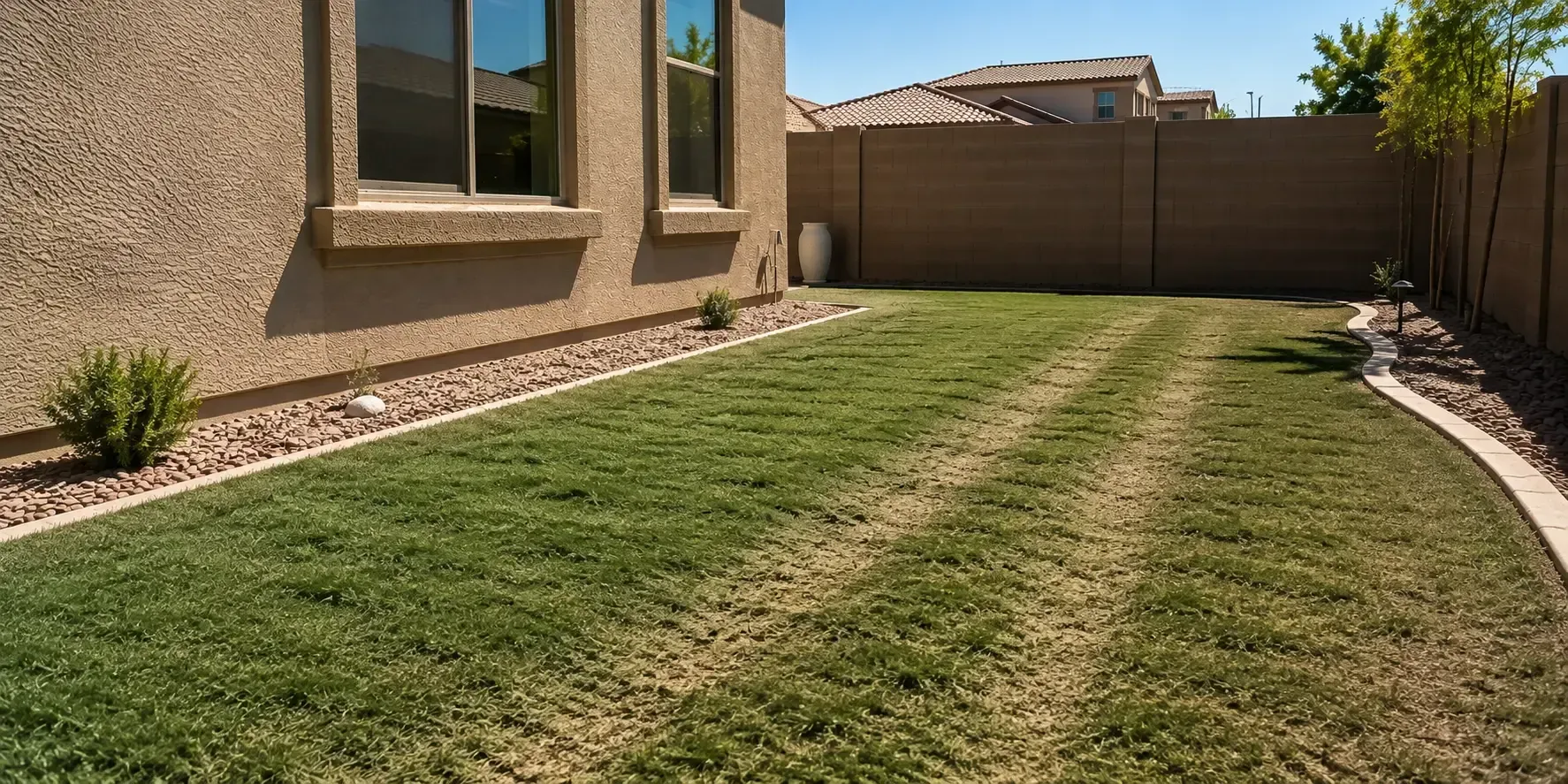
However, many dog owners eventually run into a frustrating problem. The yard begins to smell like urine. This problem becomes much worse during the hot Nevada summers. The intense desert sun bakes the synthetic fibers. The smell can make it hard to enjoy your backyard.
You do not have to live with this terrible odor. Fixing the problem is actually very straightforward. You just need to understand why the smell happens. Once you know the cause, you can apply simple solutions. We will walk you through everything you need to know. You can restore a fresh and clean scent to your yard.
The Science Behind Pet Odors on Synthetic Grass
Dog urine is full of a chemical compound called uric acid. When a dog pees on natural grass, soil organisms break this acid down. The earth naturally absorbs the waste over time. Synthetic materials do not have natural soil bacteria.
When a dog urinates on a synthetic lawn, the liquid drains through the backing. However, the uric acid crystals remain trapped. These crystals stick to the grass blades. They also get stuck in the infill material below the surface.
These trapped crystals are completely invisible to the naked eye. When the crystals are dry, they might not smell very strong. The problem starts when moisture or heat hits them. The morning dew can reactivate the crystals. High afternoon temperatures also cause the crystals to release strong ammonia gases.
The hot climate in Henderson accelerates this chemical reaction. Temperatures regularly rise above one hundred degrees. This extreme heat turns trapped uric acid into a highly concentrated gas. This is why the smell suddenly becomes unbearable on a sunny afternoon.
Common Causes of Smelly Yards in Henderson
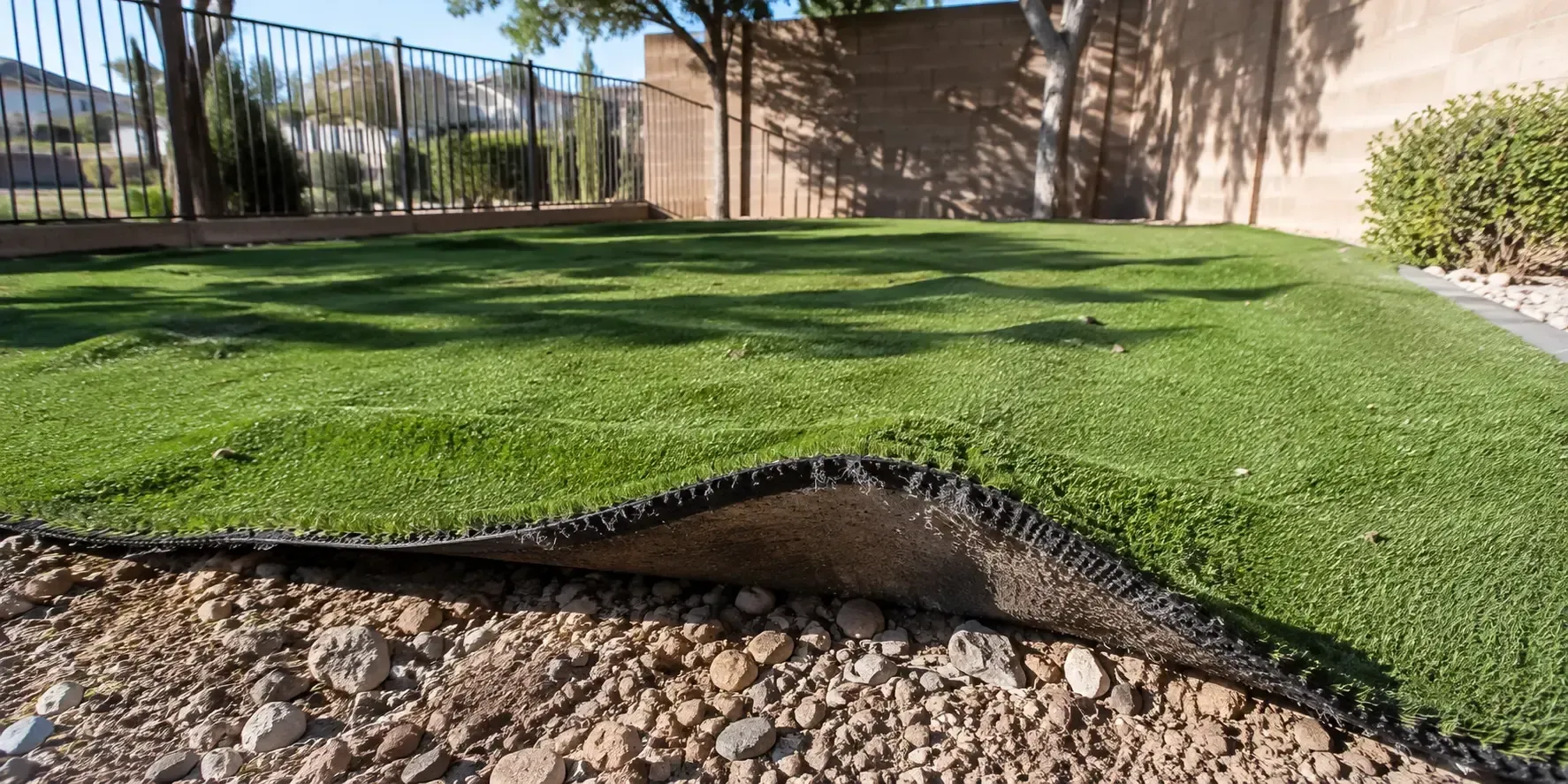
Not all synthetic lawns develop terrible odors. Certain factors make the problem much more likely. Poor installation methods are often the biggest culprit. If the base layer lacks proper drainage, urine will pool underneath the surface. The liquid never washes away properly.
Another major cause is the type of infill used. Infill is the material spread between the grass blades. It keeps the blades standing up straight. Many older installations use basic silica sand as infill. Silica sand is highly porous. It acts like a sponge for liquid waste. It absorbs dog urine and traps the uric acid permanently.
A lack of routine maintenance is the final common cause. Many homeowners believe synthetic lawns require zero upkeep. This is a myth. Synthetic yards need regular cleaning, especially if you have pets. Without routine rinsing, the organic waste simply builds up week after week.
Expert Artificial Turf Services to Eliminate Odors
Sometimes DIY methods are not enough to fix years of built-up pet waste. This is when you need professional help. Booking expert Artificial Turf Services is the fastest way to solve severe odor problems. Professionals have specialized tools that homeowners lack. They can fully extract the deeply trapped uric acid.
Professional Deep Cleaning
A professional deep cleaning service attacks the root of the problem. Technicians use high-powered equipment to wash the synthetic fibers. They apply commercial-grade enzyme treatments. These enzymes are much stronger than standard store-bought cleaners. The enzymes physically digest the uric acid crystals.
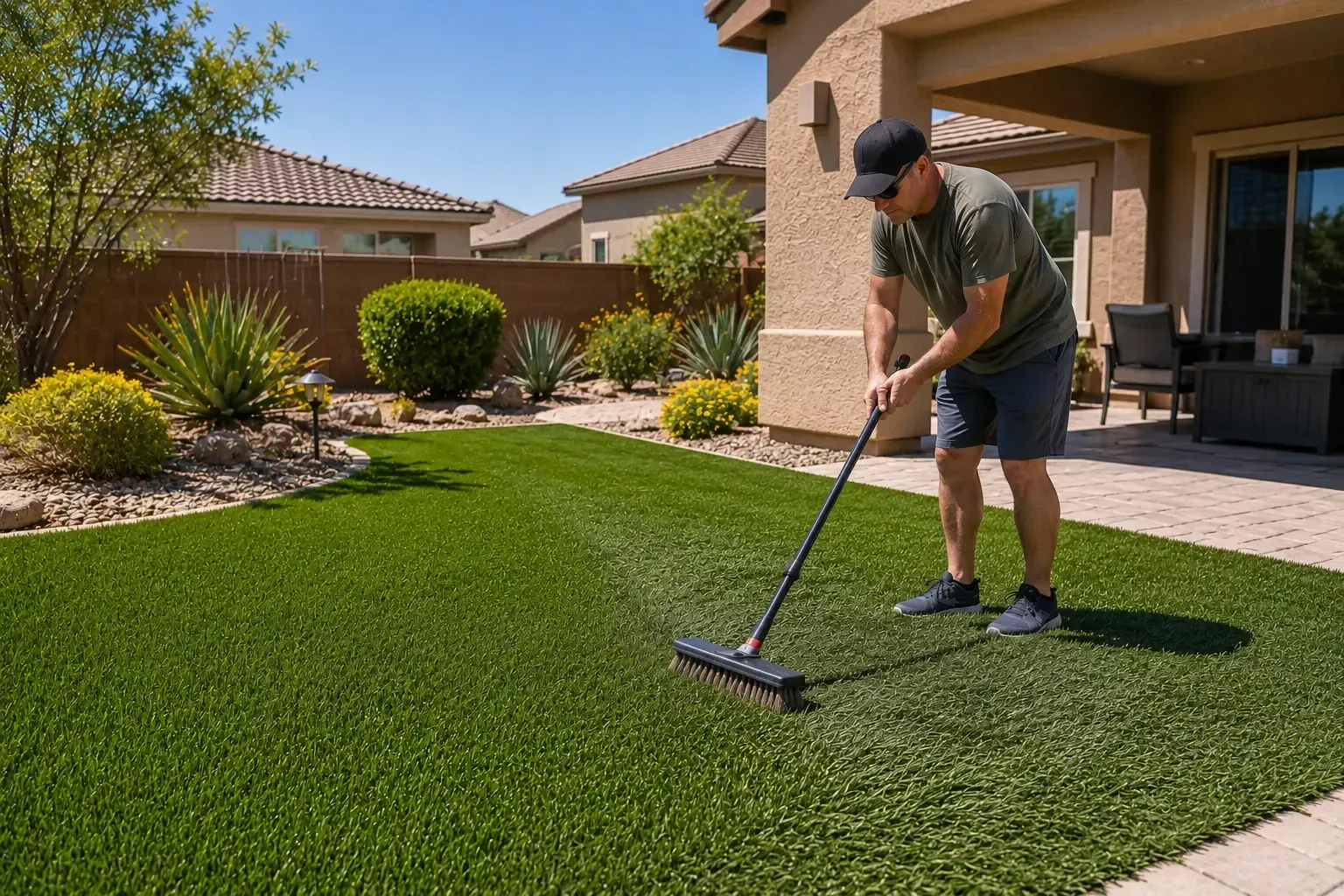
The technicians also use specialized power brooms. These brooms lift the matted grass blades. Lifting the blades allows the cleaning solutions to reach the bottom layers. This thorough process leaves the entire yard smelling completely fresh.
Infill Extraction and Replacement
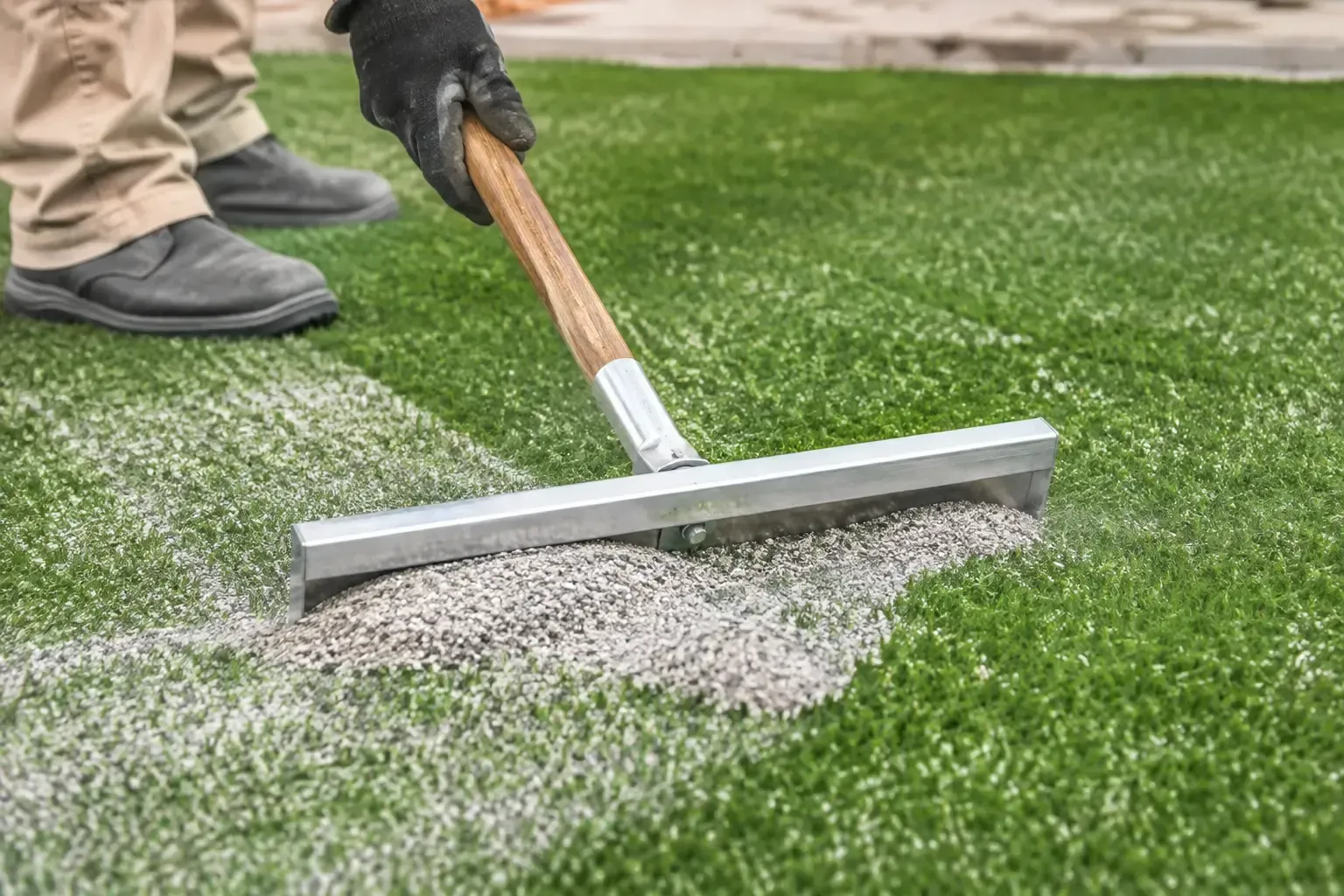
Sometimes the existing infill is completely ruined by urine. No amount of cleaning will save it. In these extreme cases, experts will extract the old sand. They will vacuum out all the contaminated materials.
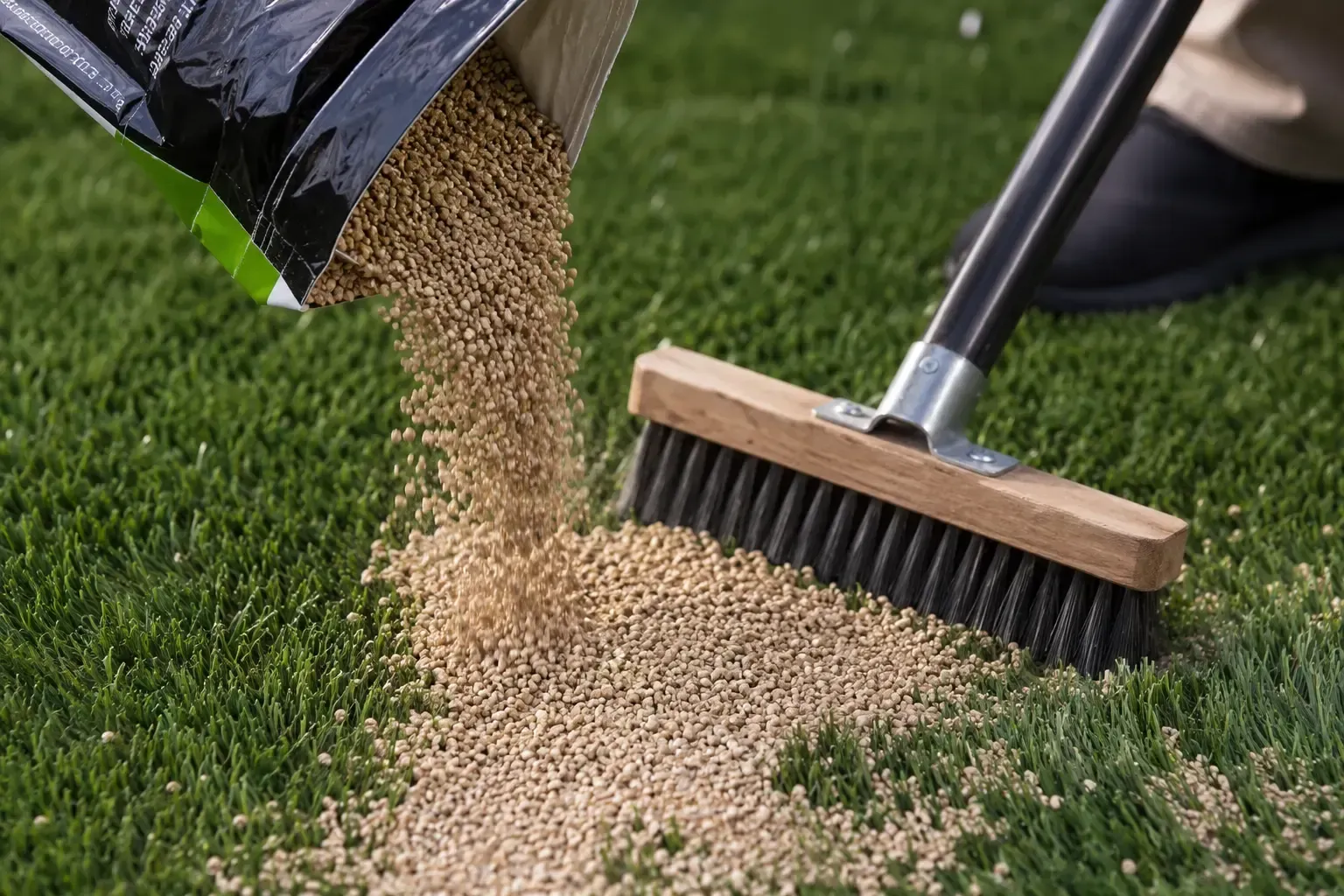
Professionals will then replace the old sand with a specialized pet infill. Zeolite is the most popular choice for dog owners. Zeolite is a natural volcanic ash material. It traps ammonia gases before they can release into the air. It actually neutralizes the smell upon contact.
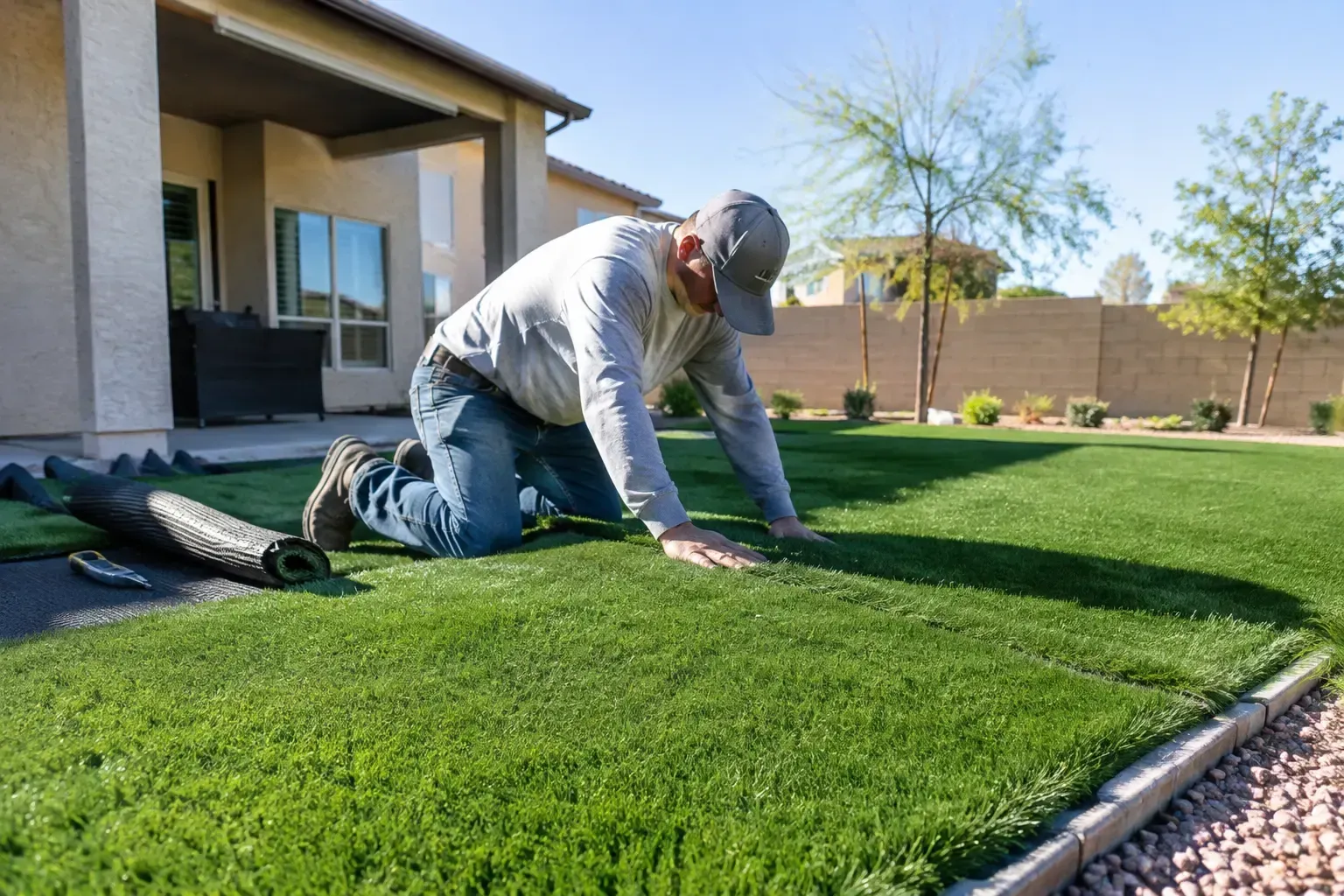
If you want a fresh start, upgrading your lawn is a great option. You can browse our high-quality residential artificial turf to find highly durable, pet-friendly products. We install advanced systems designed specifically for optimal drainage.
Daily Maintenance Habits for Dog Owners
You can keep your yard smelling great with a few simple habits. A consistent maintenance routine is the secret to a clean lawn. You only need to spend a few minutes each week.
Choosing the Right Cleaners
You must avoid harsh chemicals like bleach. Bleach will ruin the color of your grass. It can also break down the protective UV coating on the blades. Instead, you need to use an enzyme-based cleaner.
Enzyme cleaners are completely safe for pets and children. They contain healthy bacteria that eat uric acid. You should buy a cleaner that attaches directly to your garden hose. This makes application incredibly fast. You just spray the yard down once a week. Let the enzymes sit on the grass so they can work.
The Rinsing Routine
Water is your best friend when fighting pet odors. You should rinse the heavy traffic areas frequently. If you know exactly where your dog pees, target those spots. Rinse these designated bathroom areas at least twice a week.
Use a high-pressure nozzle on your hose. The water pressure pushes the urine down through the drainage holes. It flushes the waste out of the backing material. Rinsing also cools down the surface temperature of the grass. This simple step prevents the Nevada sun from baking the uric acid.
Upgrading Your Backyard Landscape
Sometimes it makes sense to redesign your outdoor space. You might want to separate the pet areas from the entertainment zones. Many Henderson homeowners create dedicated dog runs on the side of the house. They use heavy-duty pet grass for the dog run. They use luxury landscape grass for the main yard.
You can also add functional upgrades to your property. Many golf lovers choose to install custom backyard putting greens. A putting green provides endless family entertainment. You can easily train your dogs to stay off the putting surface. This keeps the golf area completely free from pet waste.
Commercial property owners face similar challenges with dogs. Apartment complexes and dog parks need heavy-duty solutions. If you manage a local business, you need proper drainage systems. You can learn more about our commercial artificial turf systems designed for heavy traffic. These commercial options resist odors and withstand constant use.
If you are tired of battling backyard odors, we are here to help. You do not have to handle the heavy lifting alone. You can reach out to our team at Henderson Artificial Turf for guidance. We know exactly how to treat and prevent pet odors in the Nevada heat.
Odor Elimination Methods Comparison
It helps to compare your options when dealing with pet odors. Different solutions require different levels of effort. The table below breaks down the most popular odor elimination methods.
| Solution Type | Average Cost | Effectiveness Level | Recommended Frequency |
|---|---|---|---|
| Water Rinsing | Free | Low (Dilutes only) | 2 to 3 times per week |
| White Vinegar & Water | Low | Moderate | Once every two weeks |
| Enzymatic Turf Cleaner | Moderate | Very High | Once a month |
| Professional Power Wash | High | Extremely High | Once or twice a year |
Long-Term Upgrades for Pet-Friendly Yards
Routine cleaning requires time and effort. If you want a truly low-maintenance yard, you should consider upgrading your landscape materials. Technology has advanced significantly over the last decade. Today, manufacturers design synthetic grass specifically for homes with pets.
The most critical upgrade involves the infill material. Pet-specific installations use Zeolite infill instead of standard silica sand. Zeolite is a natural volcanic ash material. It has a unique honeycomb structure that captures ammonia gases and traps them. The gases remain trapped until rainwater or a heavy hose rinsing flushes them deep into the soil.
You should also look at the backing of the grass itself. Older turf styles feature a basic punch-hole drainage system. These holes are spaced several inches apart. Liquids must travel across the backing to find a hole, which slows down the drainage process. Modern pet turf features a fully permeable backing. This allows liquid to drain rapidly through every single square inch of the material.
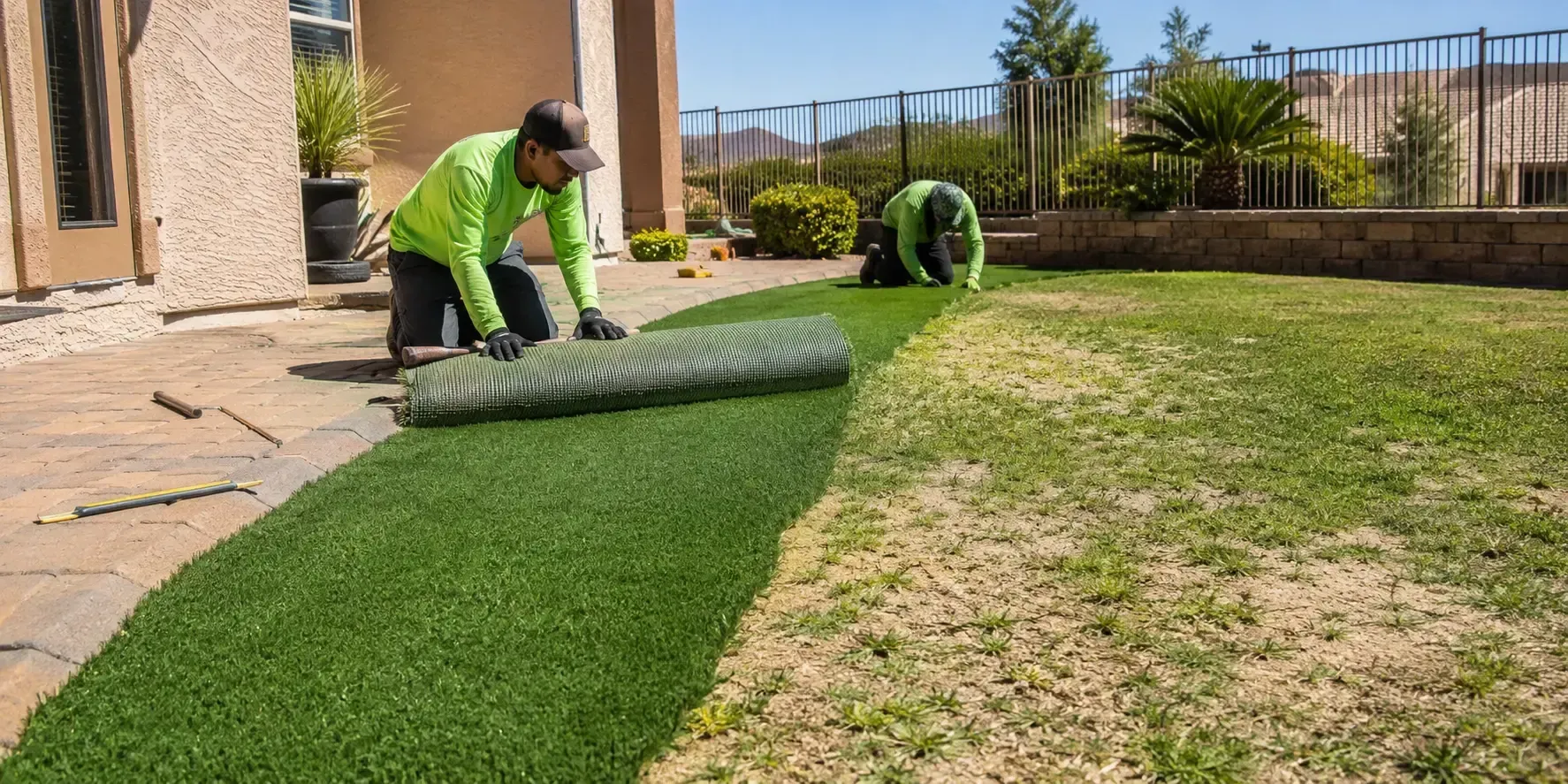
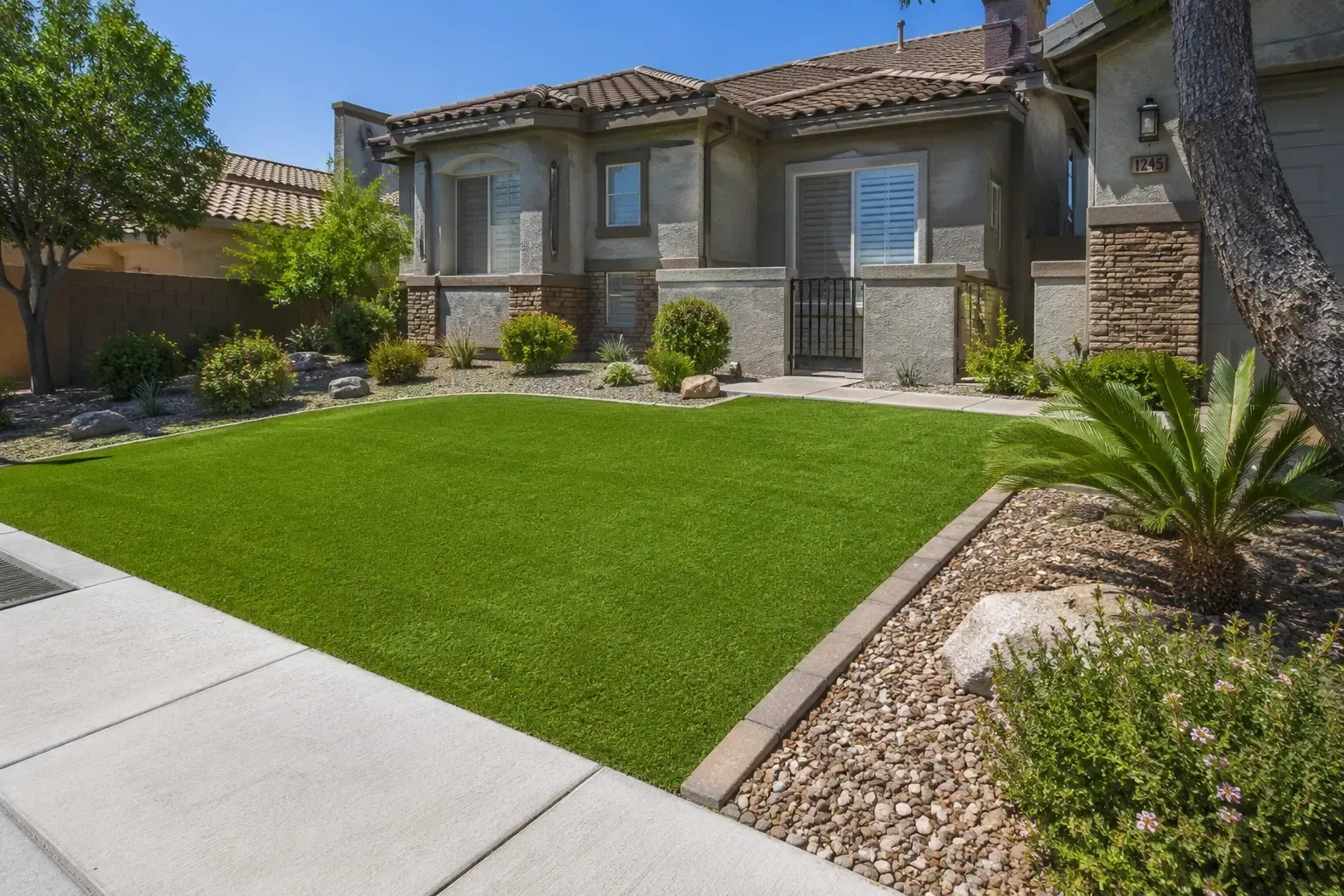
If your current yard is beyond saving, replacing it is a wise investment. You can explore high-quality residential turf installations designed specifically to handle heavy pet traffic and eliminate odors.
Options for Businesses and Golf Enthusiasts
Pet odors do not just affect residential backyards. Commercial properties often face similar challenges. Apartment complexes, veterinary clinics, and dog daycares require durable surfaces that stay clean. Property managers need landscaping that handles dozens of dogs daily without becoming a nuisance.
Specialized commercial turf applications solve this problem. Commercial grade materials offer maximum durability and superior drainage systems. This keeps public spaces smelling clean and looking professional all year long.
Homeowners who want more than just a standard lawn can also benefit from these advanced drainage technologies. Many residents install backyard putting greens to practice their short game. You can easily incorporate pet-friendly borders around your golf area. This ensures your dogs have a place to play without damaging your green or creating unpleasant smells near your entertainment space.
Keep Your Yard Fresh Year-Round
Living in Henderson means enjoying your outdoor space in every season. Your pets deserve a safe, clean place to play. You deserve a beautiful yard that smells as fresh as it looks.
Routine rinsing and enzymatic cleaners will solve most minor odor problems. However, persistent smells usually point to inadequate drainage or incorrect infill materials. Fixing these underlying issues will restore your yard completely.
Investing in the right materials from the beginning saves you time, money, and frustration. If you need expert advice on turf maintenance, infill upgrades, or a complete yard redesign, we are here to help. Reach out to Henderson Artificial Turf to schedule a consultation.
You can visit us locally in Henderson, NV, or call us directly at +1 725 888-8813. Our team understands the unique landscaping challenges of the Mojave Desert. Let us help you build a durable, odor-free backyard that your entire family will love.
Frequently Asked Questions
Can I use bleach to clean my dog's artificial grass?
You should never use bleach or harsh household chemicals on your synthetic grass. Bleach can permanently discolor the grass blades and degrade the backing material. It is also highly toxic to dogs. Always stick to enzymatic turf cleaners or diluted white vinegar.
How long does pet-friendly artificial grass last in Nevada?
High-quality synthetic grass can last 15 to 20 years with proper care. Pet-specific turf is highly durable and features UV inhibitors to protect against the harsh Nevada sun. Regular waste removal and routine brushing will extend the lifespan of your yard significantly.
Does baking soda help remove odors from synthetic lawns?
Baking soda can help absorb minor odors, but it is not a good long-term solution. When baking soda gets wet, it forms a thick paste. This paste can clog the drainage holes in your turf backing and make the odor problem worse over time.