What Is the Lifespan of Artificial Turf in Henderson, Nevada?
Key Takeaways and Insights
Understanding the lifespan of synthetic grass is critical for Henderson property owners looking to invest in drought-friendly landscaping. High-quality installations can last up to 20 years when paired with premium materials, proper sub-base construction, and routine maintenance. By choosing UV-resistant products and managing basic upkeep, residents can enjoy a permanently green, low-maintenance outdoor space while dramatically reducing their monthly water bills.
* Premium synthetic grass lasts between 15 and 20 years in the intense Nevada desert climate.
* Proper base excavation and quality infill are mandatory to prevent wrinkles and extend turf life.
* Routine maintenance like brushing and rinsing prevents abrasive dust damage and keeps the grass looking vibrant.
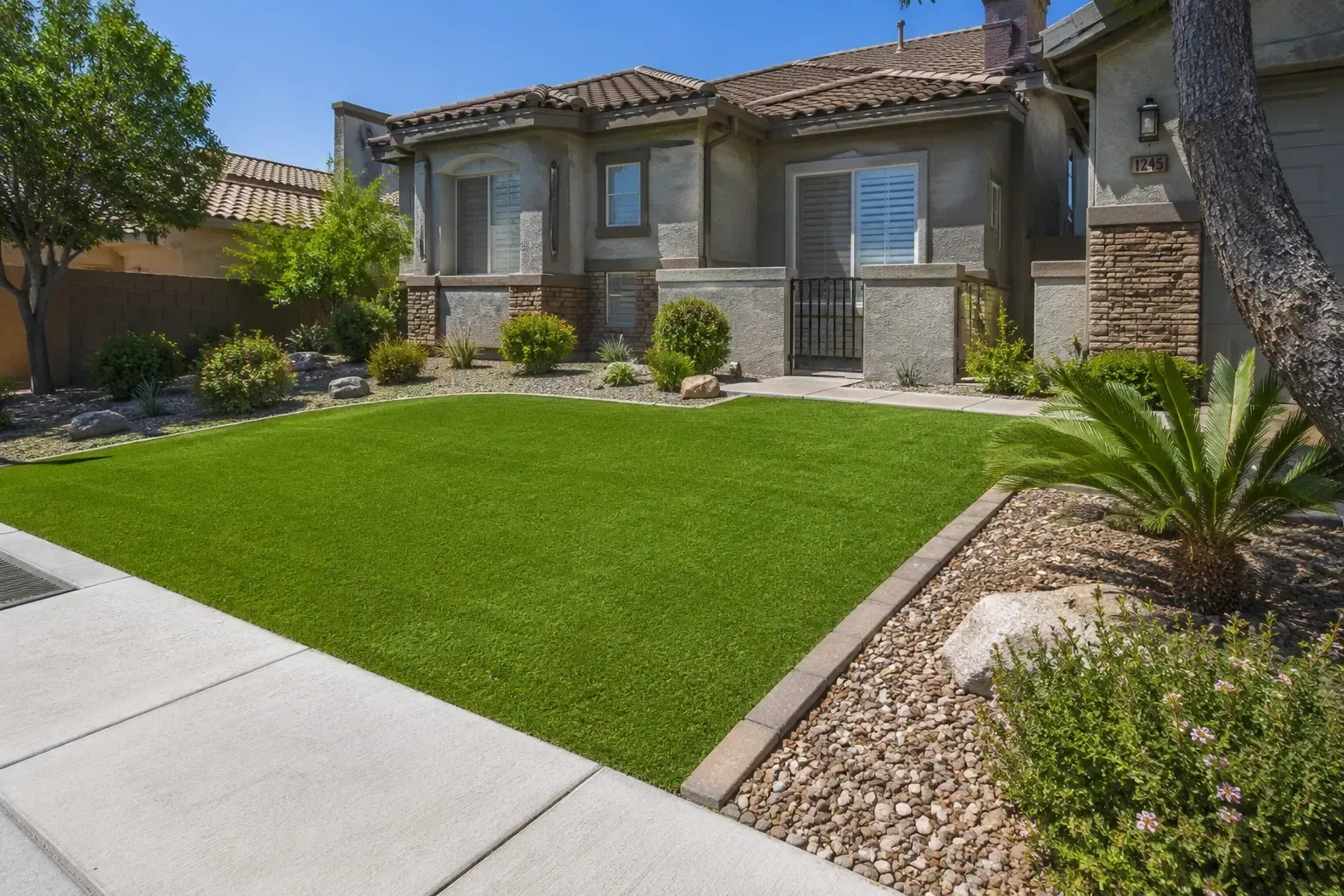
Property owners in Henderson are increasingly switching to synthetic grass. The desert climate requires constant watering to keep natural grass alive. This costs money and wastes a valuable local resource. Synthetic grass solves this problem entirely. It provides a green, lush lawn all year without the hefty water bill.
However, installing a synthetic lawn is a significant property investment. Homeowners and commercial property managers want to know they are spending their money wisely. A common question arises during the planning phase. Exactly how long will this new landscaping last in the harsh Nevada desert?
The short answer is that high-quality synthetic lawns last between 15 and 20 years. This timeframe depends heavily on the quality of the materials used. It also depends on the quality of the installation and regular maintenance. Understanding these variables helps you maximize your investment.
The Reality of Artificial Grass in the Nevada Desert
Henderson experiences extreme weather conditions. Summer temperatures frequently rise above 110 degrees Fahrenheit. The sun beats down with an incredibly high ultraviolet index. These conditions destroy natural grass. They also put stress on outdoor building materials.
Modern synthetic grass is specifically engineered for these harsh environments. Decades ago, early versions of fake grass would fade or degrade quickly under intense sunlight. Manufacturers have since revolutionized the production process. Today, premium synthetic lawns contain advanced chemical stabilizers. These additives prevent fading and physical breakdown.
Understanding the Durability of Henderson Artificial Turf
Not all synthetic grass products are created equal. The lifespan of your installation directly relates to the manufacturing quality. When assessing Henderson Artificial Turf products, you should understand the primary components. These components determine how long the grass will last on your property.
High-Grade Polyethylene Blades
The visible blades of synthetic lawns are usually made from polyethylene. This plastic polymer is incredibly durable. It is also soft to the touch. Premium blades are extruded with UV inhibitors mixed directly into the resin. This means the sun protection will never wash off or wear away. It protects the molecular structure of the plastic. This prevents the blades from becoming brittle and snapping off under foot traffic.
Advanced Polyurethane Backing
The backing is the foundation of your synthetic lawn. It holds the individual blades in place. Most high-quality options use a dual-layered backing system. The primary layer secures the fibers. The secondary layer is coated in heavy-duty polyurethane. Polyurethane is highly resistant to moisture and temperature fluctuations. It prevents the turf from expanding and contracting dramatically during hot days and cool desert nights.
Average Lifespan Based on Application
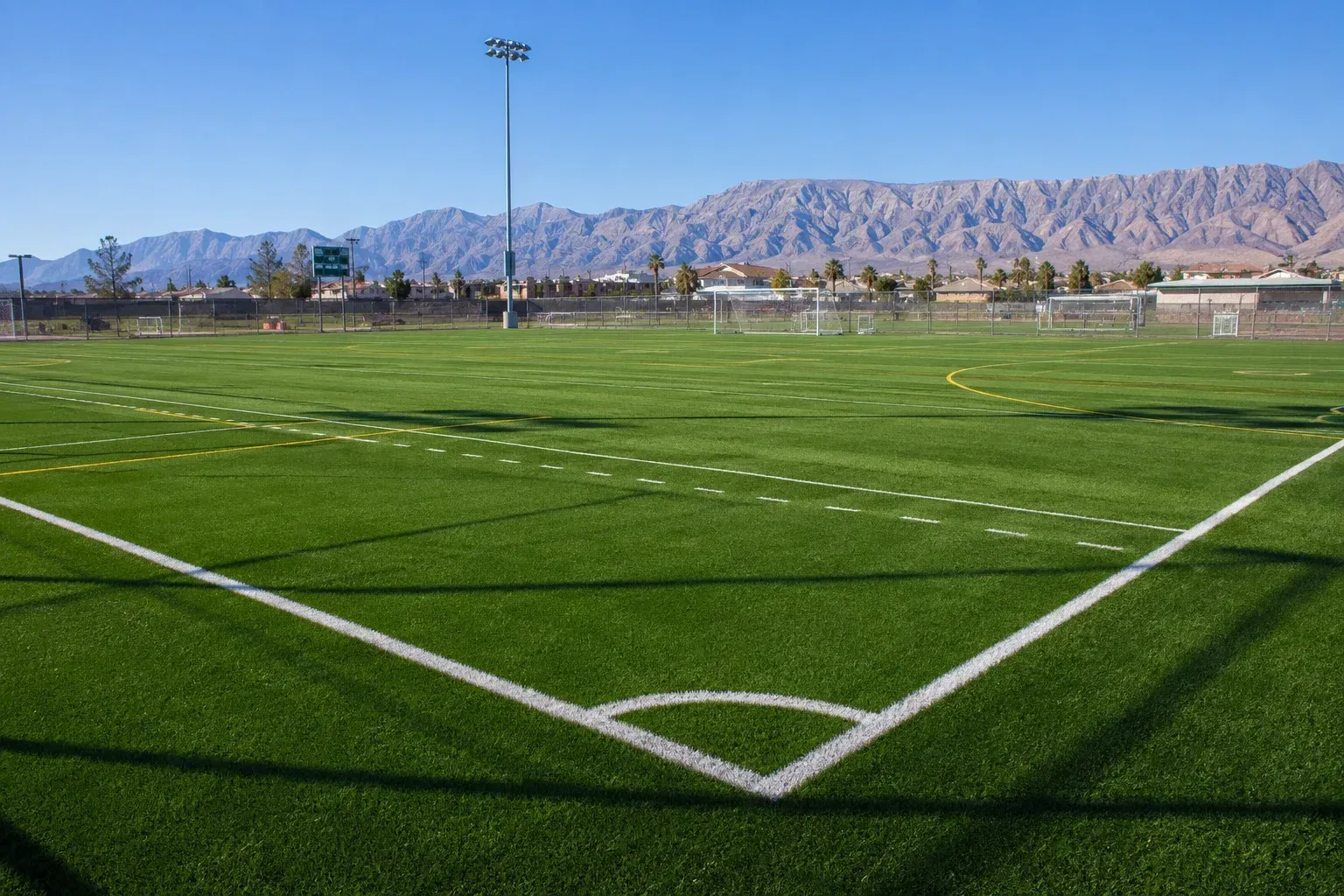
How you use your synthetic lawn heavily dictates its lifespan. A decorative front yard experiences very different wear and tear than a commercial sports field. Different applications require specific types of grass to achieve maximum longevity.
| Application Type | Expected NV Lifespan | Traffic Level | Ideal Turf Characteristics |
|---|---|---|---|
| Residential Front Yard | 15 to 20 Years | Low | Tall pile height, dense thatch, high UV resistance |
| Pet-Friendly Backyard | 10 to 15 Years | Moderate to High | Maximum drainage backing, short pile, durable blades |
| Custom Putting Greens | 12 to 15 Years | Moderate | Texturized nylon or tightly curled polypropylene |
| Commercial Landscaping | 10 to 15 Years | High | High face weight, robust polyurethane backing |
A front yard lawn rarely sees heavy foot traffic. Its main enemy is the sun. Because premium products resist UV damage effectively, these installations easily reach two decades of use. Backyards with active children and large dogs will experience faster mechanical wear. The blades are stepped on and compressed daily. Even with heavy use, these yards provide well over a decade of reliable service.
Environmental Factors Affecting Synthetic Lawns
The Henderson climate presents a few unique challenges for outdoor landscaping. Knowing these factors helps you make informed decisions about your property.
Intense Ultraviolet Radiation
The Mojave Desert receives over 300 days of sunshine annually. Constant UV exposure is the leading cause of turf degradation worldwide. UV rays break down chemical bonds in standard plastics. This leads to color fading and structural failure. Purchasing turf with verified, built-in UV stabilization is absolutely critical for Nevada residents.
Monsoon Rains and Soil Shifting
Henderson occasionally experiences heavy monsoon rains. Natural desert soil is often hard and packed tightly. It does not always absorb sudden heavy rainfall quickly. This can lead to surface flooding. If a synthetic lawn lacks proper drainage, standing water can degrade the base layers over time. Premium installations utilize highly permeable backing materials to ensure rapid water flow.
The Role of Proper Installation in Turf Longevity
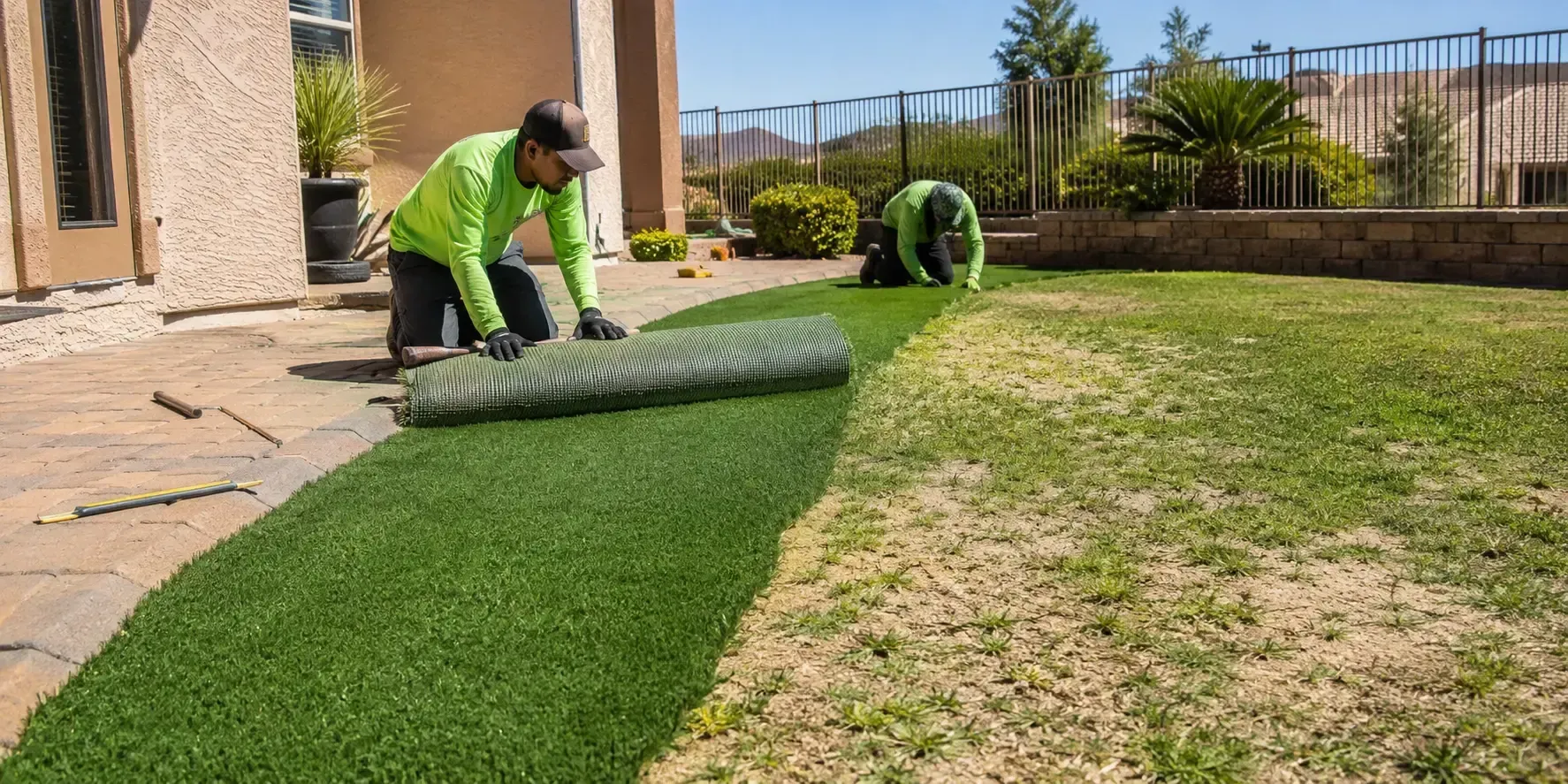
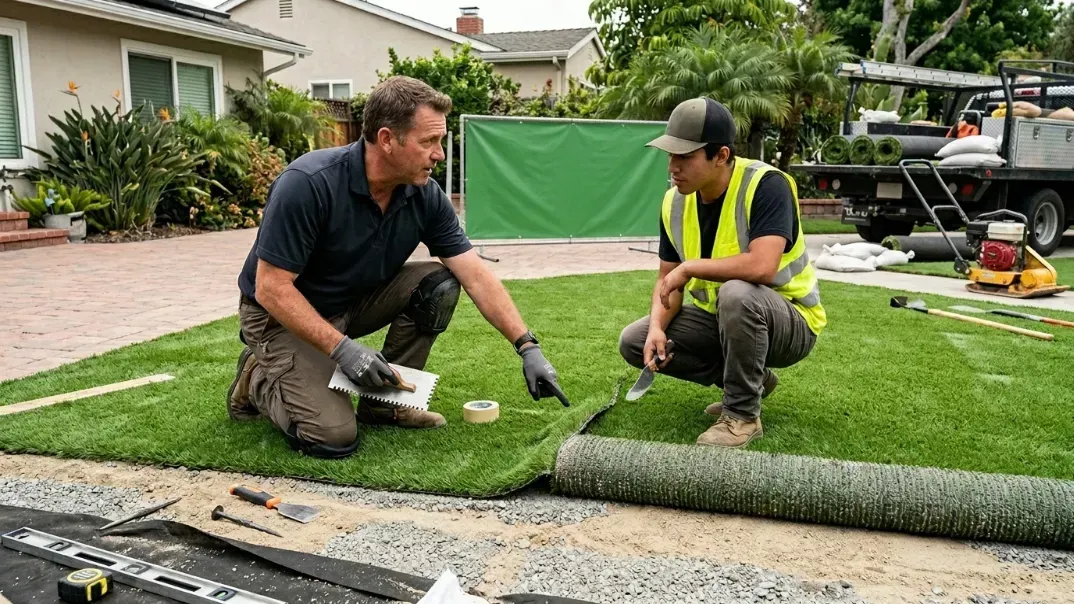
The best synthetic grass in the world will fail if it is installed incorrectly. Installation is a rigorous construction process. It requires heavy machinery, specific materials, and precise execution. A flawless installation adds years to the life of your synthetic lawn.
Excavation and Sub-Base Preparation
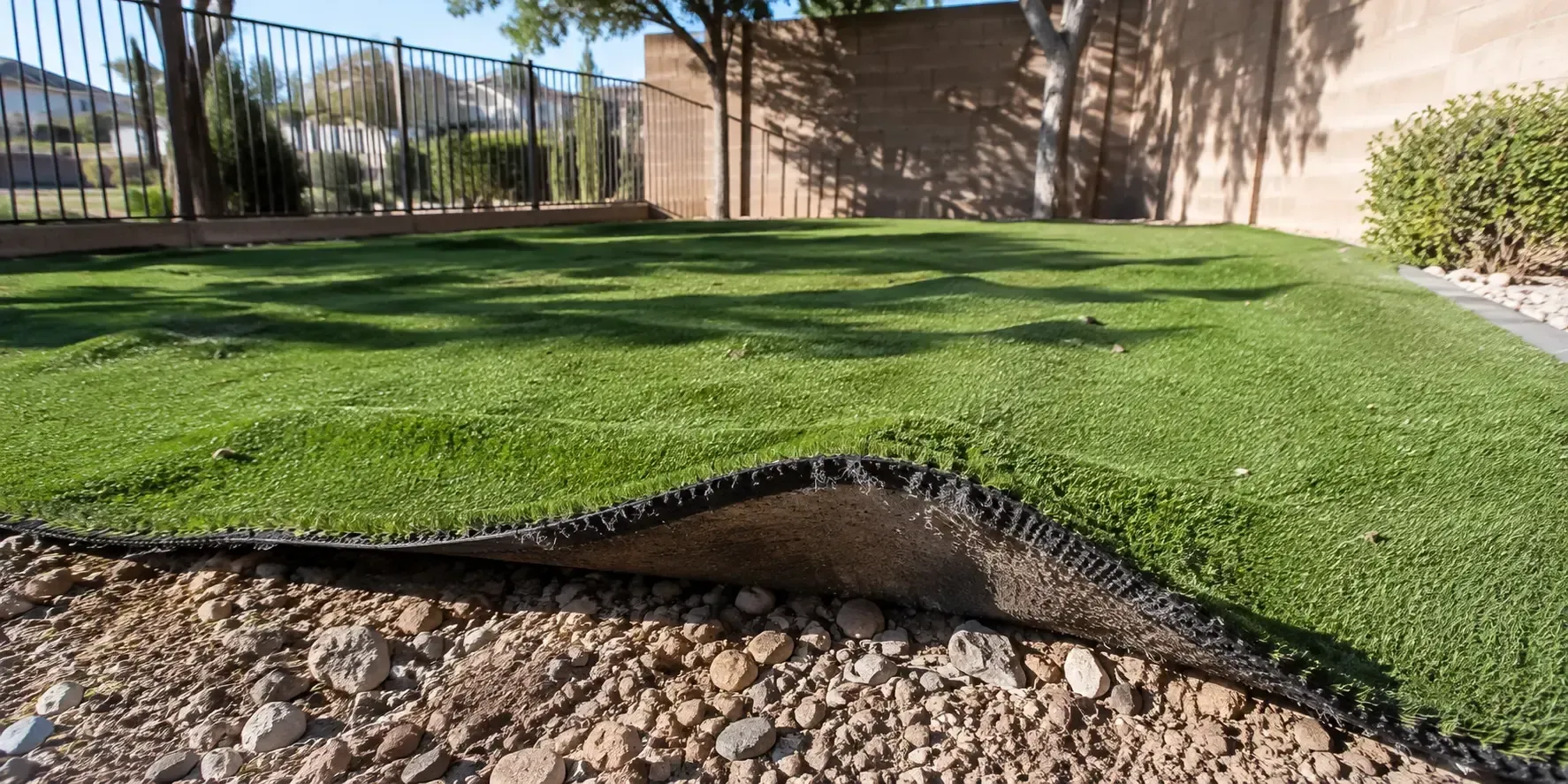
Installation begins with removing the existing soil and organic matter. Installers typically excavate three to four inches deep. This space is then filled with a custom blend of crushed rock and aggregate.
This rock layer is called the sub-base. It is meticulously leveled and compacted. A well-compacted sub-base prevents the ground from sinking over time. If the sub-base settles unevenly, the surface will develop wrinkles and dips. Wrinkles create stress points in the backing. These stress points can tear prematurely. Proper compaction ensures the surface remains perfectly flat for twenty years.
Choosing the Right Infill Material
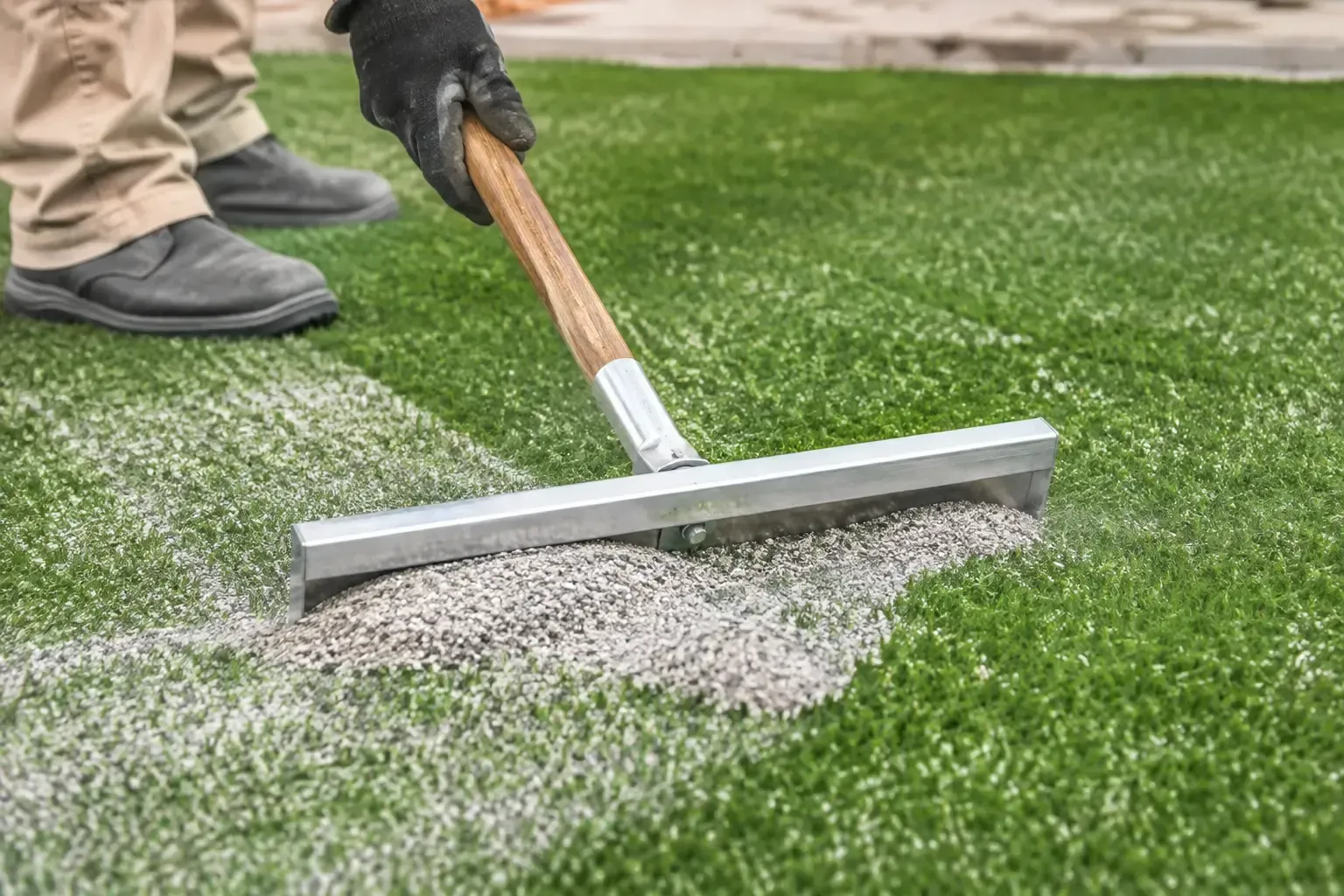
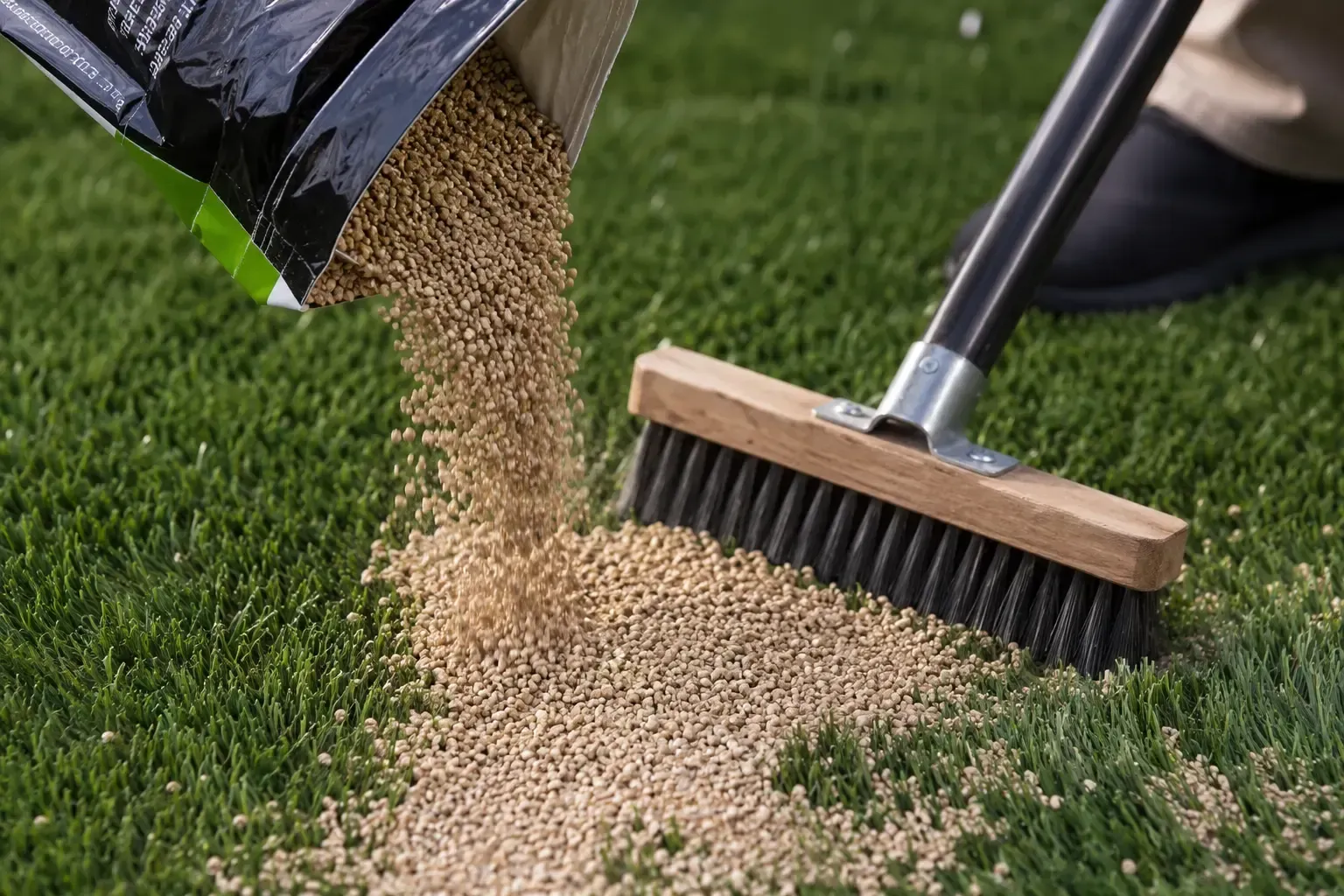
Infill is the material spread across the top of the synthetic grass. It sinks down between the blades. Infill provides weight to keep the lawn flat. It also keeps the individual blades standing upright.
Without proper infill, grass blades will permanently flatten under foot traffic. For Henderson installations, specialized infill is highly recommended. Silica sand is a standard, durable option. Homeowners with dogs should choose an antimicrobial, odor-reducing infill. Some premium infills are even designed to absorb moisture and cool the surface temperature of the grass. Keeping the grass cooler helps preserve the integrity of the plastic fibers.
Routine Maintenance to Extend Turf Life
Synthetic grass requires far less work than natural grass. You do not need to mow, weed, or fertilize it. However, it is not entirely maintenance-free. Performing basic upkeep will significantly extend the lifespan of your investment.
Regular Brushing
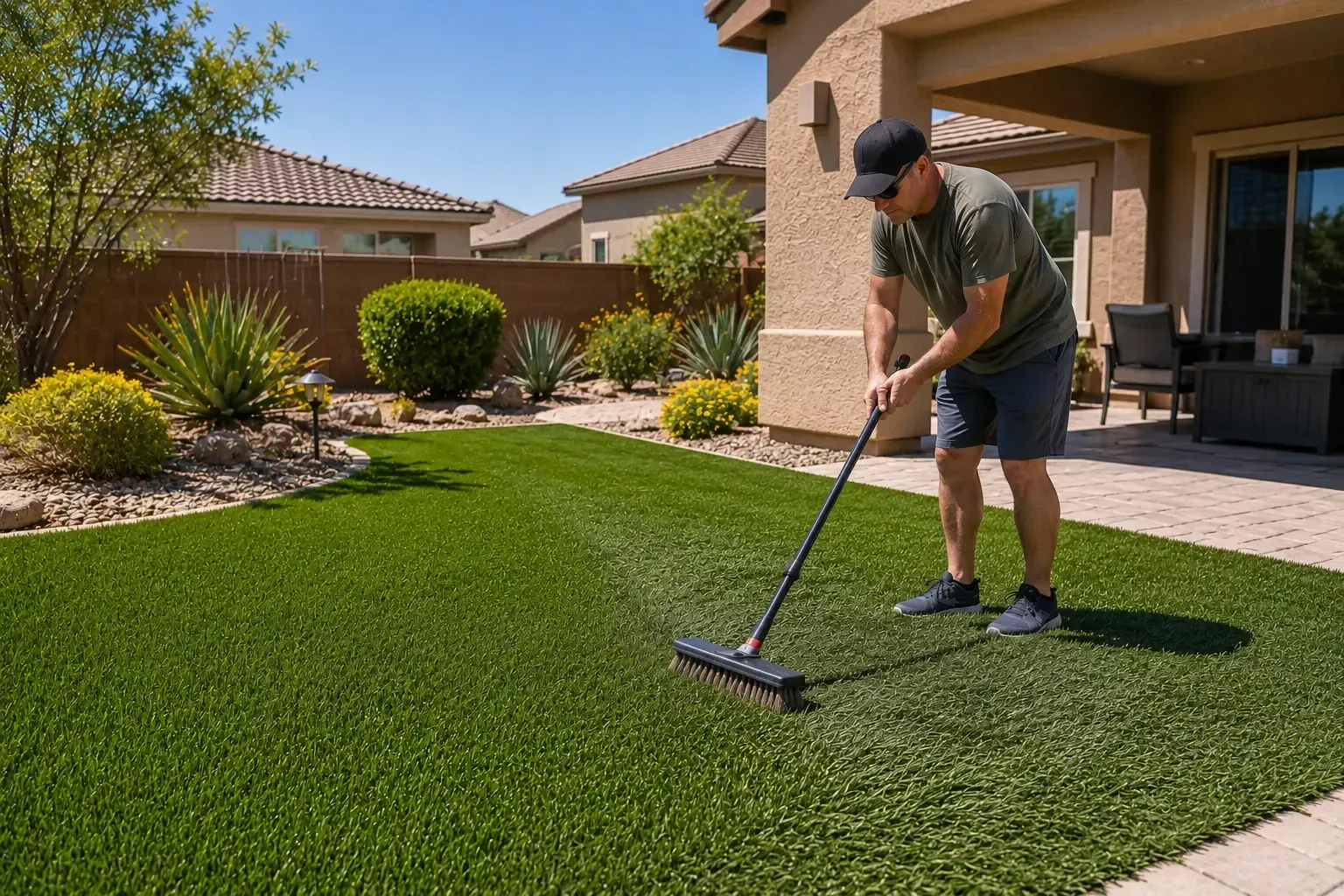
Foot traffic causes the grass blades to bend and mat down. Regular brushing stands the fibers back up. You should use a stiff-bristled push broom. Never use a brush with metal bristles. Metal will scratch and tear the plastic blades. Brushing your lawn once a month keeps it looking brand new. It also redistributes the infill evenly across the surface.
Surface Rinsing
The desert wind blows a massive amount of dust and dirt across Henderson properties. This dust settles deep into the synthetic fibers. Over time, heavy dirt buildup can act like sandpaper. It slowly grinds against the plastic blades when people walk on the grass. You should rinse your lawn with a garden hose periodically. A quick spray removes the abrasive dust and keeps the colors vibrant.
Managing Pet Waste
Synthetic lawns are highly popular among dog owners. The materials hold up wonderfully to pet activity. You must pick up solid waste promptly. You should also rinse areas where your dog urinates. Urine will not kill the grass, but it can leave lingering odors if left unwashed. Using an enzymatic turf cleaner once a month neutralizes trapped odors deep in the infill.
If you want to ensure your lawn stays in pristine condition, professional maintenance is an option. Experts have specialized power brooms and cleaning solutions. For a professional maintenance assessment, visit our contact page to schedule a consultation.
Signs It Is Time for a Turf Replacement
Even the highest quality synthetic lawns eventually reach the end of their lifespan. After 15 or 20 years, you will start to notice specific signs of aging. Recognizing these signs helps you plan for a future replacement.
Severe Matting
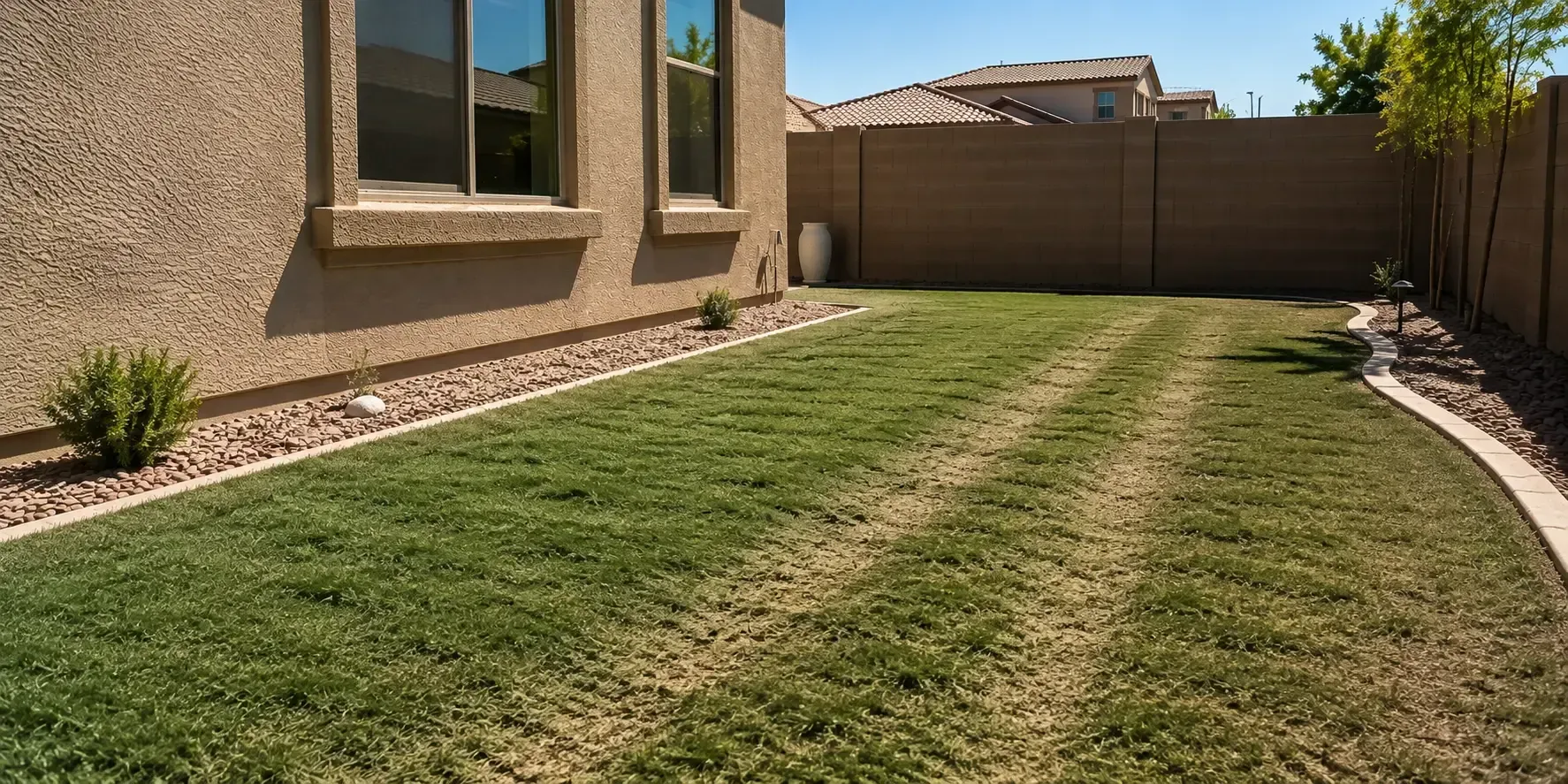
Older generation lawns eventually lose their structural integrity. The plastic fibers simply wear out from decades of use. When this happens, brushing no longer helps. The grass blades will remain flat against the ground. This severely matted appearance indicates the material has exhausted its useful life.
Fading and Discoloration
While modern UV inhibitors are exceptional, they are not completely invincible over multiple decades. After twenty years in the harsh Nevada sun, you might notice a slight dulling of the green color. If the lawn begins to look excessively faded or yellowed, it is time to upgrade.
Backing Degradation
The most critical sign of failure occurs out of sight. The polyurethane backing eventually becomes stiff and brittle. As it loses flexibility, the individual grass blades begin to shed. You might notice loose green fibers blowing across your patio. Seams may also begin to pull apart. When the backing fails, the lawn must be replaced.
Investing in synthetic landscaping transforms your property. It drastically reduces your water consumption and eliminates tedious weekend yard work. By selecting premium materials and ensuring professional installation, your yard will remain beautiful for decades.
Frequently Asked Questions
Does artificial turf melt in the Henderson summer heat?
High-quality synthetic grass does not melt under normal summer temperatures. The melting point of premium polyethylene is over 200 degrees Fahrenheit. The ambient weather in Henderson will never reach this level. However, intense sunlight reflecting off energy-efficient windows can create a magnifying glass effect. This concentrated reflection can melt the plastic. Installers can help you identify and mitigate these window reflections before installation.
Is synthetic grass safe for pets and children?
Yes, modern synthetic lawns are incredibly safe for families and animals. The materials are non-toxic and lead-free. Because you do not need chemical fertilizers or pesticides, your yard becomes a safer environment for children to play. Additionally, the soft plastic blades and padded infill provide a highly shock-absorbent surface. This reduces the risk of impact injuries during outdoor play.
How much water can I save by switching to fake grass?
The Southern Nevada Water Authority estimates that natural grass requires up to 73 gallons of water per square foot annually. By replacing a modest 1,000-square-foot natural lawn with synthetic grass, a Henderson homeowner can save tens of thousands of gallons of water every single year. This provides an immediate and dramatic reduction in monthly utility bills.