Expert Insights: Avoiding Common Artificial Turf Installation Mistakes
Key Insights and Takeaways
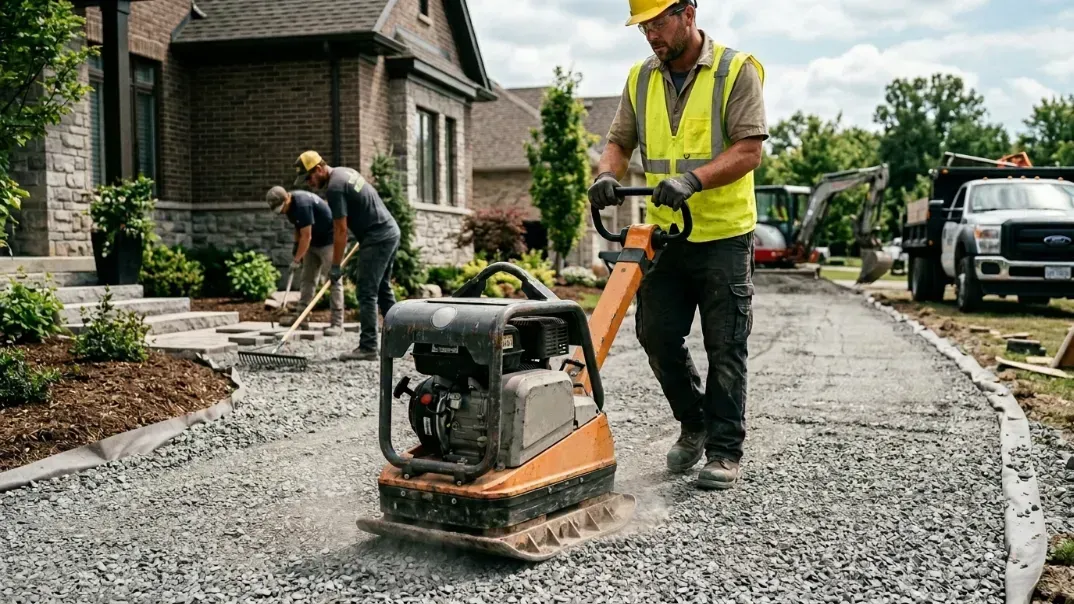
Proper synthetic grass installation requires extensive technical expertise, particularly regarding sub-base compaction, drainage engineering, and thermal expansion management. Avoiding critical mistakes like poor seaming and incorrect material selection ensures that Henderson homeowners maximize their landscaping investments. Partnering with seasoned professionals guarantees a durable, high-performance outdoor space designed to withstand the harsh desert climate.
- Rigorous sub-base excavation and vibratory plate compaction are mandatory to prevent future settling and buckling.
- Selecting materials with robust ultraviolet stabilization protects the landscape from intense Mojave Desert sun degradation.
- Commercial-grade adhesives and advanced seaming techniques are required to prevent joints from rupturing under thermal stress.
Property owners in Henderson, NV frequently upgrade their landscapes with synthetic grass to save water and improve outdoor spaces. Achieving professional results requires real technical skill. A successful project demands careful planning rather than simply rolling synthetic carpet over bare dirt. Common installation errors cause early wear, poor drainage, and ugly seams. Knowing these frequent pitfalls helps business owners and residents make smart choices when funding property upgrades. We will explore critical installation mistakes and explain the methods our experts use to guarantee lasting results.
Failing to Prepare the Sub-Base Properly
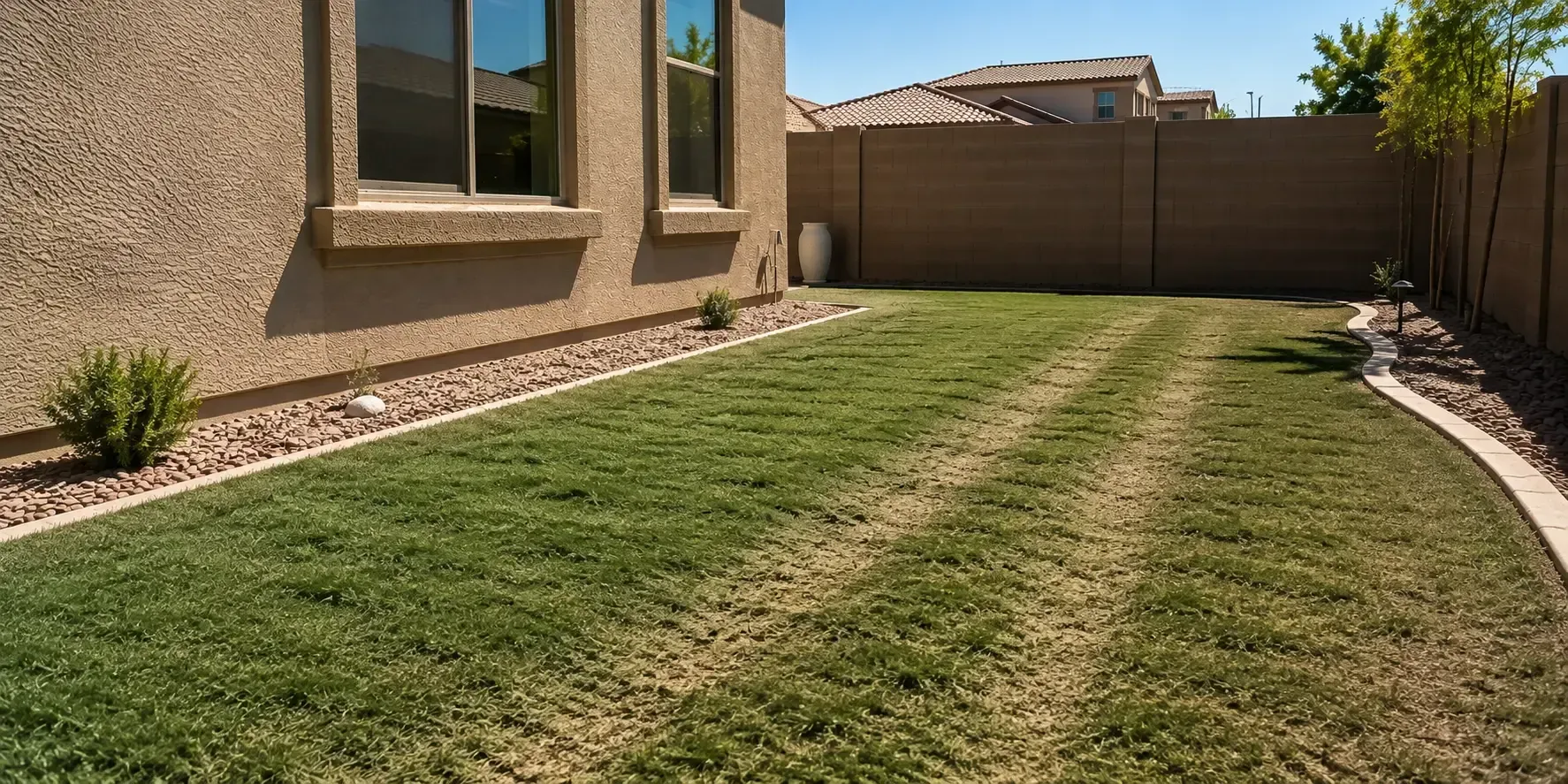
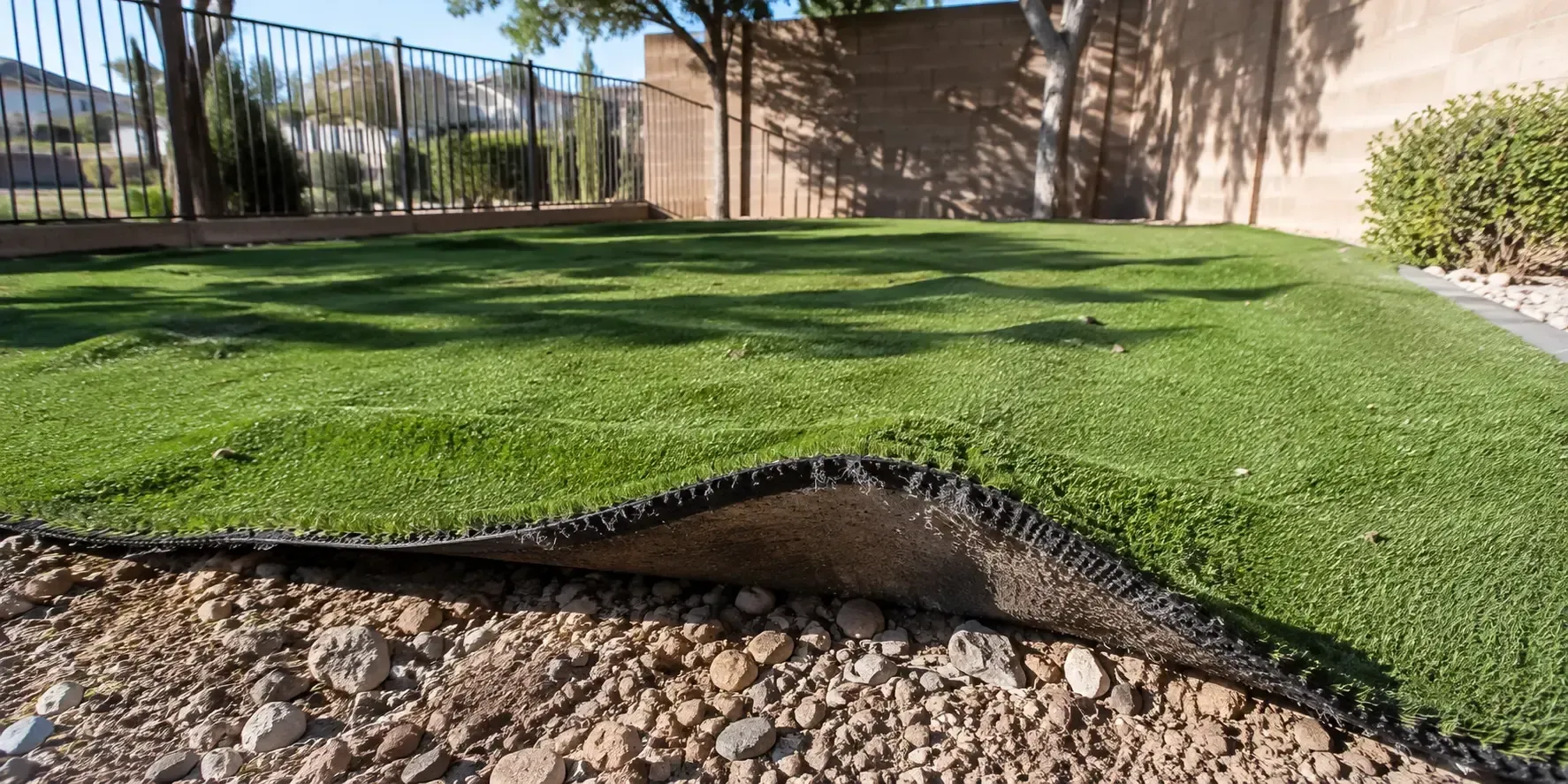
The foundation of any successful landscaping project remains completely hidden beneath the surface. Inexperienced contractors often try to lay synthetic grass directly over existing topsoil or poorly leveled dirt. This approach guarantees long-term structural failure. Organic topsoil expands and contracts with moisture changes, which causes the surface layers to buckle and shift over time.
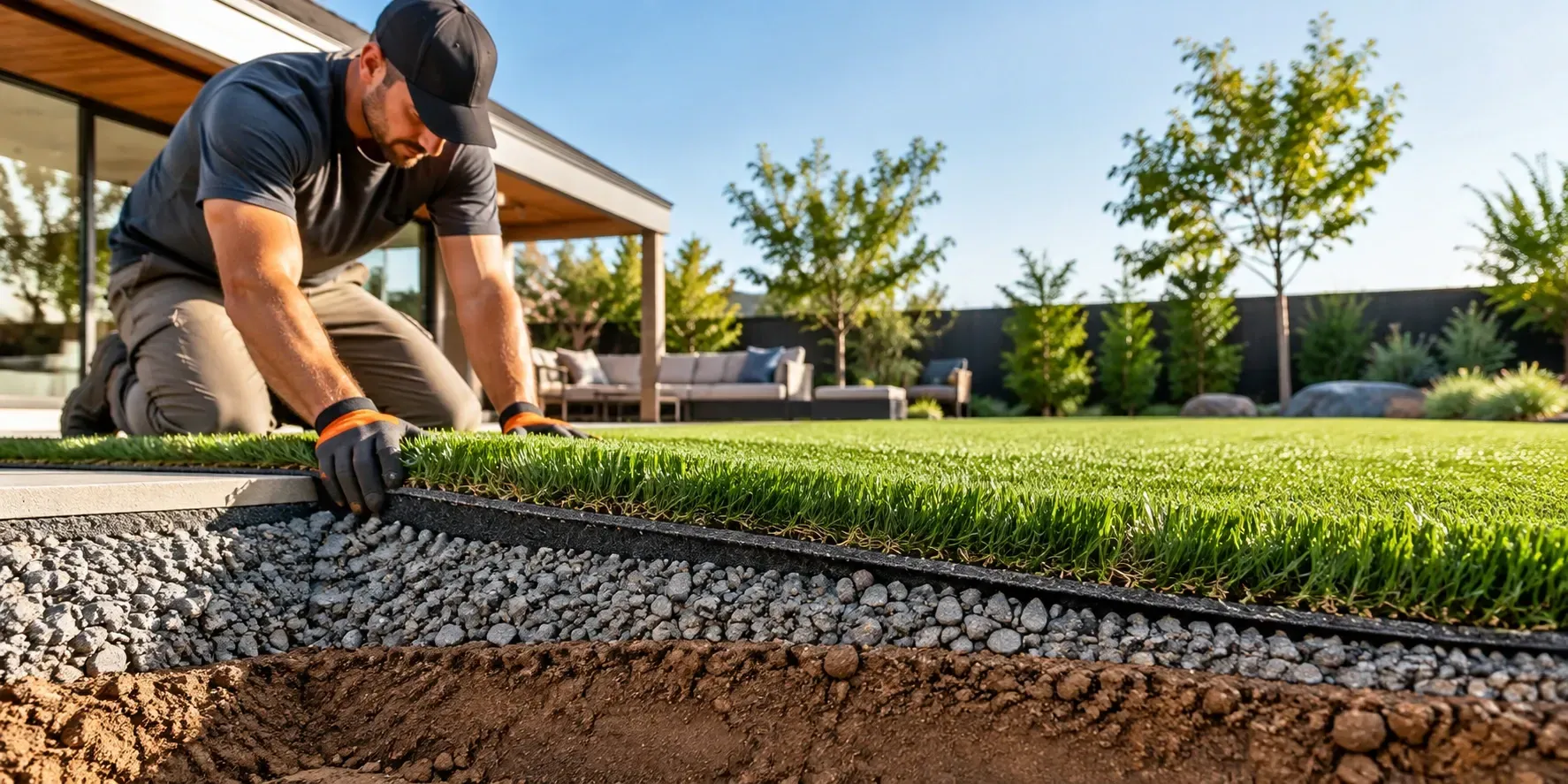
Professional installers invest significant time and resources into proper base preparation. The process begins by excavating the native soil to a precise depth. Crews then install a premium commercial weed barrier to prevent local desert plants from growing through the surface. Next, a specialized crushed stone base is brought in and spread evenly across the project area.
Property owners in Henderson, NV frequently upgrade their landscapes with synthetic grass to save water and improve outdoor spaces. Achieving professional results requires real technical skill. A successful project demands careful planning rather than simply rolling synthetic carpet over bare dirt. Common installation errors cause early wear, poor drainage, and ugly seams. Knowing these frequent pitfalls helps business owners and residents make smart choices when funding property upgrades. We will explore critical installation mistakes and explain the methods our experts use to guarantee lasting results.
Failing to Prepare the Sub-Base Properly
The foundation of any successful landscaping project remains completely hidden beneath the surface. Inexperienced contractors often try to lay synthetic grass directly over existing topsoil or poorly leveled dirt. This approach guarantees long-term structural failure. Organic topsoil expands and contracts with moisture changes, which causes the surface layers to buckle and shift over time.
Professional installers invest significant time and resources into proper base preparation. The process begins by excavating the native soil to a precise depth. Crews then install a premium commercial weed barrier to prevent local desert plants from growing through the surface. Next, a specialized crushed stone base is brought in and spread evenly across the project area.
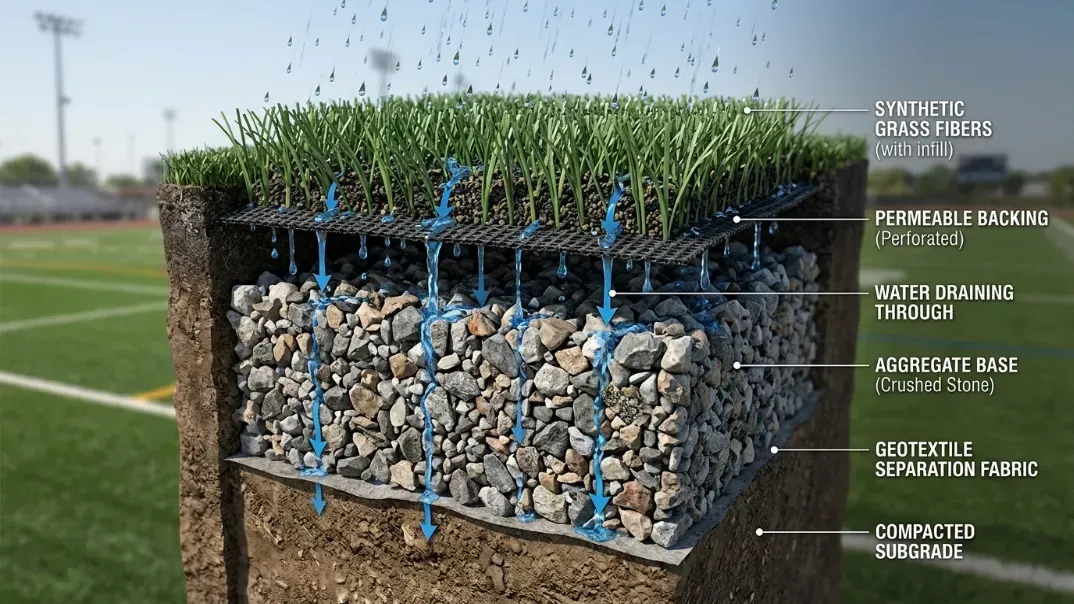
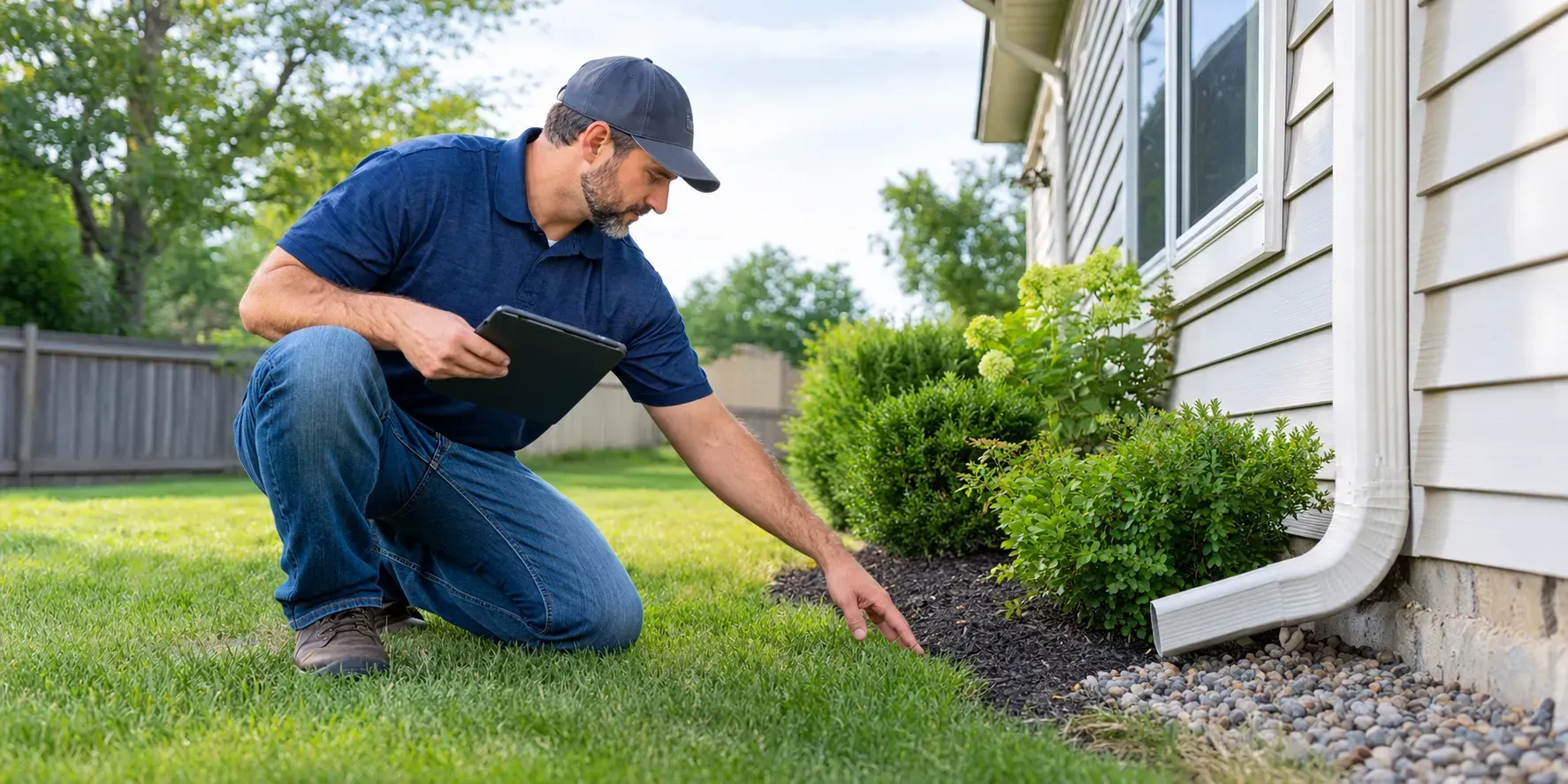
Proper drainage requires a clear understanding of water flow and soil properties. Experts carefully grade the stone sub-base to direct water away from building foundations and toward proper drainage zones. Furthermore, professionals only install products with highly porous backings designed for rapid liquid drainage. This careful attention to engineering ensures the space remains usable and clean throughout the year. Homeowners wanting to protect their investment rely on our comprehensive turf maintenance protocols to keep these drainage systems working perfectly.
Improper Seaming and Securing Methods for Green Turf
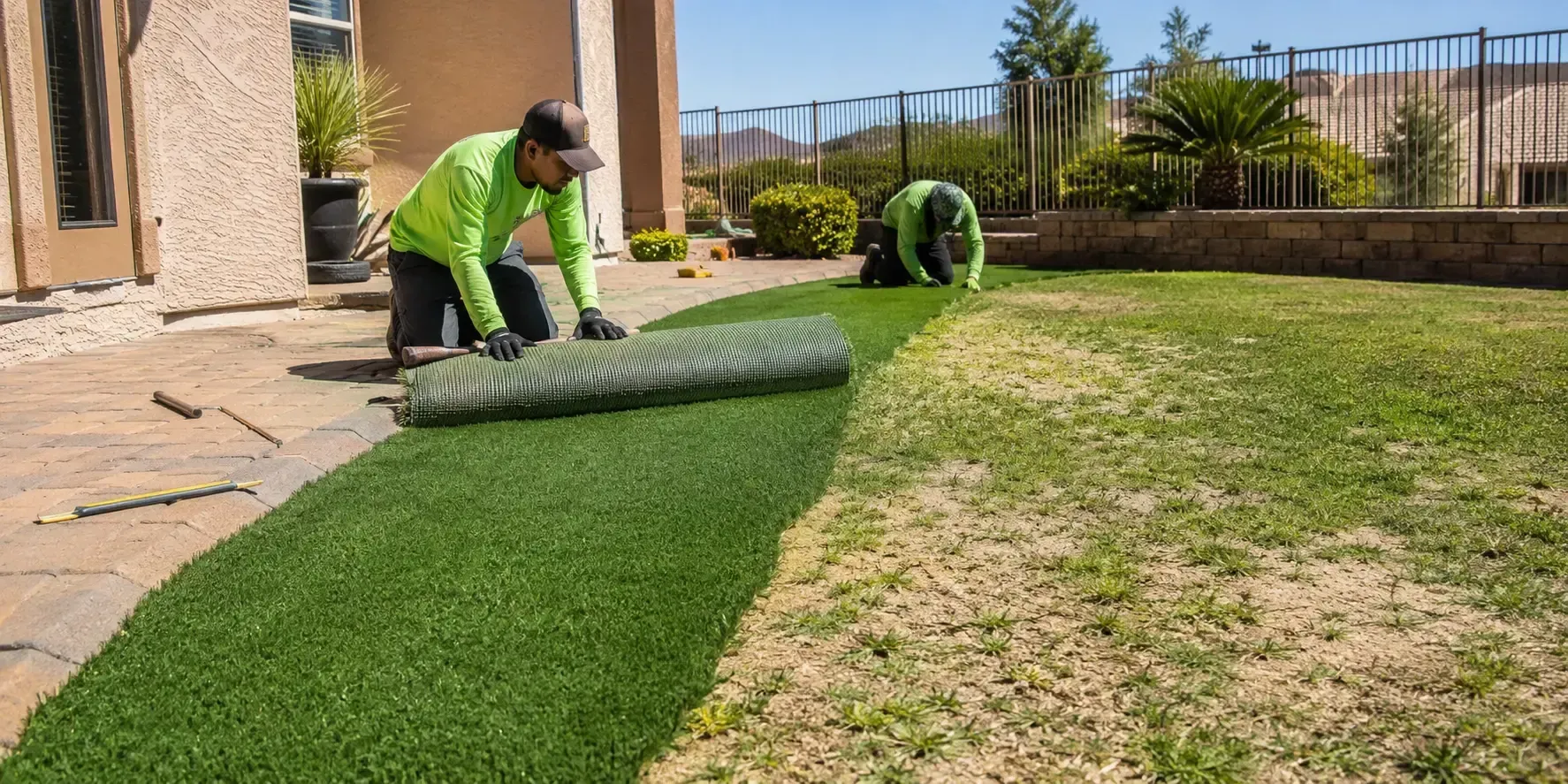
Most properties are wider than a standard roll of synthetic material. This reality requires installers to join multiple pieces together to cover the necessary space. Unqualified workers often secure these seams using standard landscaping staples or cheap adhesives. As temperatures change, the green turf expands and contracts. Weak seams inevitably break under this thermal stress, revealing glaring gaps that ruin the look of a natural lawn.
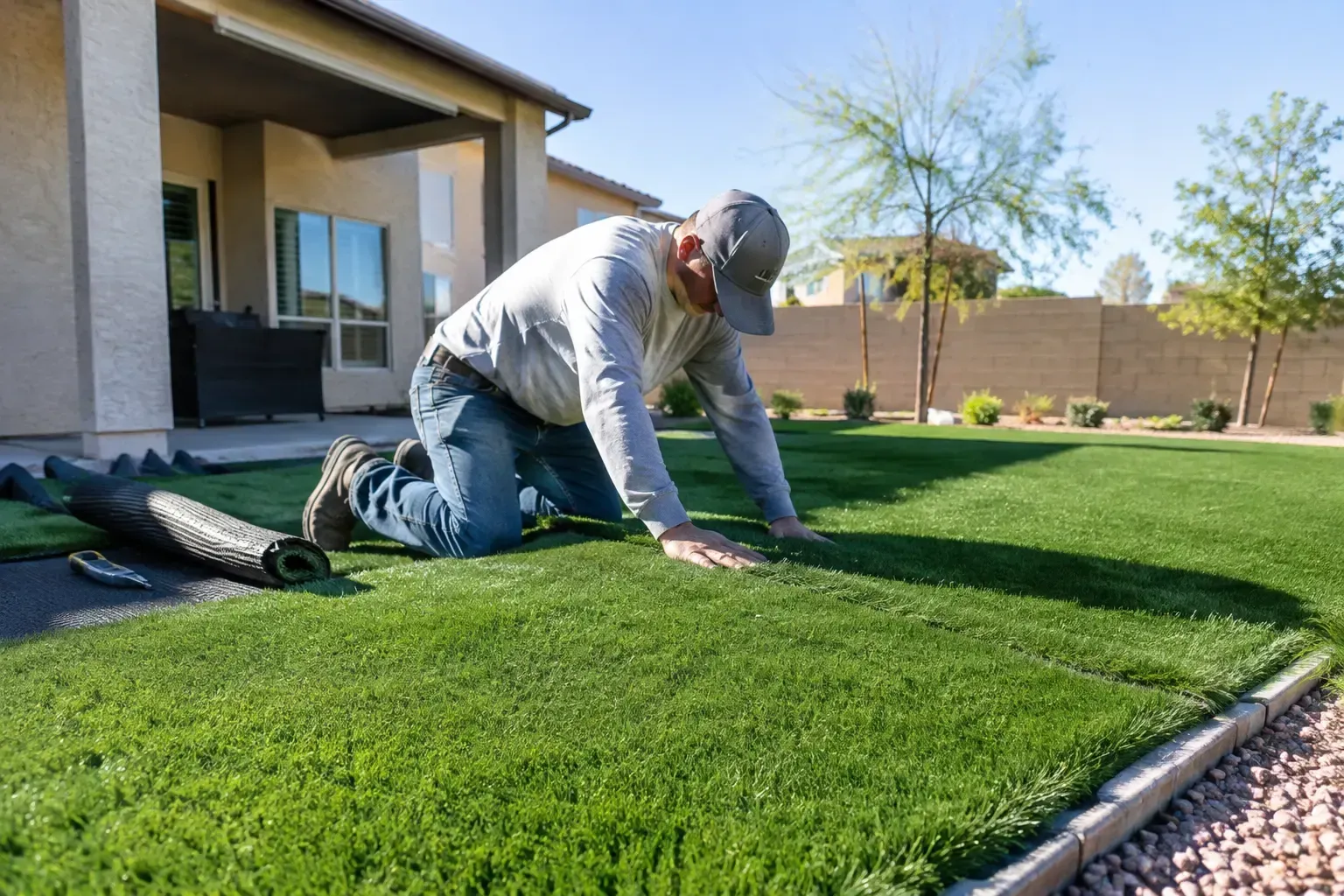
Professional seaming requires exact precision and commercial-grade materials. Installers carefully trim the factory edges off every roll before alignment. They use specialized seaming tape combined with weather-resistant glues to bond the separate pieces permanently. Careful attention is paid to the stitch patterns to ensure the individual fibers blend perfectly across the joint.
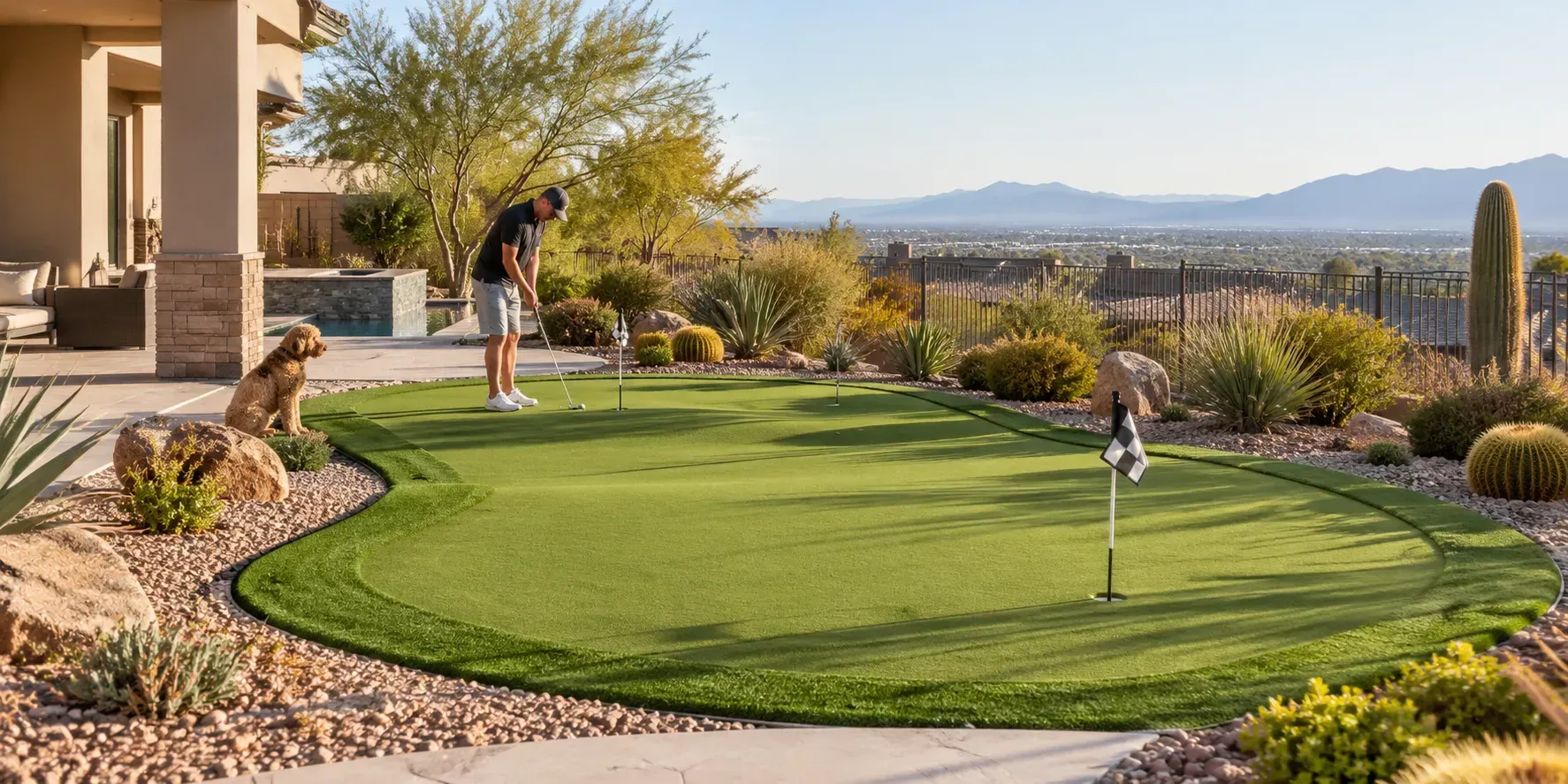
To secure the edges, experts use heavy-duty galvanized nails driven deeply into the compacted base. This anchoring system stops thermal expansion and prevents the edges from curling upward over time. The resulting seamless look is essential for complex projects like custom putting greens, where surface consistency directly impacts athletic performance.
Failing to Account for Infill Requirements
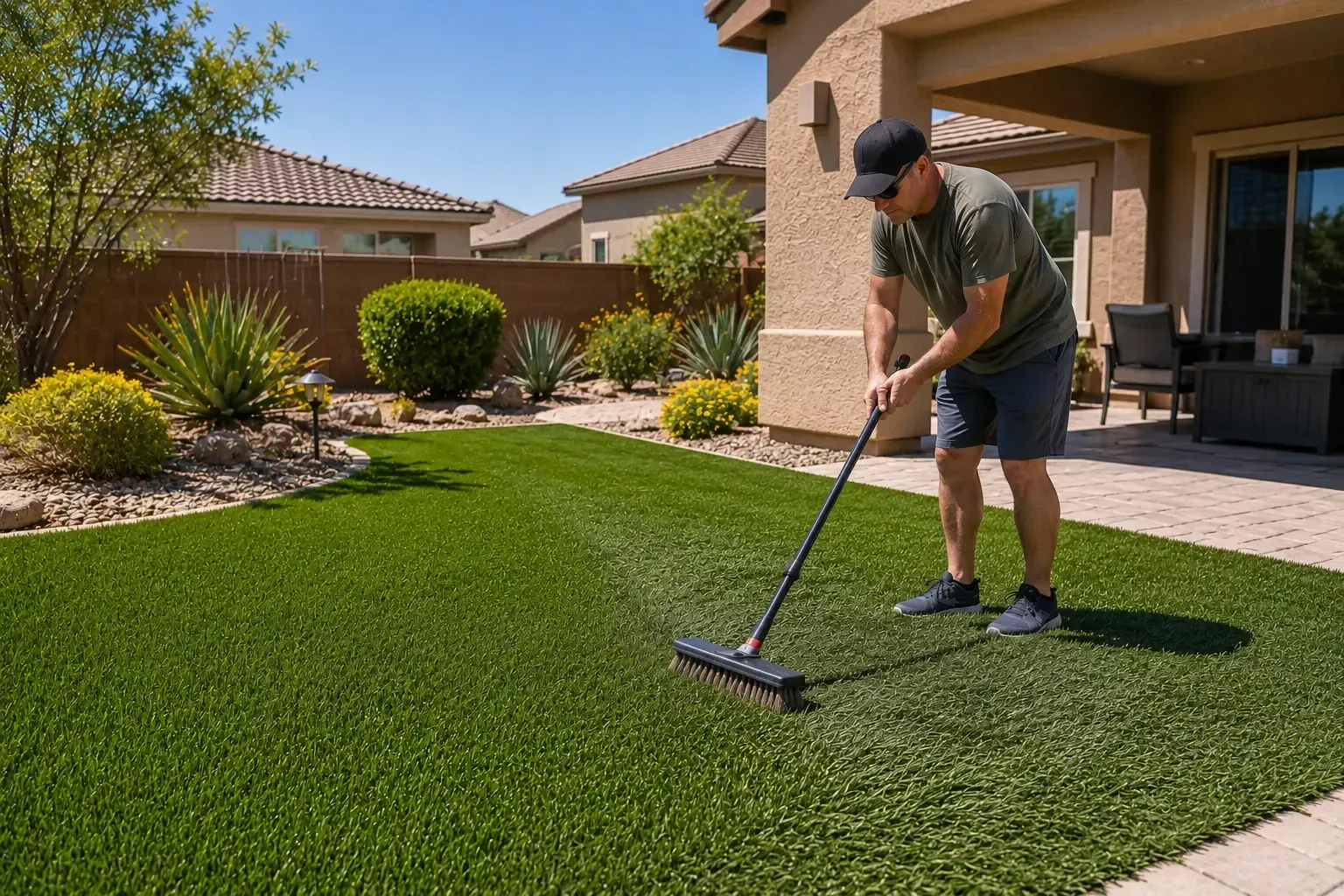
Infill represents a crucial component that many property owners overlook. This granular material is brushed directly into the fibers after the grass is secured. Skipping the infill application leaves the fibers unsupported, causing them to flatten permanently under heavy foot traffic. Furthermore, inadequate infill reduces the overall weight of the installation, increasing the risk of the turf shifting out of place.
Professionals carefully select the right infill based on the specific use of the space. Silica sand provides excellent weight and fiber support for standard residential lawns. Areas designed for pets might require specialized antimicrobial infill to stop odors and bacteria. Installers use power brooms to spread the infill evenly, ensuring every synthetic blade receives proper structural support.
Specialized Applications Require Advanced Expertise
The stakes increase dramatically when moving beyond standard residential lawns. Large scale commercial artificial turf installations require detailed planning and specialized heavy equipment. Commercial projects must follow strict municipal building codes and accessibility rules. Professional contractors hold the necessary licenses, insurance, and technical knowledge to execute these massive projects flawlessly.
Avoiding common installation mistakes ultimately saves property owners significant time and money. By partnering with experienced contractors, you guarantee that your landscape upgrade provides decades of reliable beauty and performance. We encourage you to review our expansive library of landscaping resources to further educate yourself on modern exterior design standards. If you are ready to transform your property with precision engineering, schedule a consultation with our specialists today.
Frequently Asked Questions
Why does my new synthetic grass look patchy in certain areas?
Patchy appearances usually result from improper infill spreading or failing to point the grass fibers in the same direction during installation. Professional power brooming techniques ensure the infill settles evenly and all fibers stand up uniformly.
Can weeds grow through synthetic grass installations?
Yes. Weeds can grow if the installer fails to apply a high-quality commercial weed barrier underneath the stone base. Airborne seeds can also occasionally root in the infill material, though they are easily removed with standard maintenance.
How long should a professional landscape installation last?
When installed correctly over a properly compacted sub-base, a premium synthetic landscape will perform beautifully for fifteen to twenty years. Proper maintenance and regular debris removal will significantly extend the lifespan of the materials.