Why Is My Artificial Turf Flattening and How Can I Fix It?
Key Takeaways and Insights
Artificial grass is a fantastic low-maintenance landscaping solution, but heavy foot traffic, heavy furniture, and low infill levels can cause the blades to flatten over time. Routine brushing and rinsing can easily restore minor matting, while severely flattened lawns may require professional power brooming and infill top-offs. Taking simple preventative measures ensures your synthetic lawn stays beautiful and upright for years.
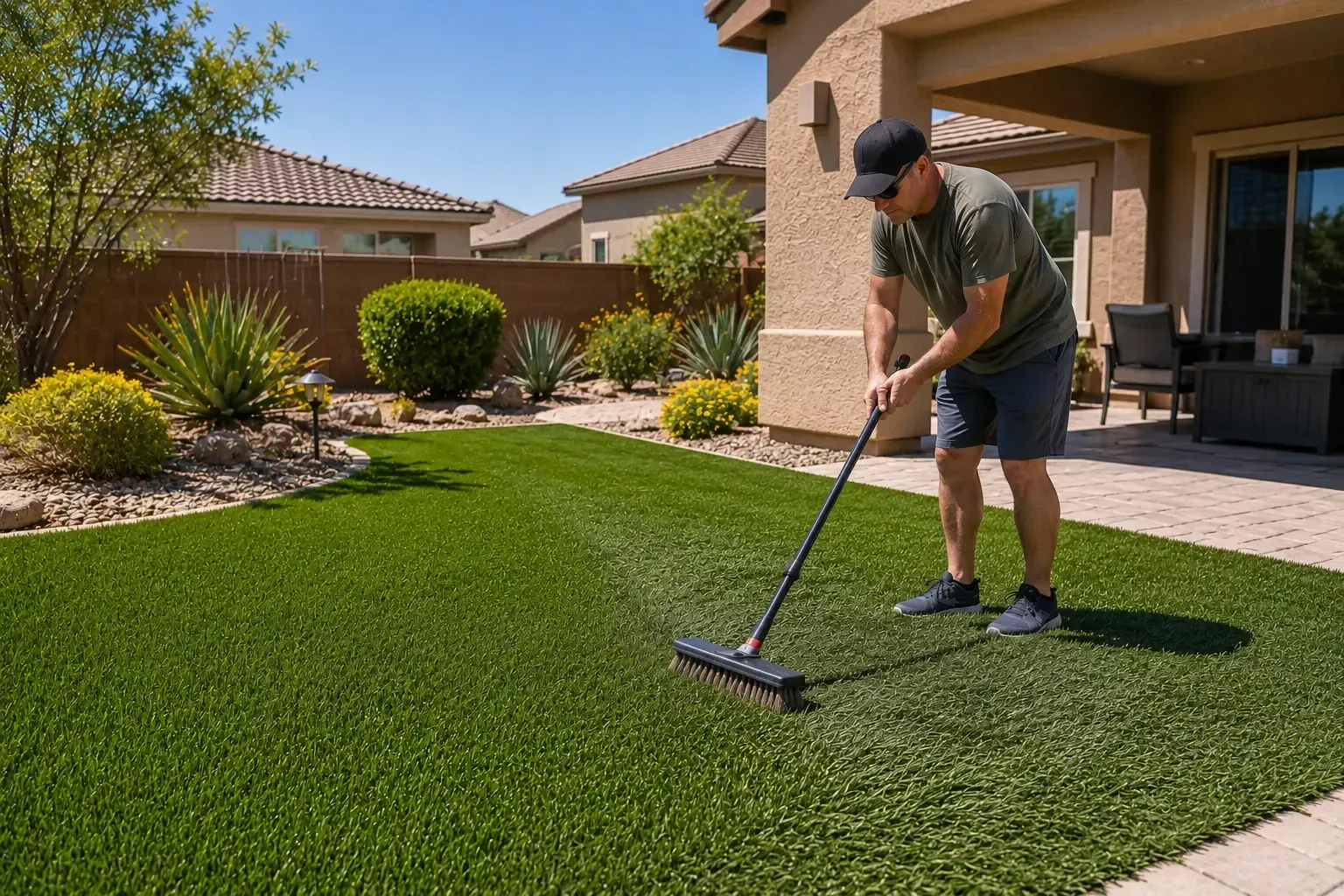
* Brush your lawn every two weeks with a stiff-bristled, non-metal push broom to keep fibers standing tall.
* Low infill is a major cause of flattening; ensure your lawn has adequate sand or rubber support at the base.
* Professional power brooming offers the safest and most effective way to restore heavily matted synthetic grass.
Artificial grass gives homeowners a beautiful, green yard all year long. It requires far less water and maintenance than a traditional lawn. However, synthetic lawns still need some basic care. Over time, you might notice the grass blades starting to lay flat. This matting effect can make your yard look worn and unnatural.
If your synthetic grass is losing its upright posture, do not worry. Flattening is a completely normal part of owning a synthetic lawn. You can easily fix it with the right tools and techniques.
The experts at Henderson Artificial Turf understand the unique landscaping needs of Nevada residents. We know exactly what causes synthetic grass to lose its shape. More importantly, we know how to restore it.
Common Reasons Your Synthetic Grass Looks Flat
Several daily factors contribute to flat synthetic grass. Understanding these causes helps you prevent severe matting in the future.
High Foot Traffic Areas
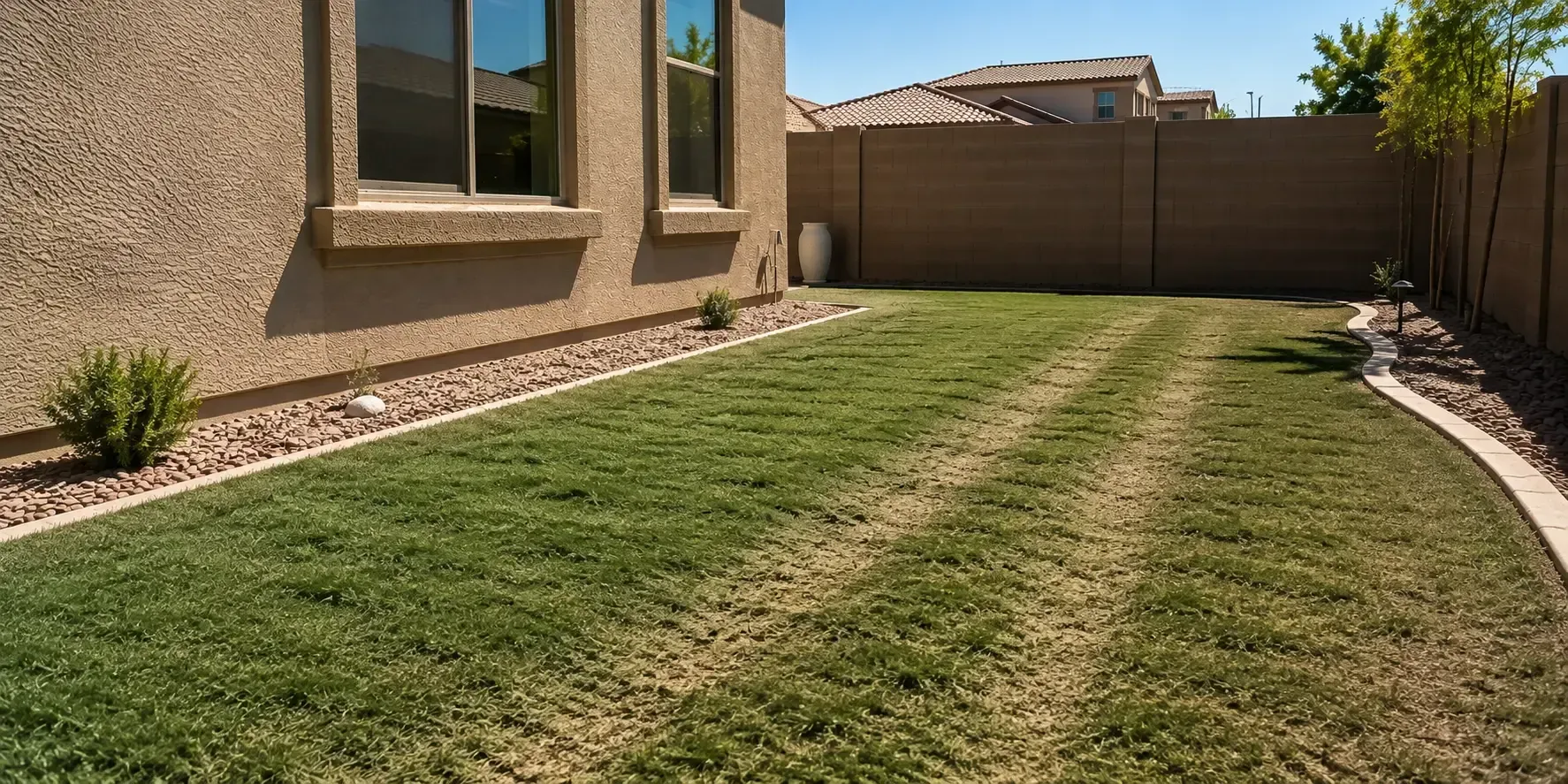
Constant walking is the leading cause of matted synthetic grass. Families with active children or large dogs often see clear paths form in their yards. When heavy feet constantly step on the exact same areas, the plastic fibers bend under the pressure. Over time, the blades settle into a flattened position.
Heavy Outdoor Furniture
Many homeowners love setting up patio chairs, tables, and fire pits on their lawns. Heavy objects place continuous pressure on the grass blades beneath them. If you leave a heavy table in one spot for several months, the fibers underneath will compress tightly. Inflatable pools and large planters cause similar issues.
Low Infill Levels
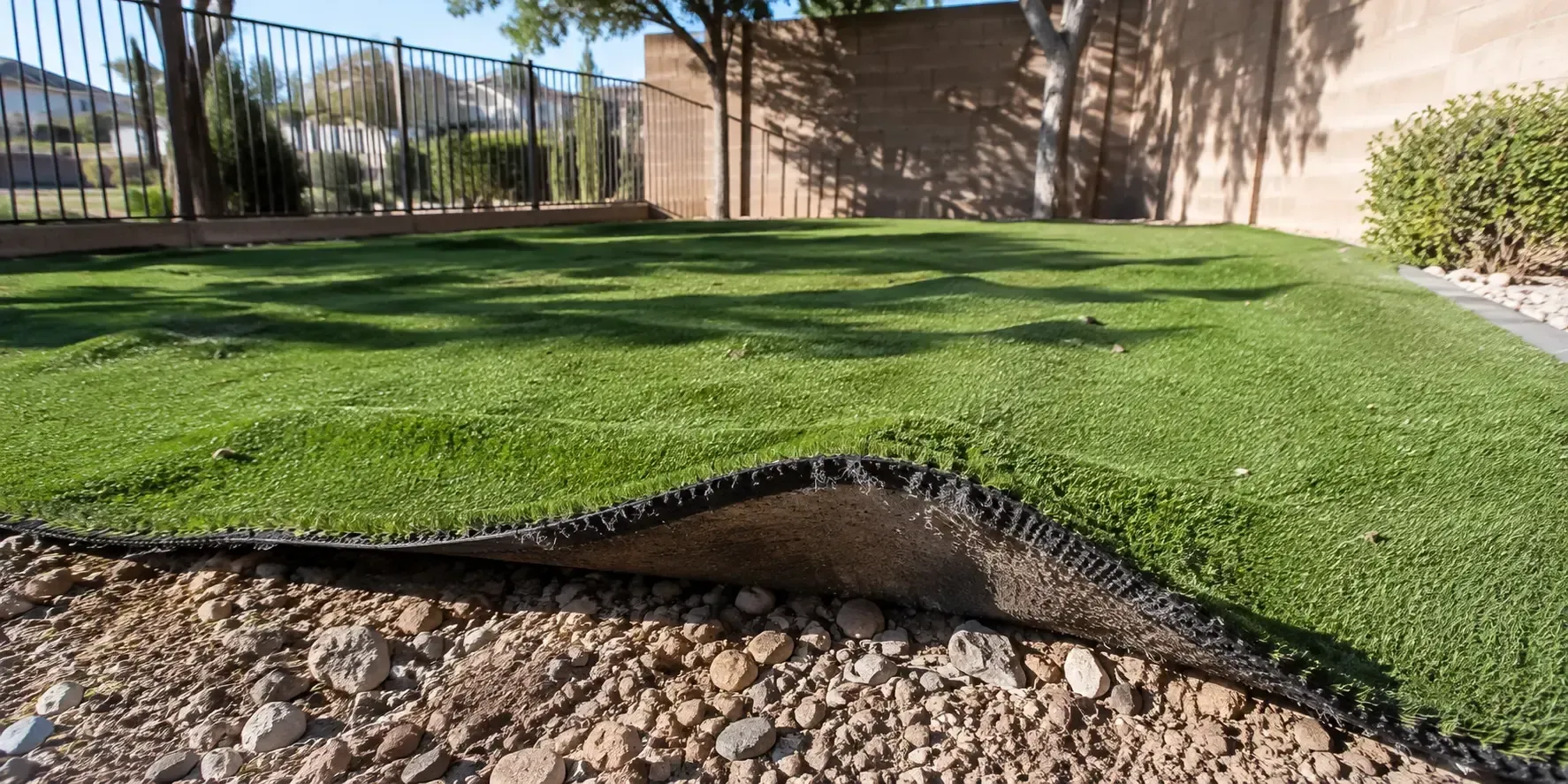
Infill is the supportive material spread between the grass blades. It usually consists of fine silica sand or small rubber crumbs. Infill adds weight to the lawn backing. It also acts like dirt, holding the synthetic blades upright. Rain, wind, and daily use can displace this infill over time. When the infill levels drop too low, the grass blades lose their structural support and fall over.
Maintenance Tool Comparison Guide
Choosing the right tool for your yard is very important. Using the wrong equipment will cause permanent damage. Review this simple guide before starting any maintenance.
| Maintenance Tool | Best Use Case | Risk of Damage | Email Address |
|---|---|---|---|
| Synthetic Push Broom | Weekly brushing and light matting | Very Low | Medium |
| Metal Garden Rake | Never use on synthetic lawns | Extremely High | N/A |
| Motorized Power Broom | Annual deep cleaning and restoration | Low | Low (if handled by pros) |
| Leaf Blower | Removing light leaves and loose debris | Very Low | Low |
| Drop Spreader | Applying even layers of fresh infill | Low | High |
The Impact of the Henderson Climate
The local weather plays a major role in lawn maintenance. Henderson, Nevada experiences intense summer heat. The bright desert sun heavily impacts synthetic materials.
When synthetic grass gets extremely hot, the plastic polymers become softer and more pliable. Soft fibers bend much easier than cool, rigid fibers. If you walk on your lawn during a hot July afternoon, the blades will flatten faster.
Dust from the surrounding desert also settles deep into the turf. This dust mixes with natural oils and pet waste. It creates a sticky residue that weighs the grass blades down. Keeping the turf clean is vital for maintaining an upright appearance.
Simple DIY Methods to Restore Your Lawn
You can restore most minor matting with a little bit of weekend effort. Consistent maintenance keeps your yard looking fresh and realistic.
Cross-Brushing the Grass
Brushing is the most effective way to fix flat turf. You need a stiff-bristled push broom with synthetic bristles. Never use a metal rake or wire brush. Metal tools will tear the lawn backing and ruin the fibers permanently.
To cross-brush your lawn, simply sweep the broom against the natural grain of the grass. Push the flattened fibers in the opposite direction they are leaning. This forces the blades to stand up straight. Brush high-traffic areas at least once every two weeks. You can brush less frequently used areas once a month.
Rinsing the Fibers
Water is highly effective for cooling and cleaning synthetic grass. Before you brush the lawn on a hot day, spray it down with a garden hose. The cool water lowers the temperature of the plastic blades. This makes the fibers stiffer and easier to brush upright.
Rinsing also removes the heavy dust and sticky debris weighing the blades down. For homes with pets, regular rinsing prevents unpleasant odors from soaking into the backing.
Professional Artificial Turf Services for Long-Term Results
Sometimes, a standard push broom is not enough. If your lawn has been flat for years, DIY methods might barely make a difference. This is when you need to call in the experts.
Professional Artificial Turf Services provide heavy-duty solutions for severely matted yards. Our trained technicians use specialized equipment to restore your lawn quickly and safely.
Advanced Power Brooming
A power broom is a heavy machine equipped with a spinning cylindrical brush. It rotates at high speeds to lift deeply compressed grass blades. Power brooming is highly effective for heavily matted areas. It safely pulls up the fibers without damaging the delicate base layer.
Our team recommends a professional power brooming session at least once a year. This annual reset keeps your lawn looking brand new and extends its overall lifespan.
Expert Infill Replacement
If your lawn lacks structural support, brushing will only work for a few days. The blades will simply fall over again. Professional services include thorough infill top-offs.
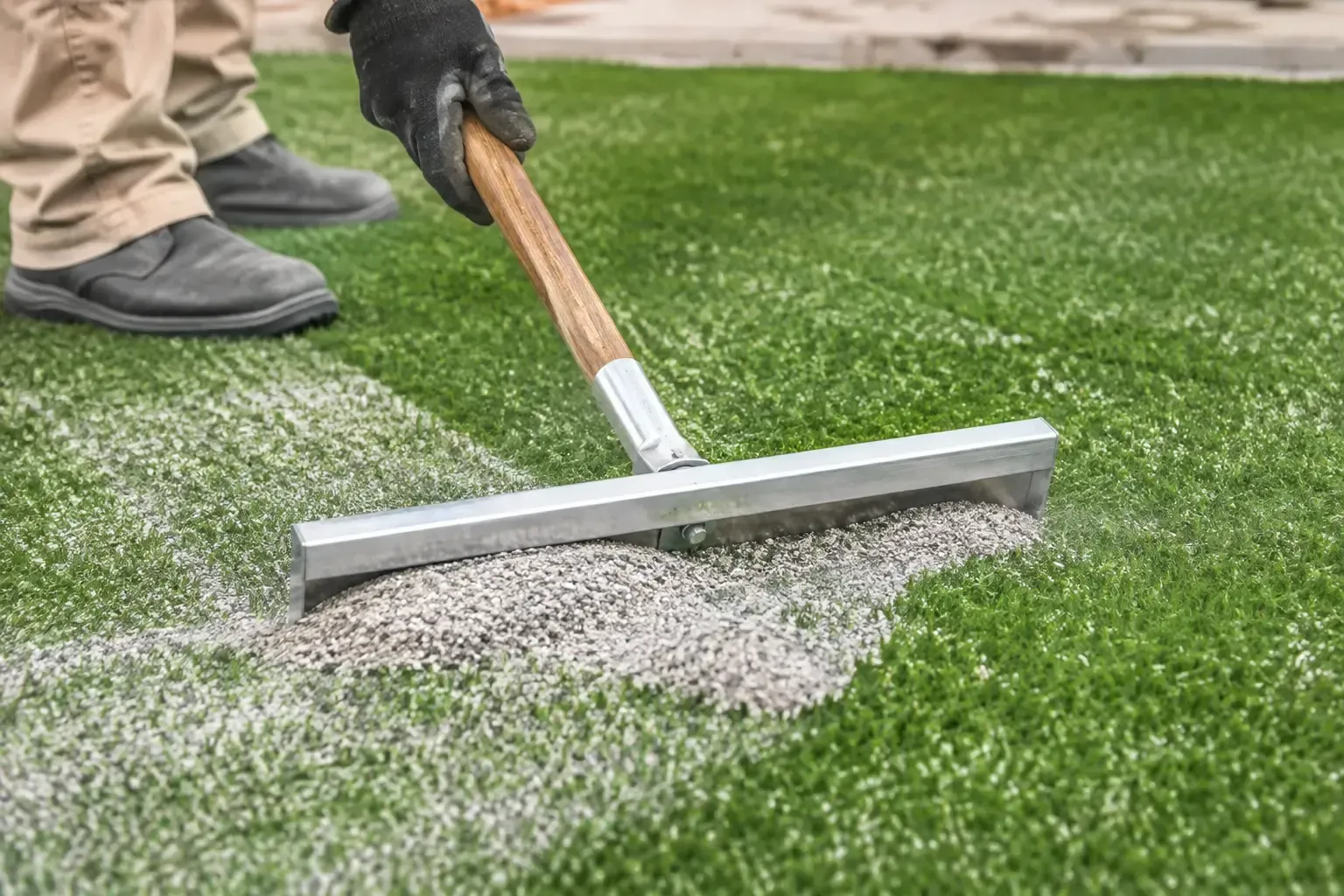
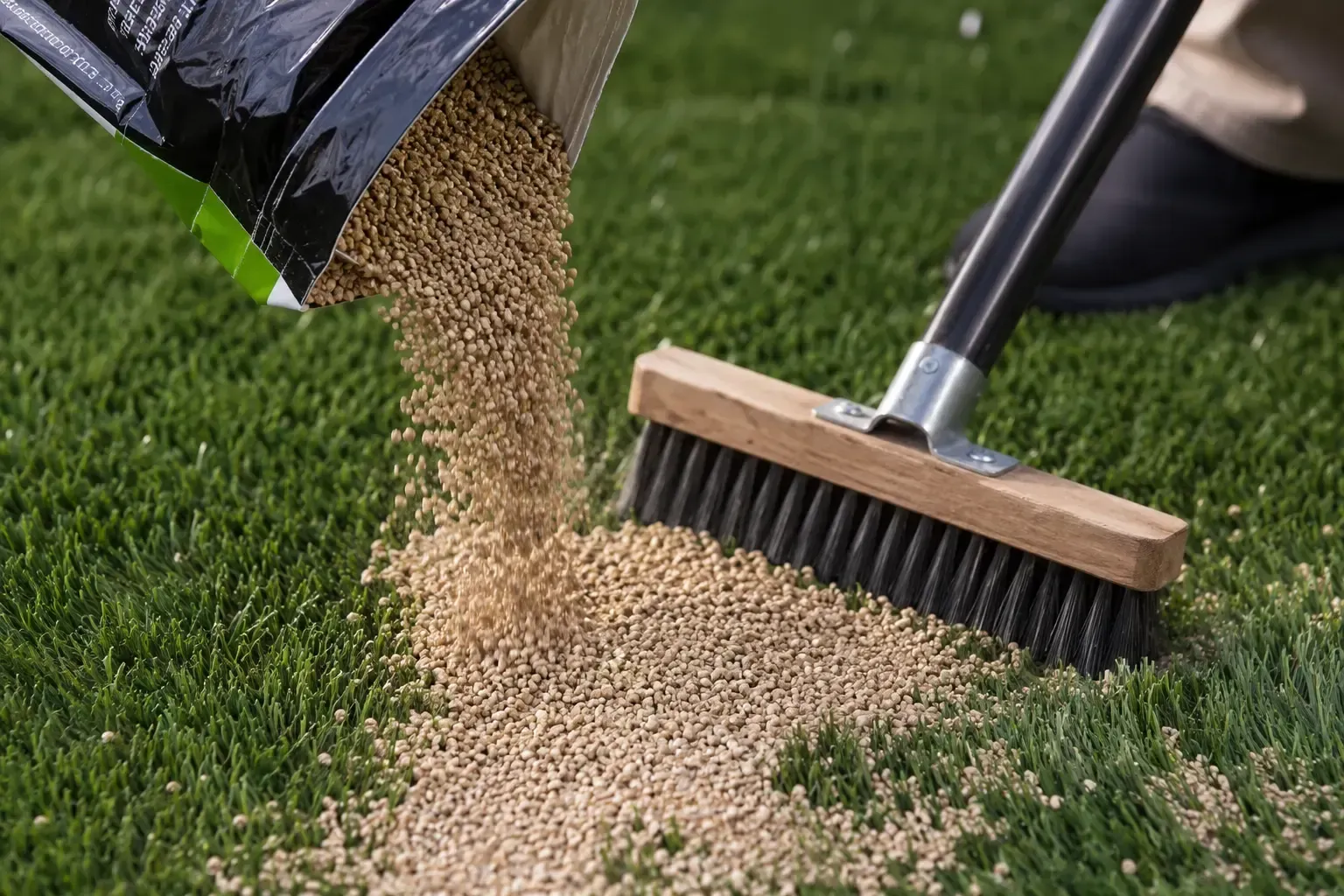
Technicians will measure your current infill depth. They will then spread fresh, high-quality infill evenly across your entire yard. They use specialized drop spreaders to ensure perfect coverage. Finally, they use a power broom to work the new infill deep into the roots of the synthetic grass.
If you are a homeowner interested in upgrading your yard, explore our residential artificial turf solutions to learn more about our maintenance options.
Preventative Care for Long-Lasting Turf
Stopping the grass from flattening in the first place is the best strategy. You can protect your investment with a few simple habits.
First, rotate your heavy yard furniture. Move your patio chairs and tables slightly every few weeks. This prevents the legs from crushing the same spot permanently.
Second, vary your walking paths. Try not to walk the exact same line across the yard every single day. Encouraging children and pets to use the entire lawn distributes the wear and tear evenly.
Finally, keep an eye on your infill levels. If you notice the grass blades looking completely flat after a heavy rainstorm, you probably lost some infill. Addressing low infill immediately prevents long-term fiber damage
Frequently Asked Questions
How often should I brush my artificial lawn?
You should brush high-traffic zones every one to two weeks. Areas with very little foot traffic only need brushing once a month. Consistent brushing prevents the fibers from becoming permanently creased.
Can flattening cause permanent damage to the fibers?
Yes. If heavy furniture sits on the exact same spot for years, the plastic fibers can crease permanently. Moving objects regularly and adding proper infill prevents this irreversible damage.
What type of broom is safest for synthetic grass?
Always use a push broom with stiff synthetic bristles. You can also use a specialized carpet rake. You must never use metal rakes, steel brushes, or anything with sharp points.