What Happens If Artificial Turf Is Installed Without a Proper Base?
Key Takeaways and Insights
Installing artificial turf without a proper compacted aggregate base leads to disastrous long-term consequences. The foundation is crucial for facilitating drainage, preventing wrinkles, and neutralizing severe pet odors. Investing in professional excavation and the correct base materials protects your landscape investment and complies with Henderson water restrictions.
* A missing base causes native soil to shift, resulting in deep dips and tripping hazards.
* Poor drainage from direct soil installation traps pet urine, creating unbearable odors in the desert heat.
* Proper base materials like crushed stone or decomposed granite stop weed growth and provide a flawless surface for backyard putting greens.
The Hidden Dangers of Skipping the Base Layer in Artificial Turf Installation
Henderson residents know the immense value of a vibrant yard. The harsh desert sun makes growing natural grass incredibly difficult. Synthetic grass offers a brilliant solution. It stays green all year round. It requires no mowing. It saves thousands of gallons of water.
Many people focus entirely on the grass blades. They compare pile heights, colors, and textures. The visible surface is certainly important. However, the most critical part of your new lawn sits entirely out of sight.
The foundation beneath the grass dictates the lifespan of the entire project. Skipping or rushing this base layer leads to catastrophic failure. Installing synthetic grass over plain dirt is a massive mistake. The consequences reveal themselves quickly. The damage is often expensive to fix.
Why the Base Matters for Artificial Turf Services
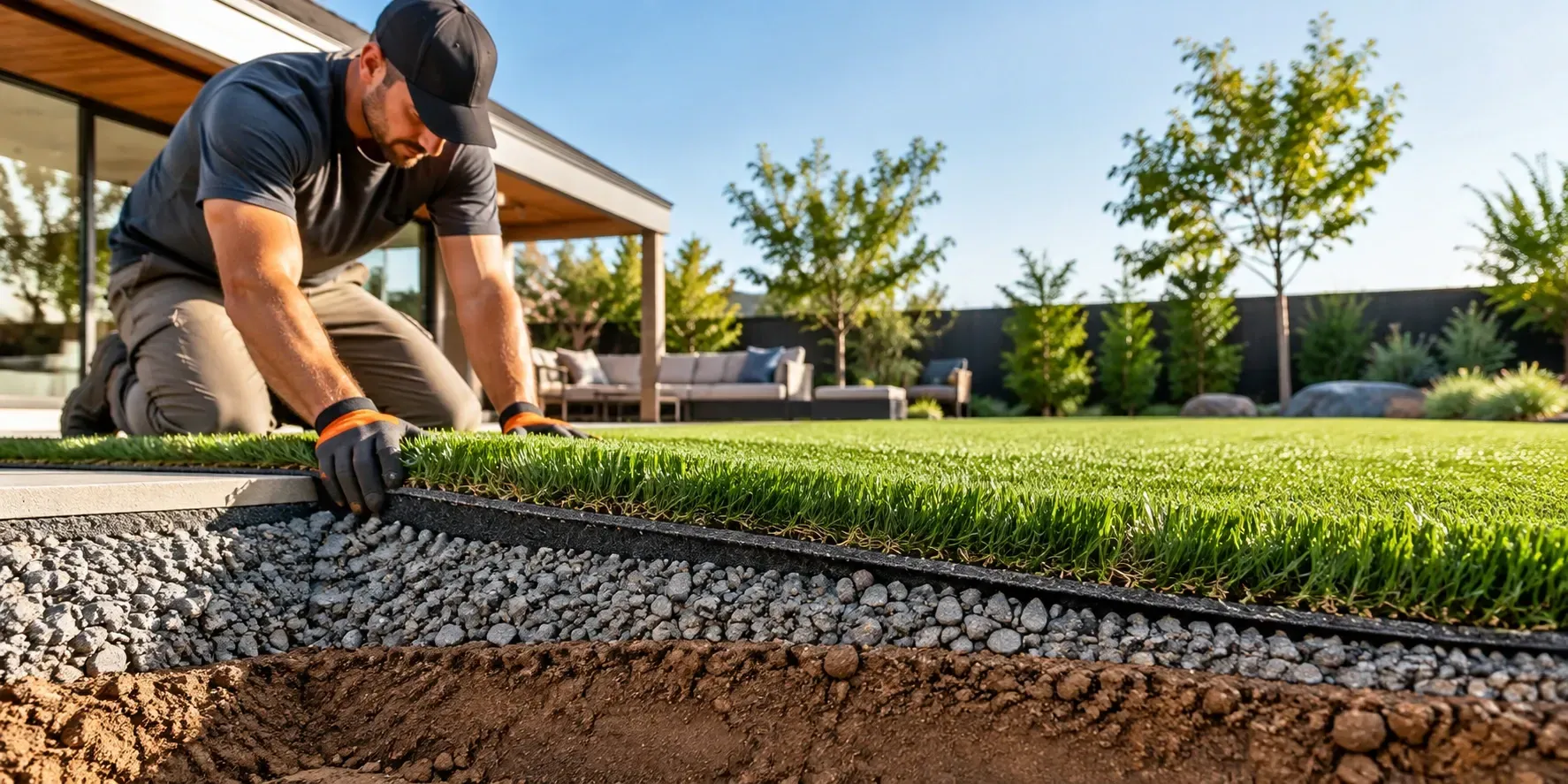
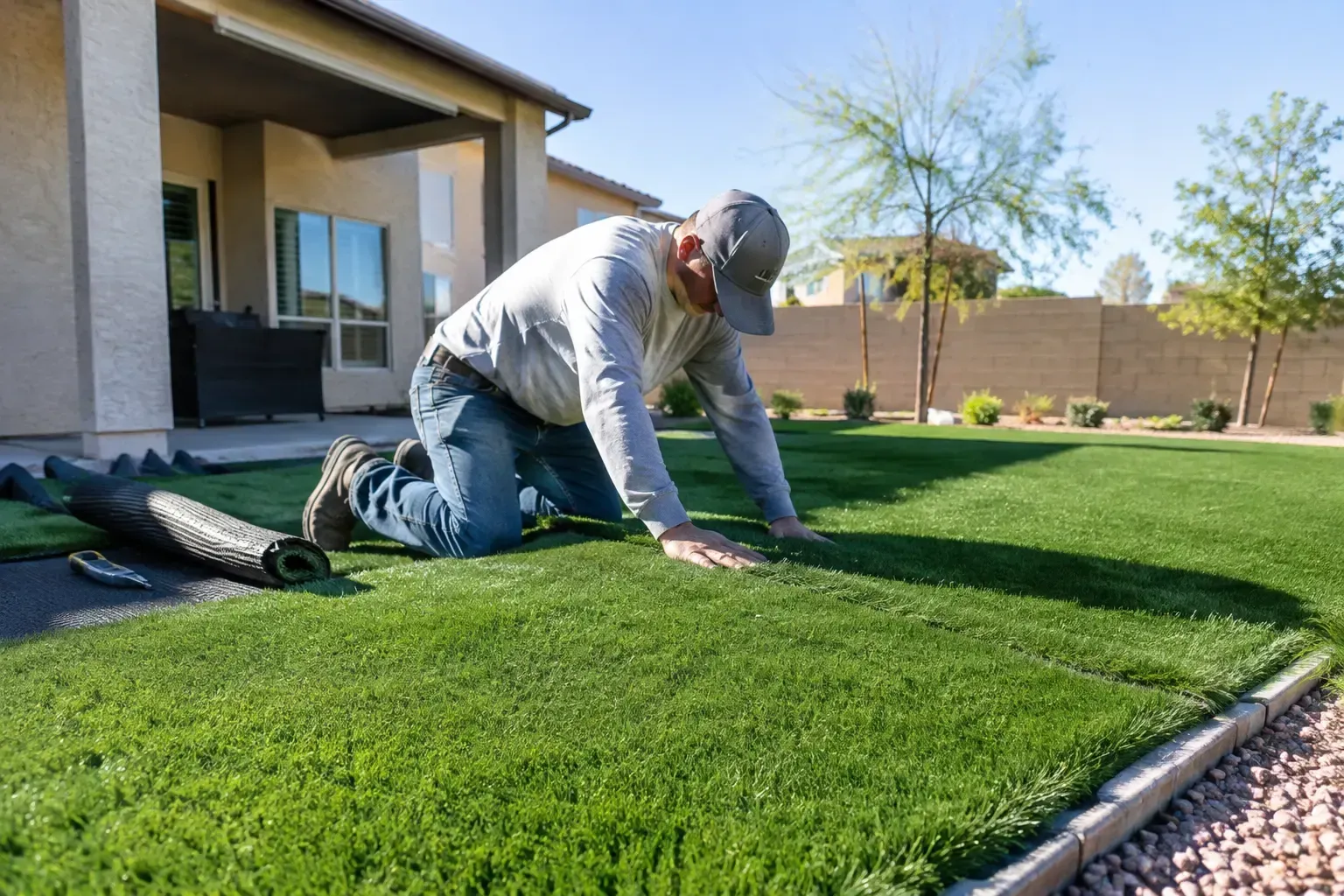
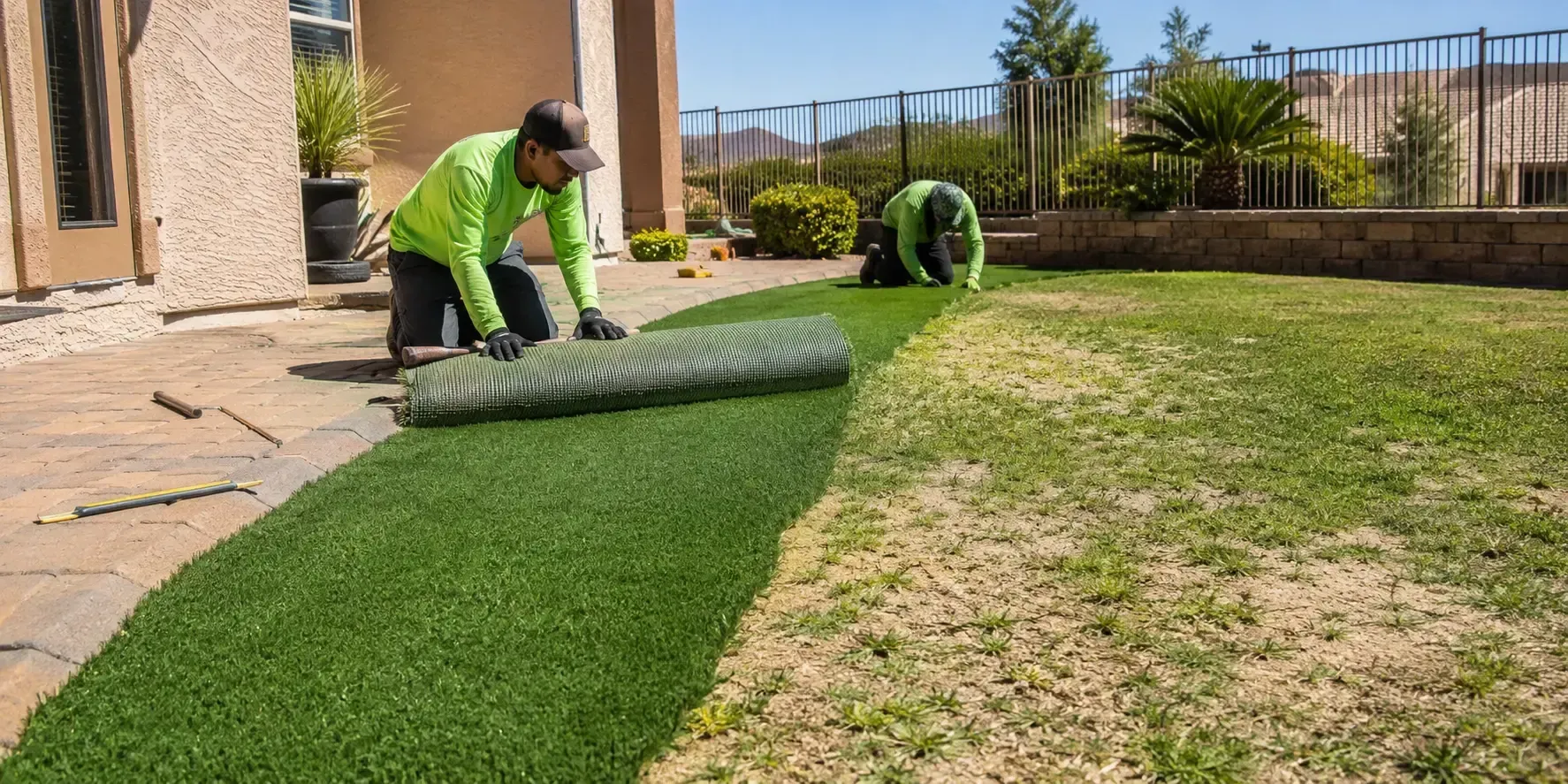
Professional Artificial Turf Services rely on complex groundwork. A proper installation requires excavating the existing soil. Technicians remove three to four inches of native dirt. They replace this void with a specialized crushed rock base.
This aggregate layer serves multiple crucial purposes. It creates a perfectly level surface. It allows water to pass through into the earth below. It prevents the native soil from shifting during temperature changes.
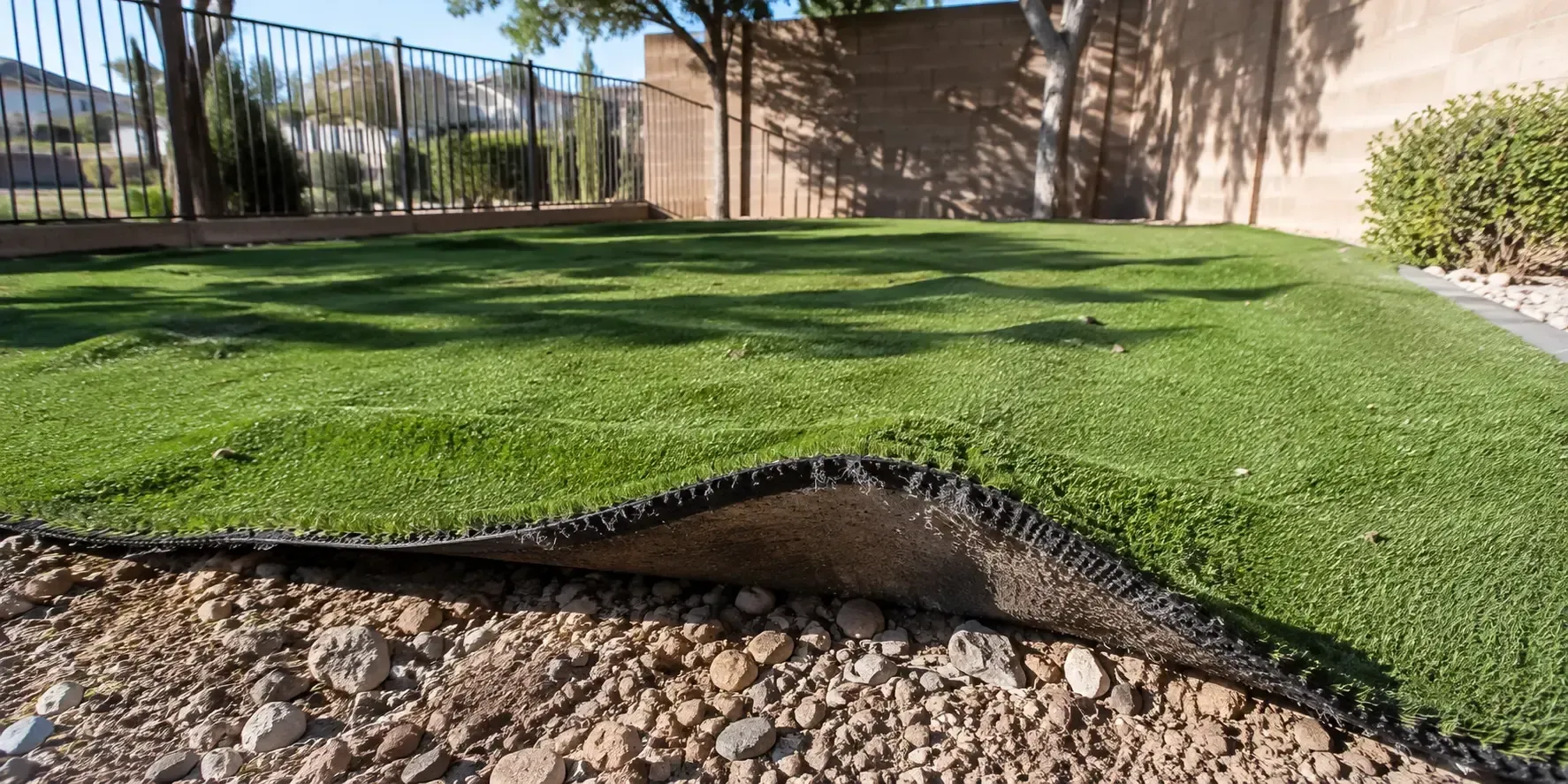
If a contractor skips this step, the synthetic grass sits directly on native Nevada soil. Henderson soil is notorious for its poor composition. It often contains hard caliche or expansive clays. These native soils move, settle, and trap moisture.
Severe Drainage Failures and Puddles
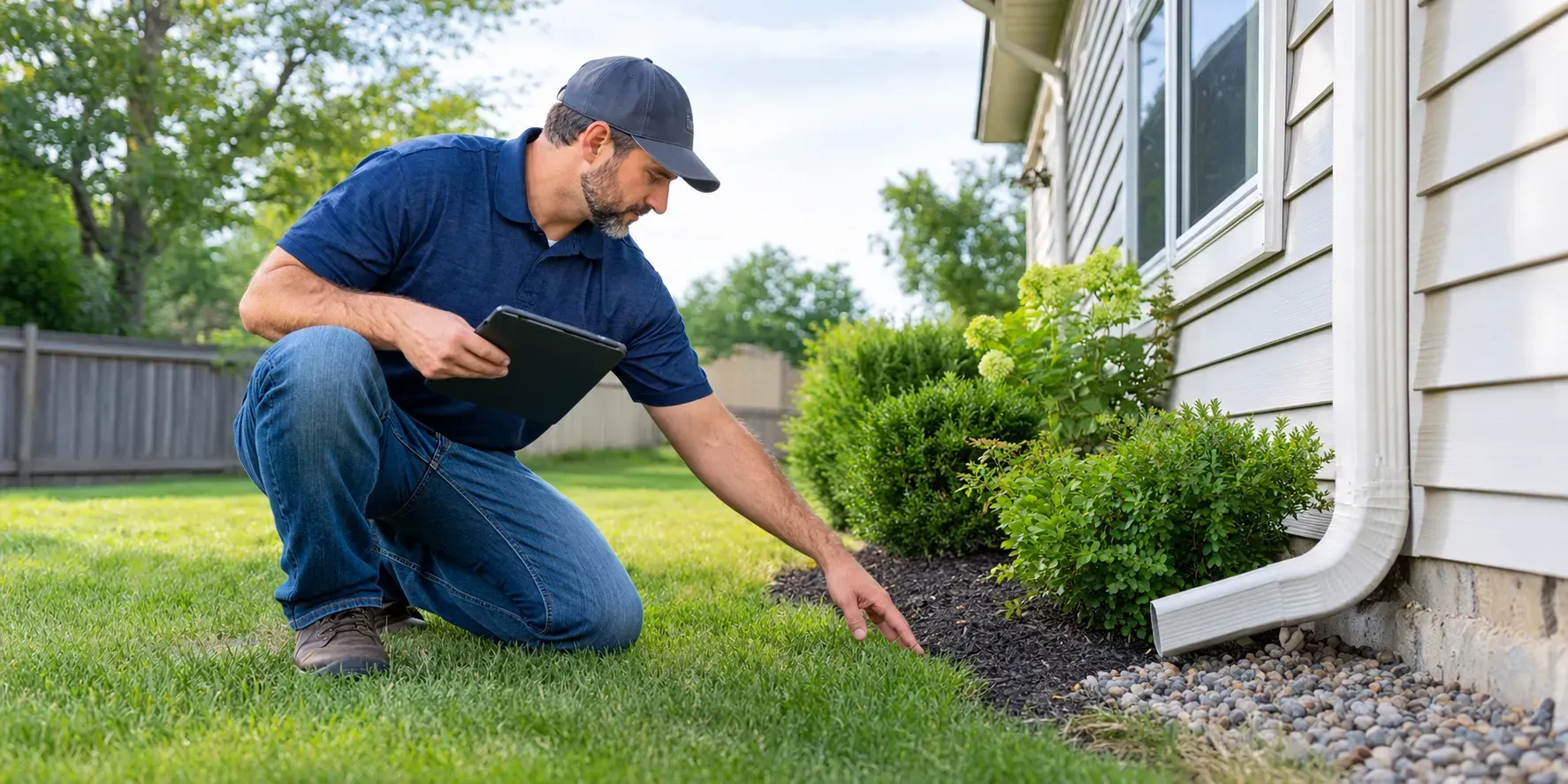
Nevada experiences sudden, heavy rainstorms. The desert ground does not absorb water quickly. When rain hits a proper turf installation, the water drains through the backing. It then enters the crushed stone base. The stone base acts like a sponge and a filter. It holds the water temporarily while it slowly seeps into the ground.
Without this engineered base, water hits the hard native soil and stops. It pools under the synthetic backing. The water eventually rises above the grass blades. Your yard turns into a massive puddle. Standing water breeds mosquitoes. It degrades the adhesive holding the grass seams together. Eventually, the seams burst and require total replacement.
Wrinkling, Shifting, and Sinking Ground
Native soil shifts constantly. When it gets wet, it expands. When it dries out in the summer heat, it contracts. This constant movement destroys synthetic lawns.
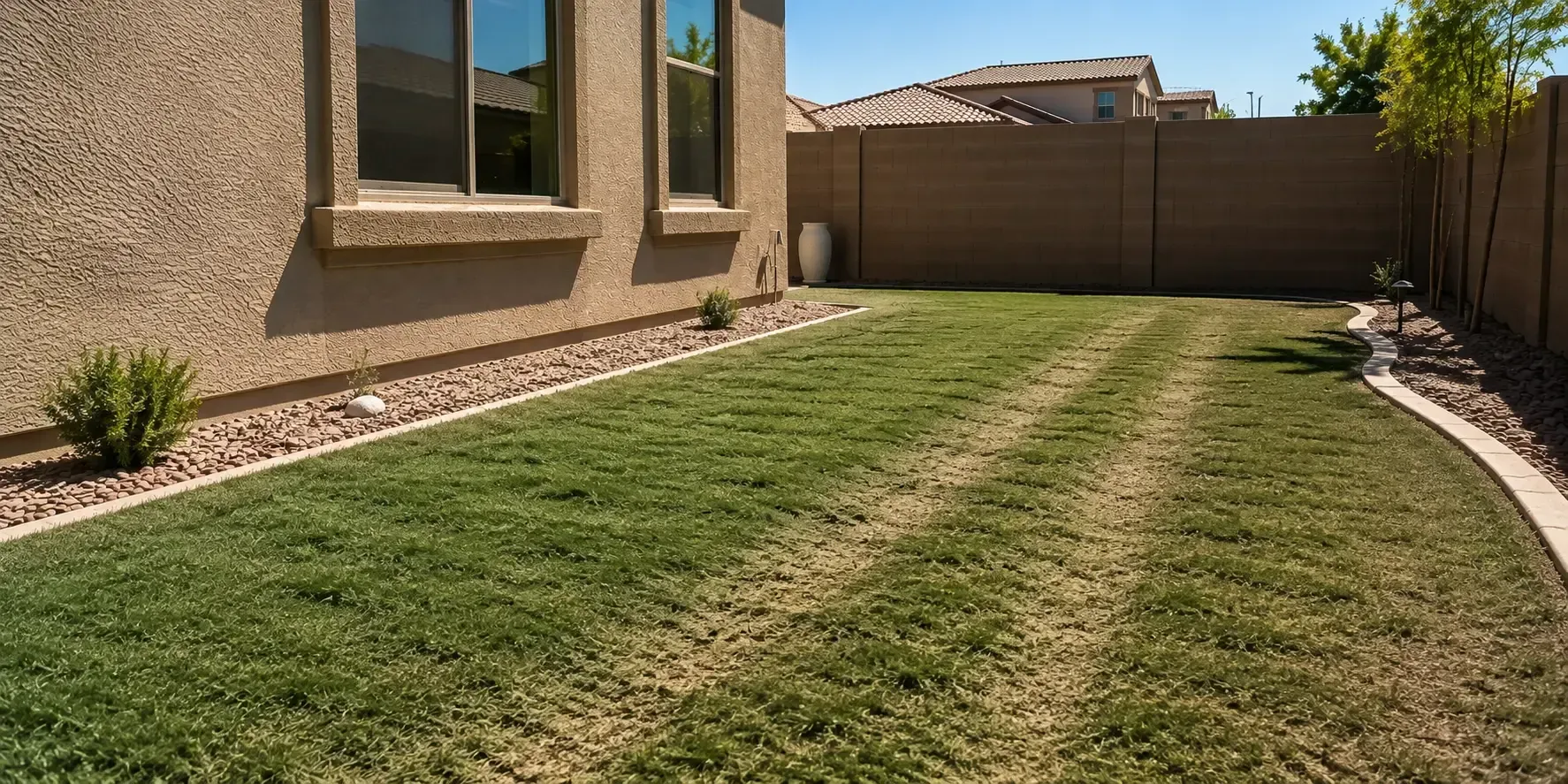
If you lay turf directly on top of dirt, the ground will settle unevenly. A few months after installation, you will notice deep dips. High spots will appear randomly. The turf itself will begin to buckle. Large wrinkles will form across your lawn. These wrinkles are tripping hazards. They look terrible and ruin the aesthetic appeal of your property.
A compacted aggregate base prevents this movement. The heavy stone locks into place. It separates the fragile turf backing from the volatile native soil.
The Disastrous Impact on Pet Areas
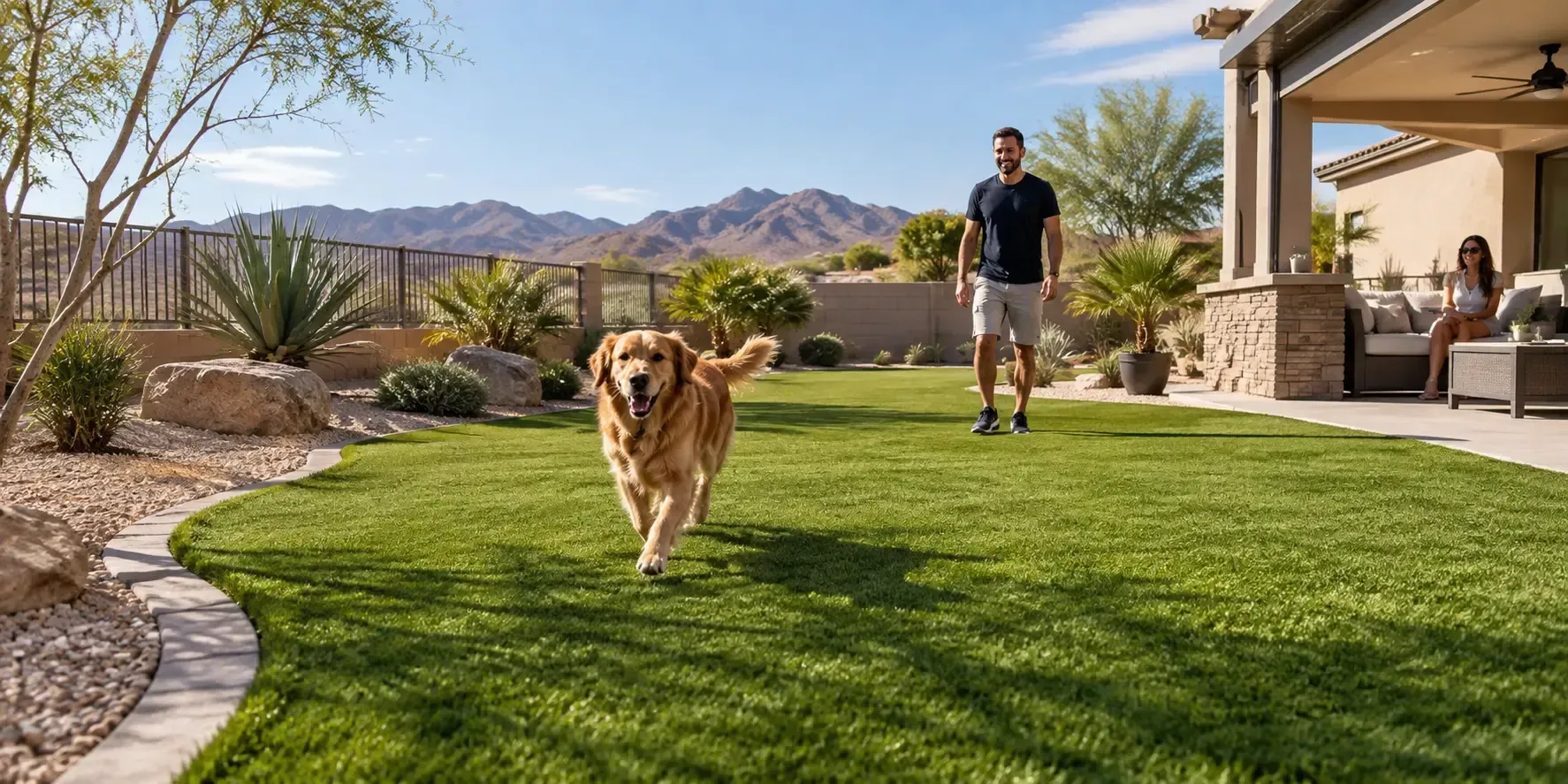
Many homeowners upgrade their yards specifically for their dogs. Synthetic grass is a fantastic option for pets. It prevents muddy paws from entering the house. It stops dogs from digging massive holes.
However, pet areas demand flawless base preparation. When a dog urinates on natural grass, the soil absorbs the liquid. When a dog urinates on synthetic grass, the liquid must pass through to the base below.
If there is no proper drainage base, the urine gets trapped. It sits directly beneath the backing. The Henderson summer heat bakes this trapped urine. The resulting ammonia odor becomes entirely unbearable. You will not be able to use your backyard.
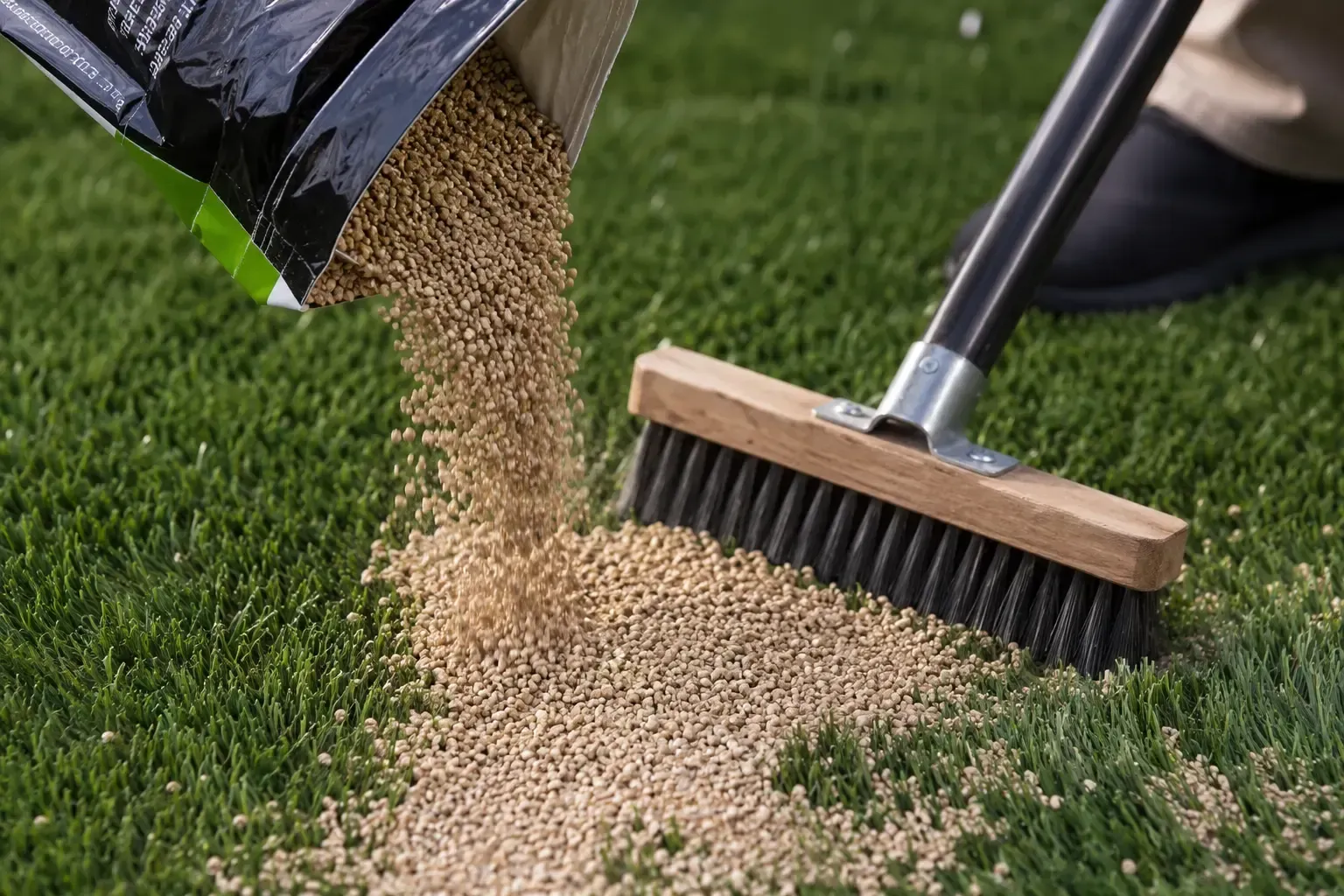
A correct installation uses a highly permeable base material. Professionals often add antimicrobial infill to neutralize odors. Without a porous foundation, no amount of chemical cleaner will remove the smell. The only solution is to rip up the turf and start over.
Navigating Henderson Water Restrictions
Water conservation is a serious issue in Southern Nevada. The local government enforces strict rules regarding residential landscaping. Henderson heavily restricts new grass installations in front yards. The city also limits the square footage of natural grass permitted in side and rear yards.
These water restrictions drive the high demand for synthetic alternatives. Homeowners want functional outdoor spaces without violating local ordinances. Synthetic lawns allow you to build beautiful play areas for children. They provide lush entertaining spaces without increasing your water bill.
Because turf is a long-term investment to comply with water laws, it must be installed correctly. A failed installation negates the financial benefits. If you have to replace your lawn after two years due to poor ground preparation, you lose your return on investment.
Comparing Base Materials: What Goes Under Your Lawn
Not all base materials provide the same results. Using the wrong type of rock is almost as bad as using no rock at all. Never allow an installer to use plain sand as a base. Sand washes away easily during heavy rains. It also shifts under foot traffic.
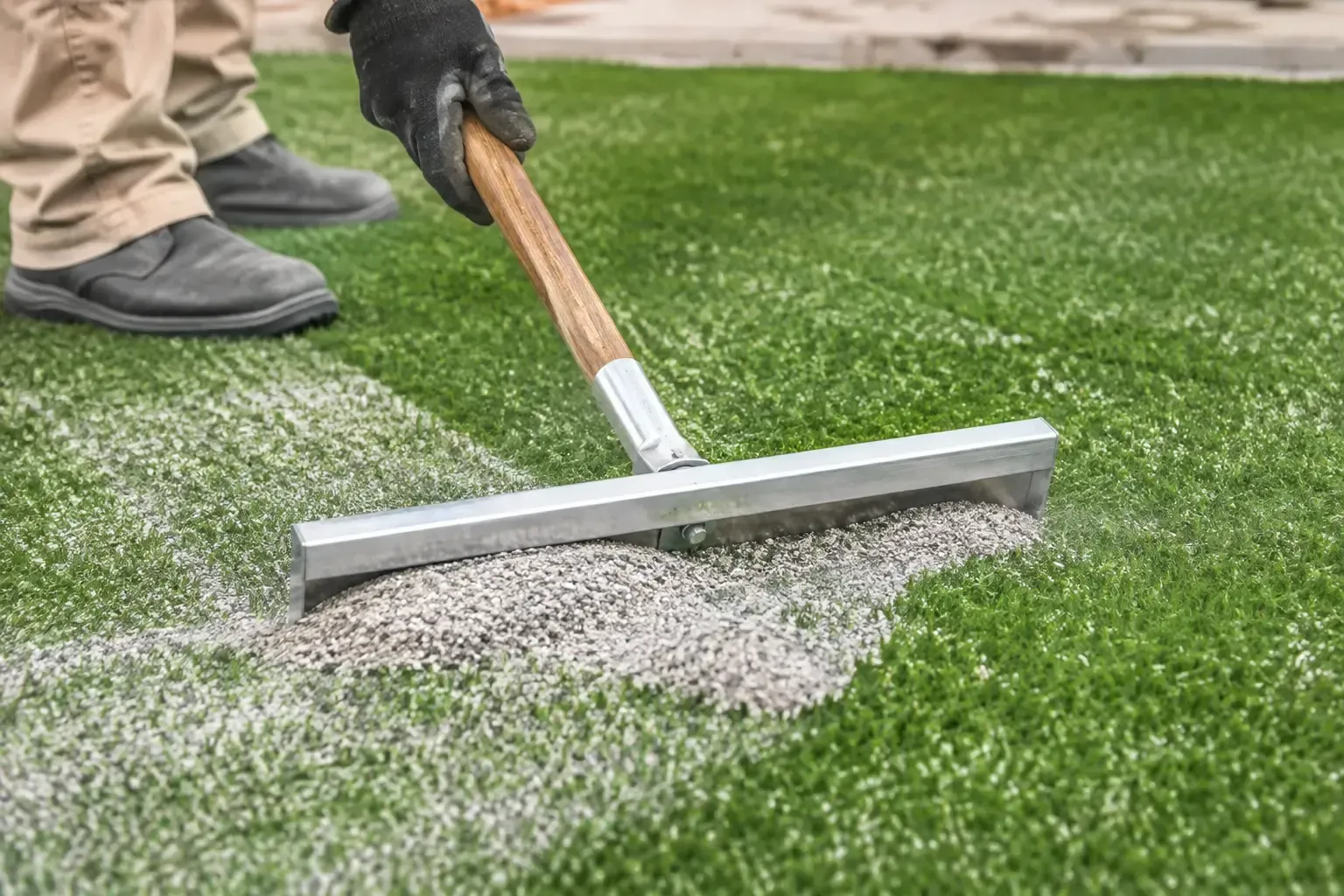
Professional installers use specific grades of crushed rock. The stone must have sharp, jagged edges. Jagged edges lock together tightly when compacted with a heavy plate tamper. This creates a surface as solid as concrete but porous enough for drainage.
| Base Material Type | Drainage Speed | Compaction Strength | Best Application |
|---|---|---|---|
| Class II Road Base | Moderate | Very High | Driveways and heavy commercial traffic. |
| Crushed Stone (3/8 inch) | Excellent | High | Residential lawns and general pet areas. |
| Decomposed Granite (DG) | Good | High | Putting greens requiring ultra-smooth surfaces. |
| Washed Plaster Sand | Poor | Very Low | Never recommended for base layers. |
| Pea Gravel | Outstanding | Poor | French drains only. Will not compact for turf. |
The Ruined Backyard Putting Green
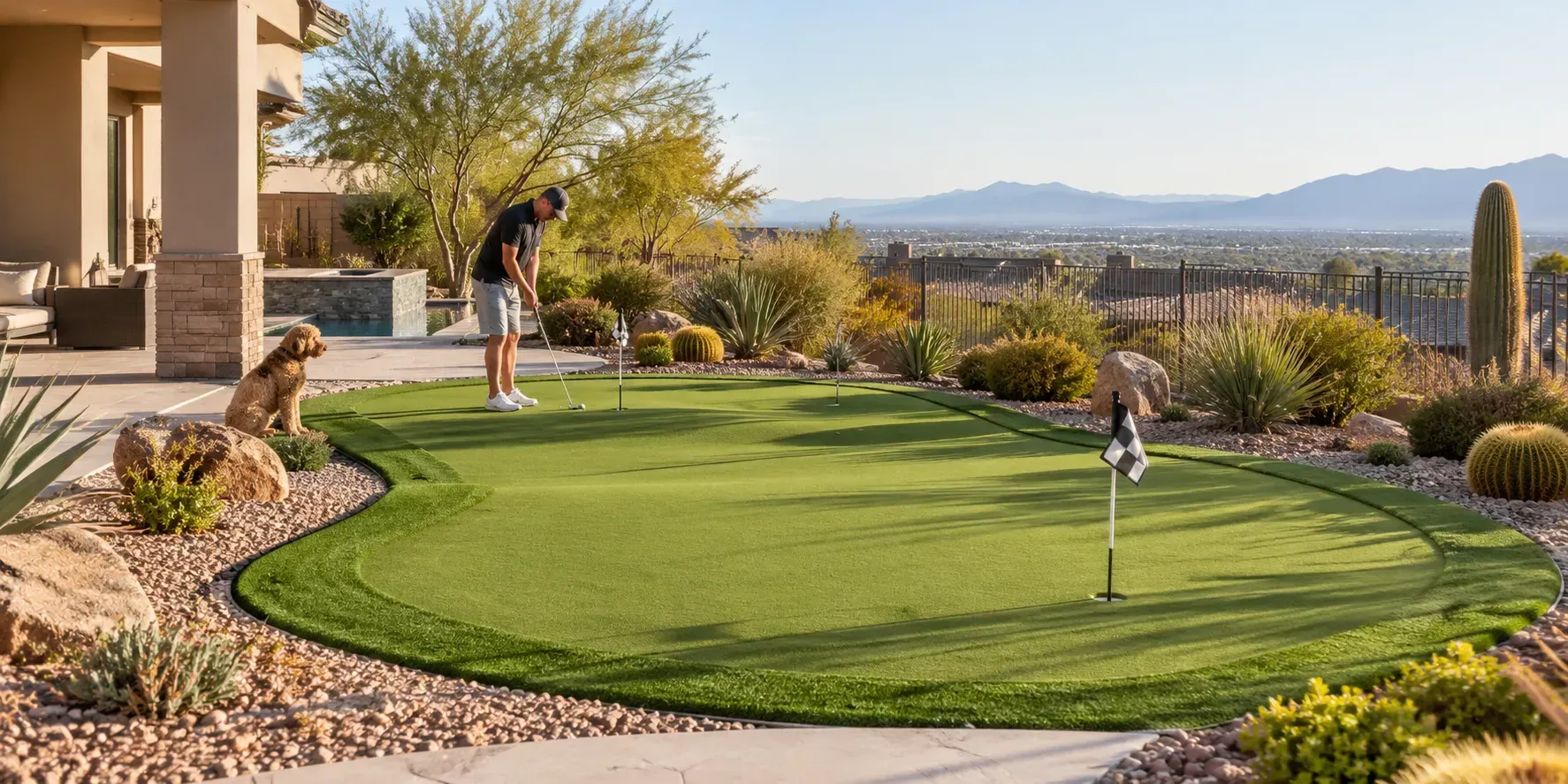
Golfers love installing personal putting greens. Practicing your short game at home is incredibly convenient. A backyard golf green requires a level of precision far beyond a standard lawn.
The base for a putting green must be absolutely flawless. A deviation of just one-eighth of an inch will alter the ball roll. If the base is skipped or rushed, the green is useless.
As the native soil settles, small divots appear under the green. The golf ball will pull aggressively toward these sunken areas. It becomes impossible to hit a straight putt. The speed of the green will vary drastically from one side to the other. Fixing an uneven putting green requires pulling up the specialized turf. The contractor must then rebuild and re-compact the entire foundation.
Weeds Will Reclaim Your Yard
Homeowners love synthetic grass because it reduces yard maintenance. Nobody wants to spend their weekends pulling weeds in the hot sun.
A major benefit of proper groundwork is weed prevention. When installers remove the topsoil, they remove millions of weed seeds. They then lay down a commercial-grade weed barrier fabric. The heavy rock base goes over the fabric. This creates an impenetrable shield against invasive plants.
If you skip the excavation and base process, weeds thrive. They will push their way straight through the drainage holes in the turf backing. Some aggressive desert weeds can even pierce the solid backing material. Within a year, your flawless green lawn will be covered in dandelions and invasive desert brush.
Protect Your Investment with Professional Execution
Synthetic grass is a significant upgrade for any property. It increases curb appeal and solves frustrating maintenance issues. To protect this investment, you must prioritize the unseen foundation.
Every yard presents a unique challenge. Some yards require extra drainage trenches. Other yards require massive amounts of soil grading. Commercial property managers often need specialized bases to handle heavy foot traffic.
Trusting a reputable company ensures your project starts with the right foundation. If you want a lawn that stays flat, drains properly, and smells fresh, demand proper base preparation. Take the time to ask your installer about their excavation process. Ask about the specific aggregate they plan to use.
If you are ready to upgrade your outdoor space with a product built to last, you need local experts. The team at Henderson Artificial Turf understands the unique soil conditions of Southern Nevada.
They build custom foundations that withstand the desert elements. To schedule a consultation and review your yard conditions, reach out to our team today.
Frequently Asked Questions
How deep should the base be for residential artificial turf?
A standard residential installation requires excavating three to four inches of native soil. This space is then filled with a specialized crushed rock aggregate. This depth ensures proper drainage and creates a stable foundation that will not sink over time.
Can I install artificial grass directly over dirt to save money?
No. Installing synthetic grass directly over plain dirt causes immediate problems. The soil will shift and create dangerous wrinkles in the turf. Furthermore, native dirt does not drain well. This leads to massive puddles, mold growth, and trapped pet odors.
Why is decomposed granite used for putting greens?
Decomposed granite consists of very fine particles. When compacted, it creates an incredibly smooth and firm surface. This level surface is mandatory for putting greens. It ensures a true, predictable ball roll without unexpected dips or bumps.