When Should Henderson Homeowners Replace Old Artificial Turf?
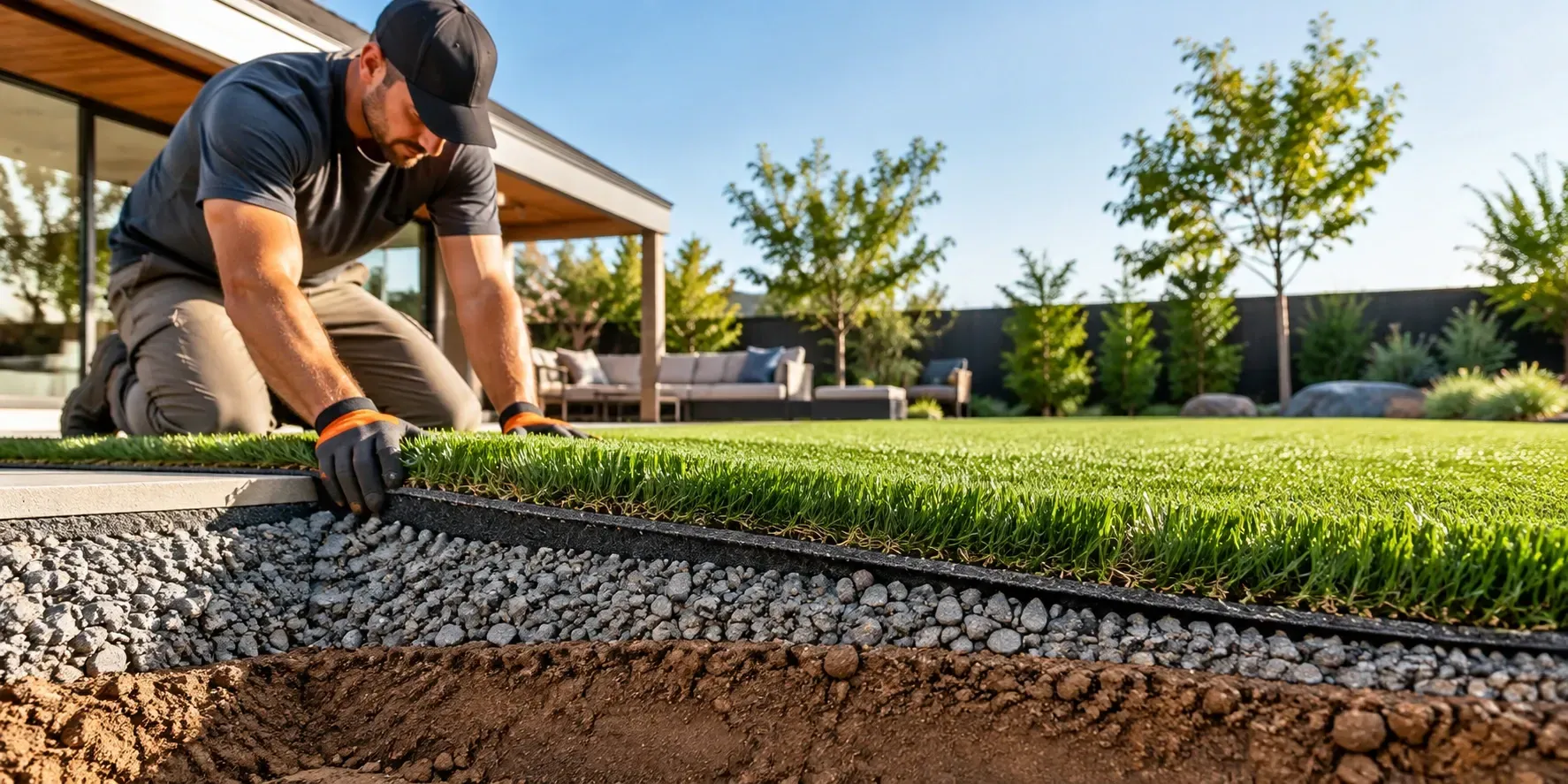
Henderson, Nevada homeowners should replace aging synthetic lawns when blades mat, seams fail, drainage stalls, or the surface no longer looks or feels safe. Henderson Artificial Turf helps owners time that decision with practical Artificial Turf Services focused on inspection, removal, and residential install not guesswork under desert heat and UV.
Key takeaways
- Replace when pile is crushed, faded, or permanently flattened in traffic lanes.
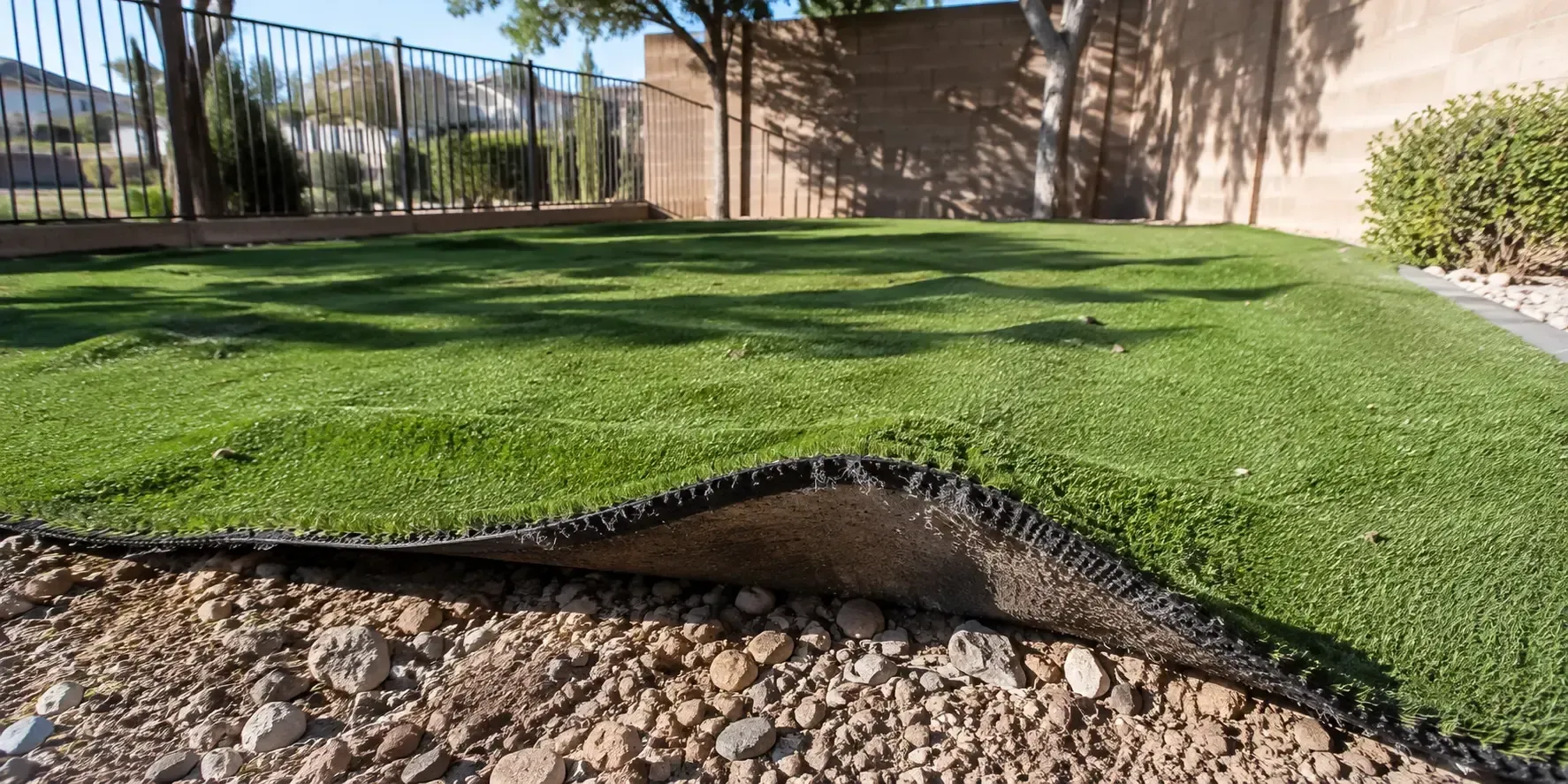
- Act sooner if seams lift, edges curl, or base drainage ponds after storms.
- Pet odor locked in backing and infill often signals full system renewal.
- Typical residential turf lasts many years; condition beats calendar age in Henderson.
- Schedule a site review before small flaws become full yard failure.
How do you know old artificial turf is past its prime?
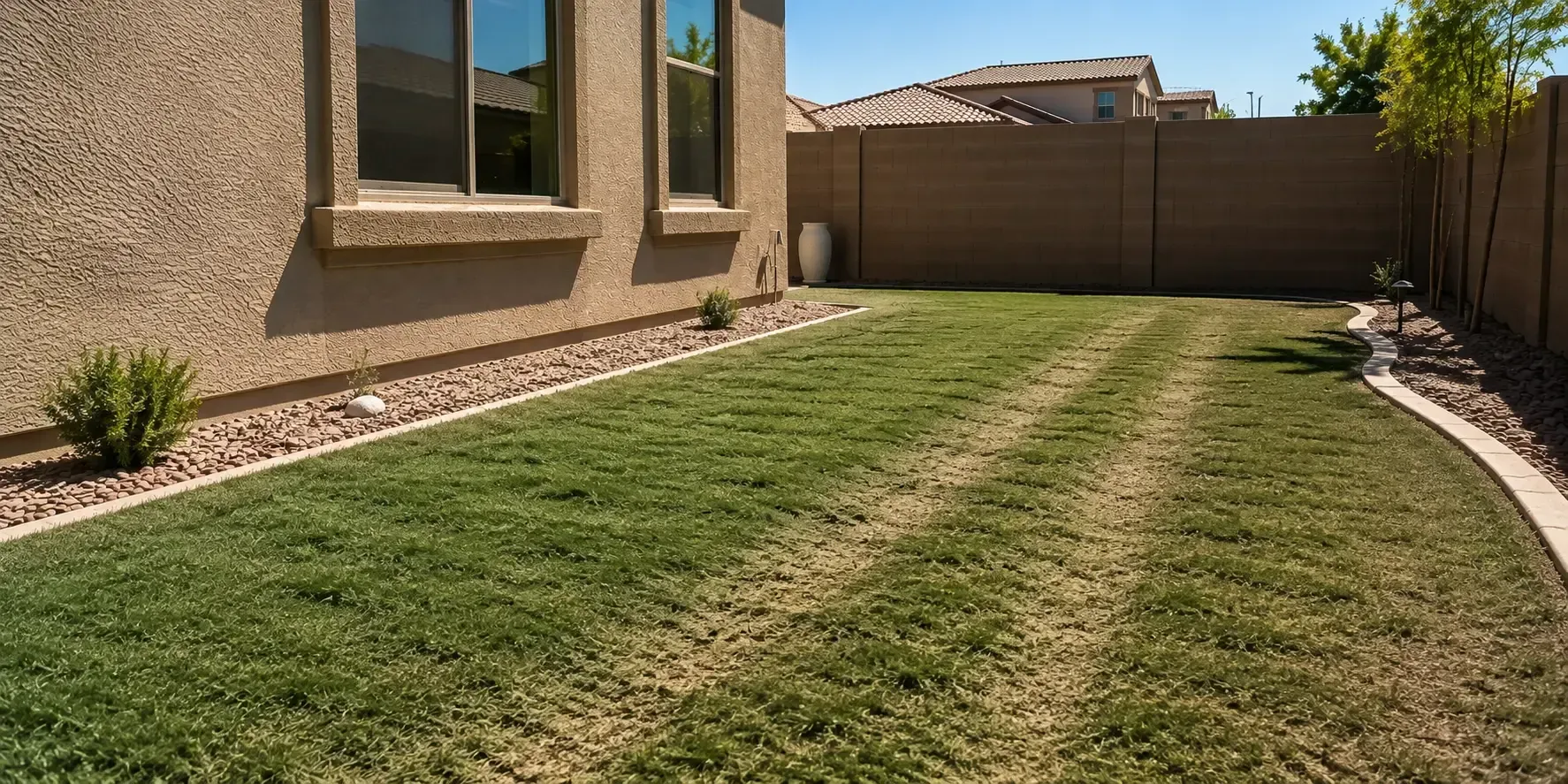
You know replacement is due when the lawn looks dull, feels stiff or slick, sheds broken fibers, holds pet smells, or puddles because the base no longer drains common after long UV exposure and heavy use in Henderson, Nevada yards that once looked new.
Which Artificial Turf Services path fits a worn Henderson lawn?
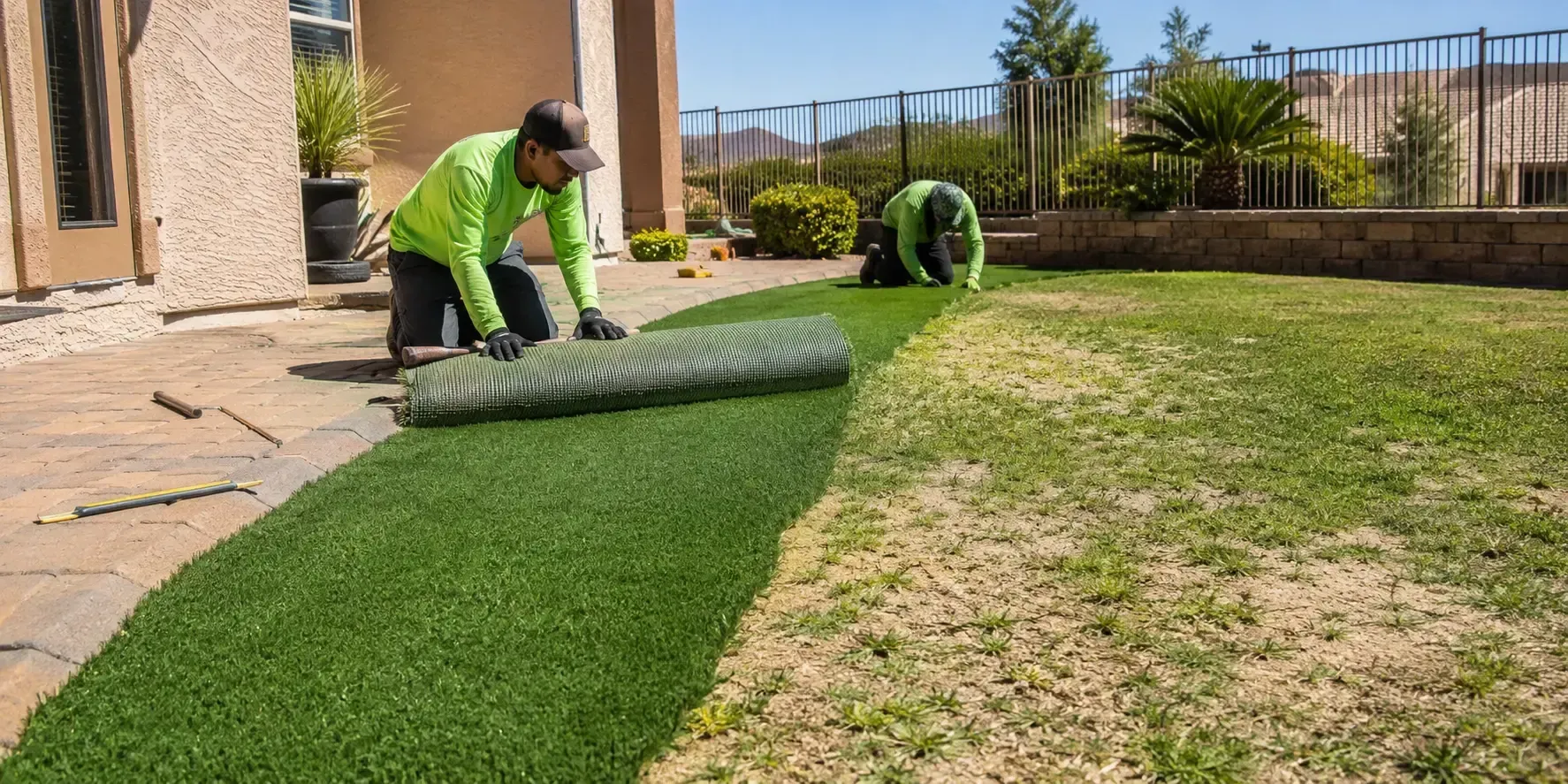
Choose full replacement when the face yarn is crushed, seams open, drainage fails, or odor is locked in the backing; choose targeted repair only for isolated edge lift or a small tear on otherwise sound turf—Henderson, Nevada heat and UV usually push multi-problem yards toward full residential renewal rather than patchwork.
| Option | Best for | Watch-out | Typical next step |
|---|---|---|---|
| Full remove-and-replace | Matted pile, failed seams, poor drain, pet odor | Leaving a saturated base under new turf | Base check, haul-off, new residential system |
| Panel or seam repair | One open seam or small cut on healthy blades | Hidden base failure under “good” areas | Temporary fix if UV wear is already widespread |
| Infill and groom only | Slightly flattened fibers, still upright pile | Won’t fix faded yarn or torn backing | Buys time, not a long-term cure in desert sun |
| Staged zone refresh | Large yard with one high-traffic lane failing first | Color mismatch between old and new rolls | Match fiber type or plan full yard later |
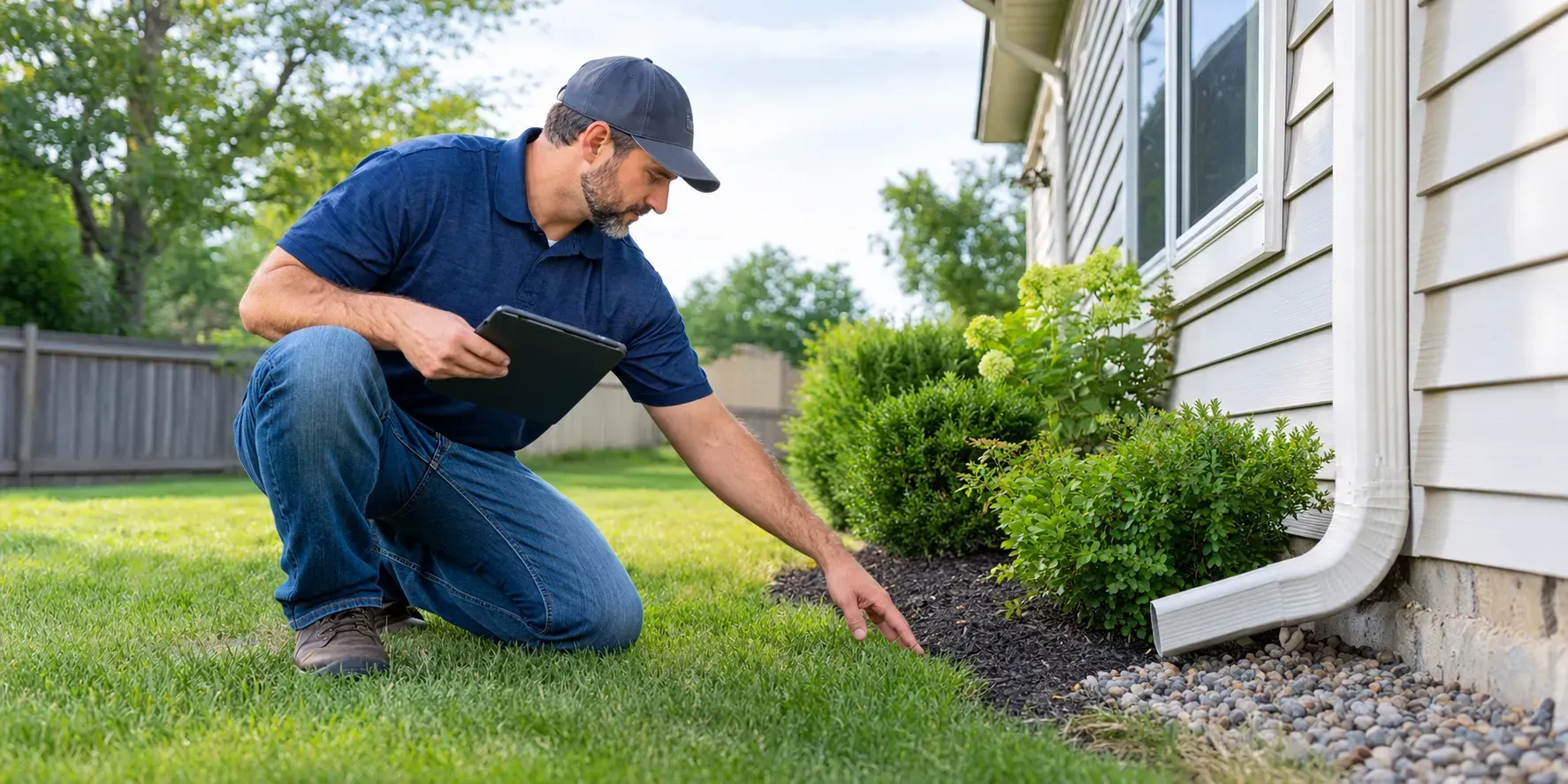
In Henderson, condition outweighs calendar age. Walk the lawn after heat and after irrigation or rain. Note slick spots, standing water, and pet paths. If two or more failure signs stack, full system work is cleaner than repeated patches.
When Is Full Replacement Better Than Another Patch?
Full replacement beats another patch when matted pile, failed seams, poor drainage, and pet odor stack on the same Henderson yard, because desert UV and heat keep stressing old yarn and backing until temporary fixes stop lasting through a single summer season.
Patches make sense for one open seam on otherwise healthy blades. They fail when the same lane mats again after grooming, water sits after monsoon bursts, or odor returns after rinsing. In Henderson, Nevada, those stacked signs usually mean the base or backing not only the top fiber has reached end of life.
Compare the cost of a third seam repair against haul-off and a new residential system. If color already differs between traffic lanes and quiet edges, a staged zone refresh can leave a permanent mismatch. Matching fiber type later is harder than planning one coherent surface now.
How climate and use shorten turf life in Henderson
Henderson, Nevada sun, reflected heat from hardscape, and pet traffic wear fiber and backing faster than mild climates. When blades flatten permanently, seams open after heat cycles, or drainage fails after monsoon rain, temporary fixes rarely last a full season. Artificial Turf Services then mean remove-and-replace rather than another patch.
UV fades pile and weakens yarn. Compacted base traps water and odor. Those problems stack on the same yard until grooming and rinsing stop helping.
Signs full replacement beats another repair
Replace when two or more issues appear together: widespread fade, recurring seams, standing water, and pet odor that returns after cleaning. One isolated seam on healthy turf can still justify a patch. Mismatch risk rises if you stage zones years apart while color and pile height diverge.
Walk after peak heat and after irrigation. Note slick spots, soft base, and traffic lanes that will not stand back up.
Cost logic for homeowners
A third seam repair often costs more over time than haul-off plus a coherent new residential surface. Planning one system now avoids permanent color bands between old and new lanes. Base work done once supports drainage and stability better than layered quick fixes.
Frequently Asked Questions
How often should Henderson homeowners replace artificial turf?
Most residential systems last many years, but desert UV, heat, pets, and base wear can shorten that window. Replace when fade, seams, drainage, and odor stack—not on a fixed calendar alone. Local inspection beats guessing from national averages for Henderson yards.
Can I replace only the high-traffic path and keep the rest?
Partial refresh works if fiber type, color, and pile still match and the base is sound. If quiet edges already look different from paths, a staged job can lock in mismatch. One coherent surface is usually cleaner for long-term appearance.
Does pet use mean artificial turf must be replaced sooner?
Heavy pet use can shorten life when urine concentrates, infill packs, and yarn crushes in the same lanes. Odor that lingers after cleaning and soft spots under paws are common clues. Replacement restores drainage and a clean wearing surface; partial patches rarely solve packed base and crushed fiber together
Preferred Source on Google Search
Add www.hendersonartificialturfnv.com to customize your search feed across Top Stories.