Commercial Artificial Turf in Henderson: Planning for Foot Traffic and Access
Many local homeowners also manage local businesses or commercial properties. You want the exact same durability at your business that you expect in your own backyard. Installing synthetic grass at a commercial site requires careful strategy. High foot traffic and equipment access demand a sturdy foundation.
Proper planning saves time and prevents expensive repairs later. A well-designed landscape provides a clean, green look year round. It invites customers in while keeping maintenance costs low. You can find out more about our primary platform at
Henderson Artificial Turf to explore our complete offerings.
What Businesses Should Plan Before Commercial Turf Installation in Henderson
Understanding what businesses should plan before commercial turf installation in Henderson is vital for success. Commercial projects face unique challenges. They host more people, endure heavier loads, and require stricter safety standards than average yards.
You must consider these primary factors during your initial planning phase:
- Pedestrian Flow: Identify where employees and customers will walk the most.
- Equipment Access: Plan routes for maintenance carts, delivery dollies, or cleaning equipment.
- Weight Loads: Determine if heavy benches, planters, or event tents will sit on the grass.
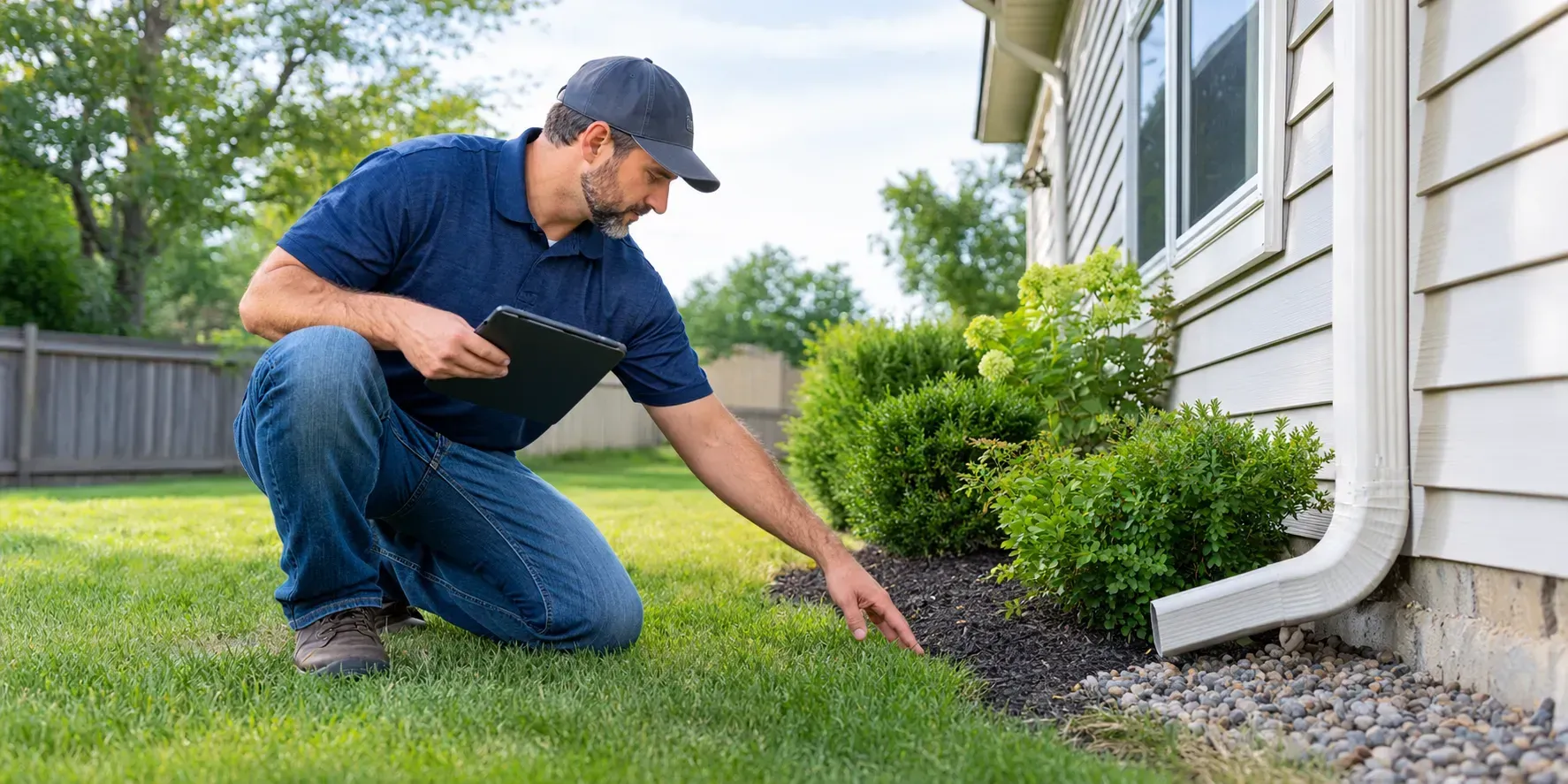
- Water Drainage: Ensure the property has proper grading to handle seasonal rain.
Addressing these issues early ensures your investment lasts. You can view our commercial artificial turf options to see materials designed specifically for these demanding conditions.
Assessing Foot Traffic Needs
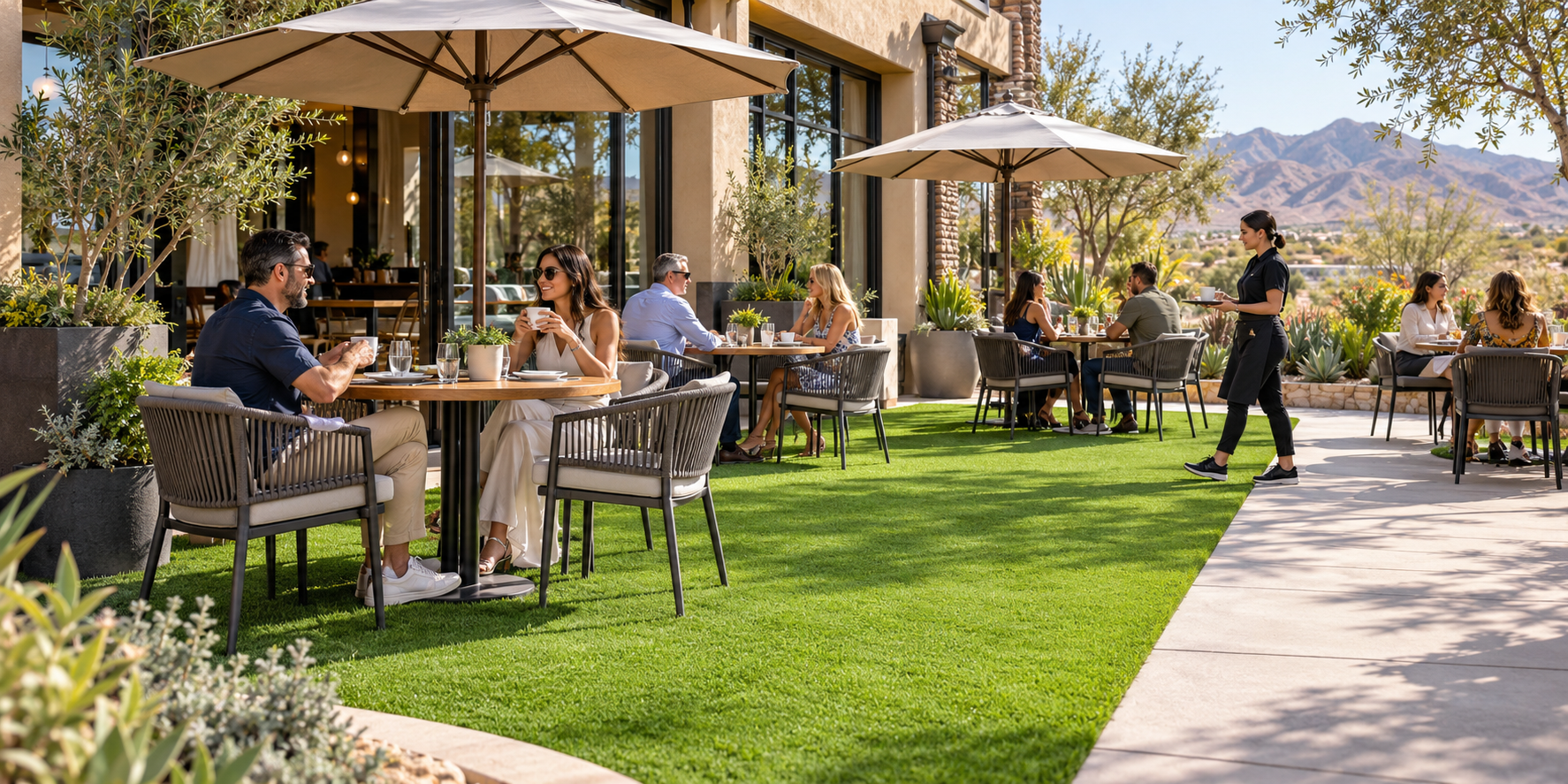
Traffic patterns dictate your material choices. A decorative lawn near an entrance sees very few footsteps. In contrast, a courtyard or an outdoor dining area takes constant abuse. Heavy footsteps flatten cheap materials quickly.
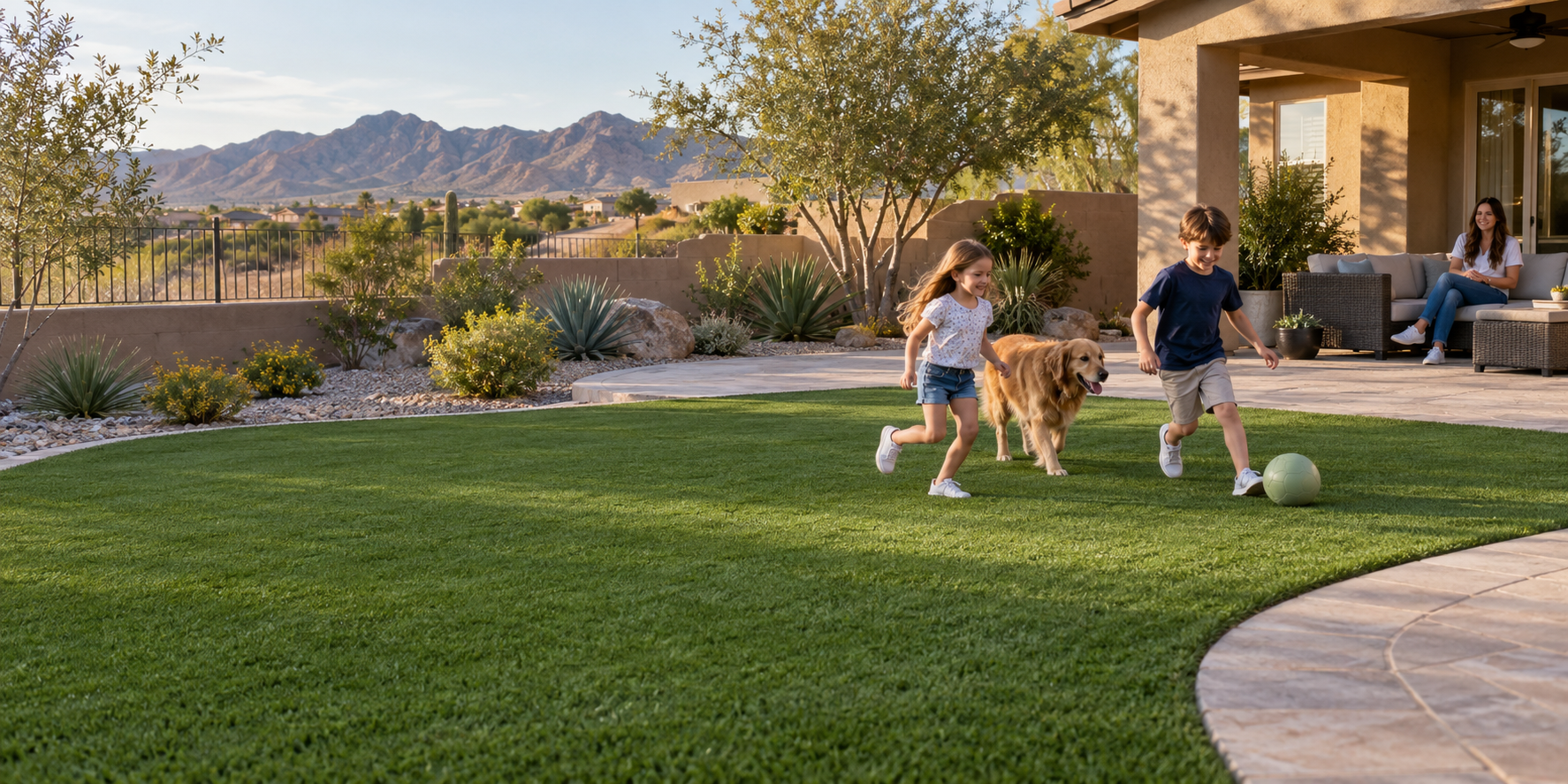
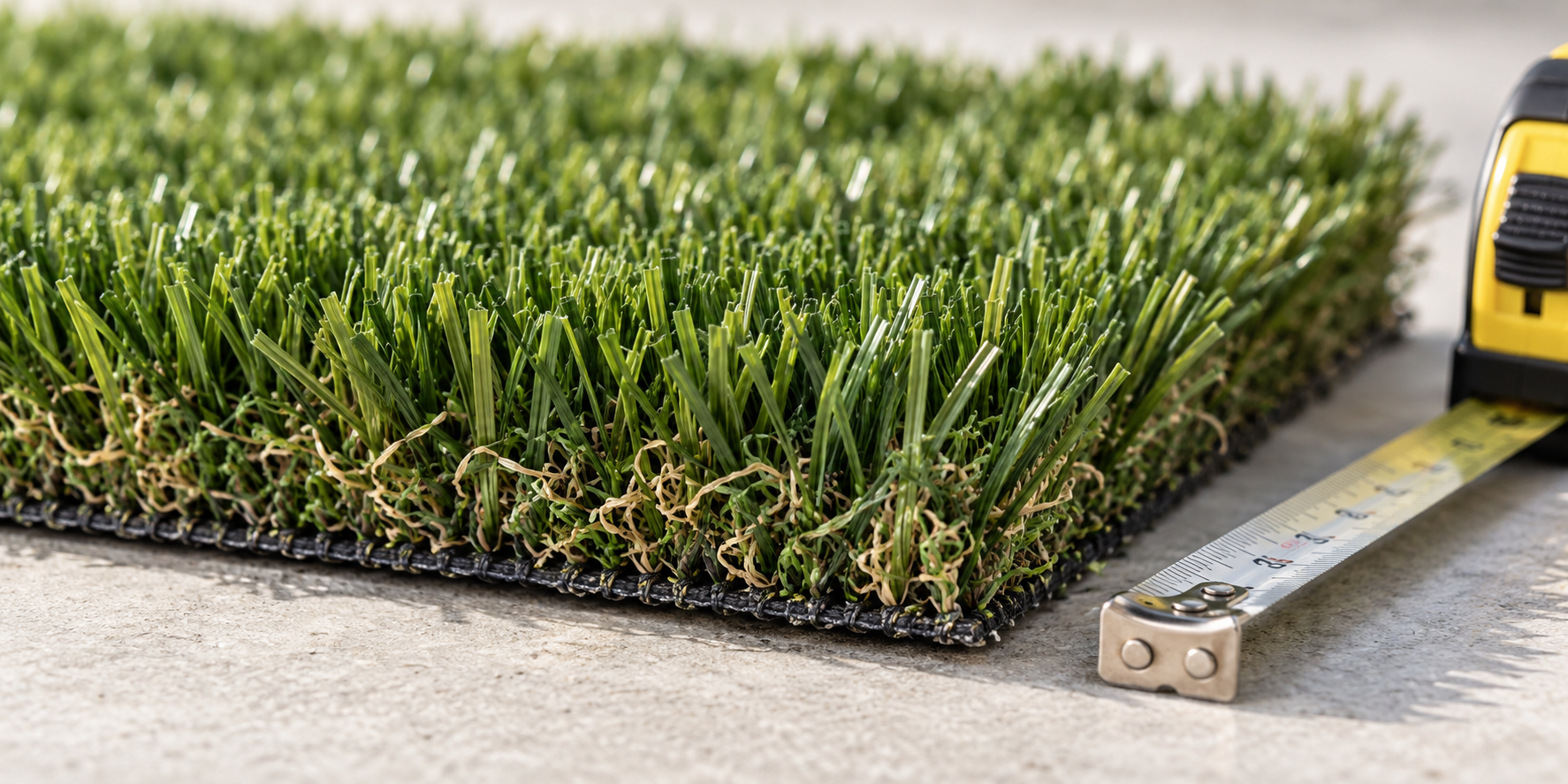
You need a product with a high face weight for busy spaces. High face weight means the grass blades are denser. Denser blades resist crushing and spring back upright easily. This principle applies everywhere. We use the exact same logic when designing high-traffic family spaces for large families and active pets.
Always map out the natural walkways on your property. If people tend to cut corners across a grassy area, install a hardscape path there or use your toughest grass variety.
Comparing Turf Specifications for Heavy Use Areas
Selecting the correct grade of material is a critical step. The table below outlines common specifications used for various commercial applications.
| Turf Grade | Face Weight | Ideal Application | Expected Lifespan |
|---|---|---|---|
| Light Commercial | 50 to 60 oz | Office building borders, display areas | 10 to 12 years |
| Medium Duty | 60 to 75 oz | Apartment courtyards, break areas | 12 to 15 years |
| Heavy Duty | 75 to 90 oz | Retail centers, busy pet relief zones | 15+ years |
| Premium Sport | 80 to 100 oz | Athletic facilities, public playgrounds | 15+ years |
Proper Ground Preparation and Base Layers
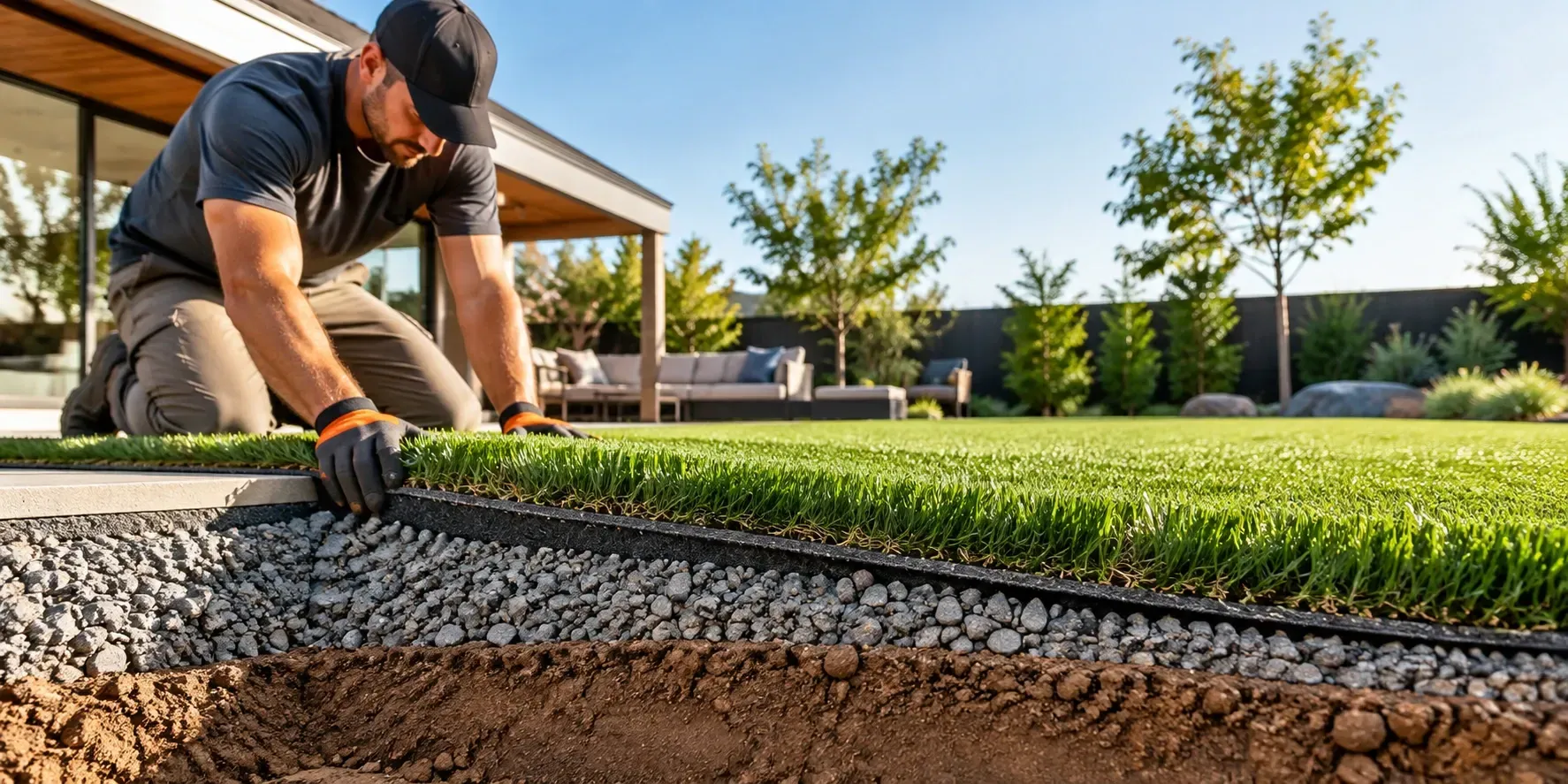
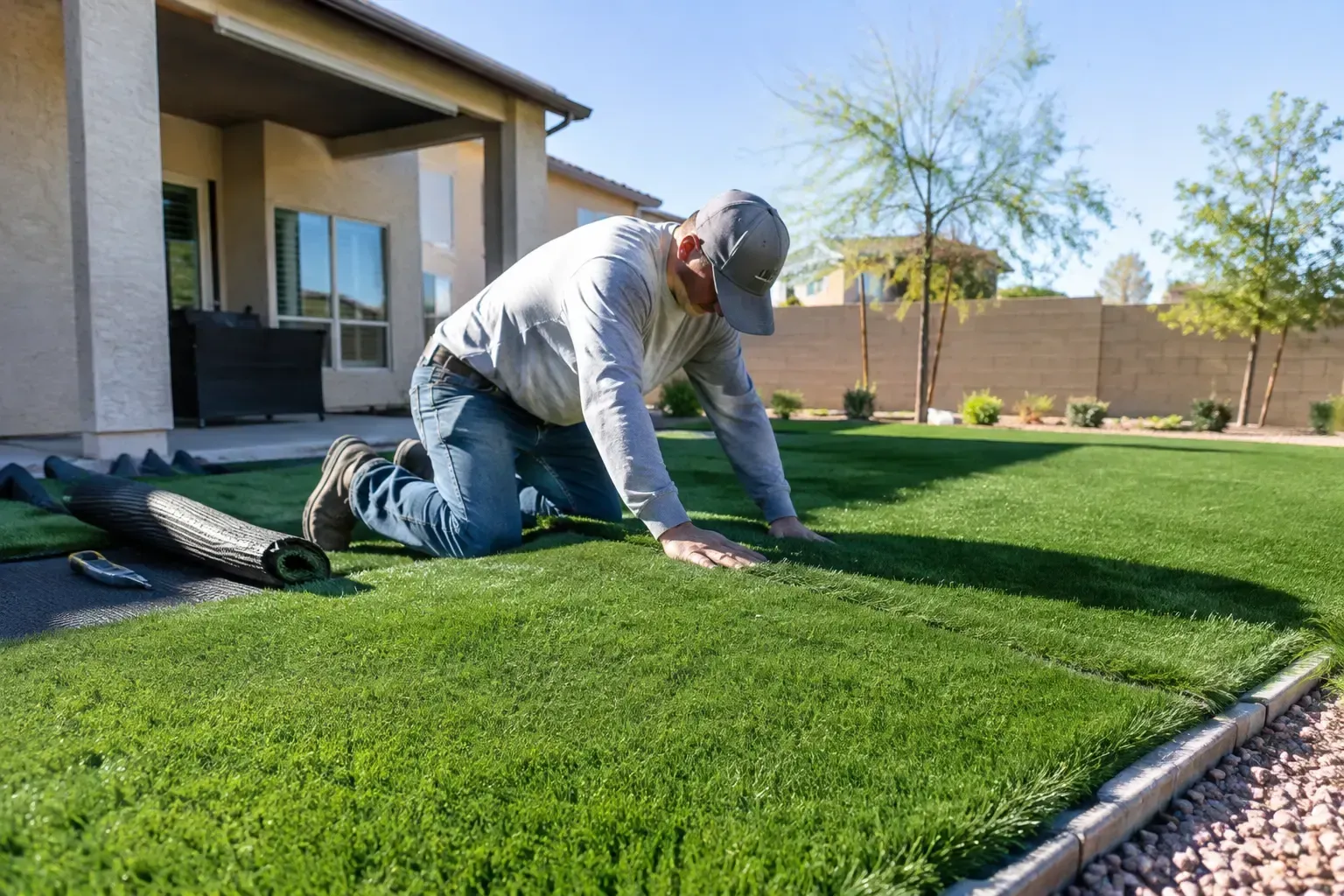
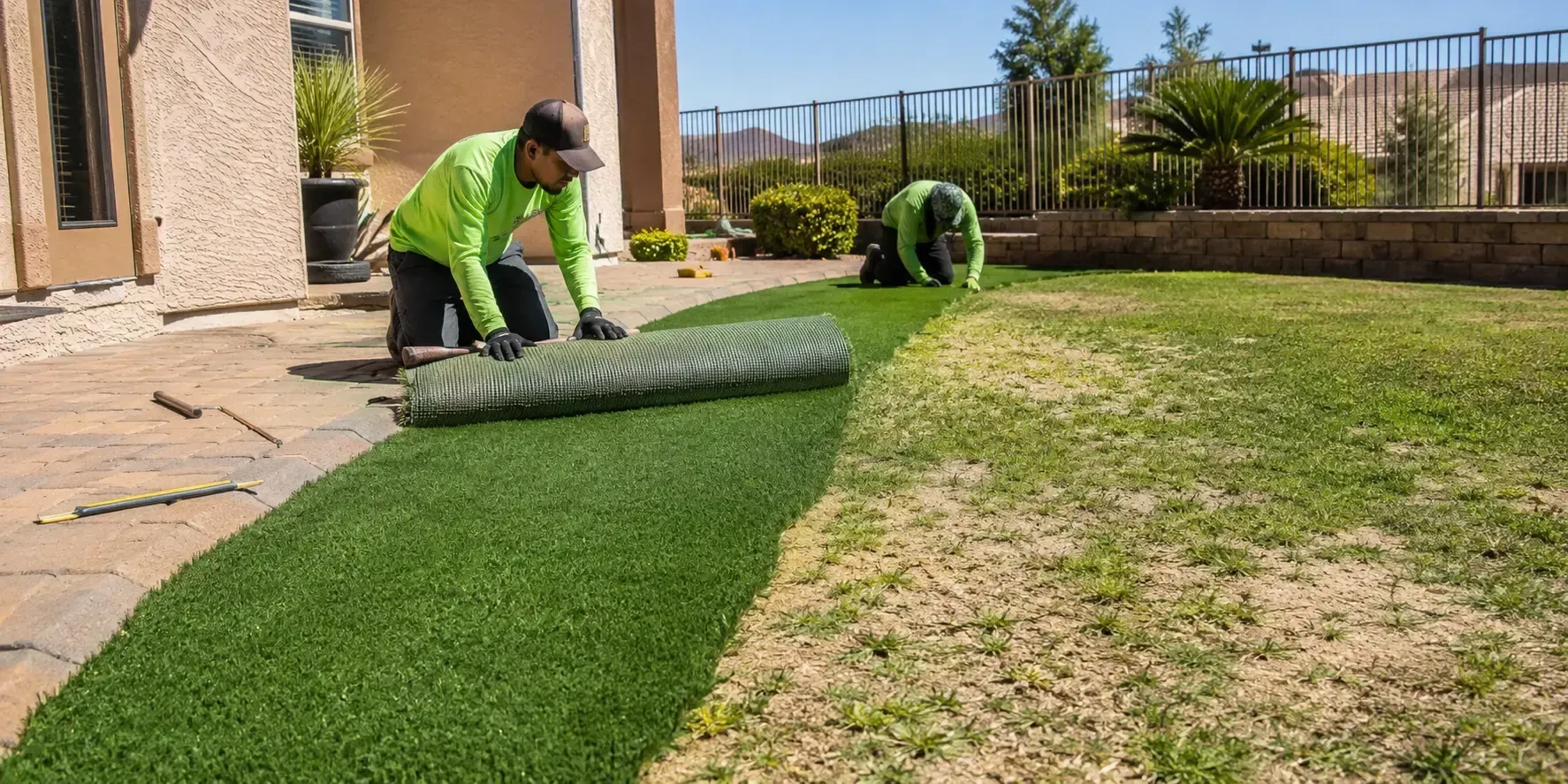
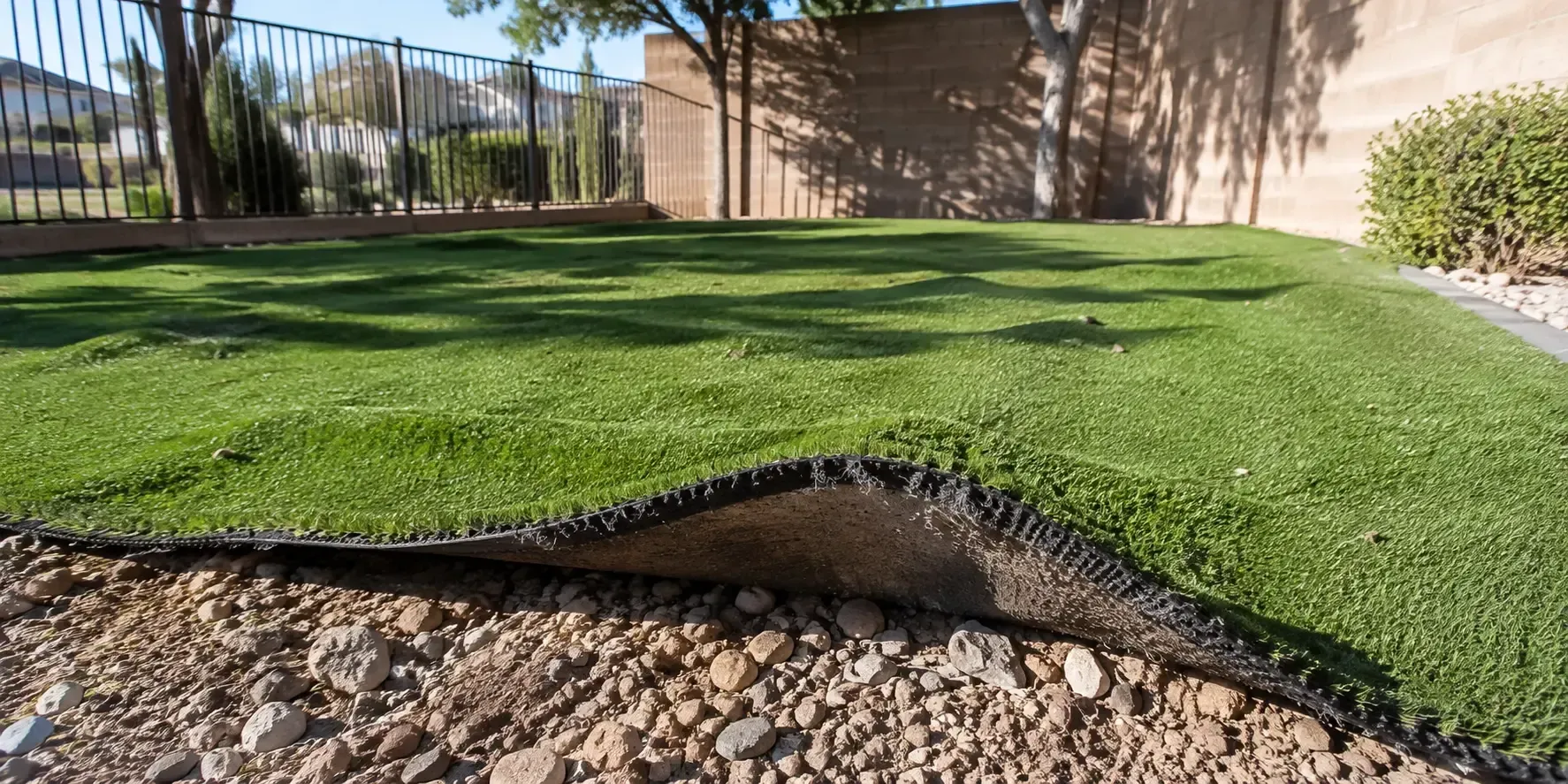
The visible grass is only half of the installation. The hidden base layer does the heavy lifting. A standard residential installation might only need a few inches of compacted rock. Commercial properties often require a deeper, more robust foundation.
Contractors must excavate the native soil and install a thick layer of crushed aggregate. This rock base provides critical stability. It prevents the ground from sinking under the weight of heavy crowds or maintenance vehicles. It also promotes rapid drainage.
Even if you are just looking into residential artificial turf for your home, understanding proper base preparation helps you recognize quality workmanship. A solid base keeps the surface smooth and safe for decades.
Long-Term Care and Routine Maintenance
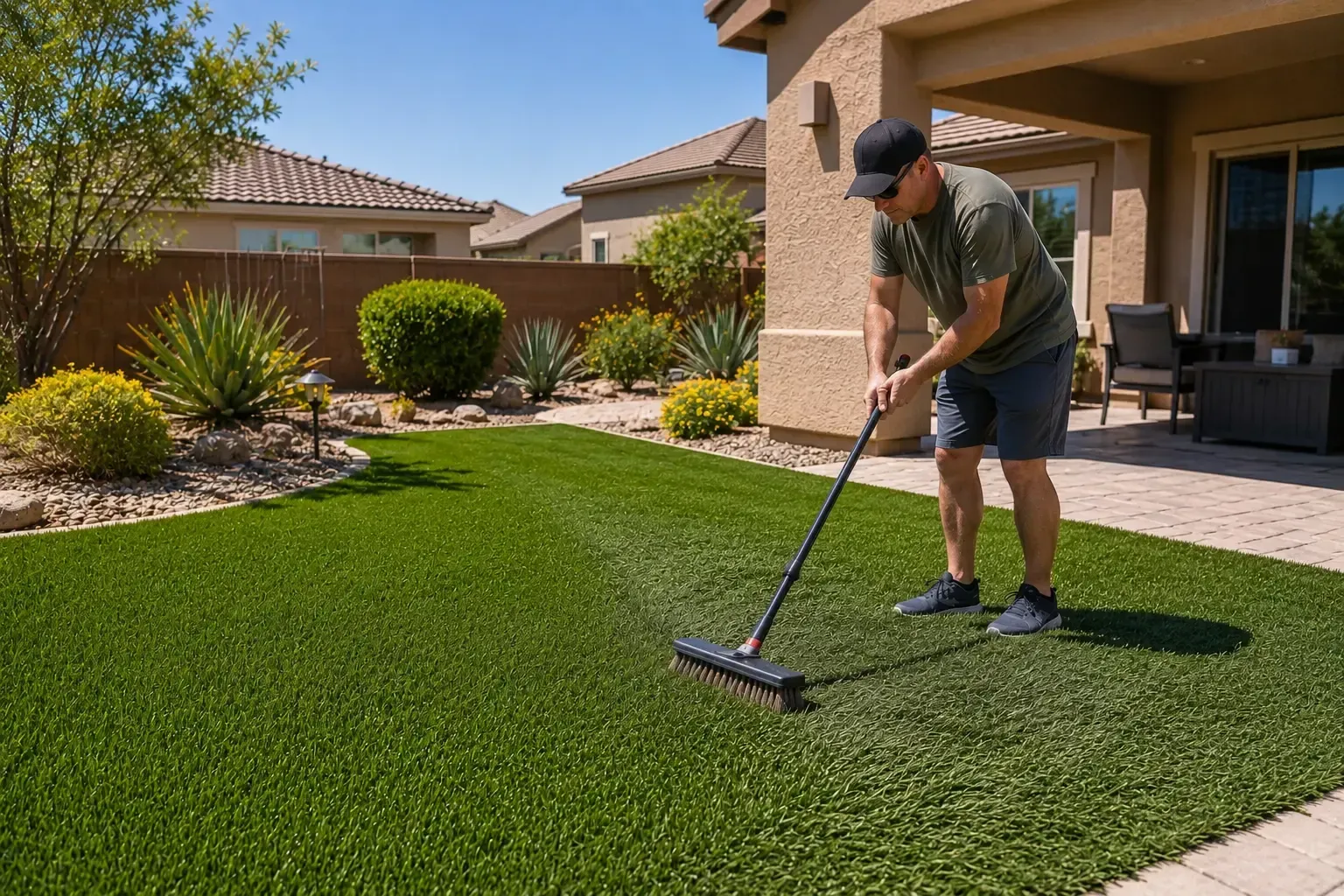
Synthetic grass is famous for being low maintenance. However, it is not completely maintenance free. Commercial sites collect dust, debris, and occasional spills. You must implement a routine cleaning schedule to protect your investment.
Regularly brush the grass against the grain. This action lifts the blades and prevents matting. You should also rinse the surface periodically to remove dust. If you manage a busy property, you might want to schedule professional upkeep. Review our
turf maintenance services to see how regular care extends the life of your landscape. We understand these local demands well. You can learn more about
our team background and our dedication to the Henderson community.
Starting Your Next Property Project
Careful planning guarantees a beautiful and durable landscape. You must evaluate your expected foot traffic, choose the right materials, and insist on excellent ground preparation. Your business deserves a welcoming exterior that stands up to daily wear.
Take the time to evaluate your site carefully. If you need expert guidance on material selection or base preparation, reach out for a consultation today.
Frequently Asked Questions
How long does commercial turf last with heavy traffic?
Quality commercial turf lasts up to 15 years with proper care. Heavy duty varieties resist crushing and fading over time.
Can commercial turf withstand heavy equipment?
Yes, it can withstand heavy equipment if the base is built correctly. A deeply compacted aggregate base supports heavy loads and prevents the ground from sinking.
Does commercial artificial turf require watering?
No, it does not require regular watering. It only requires an occasional rinse to remove accumulated dust or spills from the surface.