How Can Henderson Homeowners Avoid Common Artificial Turf Installation Problems?
Artificial turf can give a Henderson yard a clean, green appearance without the constant mowing and watering that natural grass requires. But the quality of the finished yard depends heavily on how the turf is installed.
Problems with the base, drainage, seams, edges, or surface preparation can cause issues that become noticeable months after installation. Henderson's intense summer heat, hard desert soil, dust, and occasional heavy rainfall can make poor installation even more noticeable.
For homeowners considering artificial turf, understanding the most common installation problems can help prevent unnecessary repairs and disappointment.
Why Does Artificial Turf Installation Matter So Much?
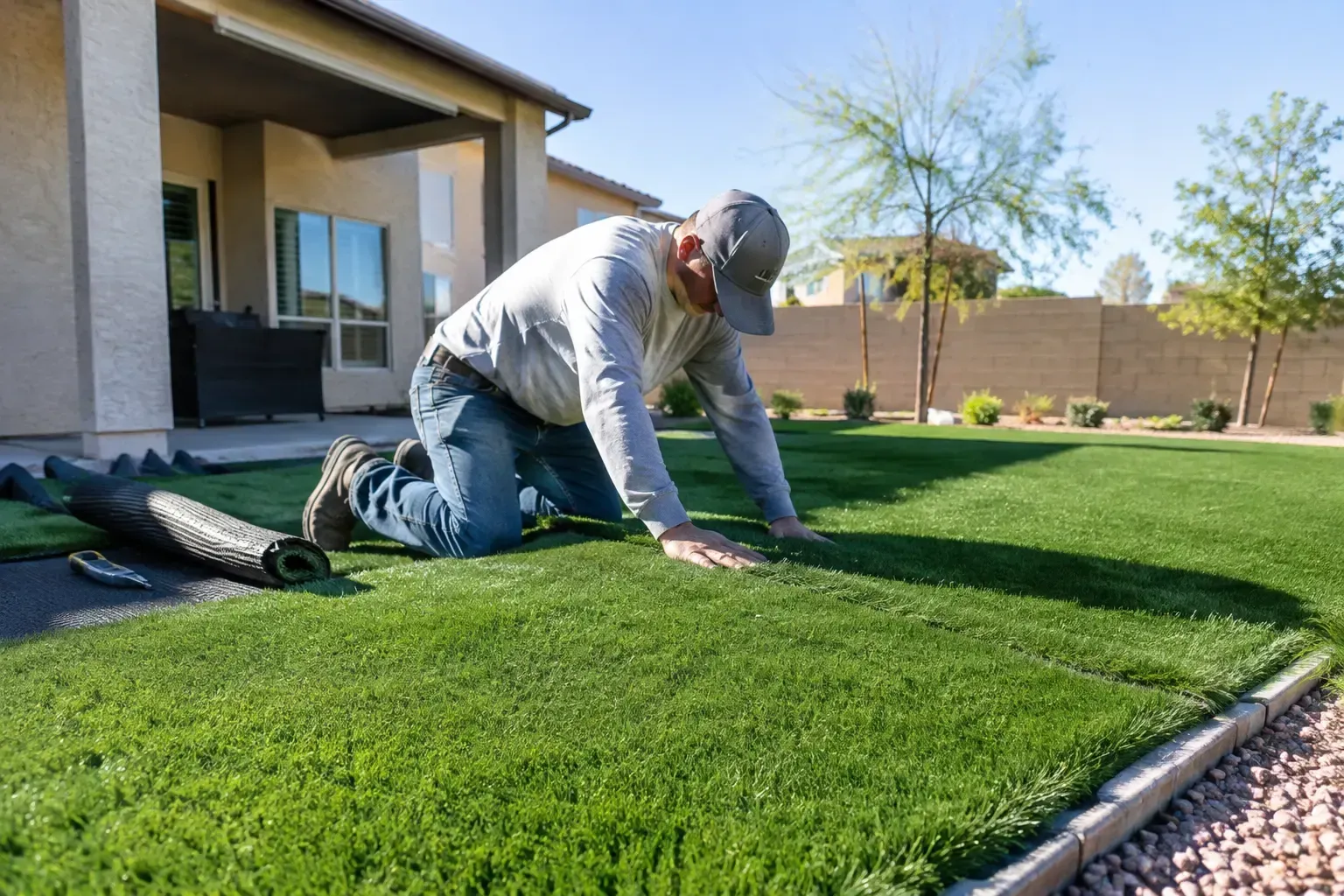
Artificial turf is more than simply rolling synthetic grass across an existing lawn.
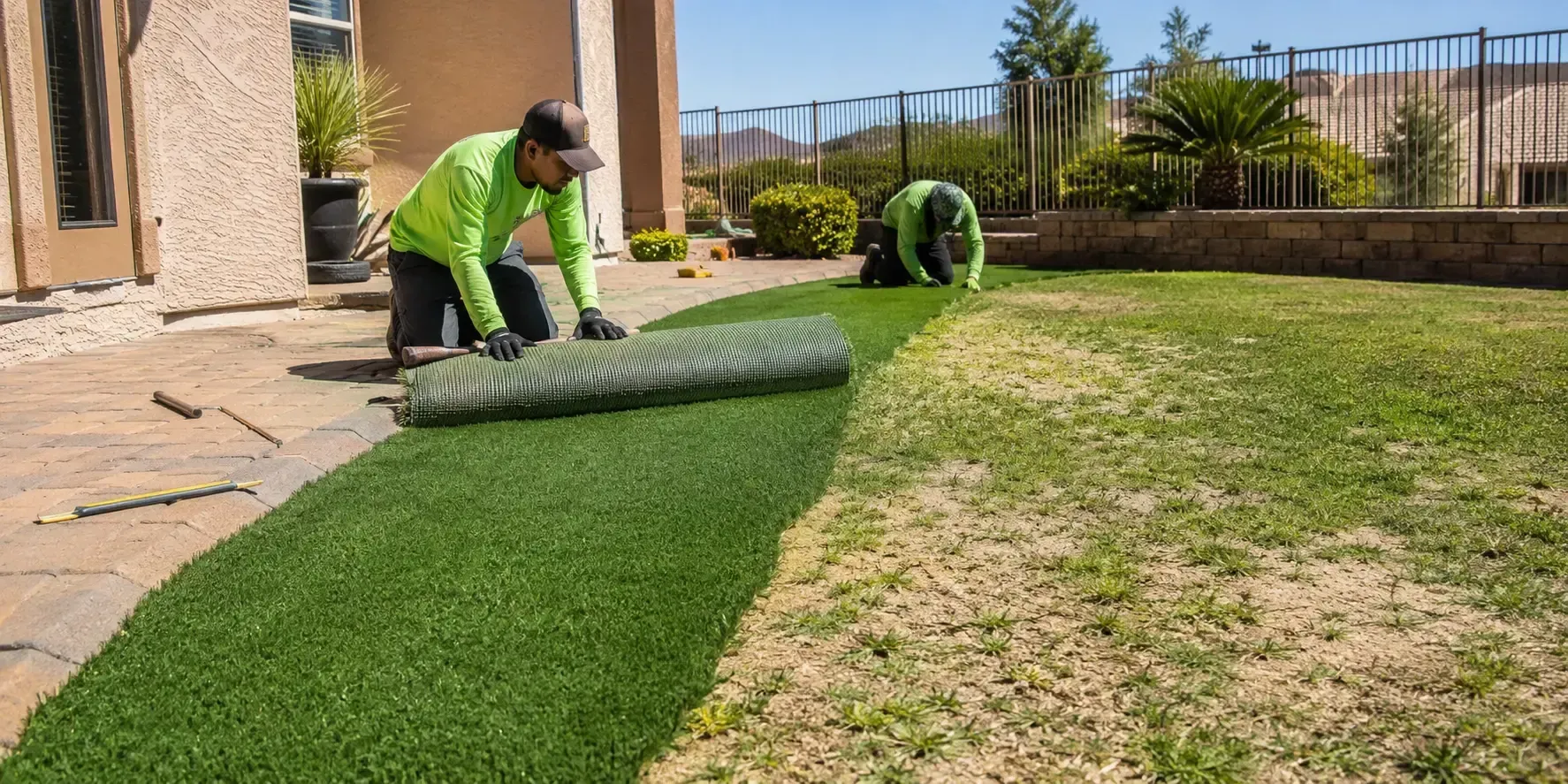
A proper installation involves preparing the area, removing unsuitable material, creating a stable base, addressing drainage, securing the turf, and finishing the edges correctly.
If one of these steps is skipped or performed poorly, the finished turf may not remain level or secure.
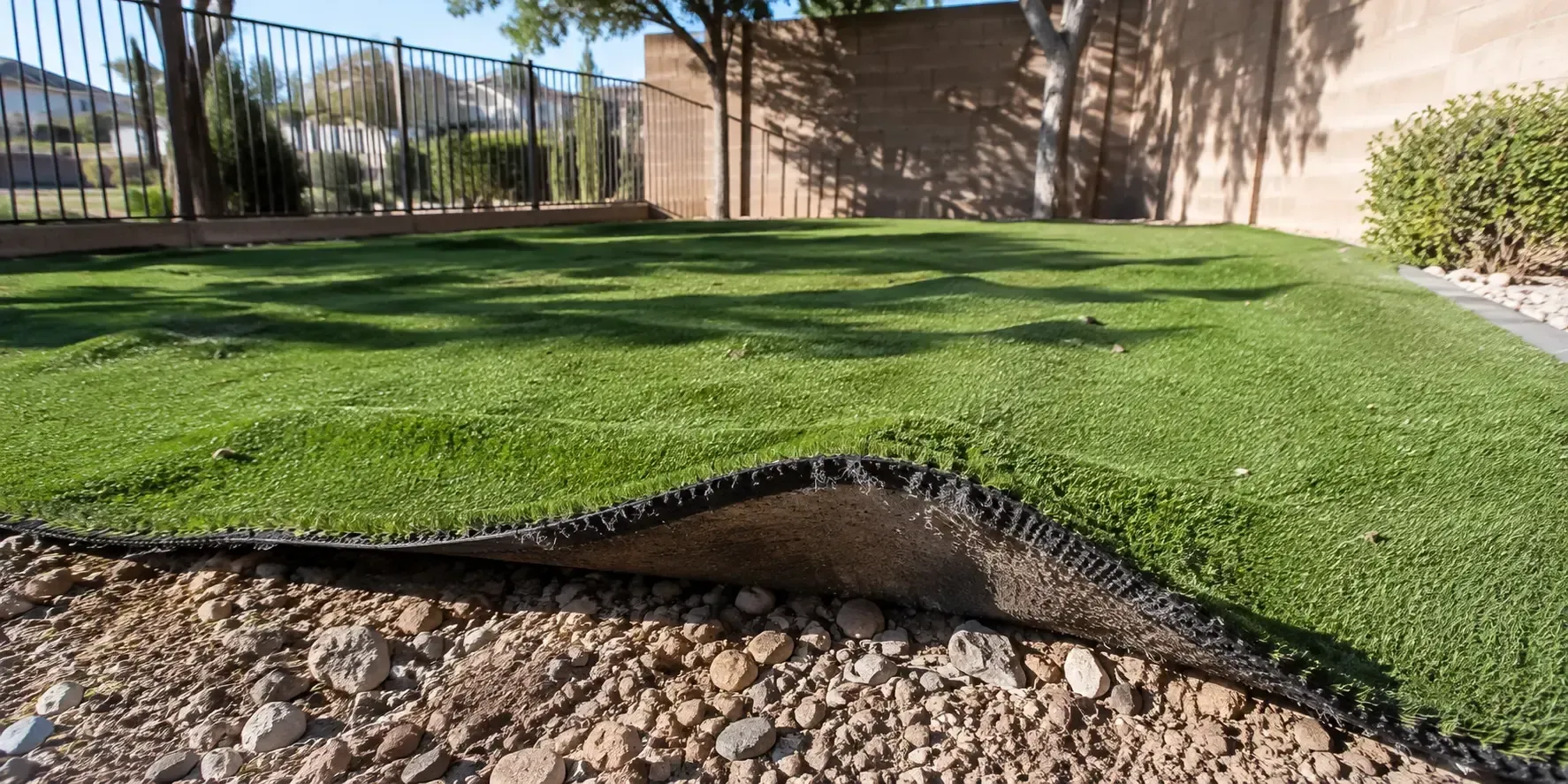
For example, an improperly prepared surface can eventually develop dips and uneven areas. Poor drainage can leave water standing after rain. Weakly secured edges can begin pulling away from patios, walkways, or other landscaping.
Professional Artificial Turf Services can help homeowners address these installation details before they become expensive problems.
1. Installing Turf Over an Unprepared Surface
One of the most common mistakes is installing artificial turf without properly preparing the existing surface.
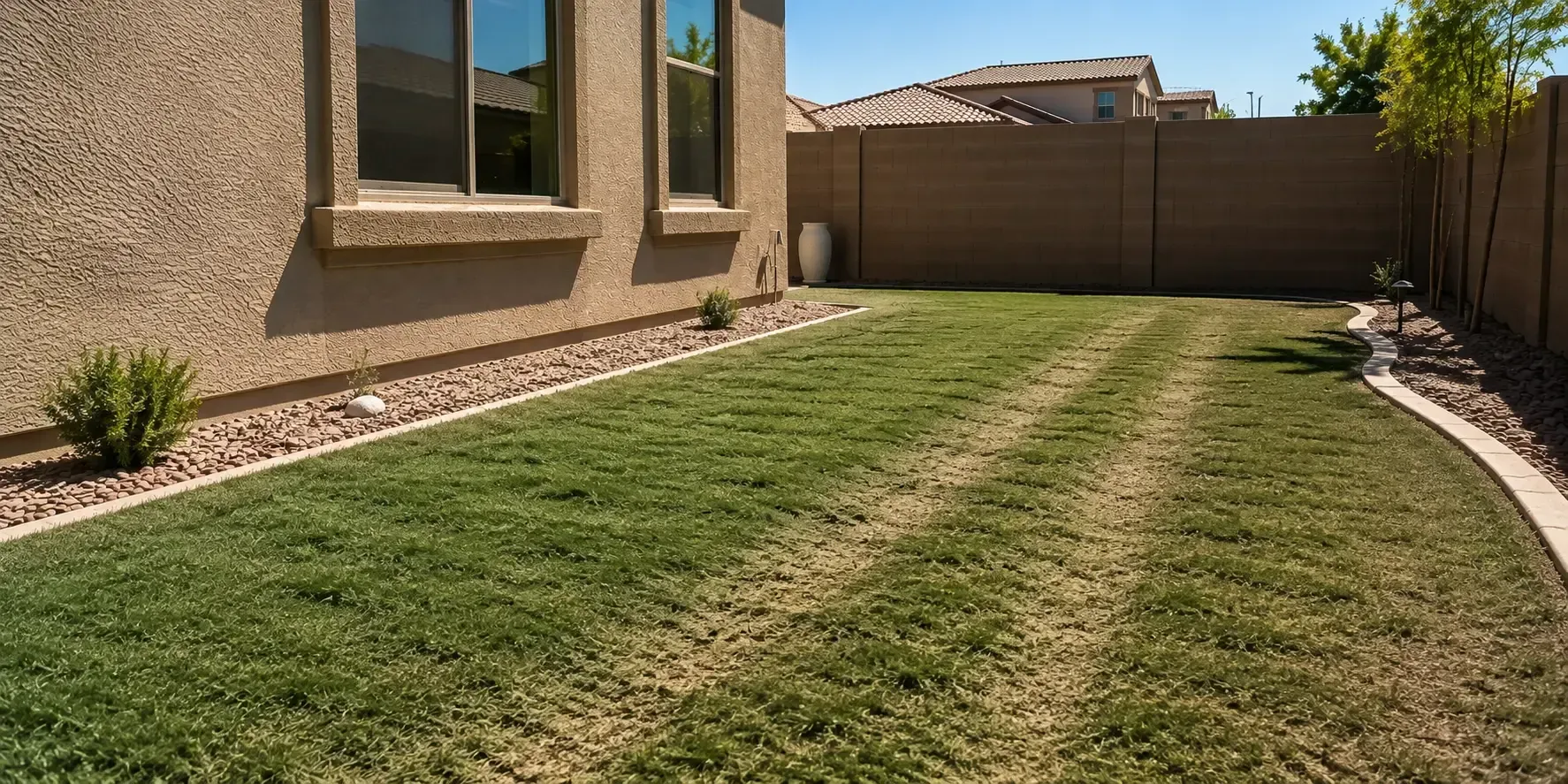
Natural grass, weeds, roots, rocks, loose soil, and other debris can interfere with the finished installation. If the ground underneath the turf is not properly prepared, the surface may eventually become uneven.
A good installation starts by evaluating the existing area and determining what needs to be removed or corrected.
Depending on the property, preparation may include removing existing vegetation, excavating unsuitable material, leveling the area, and preparing a suitable base.
How homeowners can avoid it
Before installation begins, ask how the existing ground will be prepared. A professional should be able to explain what will be removed and how the finished surface will be stabilized.
2. Using the Wrong Base Material
The base beneath artificial turf plays a major role in stability and drainage.
A weak, poorly compacted, or unsuitable base can lead to low spots, movement, and an uneven surface. The problem may not be obvious immediately after installation, but it can become more noticeable as the yard experiences foot traffic and changing weather conditions.
Henderson's desert soil can also present unique preparation challenges.
How homeowners can avoid it
Ask the installer what base material will be used and how it will be compacted. The goal should be a stable surface that supports the turf and allows appropriate drainage.
3. Ignoring Drainage
Artificial turf does not automatically solve drainage problems.
If water cannot move through the turf and underlying layers properly, rainwater can collect in low areas. Henderson is generally dry, but intense rainfall can occur during storms, making drainage an important part of installation planning.
Standing water can affect the usability of the yard and may create additional problems around patios, walkways, landscaping, or foundations.
How homeowners can avoid it
Before installation, identify areas where water currently collects. The installer should consider grading, the existing soil, the base, and available drainage paths.
4. Failing to Secure the Edges
Artificial turf needs to stay firmly in place around its perimeter.
If edges are not properly secured, they can shift, lift, or separate from surrounding surfaces. This can create visible gaps and become a tripping concern.
Edges near concrete walkways, pool areas, patios, fences, and garden beds require careful attention.
How homeowners can avoid it
Ask how the turf will be secured around the perimeter. The installation plan should account for the specific surfaces surrounding your yard.
5. Creating Visible Seams
Large artificial turf areas may require more than one piece of turf.
When multiple pieces are joined, the seams need to be positioned and installed carefully. Poor seam preparation can make the lines visible and can affect the appearance of the finished lawn.
The direction of the turf blades also matters. If adjoining sections are installed with different blade directions, the color and texture can appear inconsistent.
How homeowners can avoid it
Ask how many turf sections will be needed and where seams will be located. An experienced installer should plan the layout before cutting the material.
6. Choosing Turf Without Considering How the Yard Will Be Used
Not every artificial turf product is designed for the same application.
A backyard used mainly for relaxing may have different requirements than a yard with children, pets, frequent foot traffic, or outdoor activities.
Pet areas may require drainage and cleaning considerations. High traffic areas may need a turf product designed to maintain its appearance under repeated use.
How homeowners can avoid it
Think about how your family will actually use the yard before selecting the turf. Tell the installer whether you have pets, children, frequent guests, or areas that receive heavy foot traffic.
7. Forgetting About Henderson's Extreme Heat
Henderson summers can be extremely hot, and artificial turf can become hot when exposed to direct sunlight.
The turf material, yard orientation, shade, nearby surfaces, and landscaping design can all affect how the finished area feels.
This does not mean artificial turf is unsuitable for Henderson. It means homeowners should consider heat when planning the installation and selecting the right product.
How homeowners can avoid it
Discuss sun exposure and cooling considerations before choosing the turf. Shade structures, trees, umbrellas, and appropriate landscape design can also improve outdoor comfort.
8. Poorly Planning the Yard Before Installation
Artificial turf is easier to install correctly when the entire yard is planned before work begins.
Homeowners should consider existing trees, irrigation lines, drainage, walkways, fences, outdoor structures, pool areas, and future landscaping.
Installing turf without considering these features can create unnecessary cutting, awkward edges, or problems later when additional landscaping is added.
How homeowners can avoid it
Plan the finished yard first. Identify areas that will remain natural landscaping, planting beds, pathways, or other outdoor features.
Artificial Turf Installation Problems and Prevention
| Installation Problem | What Can Happen | How to Prevent It |
|---|---|---|
| Poor surface preparation | Uneven or unstable turf | Prepare and level the ground properly |
| Weak base | Dips and movement | Use suitable base material and compact it |
| Poor drainage | Water pooling | Plan grading and drainage before installation |
| Loose edges | Lifting or shifting | Secure the perimeter correctly |
| Poor seams | Visible lines | Plan turf direction and seam placement |
How Can Homeowners Choose the Right Installer?
Choosing an installer is just as important as choosing the turf.
Homeowners should ask practical questions before work begins.
Ask:
- How will you prepare the existing ground?
- What base material will you use?
- How will drainage be handled?
- How will the turf edges be secured?
- Where will the seams be located?
- What turf is appropriate for my yard's use?
- How will the installation handle heavy traffic?
- What maintenance will the finished turf require?
A professional should be willing to explain the installation process clearly.
Be cautious if an installer focuses only on how green the finished lawn will look but does not explain the preparation underneath it.
Why Professional Installation Can Make a Difference
Artificial turf can look simple from the surface, but much of the quality is determined by what happens underneath.
Proper preparation can help create a level surface. Good drainage planning can reduce water pooling. Correct seam installation can produce a more consistent appearance, while secure edges can help prevent movement.
For Henderson homeowners, professional Artificial Turf Services can also help account for local conditions such as desert soil, intense sunlight, heat, and occasional heavy rainfall.
The goal is not simply to install green material. The goal is to create an outdoor surface that works for the way your household uses the property.
What Should You Do Before Your Artificial Turf Installation?
A little planning can help homeowners avoid many common problems.
Start by identifying why you want artificial turf and how the area will be used. Then inspect the existing yard for drainage issues, uneven areas, irrigation lines, trees, and other obstacles.
Discuss these conditions with your installer before work begins.
Ask for a clear explanation of the preparation, base, drainage, turf layout, seams, and edge installation. Understanding these details can make it easier to compare installers and identify potential problems before they happen.
Get Artificial Turf Installed the Right Way
Artificial turf can be a practical landscaping choice for Henderson homeowners who want a cleaner, lower maintenance outdoor space. However, a successful result depends on much more than selecting a turf color or blade style.
Ground preparation, base installation, drainage, seams, edges, heat considerations, and proper planning all contribute to the finished result.
If you are considering artificial turf for your Henderson property, professional Artificial Turf Services can help you evaluate the yard, prepare the installation area, and create a finished surface designed for your property's needs.
Taking time to address installation details before the turf goes down can help you avoid problems later and enjoy your new outdoor space with greater confidence.
Frequently Asked Questions
What is the most common artificial turf installation problem?
Poor ground preparation is one of the biggest concerns because an unstable or uneven surface can eventually cause dips, movement, and other problems with the finished turf.
Does artificial turf need a base underneath it?
Yes. A properly prepared and compacted base helps create a stable surface and can support proper drainage. The appropriate base depends on the property and installation conditions.
Can artificial turf have drainage problems?
Yes. Artificial turf itself can allow water to pass through, but drainage problems can occur when the underlying soil, base, grading, or drainage system does not allow water to move away properly.