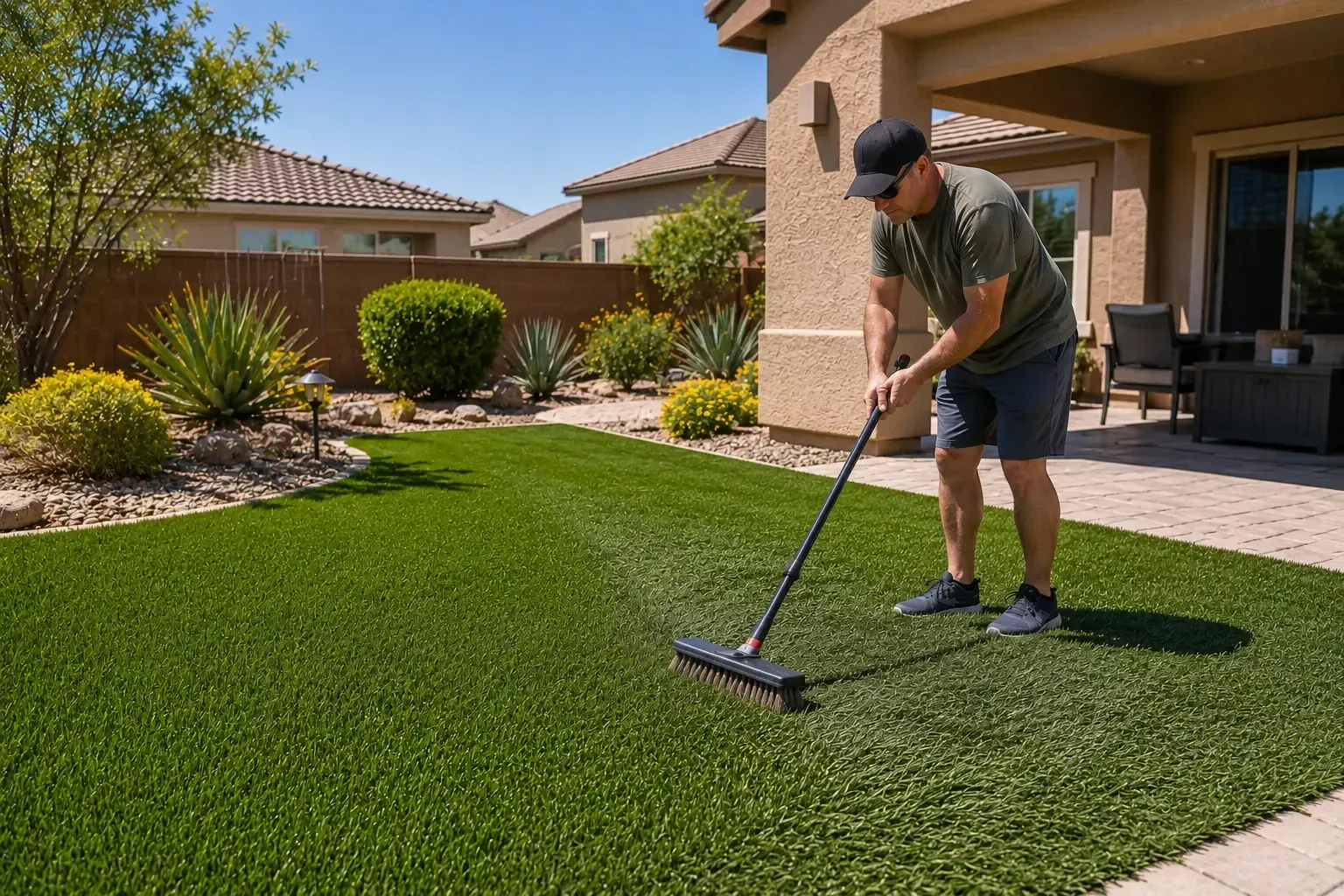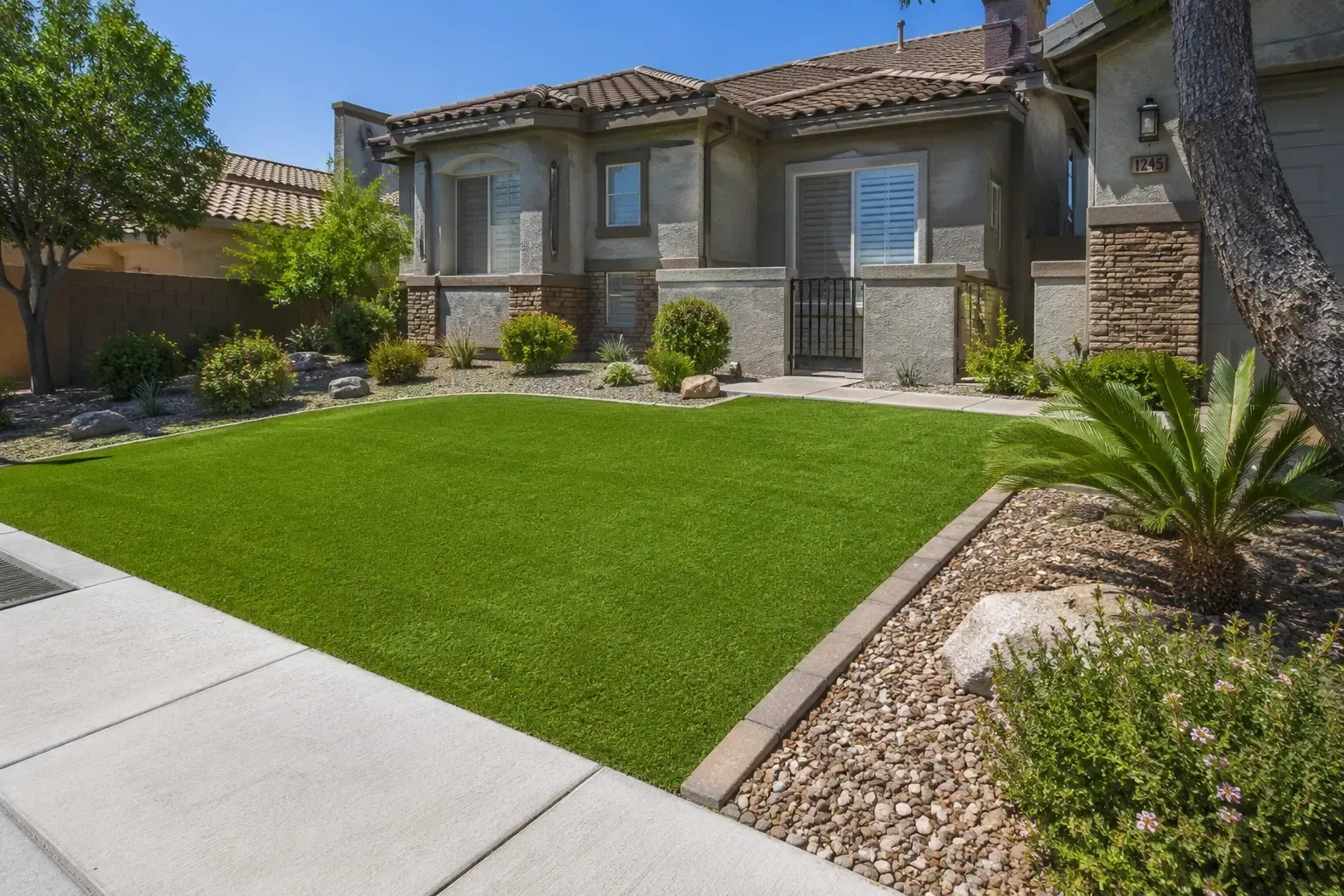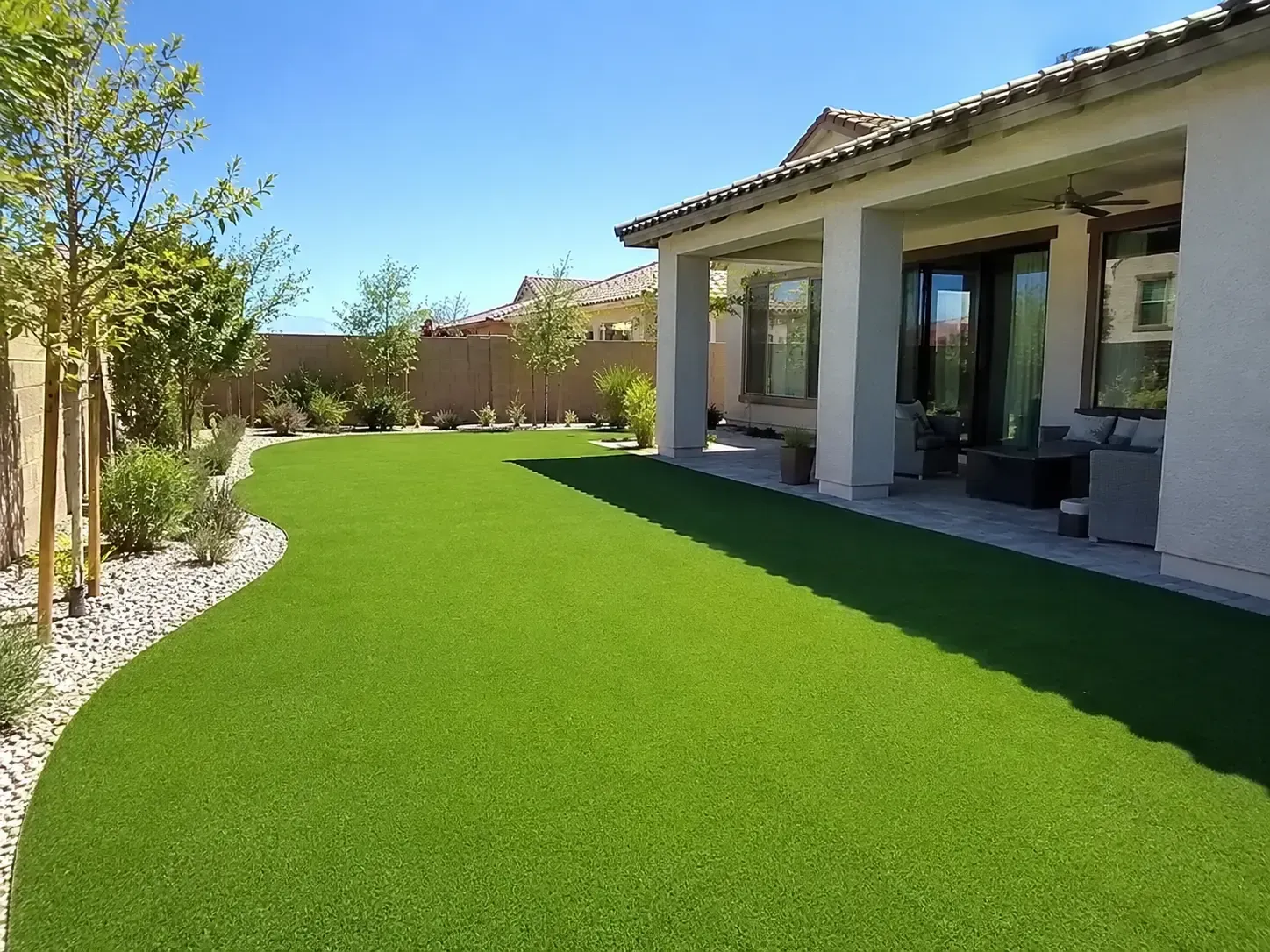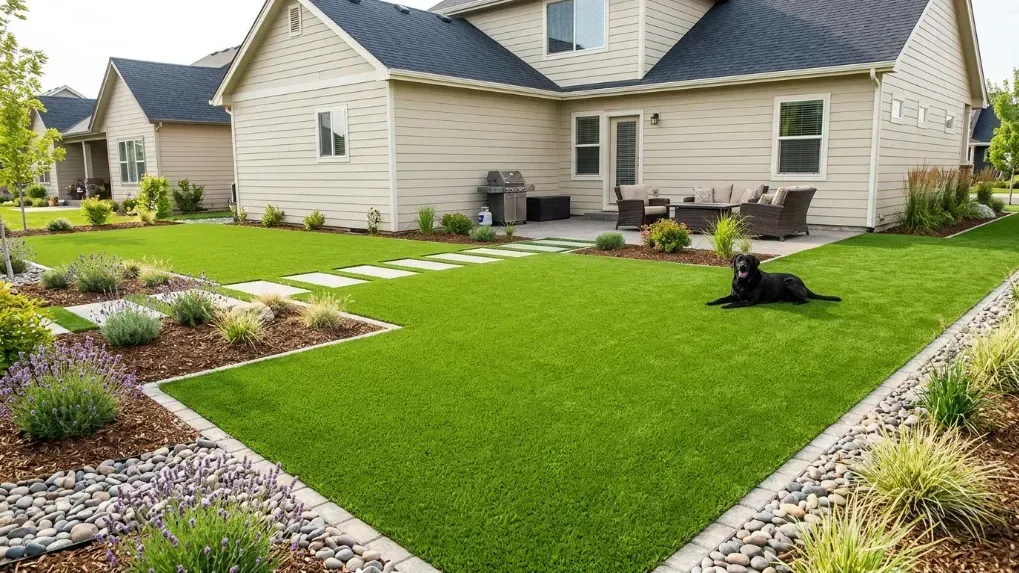
How Henderson Yard Conditions Shape an Artificial Turf Project
Installing artificial turf in Henderson requires a deep understanding of local yard conditions. Professional installers must address rocky caliche soils, manage steep yard slopes, and execute precise site preparation for a lasting result. Upgrading your landscape saves massive amounts of water and provides a pristine, durable lawn year-round.
- Hard caliche soil and steep yard slopes heavily dictate the excavation and drainage strategies needed for turf projects.
- Proper turf site preparation using crushed rock and mechanical compaction is mandatory to prevent sunken spots.
- Synthetic lawns can be completely customized for pets, residential backyards, putting greens, and high-traffic commercial spaces.
Upgrading your yard with synthetic grass is an exciting investment. The climate in Henderson is tough on natural grass. Extreme heat and low rainfall make lawn maintenance expensive. Synthetic grass offers a permanent, beautiful solution.
However, a successful project requires more than just rolling out a green carpet. The ground underneath dictates the longevity of the final product. Every property has unique terrain features. If you want a flawless lawn, you must understand your local soil and landscape design.
Choosing to partner with a local expert like LFL Henderson Artificial Turf ensures your project starts on solid ground. Our team understands the specific environmental challenges found in Southern Nevada. We design lawns that survive the harsh desert elements.
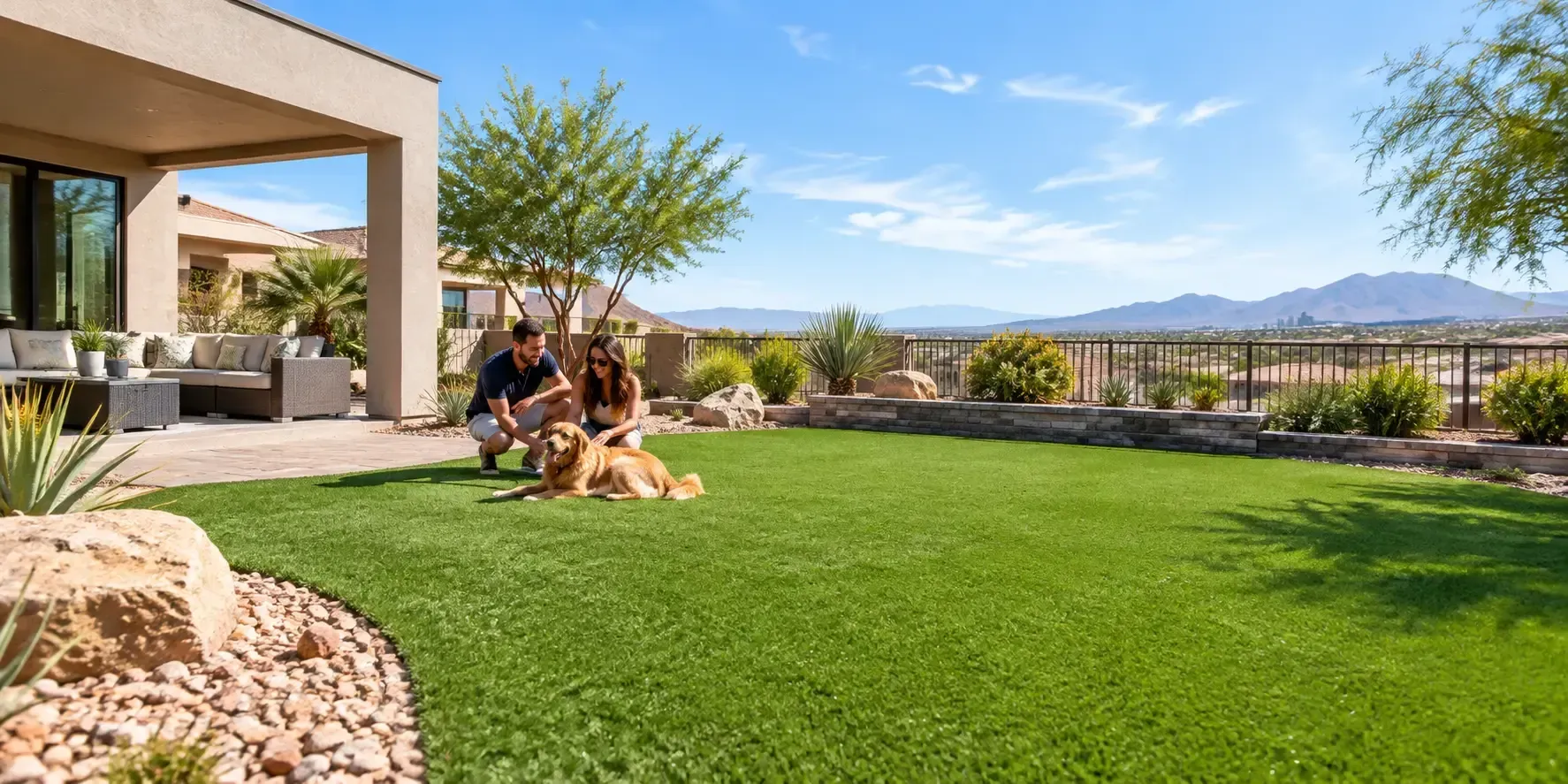
How Yard Slope and Soil Affect Artificial Turf Installation in Henderson
Many homeowners underestimate the land beneath their feet. The dirt in Nevada is not like the dirt in other states. It presents unique hurdles for landscaping projects. Understanding how yard slope and soil affect artificial turf installation in Henderson is critical for a lasting lawn.
The Reality of Nevada Caliche Soil
Henderson soil is famous for its rocky nature. Many neighborhoods sit on top of caliche. Caliche is a hardened natural cement formed by calcium carbonate. It binds gravel, sand, and clay together.
Digging through caliche is difficult work. Standard shovels often fail. Installers must use heavy machinery or jackhammers to reach the proper depth. If a landscaping team ignores a caliche layer, water will pool on the surface. Trapped water causes odors and ruins the lawn foundation. Proper assessment of soil density is non-negotiable.
Why Elevation and Slopes Matter
Very few yards are perfectly flat. Most properties feature slight grades or steep hills. Gravity plays a major role in yard stability. A steep slope increases the risk of base material erosion.
When it rains, water flows down the path of least resistance. If the synthetic grass is not secured properly, moving water can wash away the sub-base. Installers must secure the synthetic fabric tightly against slopes. We use specialized non-corrosive stakes to anchor the edges.
Proper grading ensures that water flows away from your house. A well-planned slope protects your home foundation from moisture damage.
Essential Steps for Proper Turf Site Preparation
Excellent lawns are built from the ground up. You cannot skip steps during the initial groundwork. Detailed turf site preparation guarantees a smooth, wrinkle-free surface.
Clearing and Excavation Basics
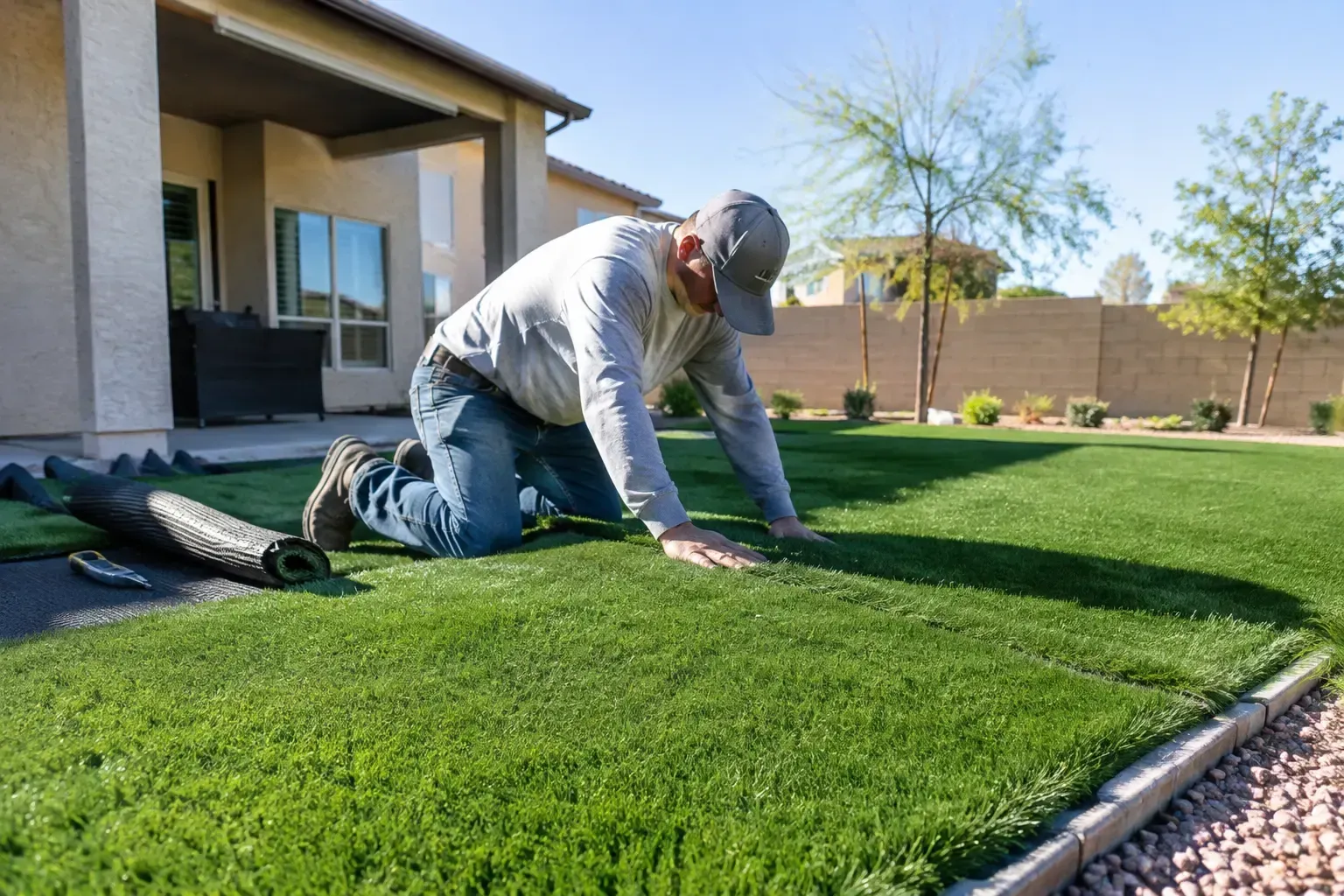
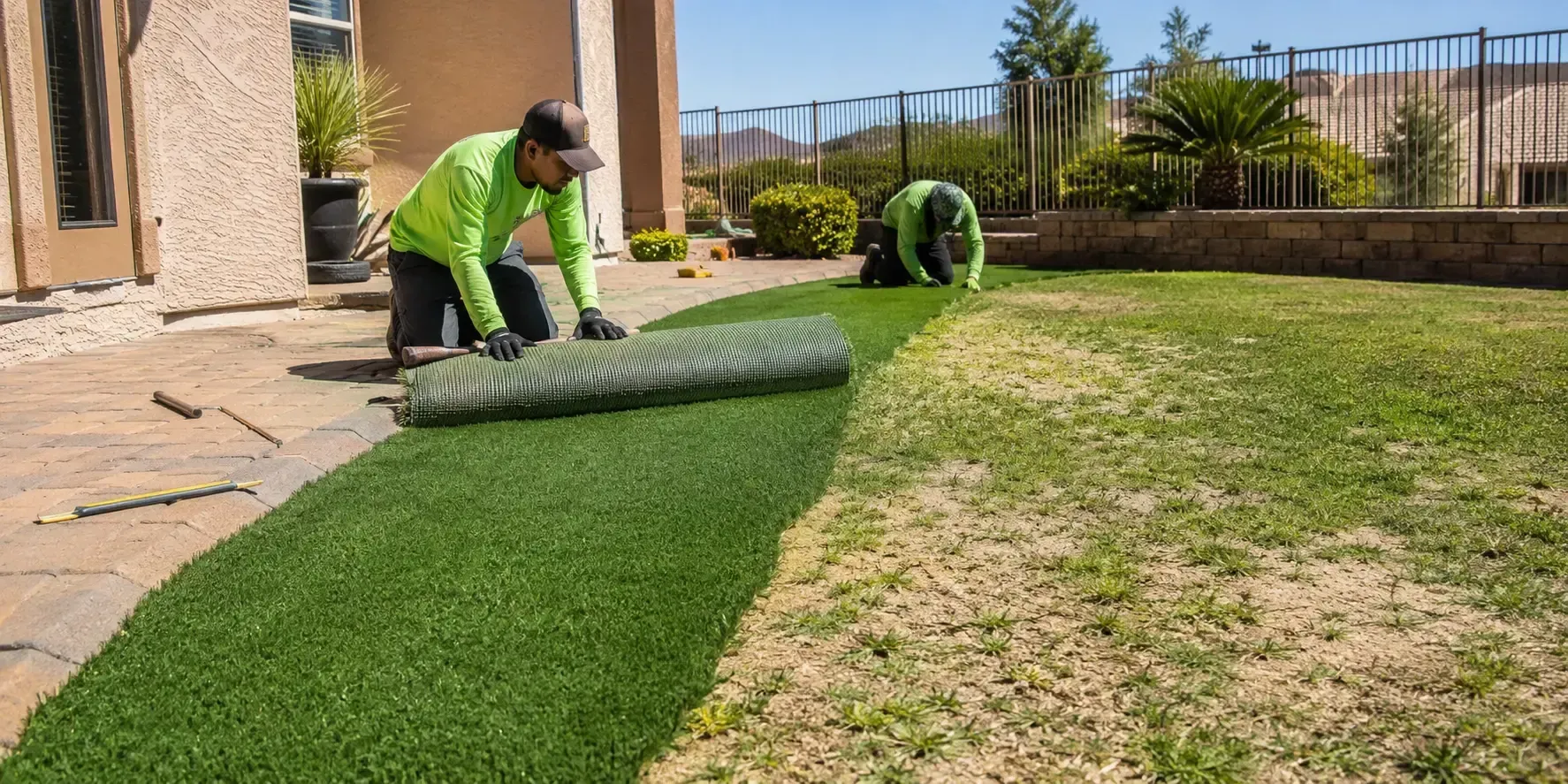
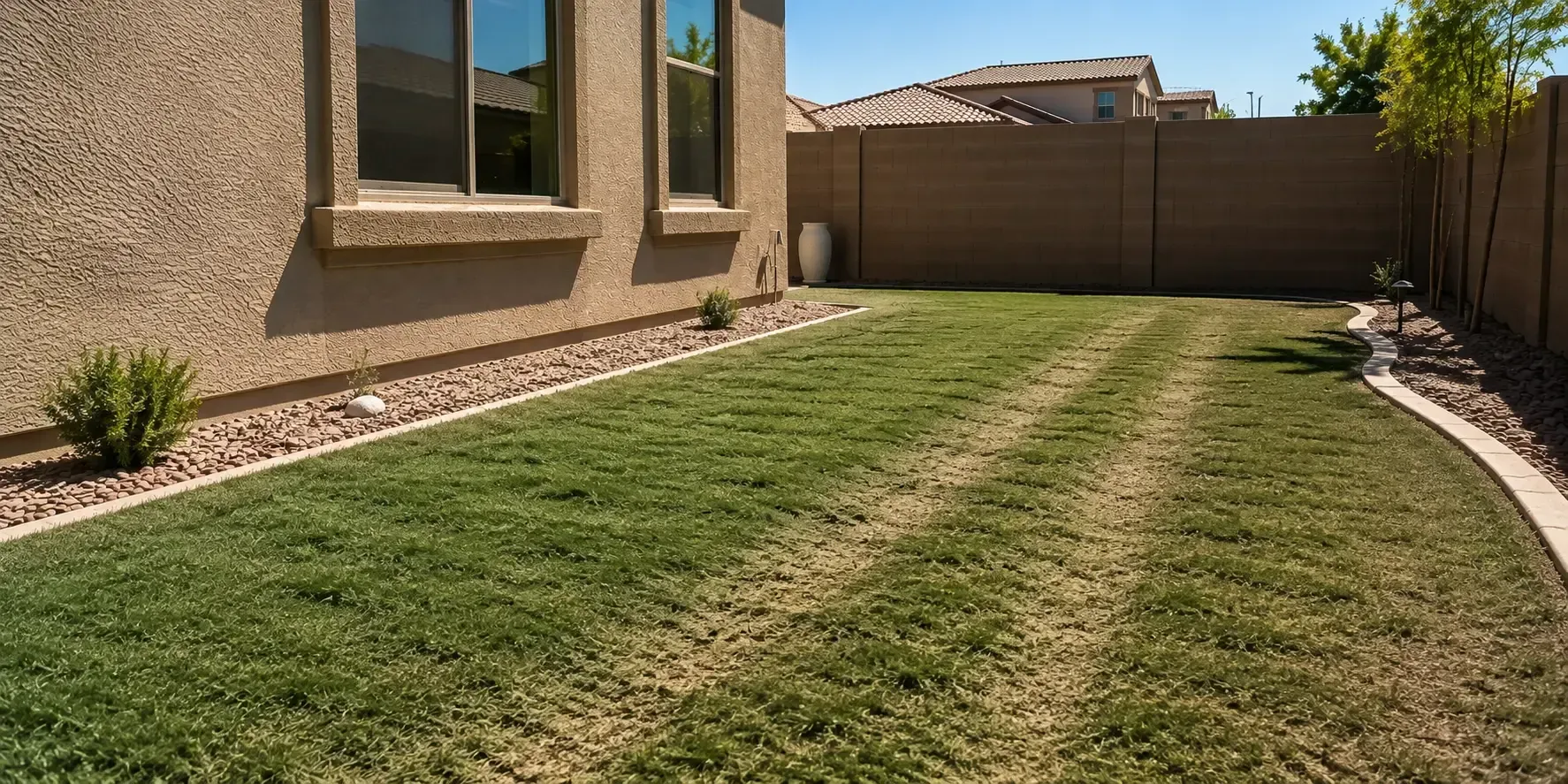
The first step is removing the existing landscape. Installers strip away natural grass, weeds, and old roots. We generally excavate three to four inches of native dirt.
Leaving old roots behind is a massive mistake. Weeds can grow through drainage holes in the turf backing. Installers must apply a pre-emergent weed killer. A protective weed barrier fabric is also laid down. This keeps your new lawn pristine and green.
If you want to avoid common artificial turf installation problems, do not rush the excavation phase. Taking time here prevents sunken spots later.
Building a Stable Foundation
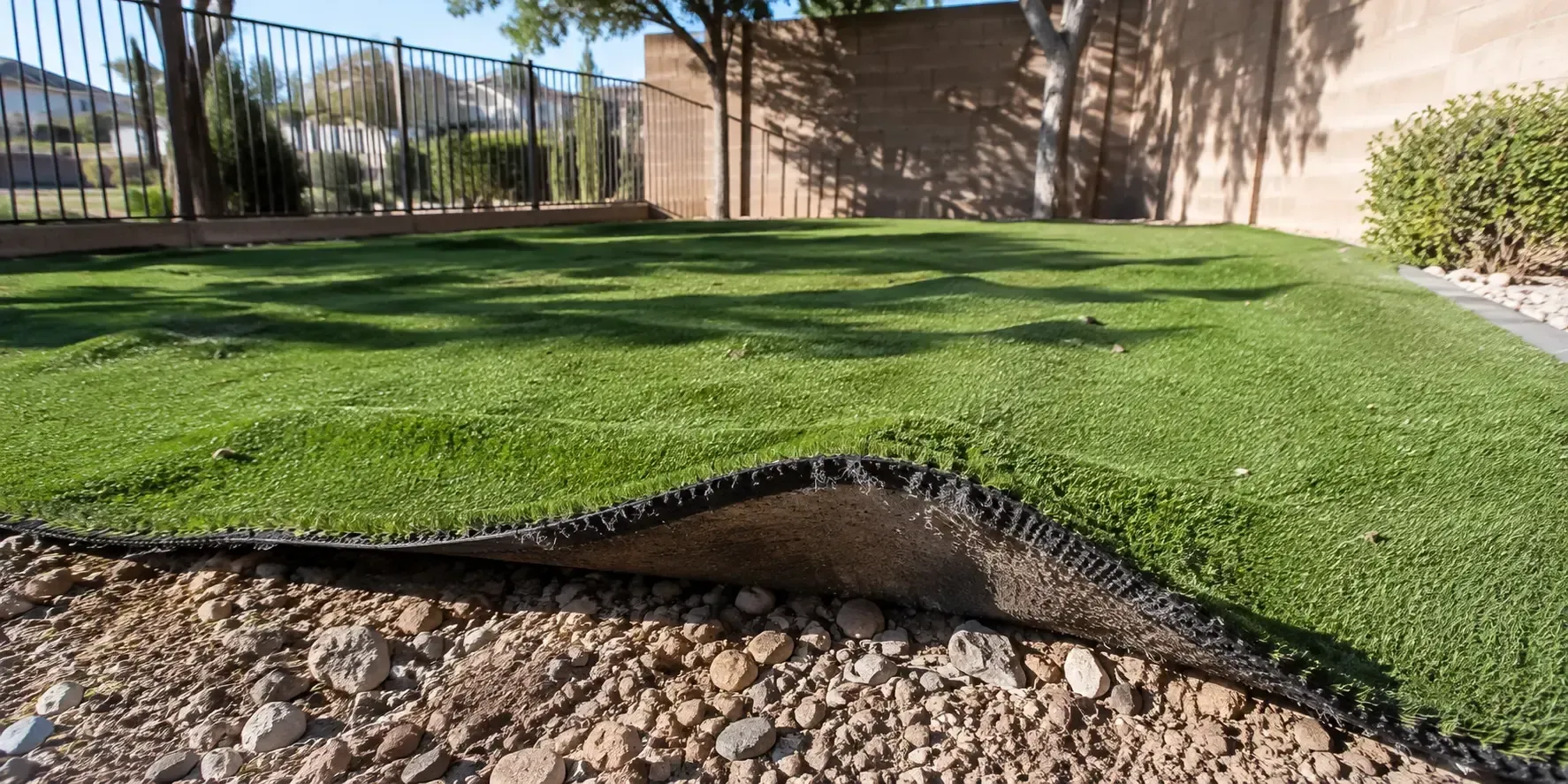
Once the dirt is removed, we bring in base materials. We never lay synthetic grass directly on native Henderson dirt. Instead, we use crushed rock or decomposed granite.
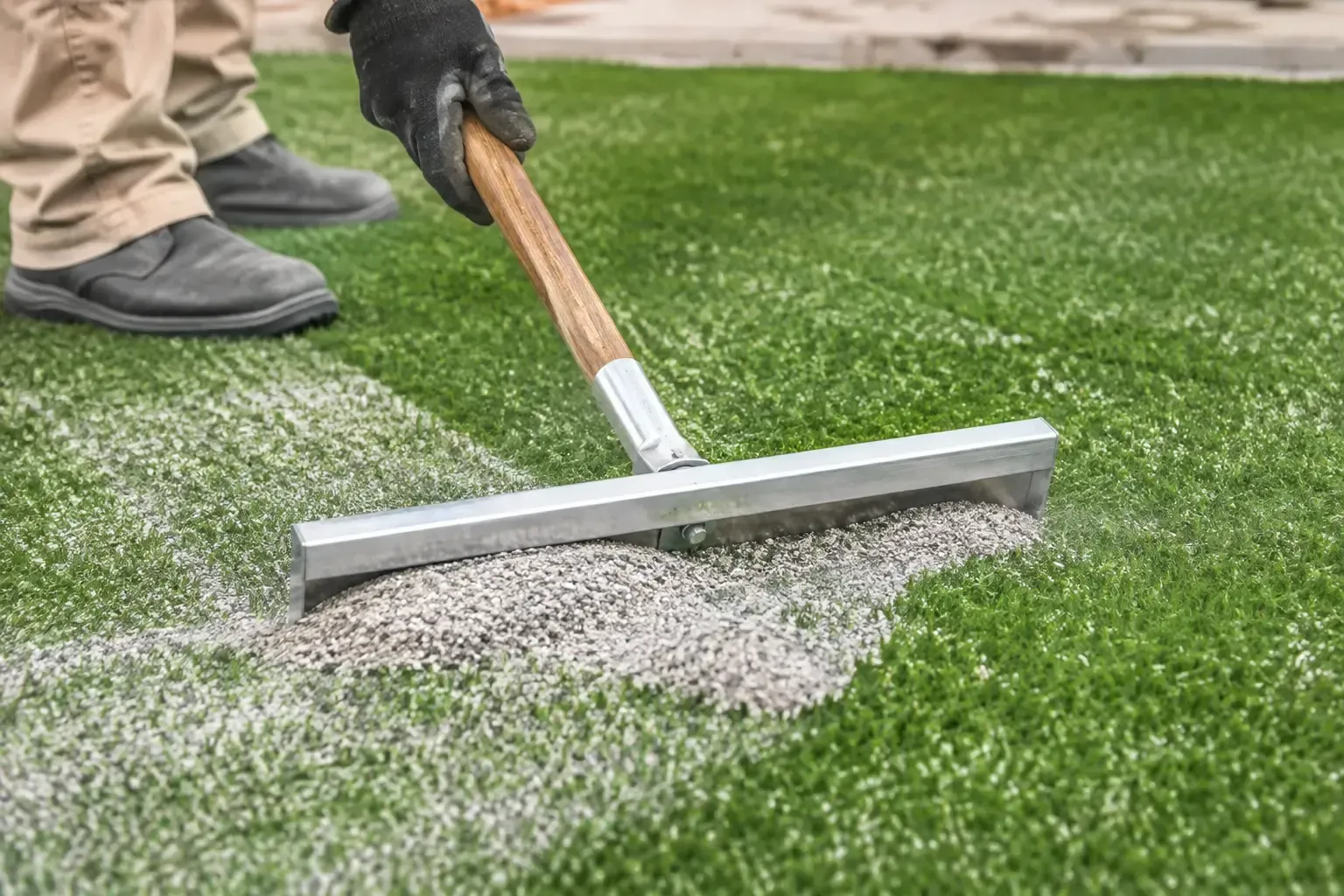
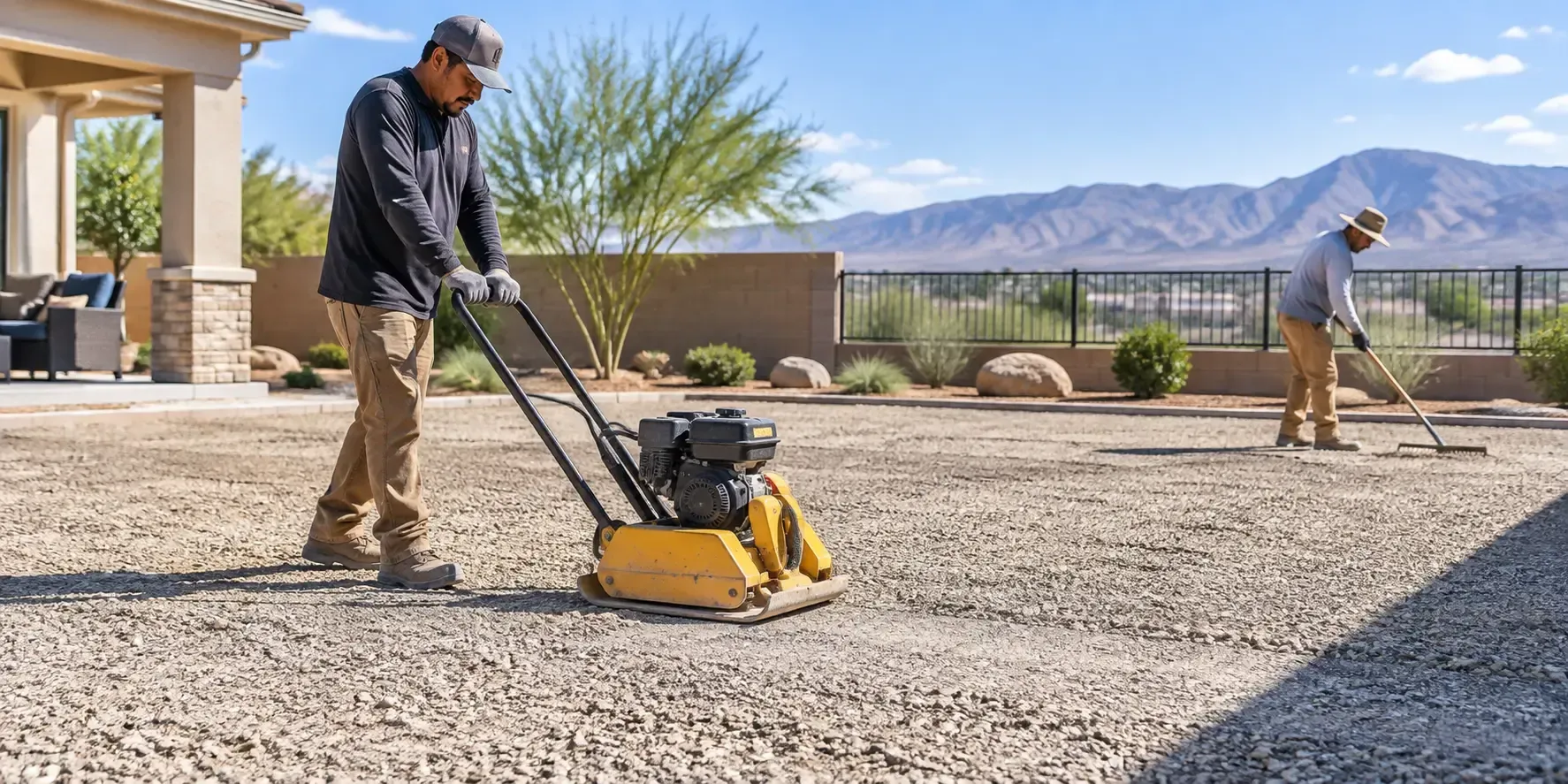
This base layer serves two purposes. First, it creates a firm foundation for walking. Second, it allows water to drain quickly. Installers wet the rock and use a vibratory plate compactor. The machine presses the rocks together tightly. A smooth base means a smooth lawn.
Here is a quick look at how we adjust our methods based on local conditions.
| Soil or Yard Condition | Primary Challenge | Required Installation Adjustment |
|---|---|---|
| Hard Caliche Soil | Poor water drainage | Deep mechanical excavation and extra base rock |
| Sandy Desert Soil | Base shifting over time | Heavy compaction and specialized edge restraints |
| Steep Yard Slopes | Water erosion beneath turf | Terracing or specialized anchoring stakes |
| Heavy Clay Pockets | Water pooling at surface | Enhanced drainage channels and aggregate sub-base |
Customizing Turf for Different Henderson Properties
Every project requires a unique approach. A family backyard serves a different purpose than a public sports field. The intended use of the space changes how we prepare the ground.
Residential Backyards and Pet Areas
Homeowners want soft, safe spaces for their families. Creating beautiful residential artificial turf landscapes requires careful attention to detail.
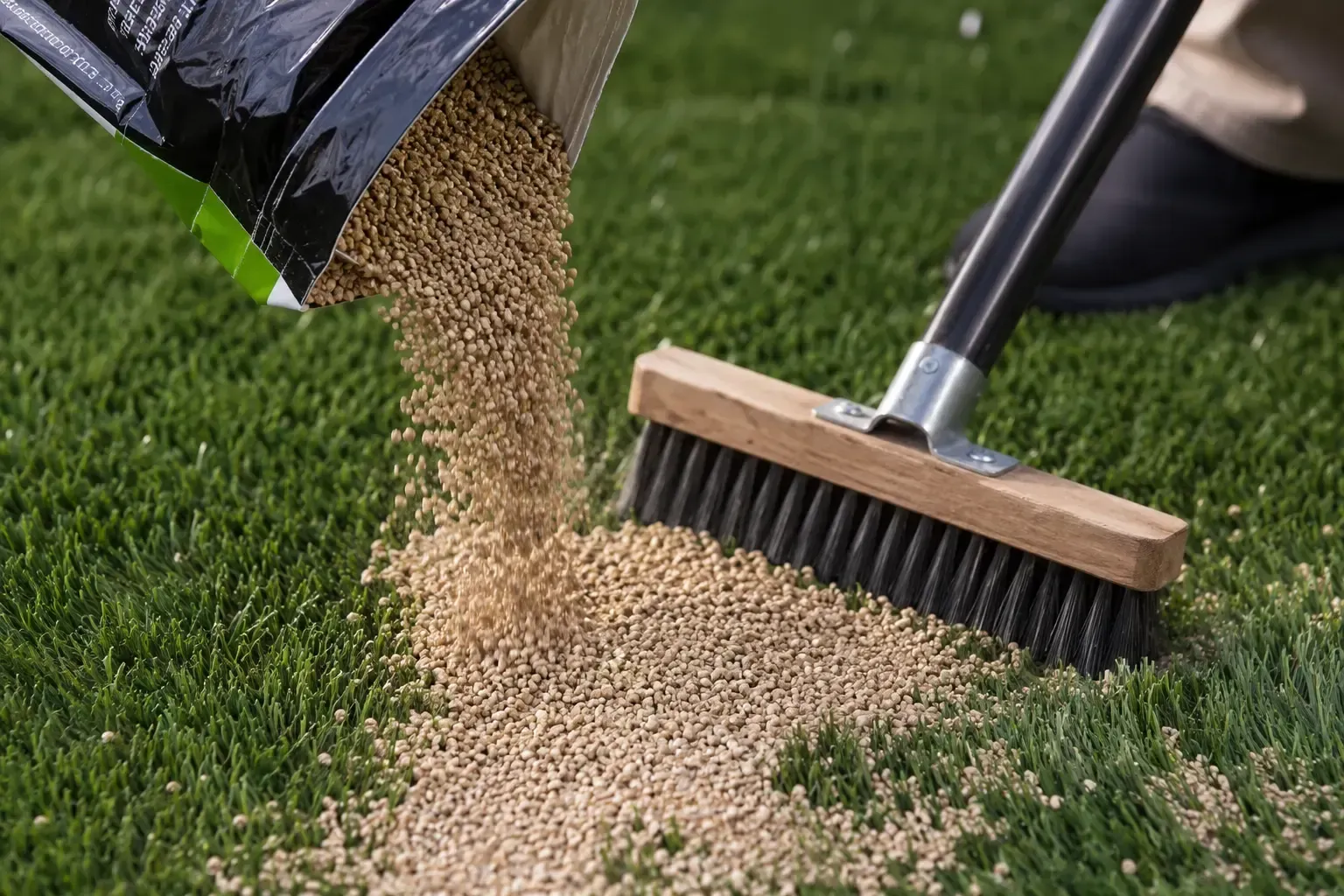
Yards with large dogs need upgraded drainage. Pet urine must wash away quickly to prevent smells. We use specialized infill materials designed for pets. This infill absorbs odors and keeps the grass cool. The sub-base is graded specifically to handle frequent washing from a garden hose.
Professional-Grade Putting Greens
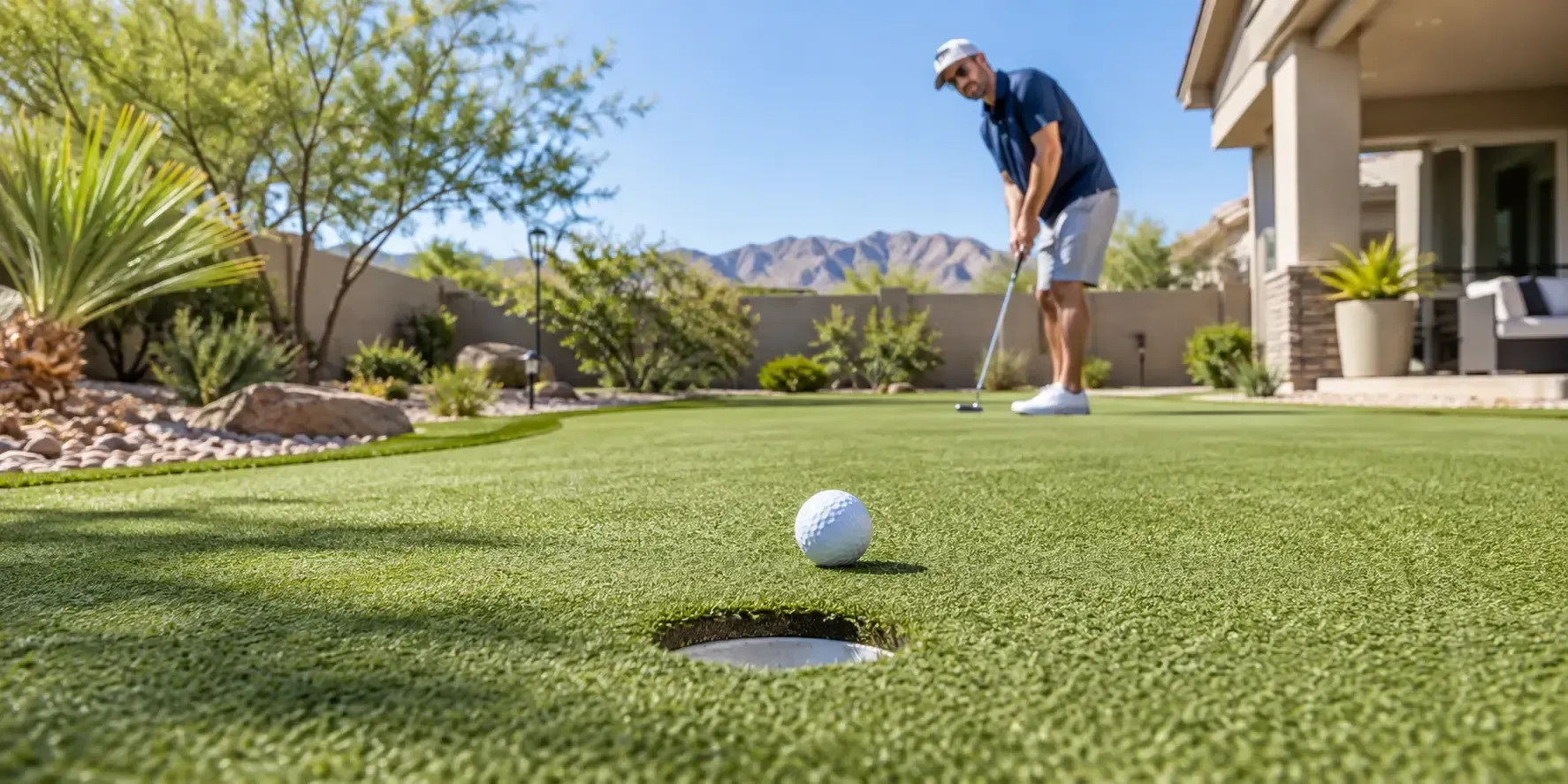
Golfers are highly critical of surface smoothness. A tiny bump can ruin a perfect putt. Designing custom putting greens requires immense precision.
The site preparation for a golf green is very strict. The base material is compacted multiple times. We carefully shape the slopes to create challenging, realistic breaks. The grass used for golf is shorter and denser. It requires a flawless foundation to perform like a real country club green.
Durable Commercial Spaces
Businesses see heavy foot traffic. A shopping center or apartment complex needs maximum durability. Planning commercial artificial turf projects involves complex logistics.
Commercial properties often have underground utilities and irrigation lines. Installers must work around these obstacles carefully. The base layer is usually thicker to support constant walking. We also focus heavily on edge durability. Commercial curbs and sidewalks must meet the grass seamlessly to prevent tripping hazards.
Managing Drainage in Desert Landscapes
Henderson is a desert environment. However, the sudden summer monsoons drop massive amounts of water in minutes. Flash flooding is a real concern for property owners.
Synthetic lawns are actually highly efficient at managing rainwater. The backing of the grass features perforated holes. Water drains straight through the surface. The crushed rock base below acts as a temporary reservoir. The water then slowly seeps into the native soil.
If your yard has a severe slope toward your house, we must intervene. Installers can install French drains beneath the grass. We can also grade the sub-base to direct water toward the street. Managing water runoff protects your property value and your landscape investment.
Securing Edges and Seams
The edges of your lawn take the most abuse. Kids run across the borders. Landscapers run edgers nearby. If the edges are weak, the entire lawn can lift up.
We use pressure-treated lumber or specialized composite bender boards to create a perimeter frame. The grass is stretched tightly across the yard. Installers nail the edges securely to the frame. This stops the grass from shifting during temperature changes.
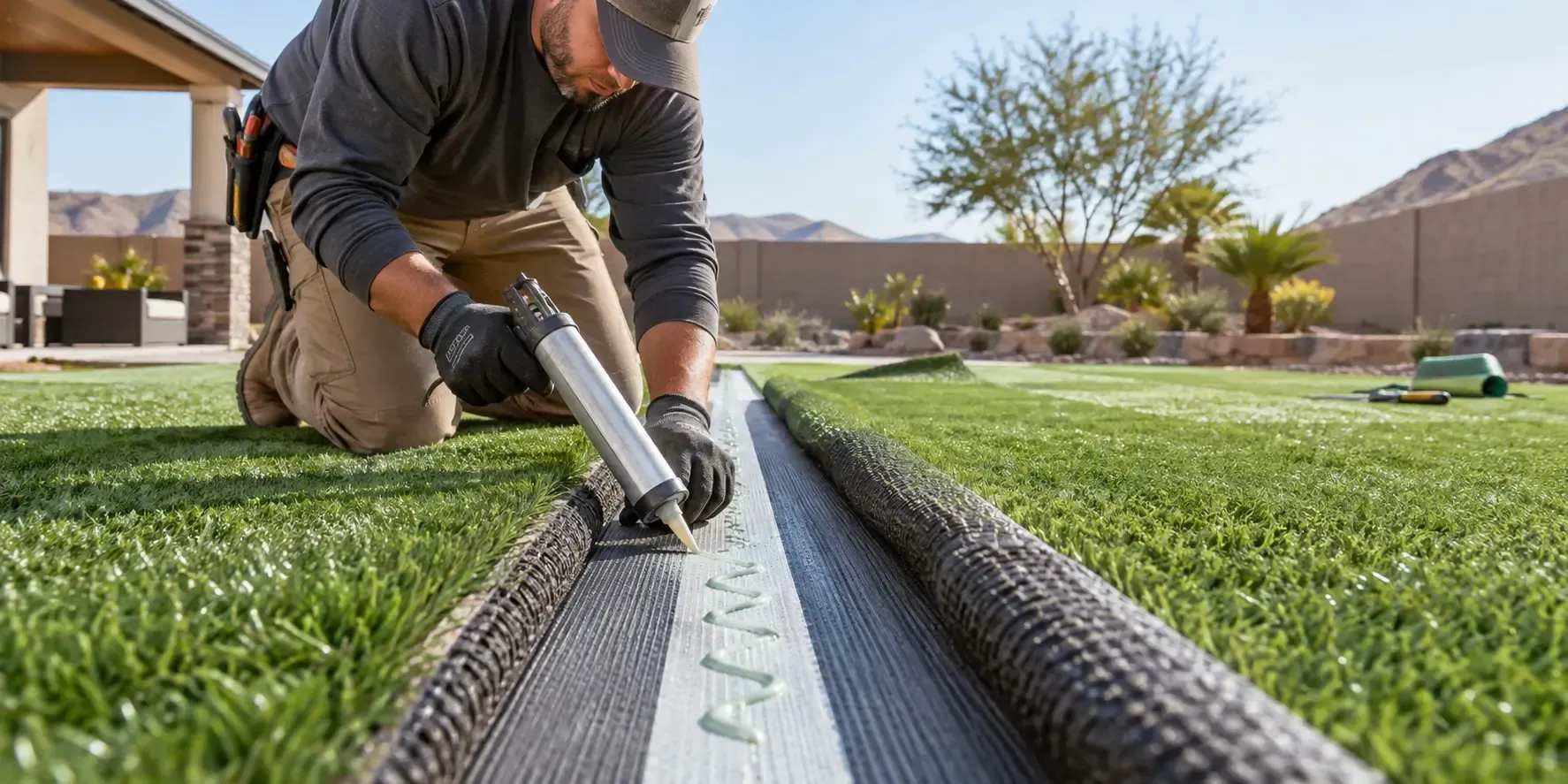
Seaming two pieces of grass together is an art form. We use strong seaming tape and heavy-duty glue. A proper seam is invisible to the naked eye. It keeps the synthetic fibers locked firmly in place.
Choosing Premium Artificial Grass Henderson Solutions
Not all synthetic grass is manufactured equally. Finding the right artificial grass Henderson options depends on your specific lifestyle.
You need a product with strong UV protection. The Nevada sun will fade cheap plastics very quickly. Premium synthetic fibers reflect sunlight and resist heat buildup. You also want a thick pile height for maximum comfort.
If you want to learn more about our materials and our company history, please visit our About Us page. We pride ourselves on transparent communication and top-tier craftsmanship. Our team will guide you through every single step of the process.
Reclaiming Your Weekend
Owning a synthetic lawn changes your lifestyle completely. You no longer have to wake up early on Saturdays to mow. You will never drag heavy bags of fertilizer from the hardware store again. You save thousands of gallons of water every year.
Your yard will look perfectly manicured in January and in July. Your water bill will drop significantly. The initial investment pays for itself over just a few years.
If you are ready to transform your property, reach out to us today. Our experts can evaluate your yard slopes, test your soil, and recommend a tailored plan. Please head over to our Contact Us page to schedule your personalized property consultation. We are ready to bring your landscaping vision to life.
Frequently Asked Questions
Can artificial grass be installed over heavily sloped yards?
Yes. Installers can lay synthetic grass on steep slopes. However, the site preparation requires extra anchoring. Special stakes and terracing techniques prevent the base materials from washing away during heavy rainstorms.
Does caliche soil make artificial turf installation impossible?
Not at all. Caliche simply requires different tools. Professional installers use mechanical equipment to break through the hard rock. We then add a thick layer of crushed stone to ensure proper water drainage.
How long does site preparation usually take in Henderson?
The preparation phase is the most time-consuming part of the job. For a standard residential yard, excavation and base leveling take one to two days. Complex yards with difficult soil or steep grades may require additional time.