Sports Turf Planning: Use, Infill, Lines, Drainage, and Maintenance
Strategic Sports Turf Planning in Henderson, NV
Choosing the right surface for an athletic field requires careful planning. Facility managers and school administrators must balance player safety, performance quality, and long-term upkeep costs. This is especially true in Southern Nevada. The local climate presents extreme heat and rare but heavy rainfall.
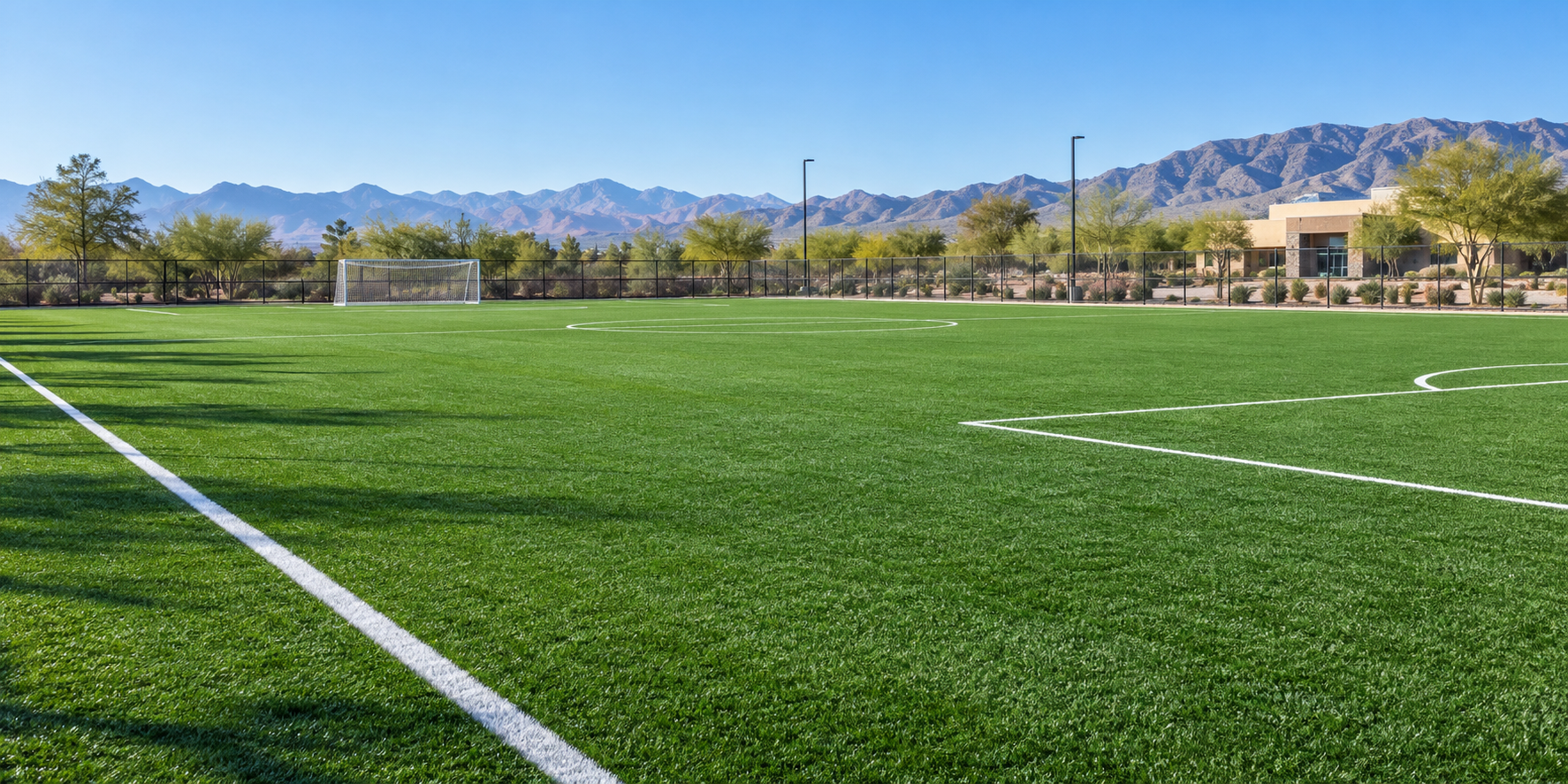
When you partner with LFL Henderson Artificial Turf, you gain access to surfaces engineered for optimal performance. Our team understands local environmental demands. We build fields designed to last. You can read more about our local expertise on our about page. Careful planning ensures your investment serves athletes well for years.
What to Consider Before Installing Sports Artificial Turf in Henderson
Evaluating your specific needs is the crucial first step. You must define the primary use of the field. Will it host a single sport like football or soccer? Will it be a multi-purpose area for a school district? Multi-use fields require different durability standards than dedicated single-sport arenas.
Heavy daily usage impacts the lifespan of the synthetic grass blades. You must select a product with a high face weight and durable backing. Explore options for commercial artificial turf to see materials designed specifically for high-volume athletic use. Proper material selection prevents premature wear and tear.
Selecting the Right Infill for Desert Heat
Infill is the material spread between the synthetic grass blades. It keeps the blades standing upright. It also provides shock absorption to protect players from injuries. The Nevada heat makes infill selection incredibly important. Traditional black crumb rubber absorbs and retains heat. This can make the playing surface uncomfortably hot during summer afternoons.
Cooling infills are highly recommended for Henderson facilities. These specialized materials absorb moisture from the air or light watering. They then release it slowly to lower the surface temperature.
| Infill Material Type | Cooling Ability | Shock Absorption | Best Application |
|---|---|---|---|
| Crumb Rubber | Low | Excellent | High-impact sports |
| Coated Sand (Acrylic) | Moderate | Good | Multi-use community fields |
| Evaporative Cooling | High | Good | Summer leagues and school yards |
| Organic (Cork/Coconut) | High | Moderate | Low-impact practice areas |
Designing Permanent Lines and Markings
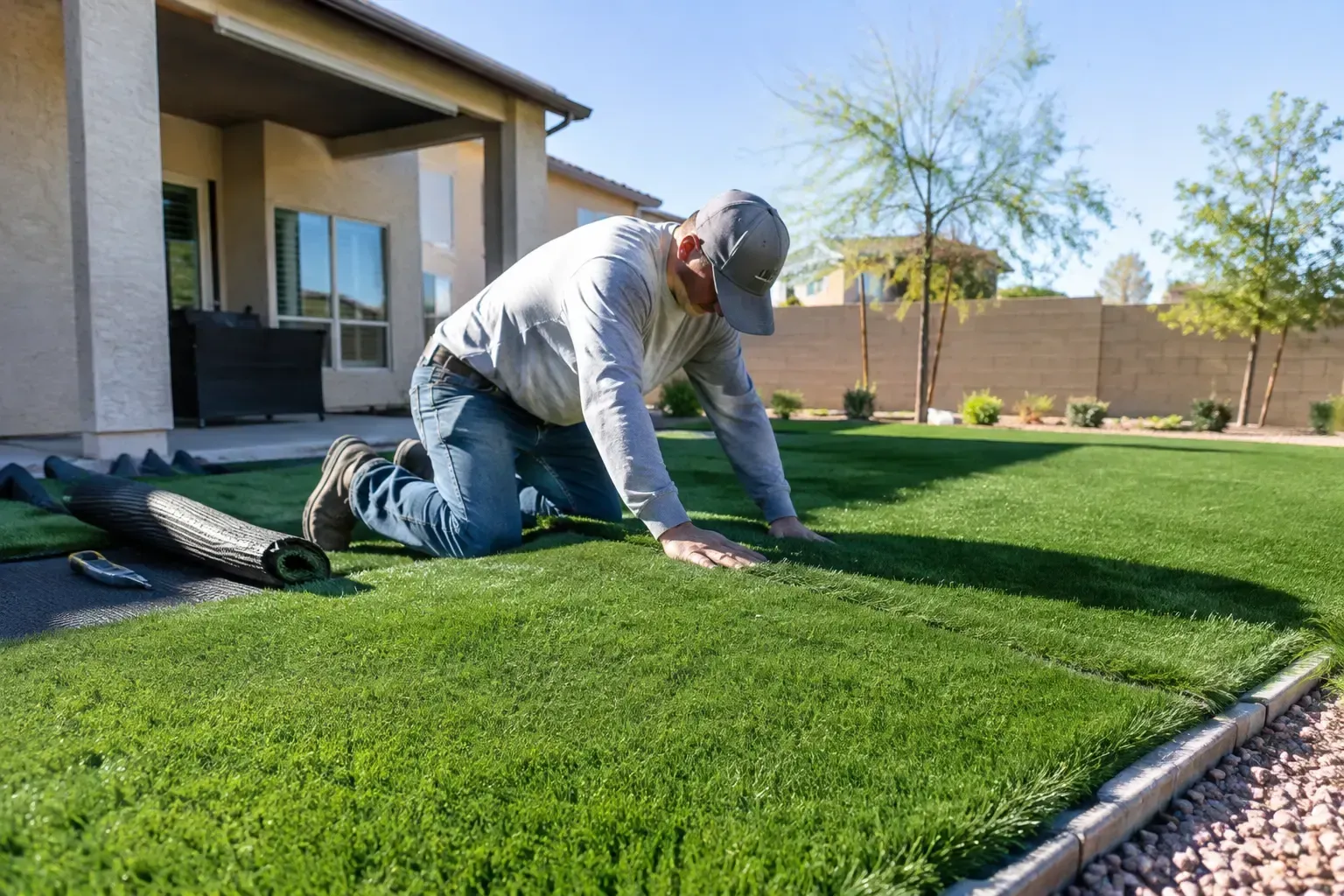
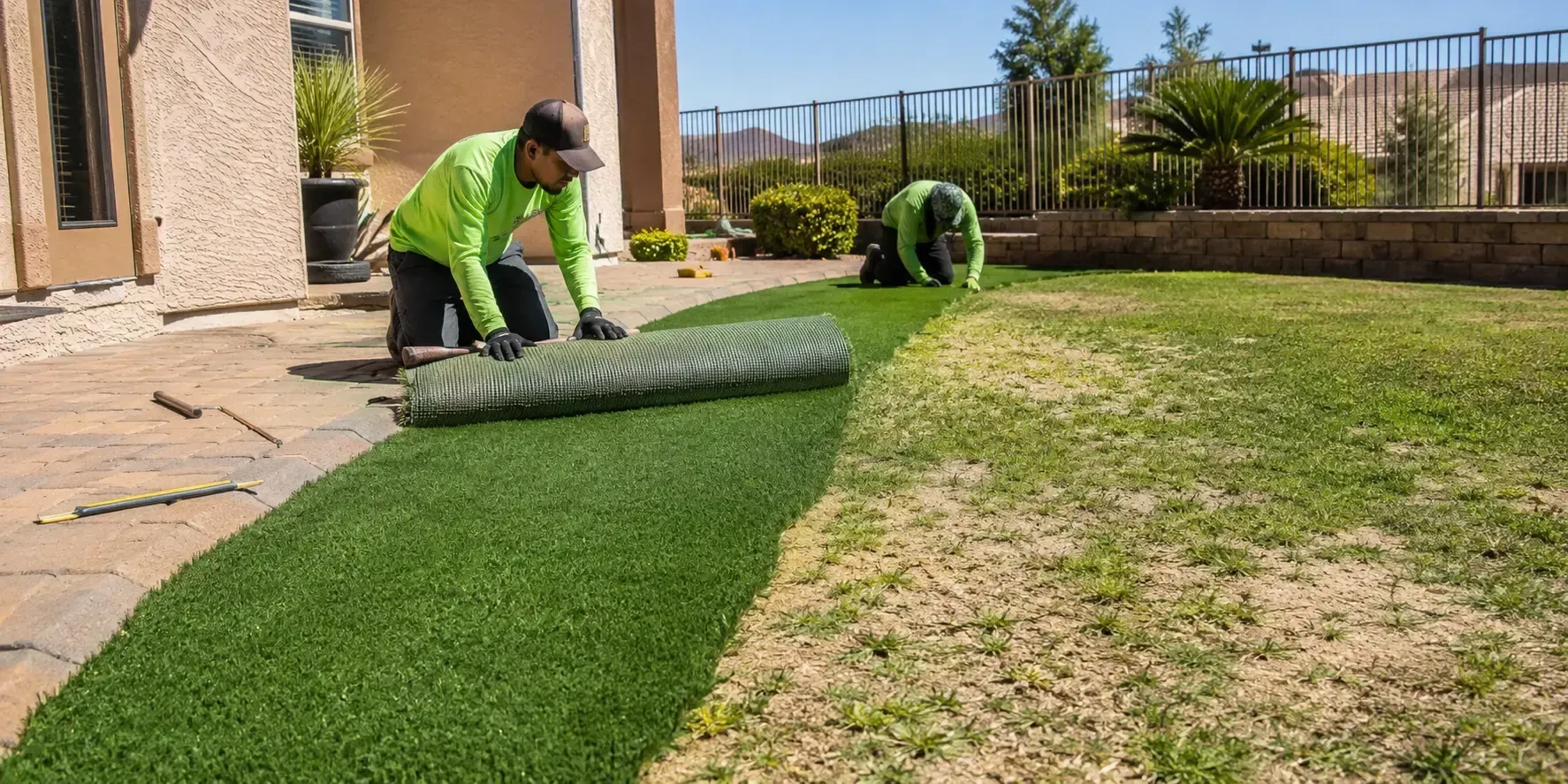
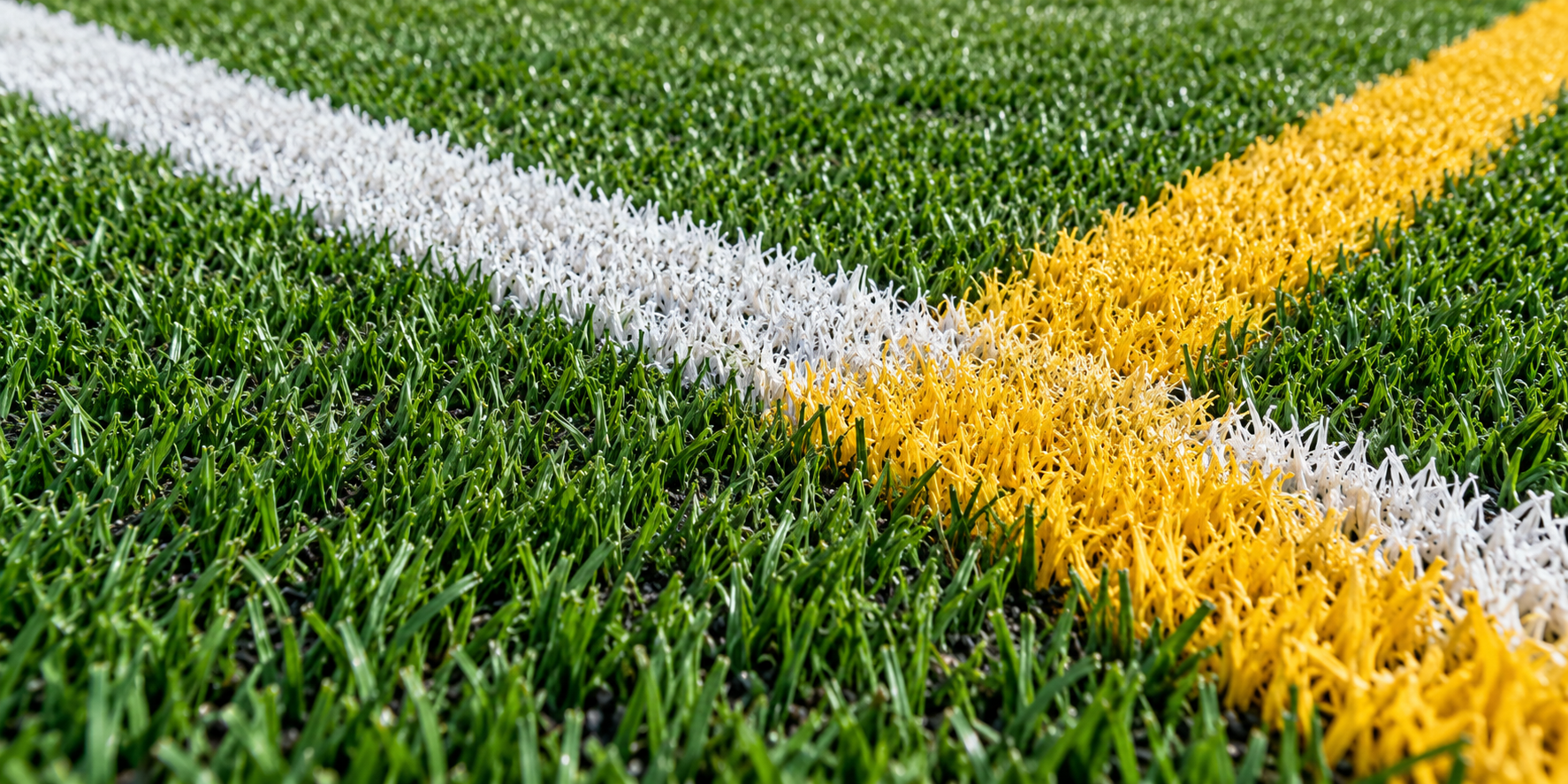
Painting lines on natural grass is a weekly chore. Synthetic fields eliminate this repetitive task. You can choose to have permanent lines inlaid directly into the surface during installation. This involves cutting the green turf and seaming colored turf into the base.
Multi-sport fields often use different colors for different sports. You might use white for football, yellow for soccer, and blue for lacrosse. Planning these lines in advance prevents confusion. It also helps with managing heavy use, much like planning for foot traffic and access in commercial spaces.
Planning for Proper Field Drainage
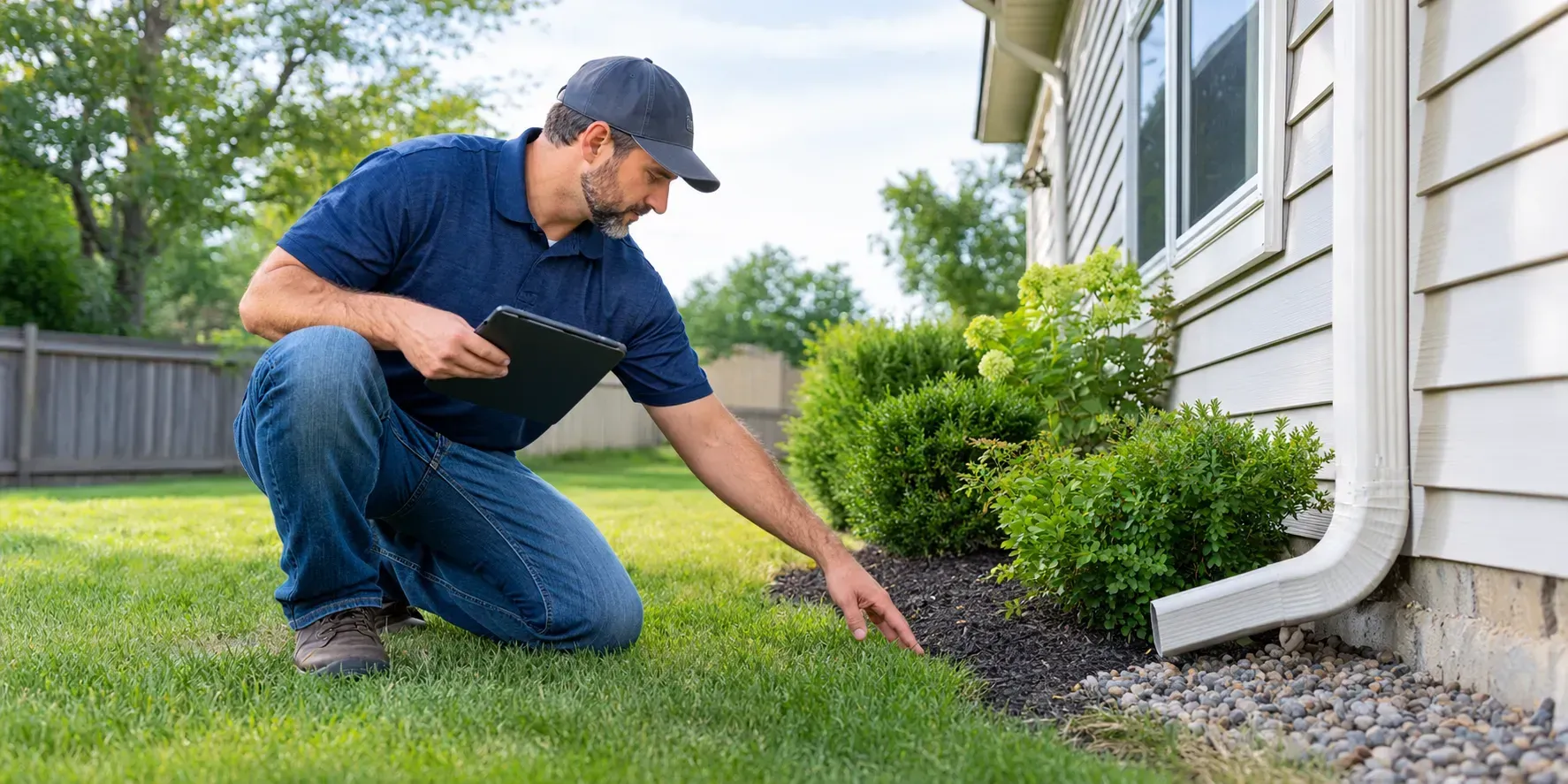
Henderson is known for its dry climate. However, sudden seasonal downpours do happen. A flooded field delays games and damages the sub-base over time. Your field requires a highly efficient drainage system.
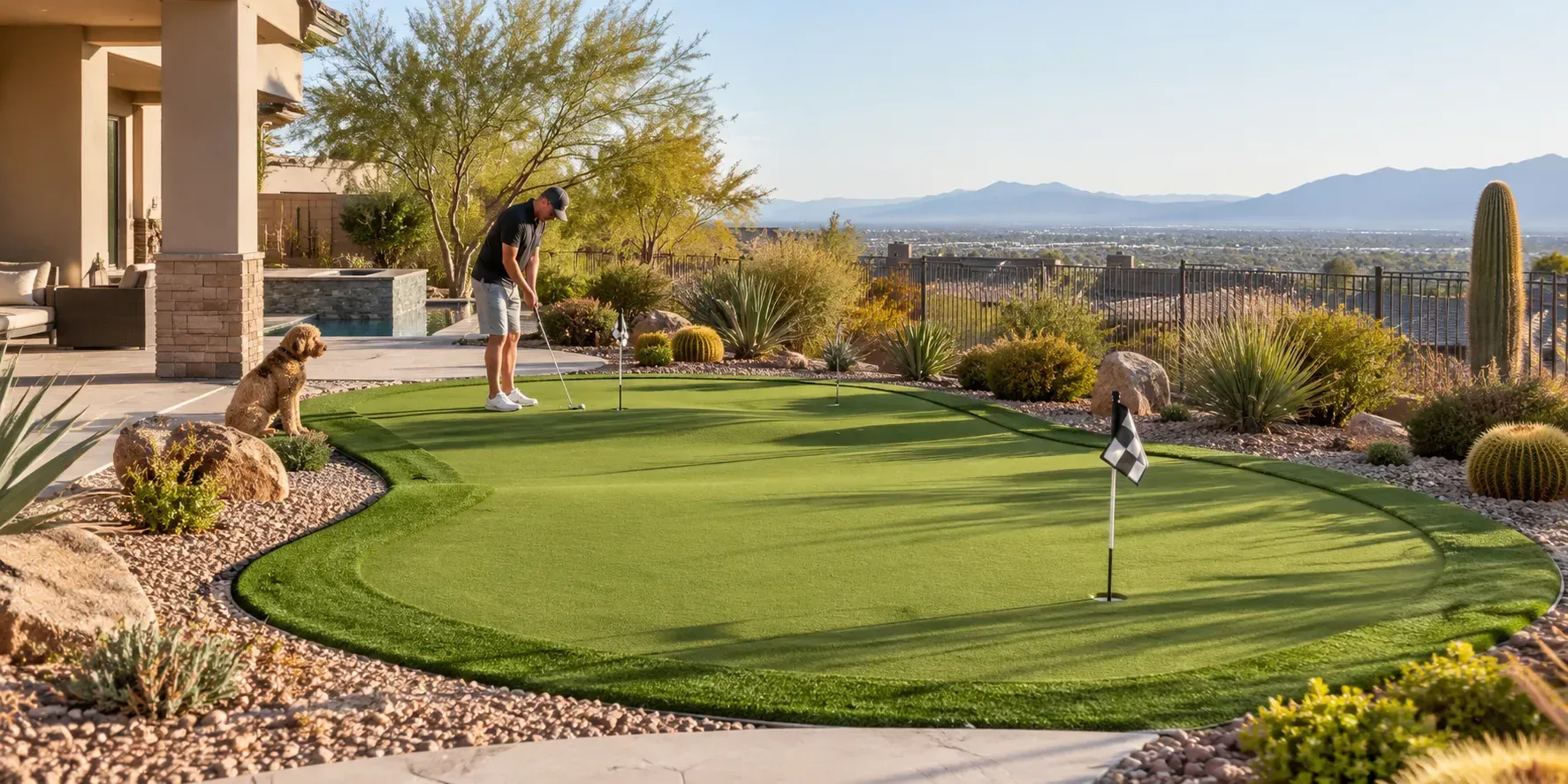
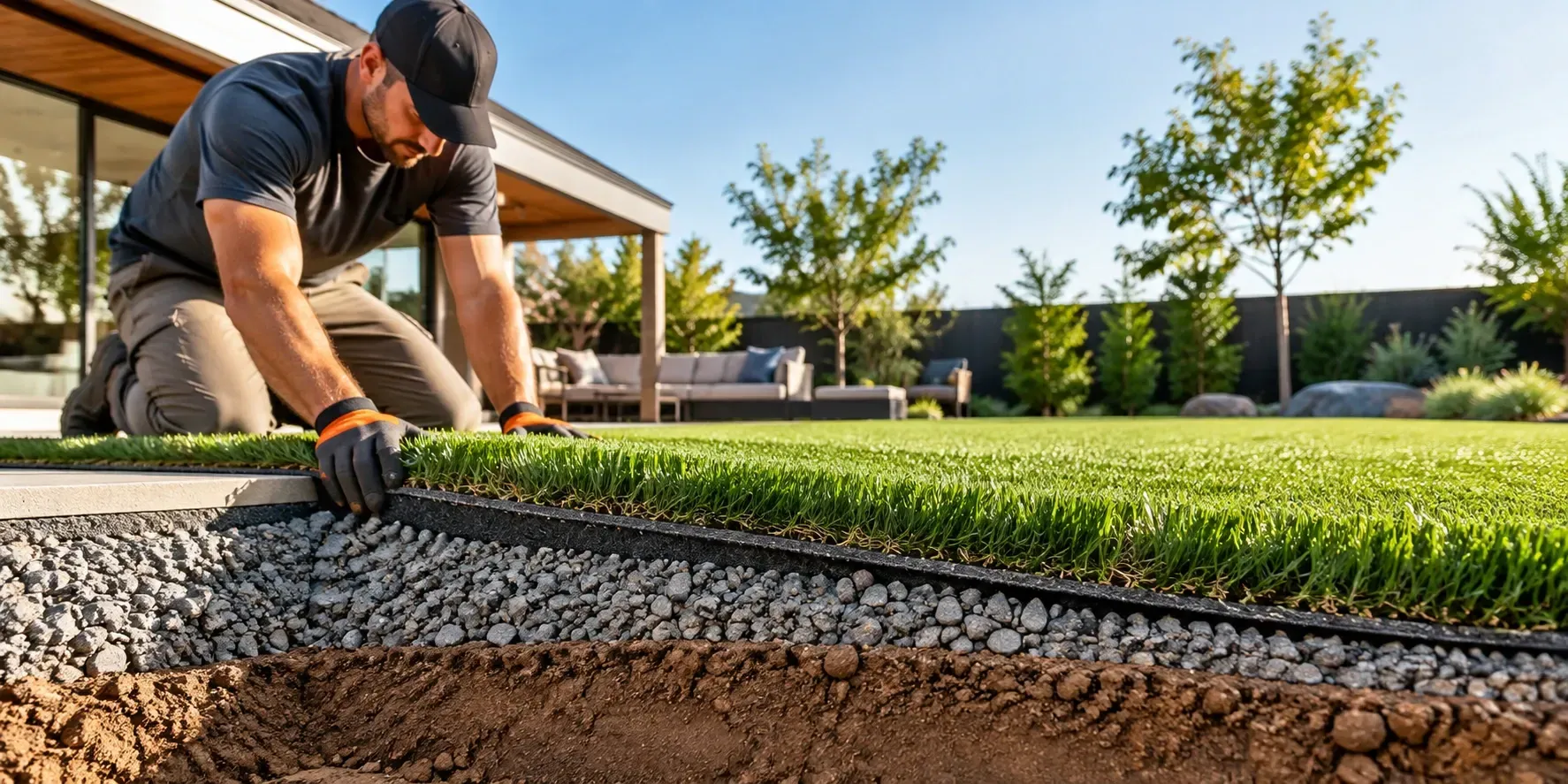
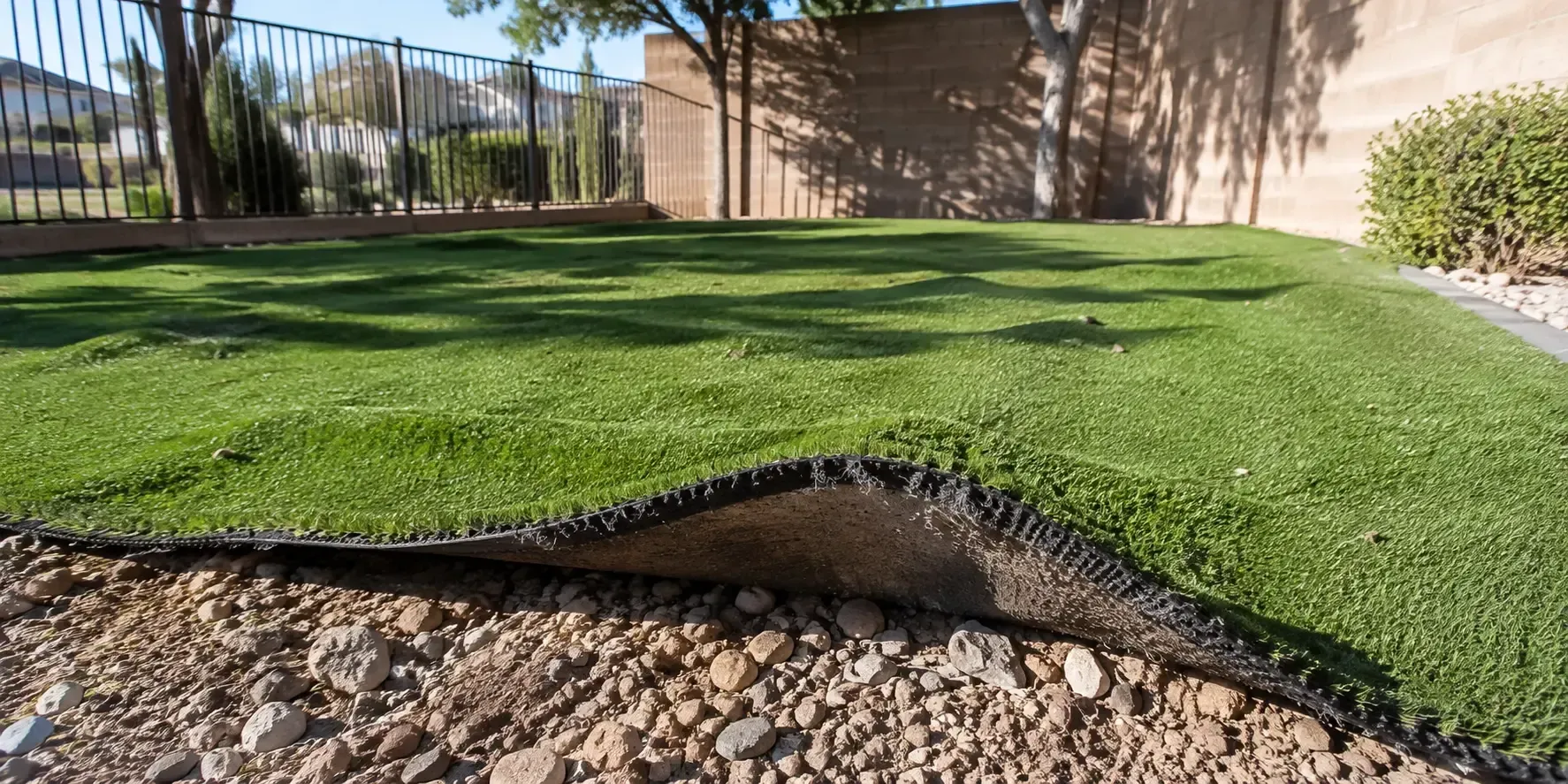
The foundation layer dictates how well water moves through the system. Installers grade the dirt and add a crushed aggregate base. This allows water to pass through the perforated turf backing and drain away quickly. This process is very similar to the precision drainage systems used in professional putting greens. A solid base prevents pooling and keeps the surface level safe for running.
Long-Term Surface Maintenance
Synthetic fields do not need mowing or watering. They do still require routine care to maintain safety standards. High-traffic zones like goal mouths and center fields experience faster infill displacement.
Facility crews must brush the field regularly. Brushing redistributes the infill and lifts flattened grass blades. You must also remove leaves, trash, and organic debris promptly. Organic matter left on the field can break down and cause drainage clogs. You can easily schedule professional turf maintenance to handle deep cleaning and infill top-offs. If you have questions about a maintenance plan, you can easily reach out through our contact page to speak with an expert.
FAQ: Common Questions About Sports Turf
How long does sports artificial turf last?
A professionally installed sports field typically lasts between eight and twelve years. The exact lifespan depends on the volume of daily use, the quality of the selected materials, and how strictly routine maintenance schedules are followed.
Can multiple sports be played on the same field?
Yes. Multi-use fields are incredibly popular for schools and parks. Installers use different colored inlaid lines to mark the boundaries for football, soccer, field hockey, and lacrosse all on a single surface.
Does artificial turf get hot in Henderson?
Synthetic materials do absorb heat. However, choosing the right evaporative cooling infill and applying a light mist of water before games can significantly lower the surface temperature. This keeps the field safe and comfortable for athletes.