How Much Topsoil Should I Remove for Artificial Turf?
As someone who's helped countless Henderson homeowners transform their yards into beautiful, low-maintenance spaces, I remember my first artificial turf installation like it was yesterday. It was a hot summer day in Henderson when I learned the hard way that skimping on topsoil removal could lead to a lumpy, uneven lawn. That experience taught me that proper ground preparation is the foundation of a successful artificial turf installation.
Understanding Topsoil Basics
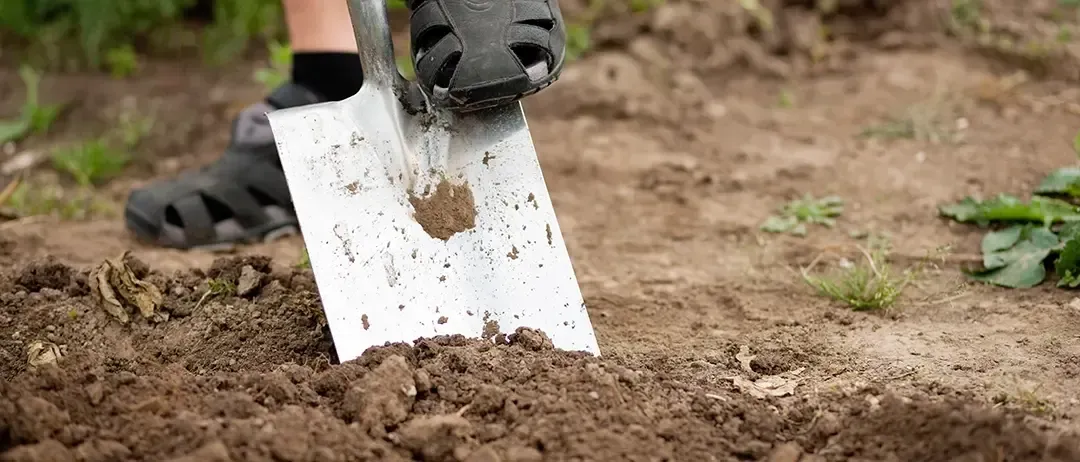
When I first started working with artificial turf installations in Henderson, Nevada, I quickly learned that topsoil is more than just dirt. It's the uppermost layer of soil, typically 4-12 inches deep, containing organic matter, nutrients, and various soil particles. While this rich soil is great for natural grass, it's not ideal for artificial turf installation.
What Is Topsoil?
The topsoil in Henderson varies from sandy to clay-based, and understanding your soil type is crucial for proper removal. I've worked with many different soil conditions across the valley, and each requires a slightly different approach. The soil in most Henderson yards contains a mix of sand, clay, and organic matter.
Why Remove Topsoil for Artificial Turf?
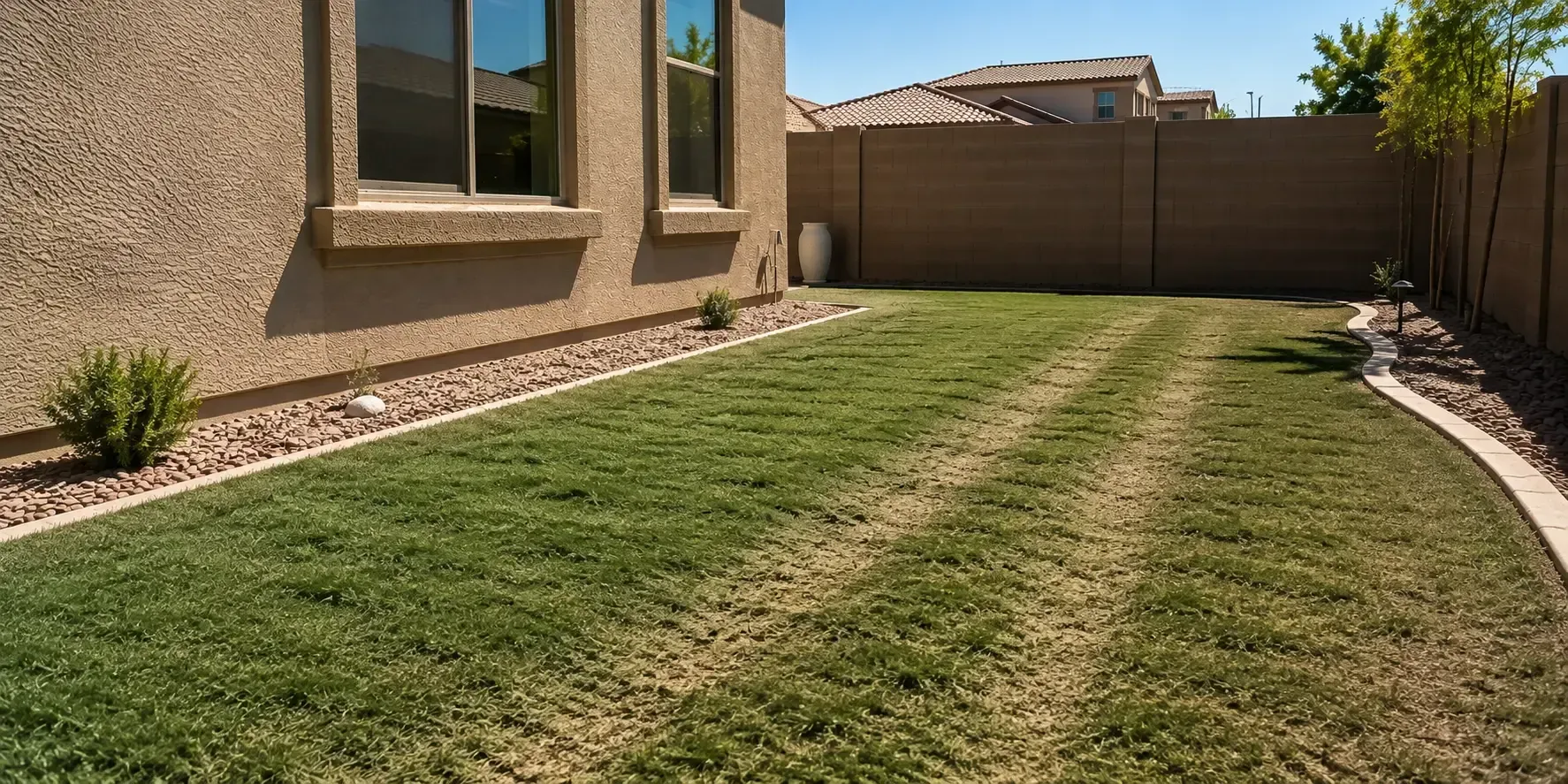
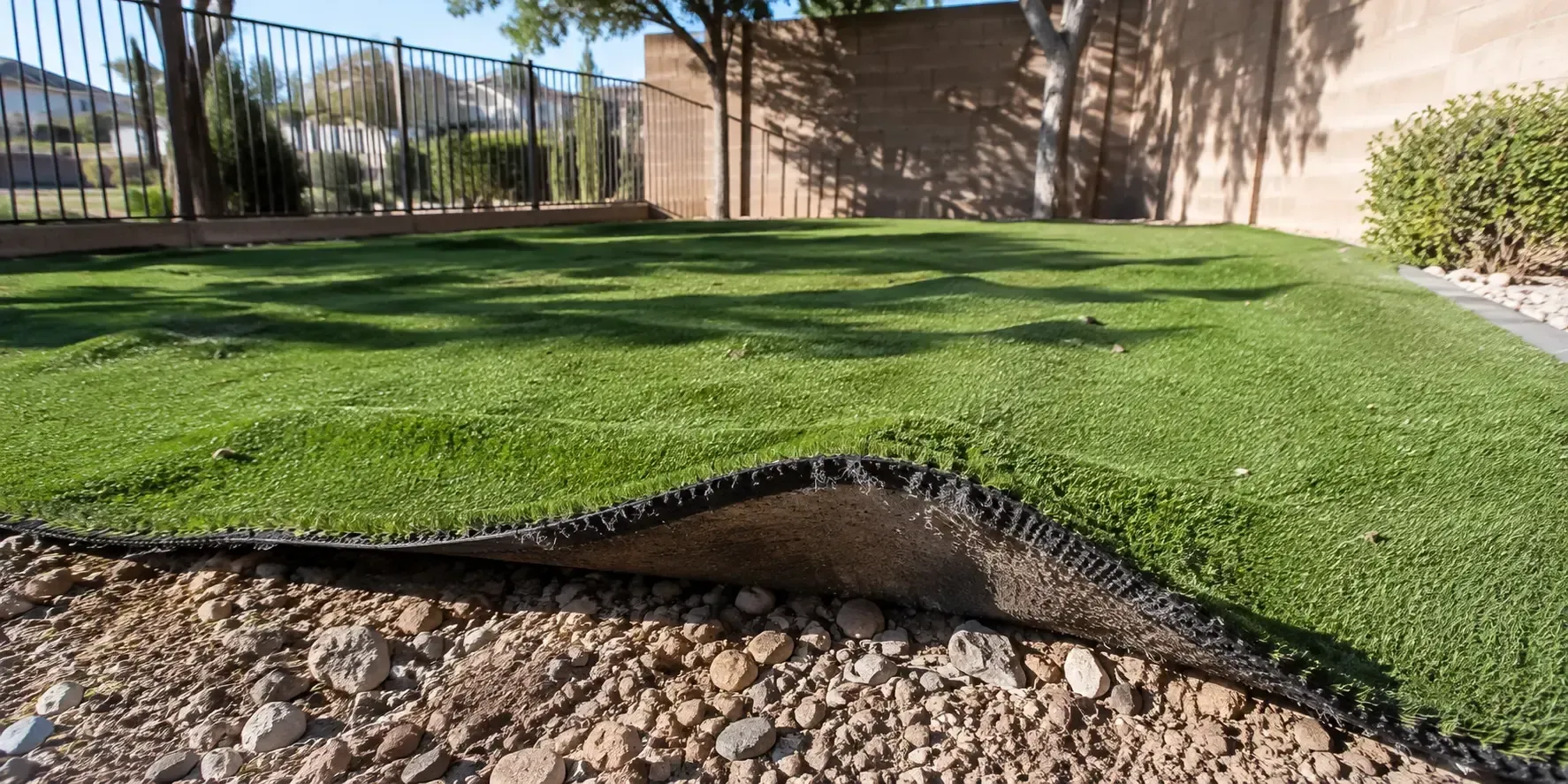
Through my years of experience installing artificial grass, I've found that removing topsoil serves several important purposes. It creates a stable foundation, ensures proper drainage, and prevents future settling or shifting of your turf. Without proper topsoil removal, you might face issues like bumps, dips, or pooling water.
Standard Depth Requirements
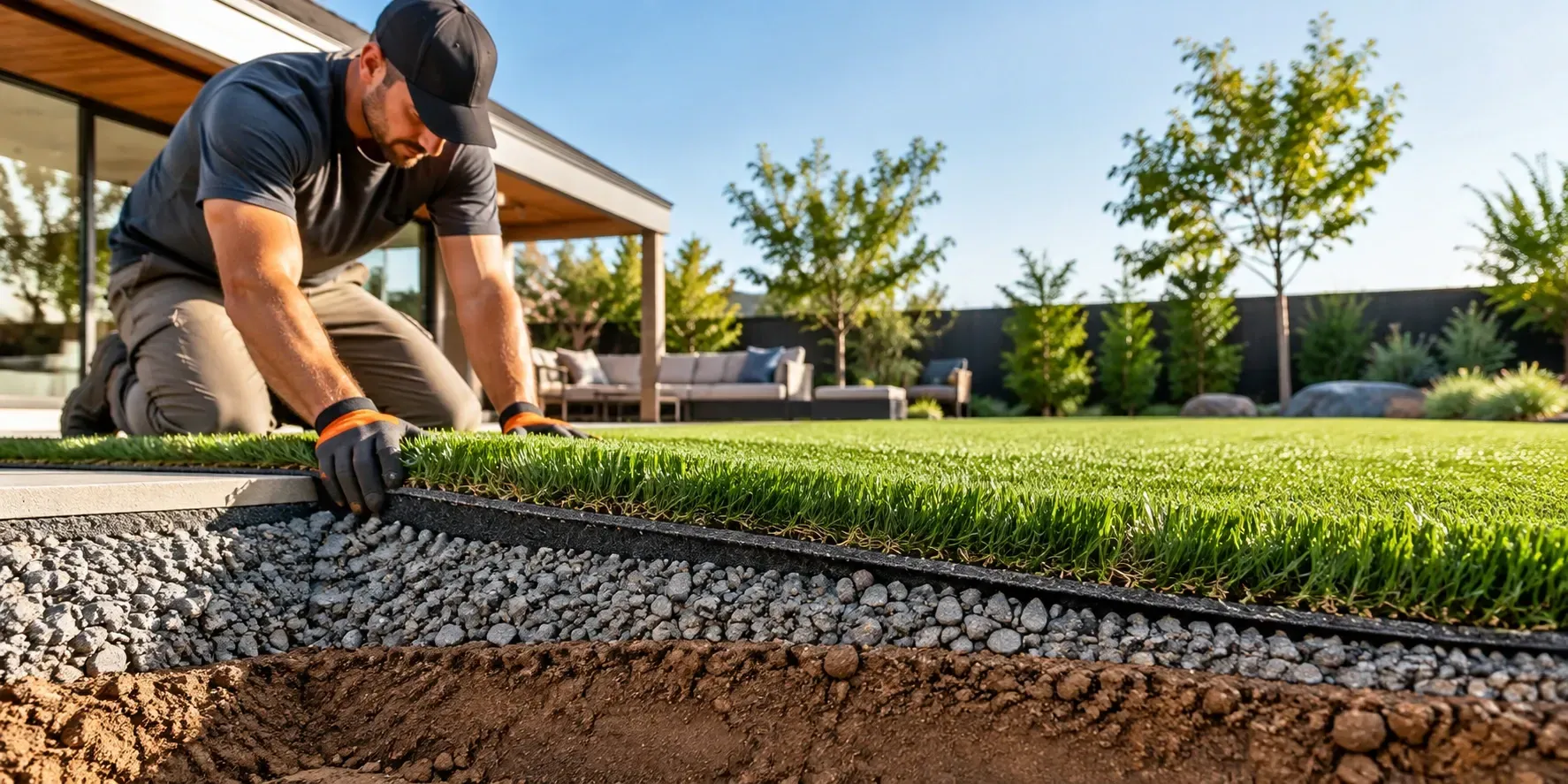
In Henderson's climate, I typically recommend removing 3-4 inches of topsoil for residential installations. This depth allows for proper base material installation while ensuring your artificial grass sits at the right height relative to surrounding hardscapes.
Residential vs Commercial Projects
For residential projects, I usually remove 3-4 inches of topsoil, while commercial projects often require 4-6 inches due to higher foot traffic and different usage patterns. When working on commercial installations, I always consider the specific use case to determine the optimal depth.
Climate Considerations in Henderson
Living in Henderson, I've learned that our unique desert climate affects how we prepare for artificial turf installation. The intense heat and occasional flash floods mean we need to pay extra attention to drainage and base preparation. This often influences the depth of topsoil removal.
Site Assessment
Before starting any removal process, I always perform a thorough site assessment. This crucial step has saved my clients from potential issues down the line. I check for existing irrigation lines, utility markers, and grade changes that might affect the installation.
Measuring Your Space
I use a combination of laser levels and string lines to ensure accurate measurements and proper grading. For a typical Henderson backyard, I take measurements every 10 feet to create a detailed topography map of the space.
Soil Type Evaluation
By conducting a simple soil test, I can determine the composition of your topsoil and adjust my removal strategy accordingly. Sandy soil typically requires less compaction work, while clay-heavy soil needs more attention to prevent future settling.
Step-by-Step Removal Process
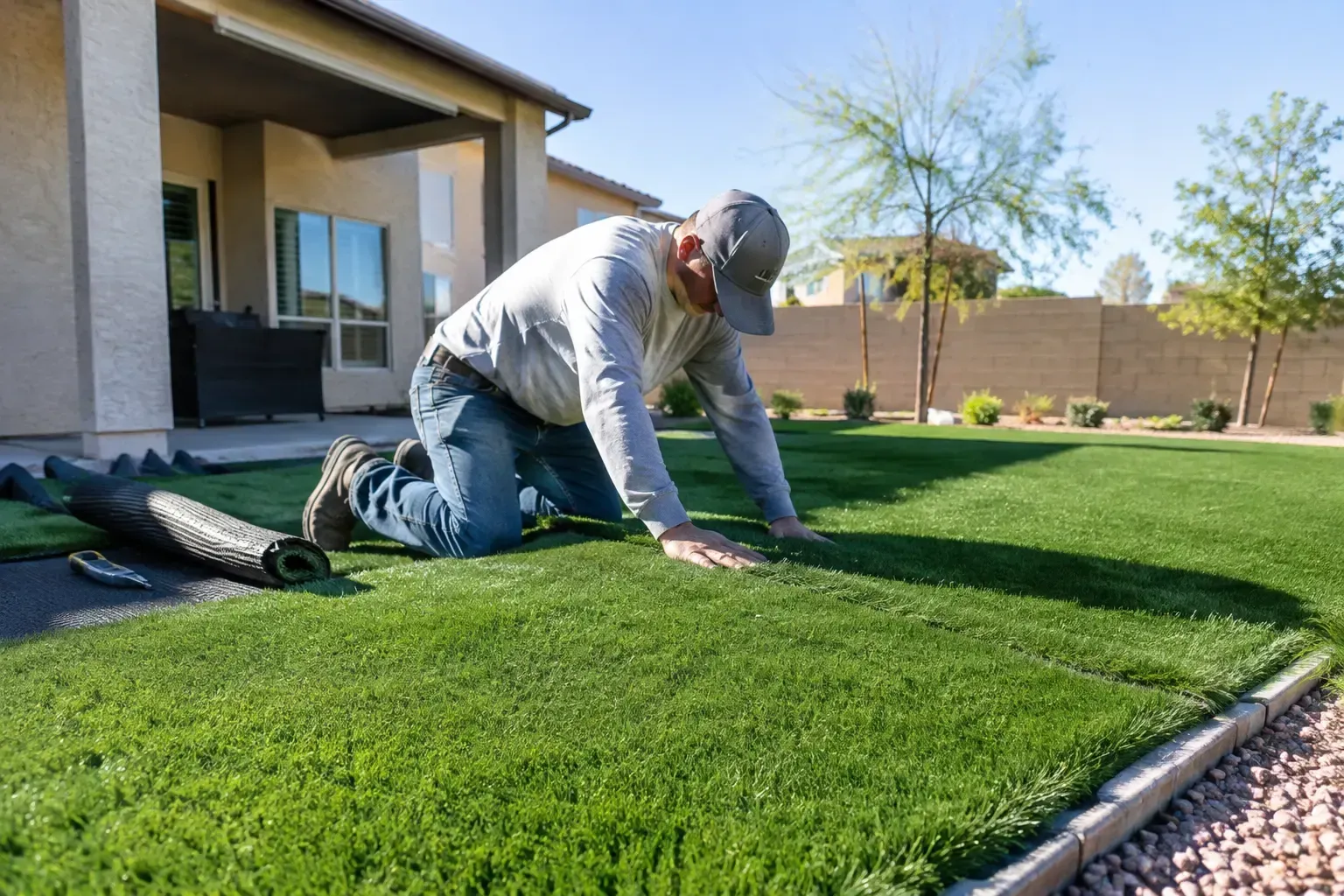
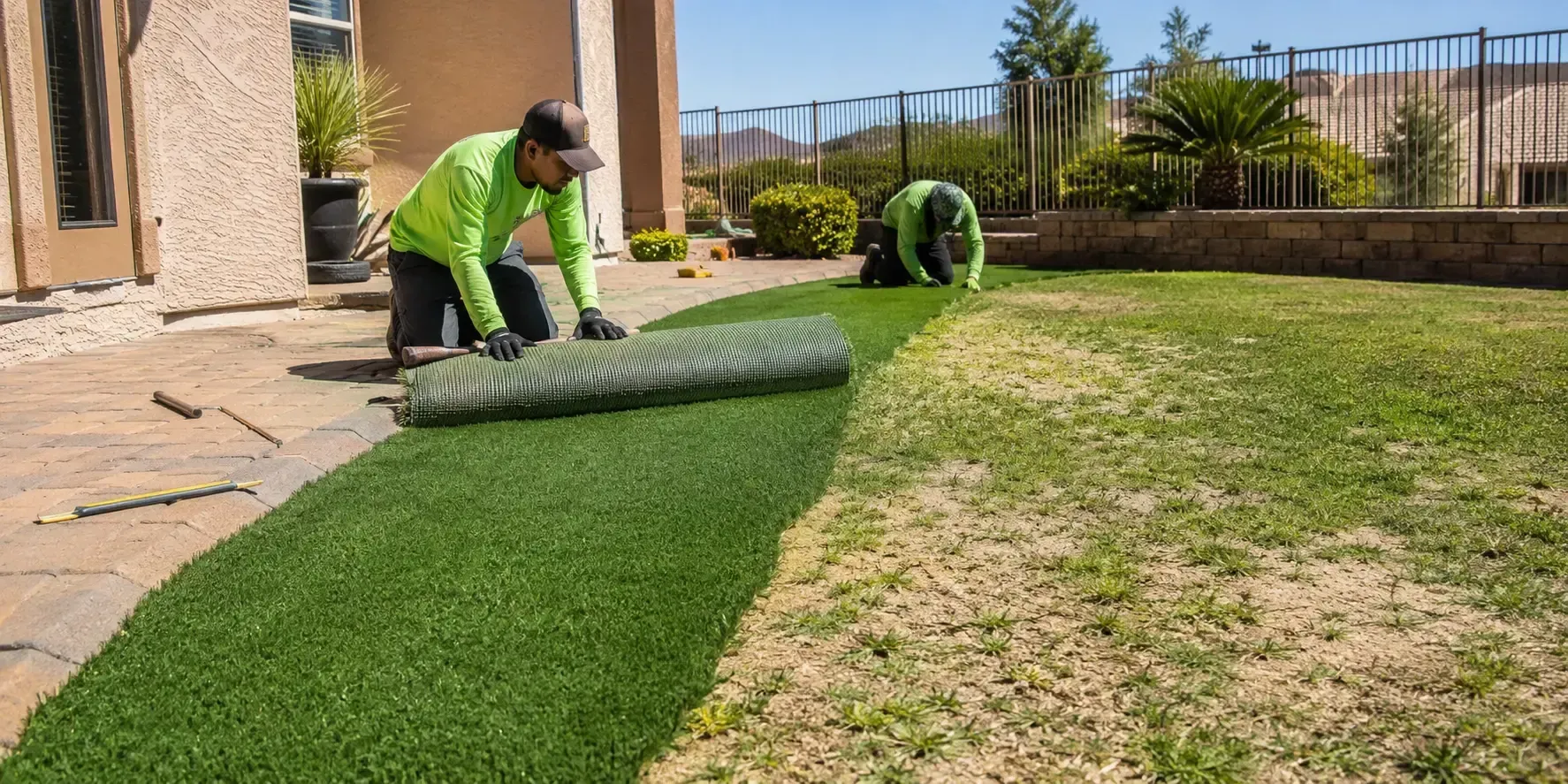
First, I mark all utilities and irrigation lines. Then, using professional-grade equipment, I carefully remove the topsoil layer by layer. This methodical approach ensures even removal and proper preparation for the base material.
Tools and Equipment Needed
From my experience working in Henderson's tough soil conditions, I've found that having the right equipment makes all the difference. I use a Bobcat for larger areas and hand tools for precise work around edges and obstacles.
My essential toolkit includes:
- A sod cutter for initial removal
- Laser level for precise grading
- Plate compactor for base preparation
- Various hand tools for detail work
Marking and Planning
I always start by creating a detailed removal plan. Using spray paint, I mark the areas where the turf will be installed, accounting for any curves or special features. When I worked on a recent project near Henderson's premier artificial turf company, I discovered that proper marking saved hours of work and prevented costly mistakes.
Proper Removal Techniques
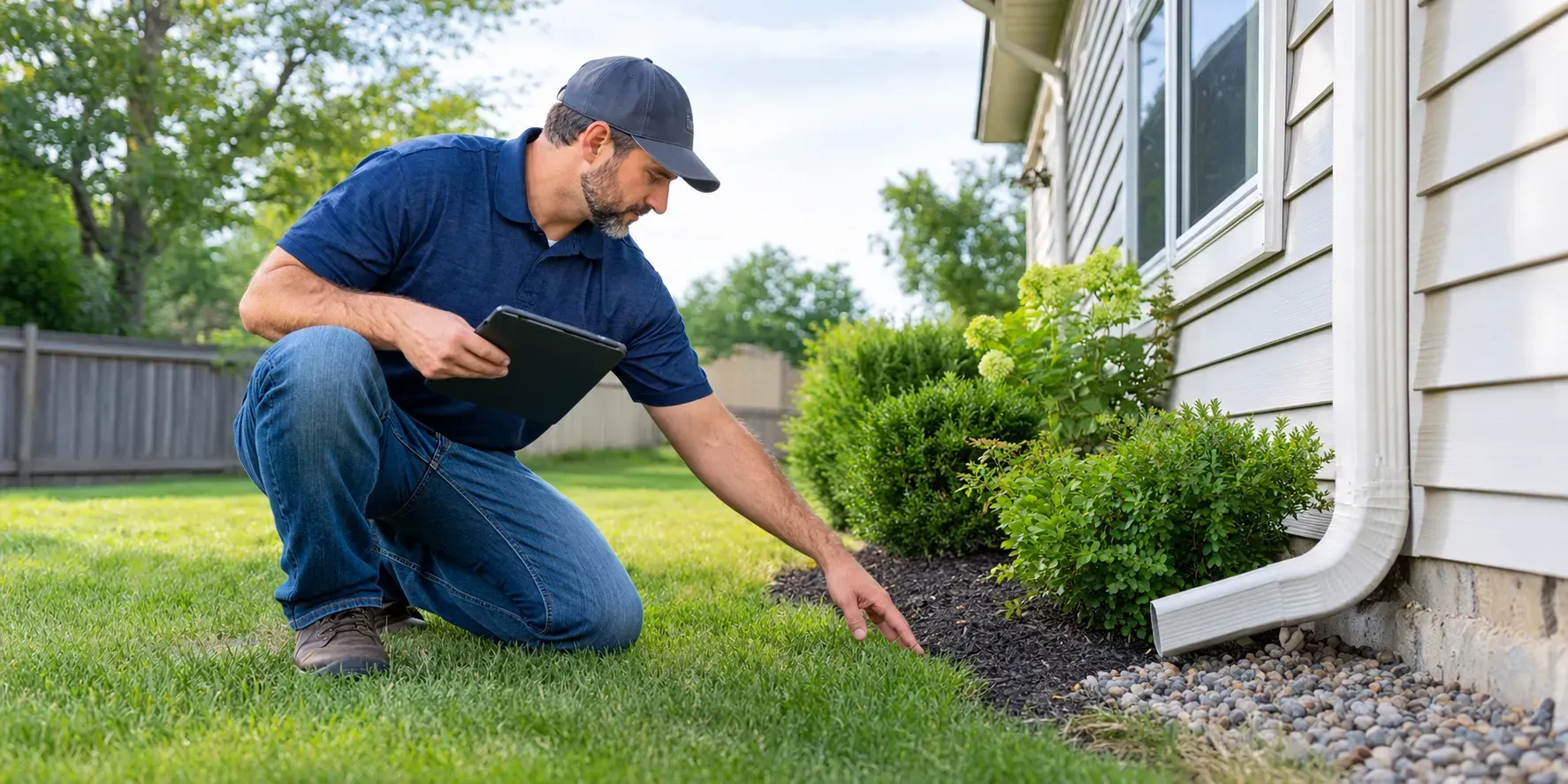
During the removal process, I work in sections, carefully removing topsoil to maintain consistent depth. One technique I've perfected over years of installations is creating a slight grade (about 1%) away from structures to ensure proper drainage.
Special Considerations
Living in Henderson has taught me that every yard has its unique challenges. Whether it's dealing with existing landscaping or managing drainage in our desert climate, attention to detail matters.
Drainage Requirements
In my years of installing turf in Henderson, I've learned that proper drainage is non-negotiable. I always remove an extra half-inch of topsoil in areas prone to water collection. This extra step has saved many of my clients from dealing with water pooling issues during our rare but intense rain events.
Existing Irrigation Systems
When I encounter irrigation systems, I carefully document their location and either cap them off or modify them for future use. From my experience with professional installations, keeping some irrigation points can be beneficial for periodic turf cleaning.
- Henderson Artificial Turf Blog
- (Content below this line is only shown after clicking "Read More")
- Click here to edit.
- How Much Topsoil Should I Remove for Artificial Turf?
- 12/24/2024
- 0 Comments
- As someone who's helped countless Henderson homeowners transform their yards into beautiful, low-maintenance spaces, I remember my first artificial turf installation like it was yesterday. It was a hot summer day in Henderson when I learned the hard way that skimping on topsoil removal could lead to a lumpy, uneven lawn. That experience taught me that proper ground preparation is the foundation of a successful artificial turf installation.
- Understanding Topsoil Basics
- When I first started working with artificial turf installations in Henderson, Nevada, I quickly learned that topsoil is more than just dirt. It's the uppermost layer of soil, typically 4-12 inches deep, containing organic matter, nutrients, and various soil particles. While this rich soil is great for natural grass, it's not ideal for artificial turf installation.
- (Content below this line is only shown after clicking "Read More")
- What Is Topsoil?
- The topsoil in Henderson varies from sandy to clay-based, and understanding your soil type is crucial for proper removal. I've worked with many different soil conditions across the valley, and each requires a slightly different approach. The soil in most Henderson yards contains a mix of sand, clay, and organic matter.
- Why Remove Topsoil for Artificial Turf?
- Through my years of experience installing artificial grass, I've found that removing topsoil serves several important purposes. It creates a stable foundation, ensures proper drainage, and prevents future settling or shifting of your turf. Without proper topsoil removal, you might face issues like bumps, dips, or pooling water.
- Standard Depth Requirements
- In Henderson's climate, I typically recommend removing 3-4 inches of topsoil for residential installations. This depth allows for proper base material installation while ensuring your artificial grass sits at the right height relative to surrounding hardscapes.
- Residential vs Commercial Projects
- For residential projects, I usually remove 3-4 inches of topsoil, while commercial projects often require 4-6 inches due to higher foot traffic and different usage patterns. When working on commercial installations, I always consider the specific use case to determine the optimal depth.
- Climate Considerations in Henderson
- Living in Henderson, I've learned that our unique desert climate affects how we prepare for artificial turf installation. The intense heat and occasional flash floods mean we need to pay extra attention to drainage and base preparation. This often influences the depth of topsoil removal.
- Site Assessment
- Before starting any removal process, I always perform a thorough site assessment. This crucial step has saved my clients from potential issues down the line. I check for existing irrigation lines, utility markers, and grade changes that might affect the installation.
- Measuring Your Space
- I use a combination of laser levels and string lines to ensure accurate measurements and proper grading. For a typical Henderson backyard, I take measurements every 10 feet to create a detailed topography map of the space.
- Soil Type Evaluation
- By conducting a simple soil test, I can determine the composition of your topsoil and adjust my removal strategy accordingly. Sandy soil typically requires less compaction work, while clay-heavy soil needs more attention to prevent future settling.
- Step-by-Step Removal Process
- First, I mark all utilities and irrigation lines. Then, using professional-grade equipment, I carefully remove the topsoil layer by layer. This methodical approach ensures even removal and proper preparation for the base material.
- Tools and Equipment Needed
- From my experience working in Henderson's tough soil conditions, I've found that having the right equipment makes all the difference. I use a Bobcat for larger areas and hand tools for precise work around edges and obstacles. My essential toolkit includes:
- A sod cutter for initial removal
- Laser level for precise grading
- Plate compactor for base preparation
- Various hand tools for detail work
- Marking and Planning
- I always start by creating a detailed removal plan. Using spray paint, I mark the areas where the turf will be installed, accounting for any curves or special features. When I worked on a recent project near Henderson's premier artificial turf company, I discovered that proper marking saved hours of work and prevented costly mistakes.
- Proper Removal Techniques
- During the removal process, I work in sections, carefully removing topsoil to maintain consistent depth. One technique I've perfected over years of installations is creating a slight grade (about 1%) away from structures to ensure proper drainage.
- Special Considerations
- Living in Henderson has taught me that every yard has its unique challenges. Whether it's dealing with existing landscaping or managing drainage in our desert climate, attention to detail matters.
- Drainage Requirements
- In my years of installing turf in Henderson, I've learned that proper drainage is non-negotiable. I always remove an extra half-inch of topsoil in areas prone to water collection. This extra step has saved many of my clients from dealing with water pooling issues during our rare but intense rain events.
- Existing Irrigation Systems
- When I encounter irrigation systems, I carefully document their location and either cap them off or modify them for future use. From my experience with professional installations, keeping some irrigation points can be beneficial for periodic turf cleaning.
- Professional vs DIY Removal
- Cost Comparison
- From my calculations, professional topsoil removal in Henderson typically costs between $2-4 per square foot, including disposal. DIY removal might save money initially, but I've seen many cases where improper removal led to costly corrections later.
- Time Investment
- When I tackle a typical Henderson backyard (around 500 square feet), professional removal takes about 1-2 days. DIY projects often take 3-4 times longer, especially without access to professional equipment.
- Equipment Rental
- If you're considering DIY removal, remember to factor in equipment rental costs. A Bobcat rental in Henderson runs about $250-300 per day, plus delivery fees.
- Common Mistakes to Avoid
- Through my years of experience with artificial turf installation, I've witnessed and learned from various installation mistakes.
- Insufficient Depth
- One of the biggest mistakes I see is removing too little topsoil. This often leads to an uneven surface within months of installation.
- Improper Grading
- I always ensure a slight slope away from buildings - about a quarter inch per foot. This might seem minor, but it makes a huge difference in preventing water accumulation.
- Drainage Oversights
- In Henderson's climate, proper drainage is crucial. I've corrected many installations where inadequate drainage led to water pooling during our monsoon season.
- After Removal Steps
- Once the topsoil is removed, proper base preparation becomes crucial. I've developed a foolproof system for ensuring long-lasting results.
- Base Material Selection
- Having installed countless artificial turf projects in Henderson, I've found that using the right base material is crucial. I prefer a mix of 3/4-inch crushed rock topped with a layer of finer decomposed granite. This combination provides excellent drainage while creating a stable foundation for your turf.
- Compaction Requirements
- From my experience, proper compaction is essential for a lasting installation. I compact the base material in 2-inch layers, achieving a 90% compaction rate. One client near our Henderson location had previous issues with settling, but after implementing this method, their turf has remained perfectly level for years.
- Final Grading
- Before installing the turf, I ensure the final grade is perfect. This means checking for any dips or bumps that might affect the appearance or performance of your artificial grass. I use a special rake to achieve that consistently smooth surface that makes artificial turf look natural.
- Maintenance Tips
- Long-term Care
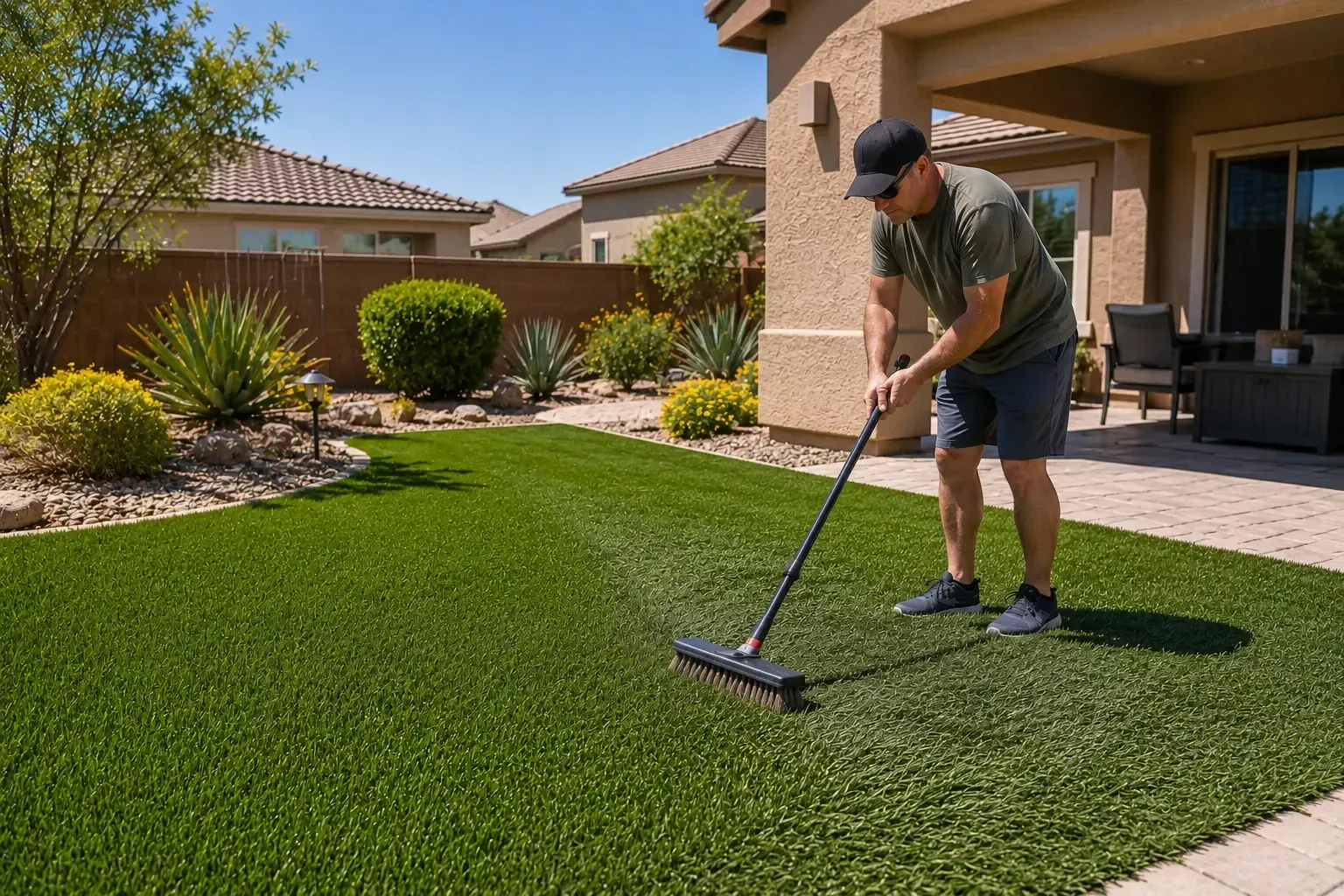
- Even though artificial turf requires minimal maintenance, I always tell my clients that some upkeep helps extend its lifespan. Regular brushing keeps the fibers upright, and occasional rinsing helps remove dust - especially important in our Henderson climate.
- Seasonal Adjustments
- Living in Henderson, I've noticed that different seasons bring different maintenance needs. During our hot summers, I recommend light spraying to cool the turf surface, while fall might require more frequent brushing to remove leaves and debris.
- Common Questions From My Henderson Clients
Q: How long does topsoil removal typically take? A: For an average Henderson backyard (about 500 square feet), I usually complete the removal process in 1-2 days.
Q: Will removing topsoil affect my existing landscaping? A: I take special precautions to protect surrounding landscaping. In my experience, proper planning prevents any damage to existing plants or features.
Q: How much will the ground level change after topsoil removal? A: Typically, the final turf surface will be about level with existing hardscapes. I ensure proper transitions to maintain a natural look.
Q: What happens to the removed topsoil? A: I can either haul it away or, if you prefer, relocate it to other areas of your yard for gardening purposes.
Key Takeaways
From my years of experience installing artificial turf in Henderson, here's what I consider most important: - Proper depth removal is crucial for longevity
- Professional-grade equipment ensures precise results
- Drainage considerations are essential in our desert climate
- Quality base material makes a significant difference
- Regular maintenance extends turf life
Conclusion
After countless installations across Henderson, I've learned that proper topsoil removal is the foundation of a successful artificial turf project. While it might seem tempting to skip steps or cut corners, investing time and effort in proper ground preparation pays off in the long run. Whether you're considering DIY installation or professional services, remember that the key to a beautiful, long-lasting artificial lawn lies beneath the surface.
If you're ready to transform your yard with artificial turf, I'd love to help you achieve the perfect installation. Feel free to contact our team for a professional consultation. We'll ensure your project starts with the right foundation for years of enjoyment.- 0 Comments
- No comments posted
- Author
- Write something about yourself. No need to be fancy, just an overview.
- Archives
- January 2025
December 2024
November 2024
October 2024
September 2024
August 2024
July 2024
June 2024
May 2024
October 2023 - Categories
- All
- RSS Feed
- Spacer
- COMPANY INFO
- (725) 888-8813
Henderson, NV - QUICK LINKS
- Home
Services
About
Contact - LET'S WORK TOGETHER!
- Our team of highly-trained professionals has decades of combined experience in the field, so you know that your project is in good hands. Whether you need help with installation, maintenance, repairs or removal, we have the expertise and resources to get the job done right. Our team understands the importance of quality workmanship and customer service and always takes the time to make sure our clients are satisfied with our work.