The Truth About Artificial Turf Safety: A Parent & Pet Owner’s Guide
For families in Henderson and beyond, the backyard is more than just a patch of land; it's a playground for children, a romping ground for pets, and a sanctuary for parents. The dream is a lush, green, and safe space for everyone to enjoy. While natural grass has its charm, the constant maintenance, watering, and pest control can be a nightmare. This is where artificial turf enters the picture, promising a perfect lawn year-round. But with this convenience comes a critical question that every responsible parent and pet owner asks: Is it truly safe?
You've likely heard whispers and seen headlines debating the safety of synthetic grass, with concerns ranging from chemical composition to surface heat. It's enough to make anyone hesitate. Here at LFL Henderson Artificial Turf, we believe in transparency and empowering our clients with facts. This comprehensive guide will cut through the noise, address the common concerns head-on, and give you the truth about artificial turf safety for your most precious family members—your kids and pets.
Deconstructing the Turf: What Is It Actually Made Of?
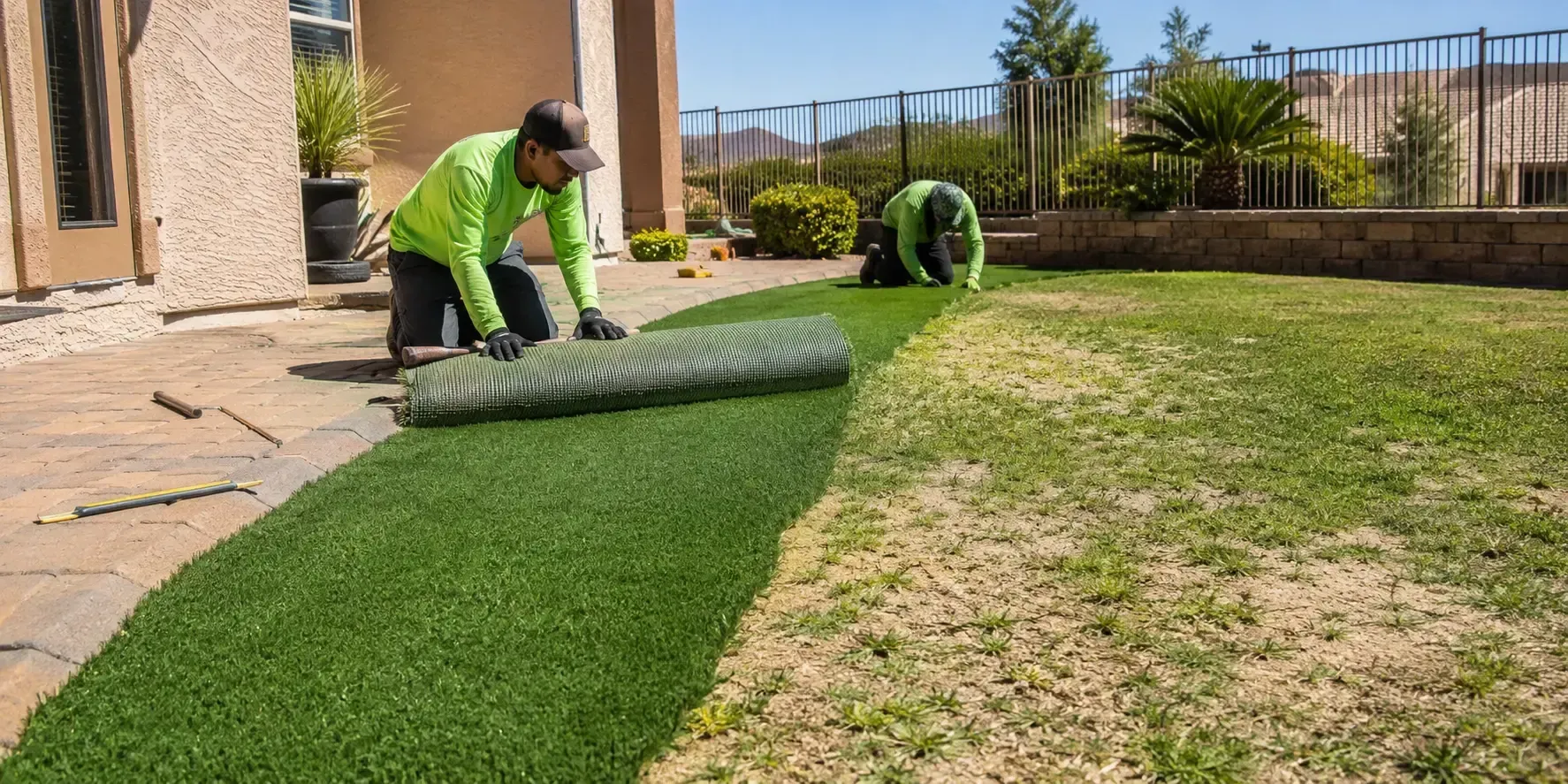
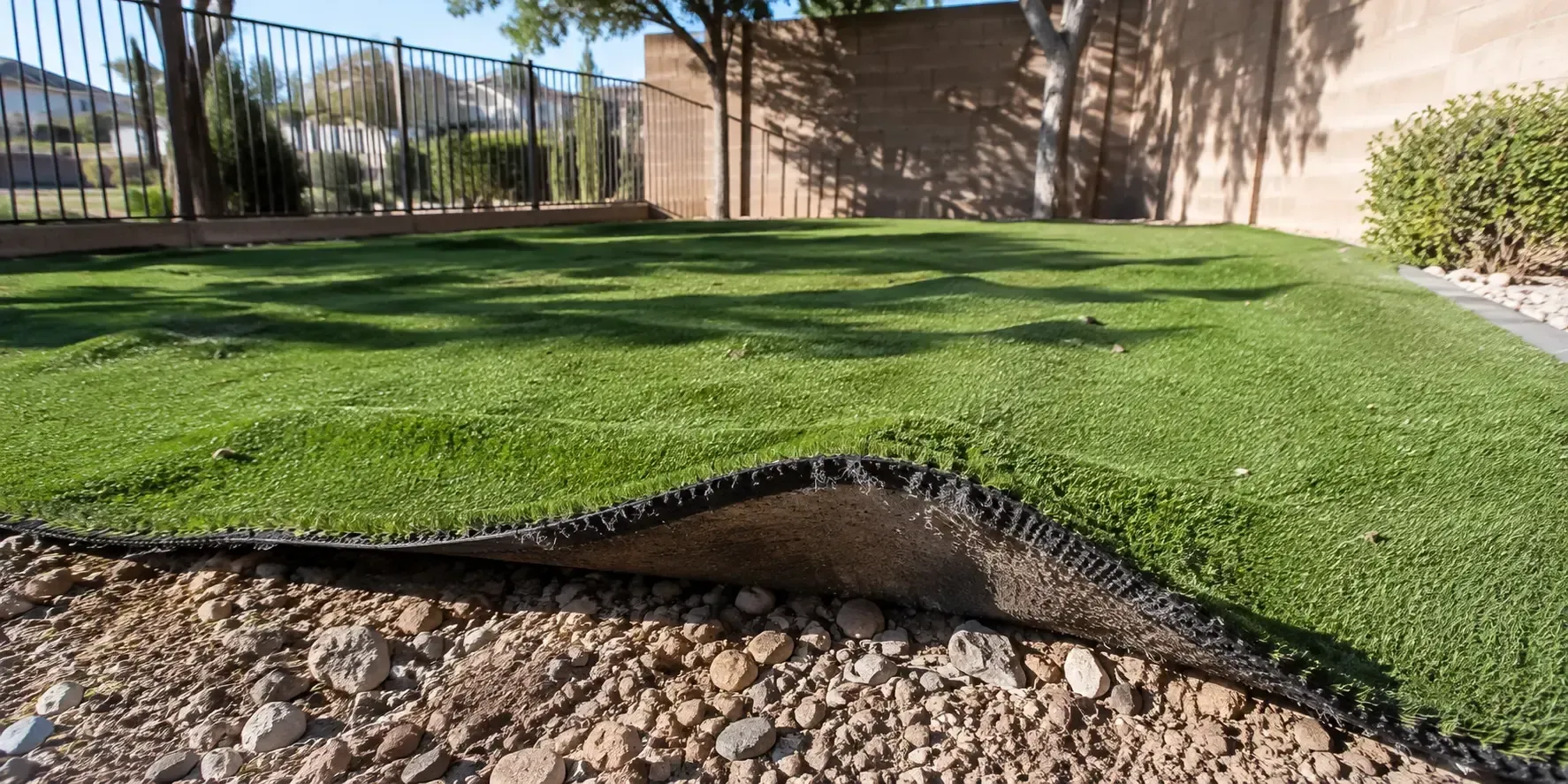
To understand turf safety, we first need to know what it is. Modern artificial grass isn't the stiff, plasticky astroturf of the 1970s. Today's high-quality products are sophisticated systems composed of three main parts: the turf fibers (the “blades”), the backing, and the infill.
Turf Fibers & Chemical Concerns (Lead, PFAS)
The primary concern for most parents revolves around the materials used to create the grass blades themselves. Stories about lead and other harmful chemicals can be alarming.
- Lead: In the past, some low-quality turf products, particularly older ones, used lead chromate as a pigment to maintain their green color. However, the industry has evolved significantly. Reputable manufacturers in the U.S. and Europe have long since eliminated lead from their products. When choosing an installer, it's crucial to ask for products that are certified lead-free.
- PFAS (Per- and polyfluoroalkyl substances): Often called “forever chemicals,” PFAS have been a hot topic. While they were used in the manufacturing of some early-generation turf, modern production has largely moved away from these chemicals. At LFL Henderson Artificial Turf, we source materials from manufacturers who prioritize safety and provide products tested to be free from harmful levels of heavy metals and toxic chemicals.
The bottom line: The key is to choose a modern, high-quality turf from a reputable supplier. Always ask for safety certifications and product specification sheets. Our team is always ready to provide this documentation for your peace of mind. You can learn more about our commitment to quality on our About Us page.
The Infill Question: What’s a Safe Cushion for Play and Paws?
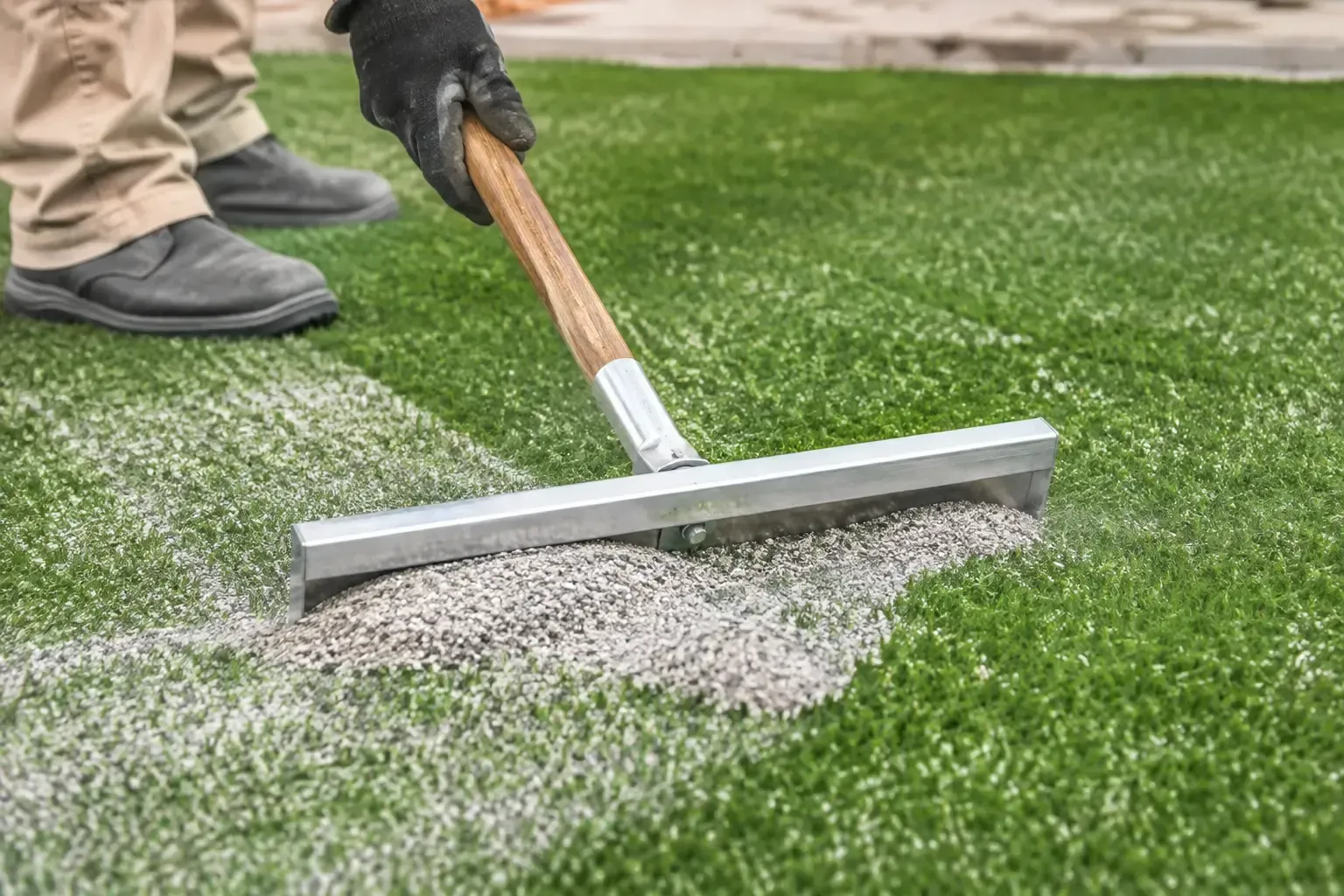
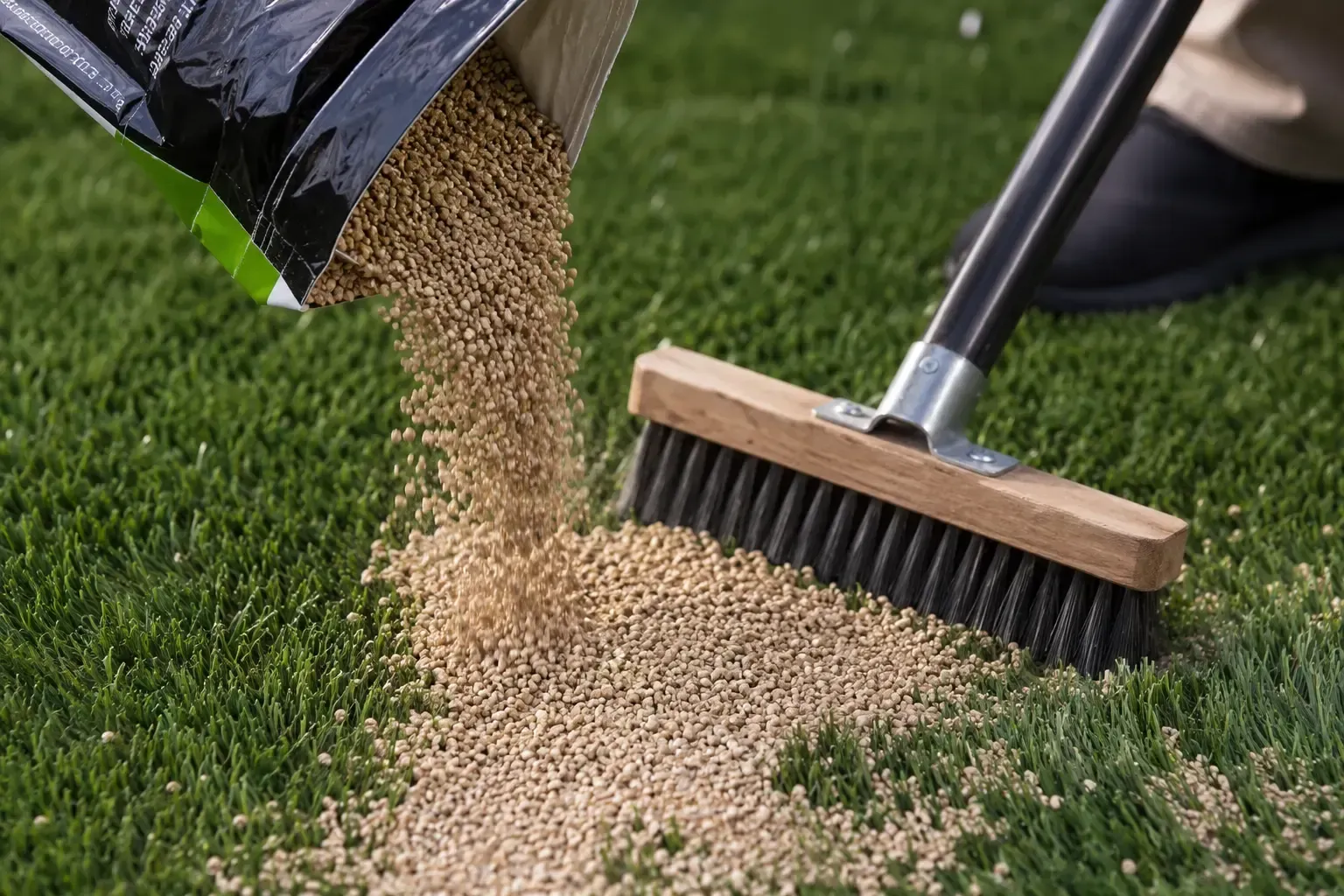
Infill is the granular material spread between the turf fibers. It serves several critical functions: it helps the blades stand upright, provides a soft, cushioned surface, and aids in drainage. The type of infill used is one of the most significant factors in the overall safety and performance of your lawn.
A Comparison of Common Infill Materials
The debate around infill safety often centers on crumb rubber from recycled tires. Let's break down the most common options:
| Infill Type | Description | Safety Considerations for Kids & Pets |
|---|---|---|
| Crumb Rubber (SBR) | Recycled tire material. Excellent shock absorption and durability. | Concerns exist regarding potential off-gassing and chemical content. Its black color also absorbs significant heat. Generally not recommended for residential lawns with children and pets. |
| Silica Sand | Natural, rounded quartz sand. It's clean, affordable, and helps weigh the turf down. | Very safe and non-toxic. Can be slightly abrasive and may compact over time. Some varieties can contain fine dust, so choosing a washed, rounded grain is important. |
| ZeoFill / Pet-Friendly Infills | Made from natural minerals (zeolite) that are highly absorbent. | Excellent for pet owners. Zeolite traps and neutralizes ammonia from pet urine, significantly reducing odors. It's non-toxic and helps keep the turf cooler. |
| Organic/Natural Infills | Made from materials like cork, coconut fibers, or walnut shells. | Completely non-toxic and biodegradable. Excellent at reducing surface temperature. May be more expensive and require more maintenance to prevent decomposition. |
For most families, a high-quality silica sand or a specialized pet-friendly infill like ZeoFill offers the best combination of safety, performance, and peace of mind.
Tackling the Heat: Can You Avoid a Sizzling Surface?
One of the most valid concerns about artificial turf, especially in sunny climates like Henderson, is heat retention. Synthetic materials can get hotter than natural grass in direct sunlight. However, this is a manageable issue with the right product choices and strategies.
How to Keep Your Artificial Lawn Cool
- Choose Lighter Colors: Darker greens will absorb more heat. Opting for turf with lighter green or olive tones can make a noticeable difference.
- Select a Cooling Infill: As mentioned, organic infills and silica sand retain less heat than black crumb rubber. Some advanced infills are specifically coated to reflect sunlight and reduce heat buildup.
- Strategic Shading: If possible, incorporate trees, shade sails, or pergolas into your landscape design to provide relief from direct sun during the hottest parts of the day.
- A Quick Rinse: The simplest solution! A quick spray with a garden hose can cool the surface down rapidly, making it comfortable for play within minutes. The excellent drainage of modern turf systems means you won't be left with a muddy mess.
Physical Safety: A Softer Landing Spot
Beyond materials, the physical structure of an artificial lawn offers significant safety benefits, particularly for active children.
- Superior Shock Absorption: A properly installed turf system with a quality infill provides a cushioned surface that can absorb impact from falls much more effectively than hard, compacted soil.
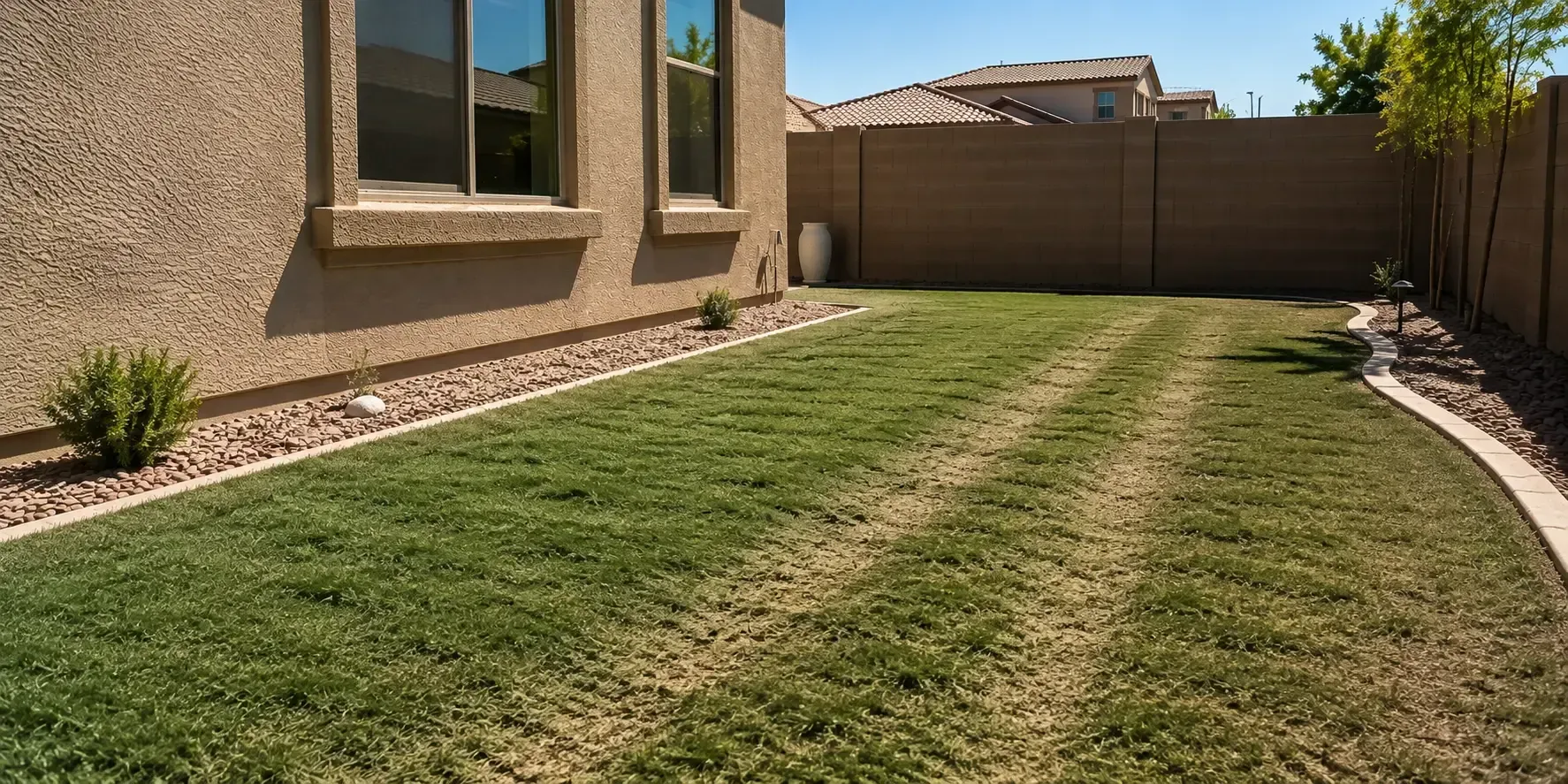
- A Level Playing Field: Natural lawns often develop divots, holes from digging pets, or uneven patches. These create tripping hazards. Artificial turf provides a consistent, level surface, reducing the risk of twisted ankles and stumbles.
- No More Mud or Puddles: Thanks to advanced drainage systems, artificial turf dries quickly after rain, eliminating slippery mud patches and standing water where mosquitoes can breed.
- Pest-Free Zone: Synthetic grass doesn't provide food or shelter for ticks, fleas, or fire ants, reducing your family's exposure to bites and the chemicals used to control them.
Hygiene for Pets: The Cleanliness Factor
For pet owners, the primary safety concern is often hygiene. Can a synthetic lawn handle pet waste effectively and stay clean?
The answer is a resounding yes. Our artificial turf services include systems designed specifically for pets. The key features are:
- Exceptional Drainage: Pet turf features a highly permeable backing that allows liquids, including urine, to pass through quickly into the sub-base below, preventing pooling and odors.
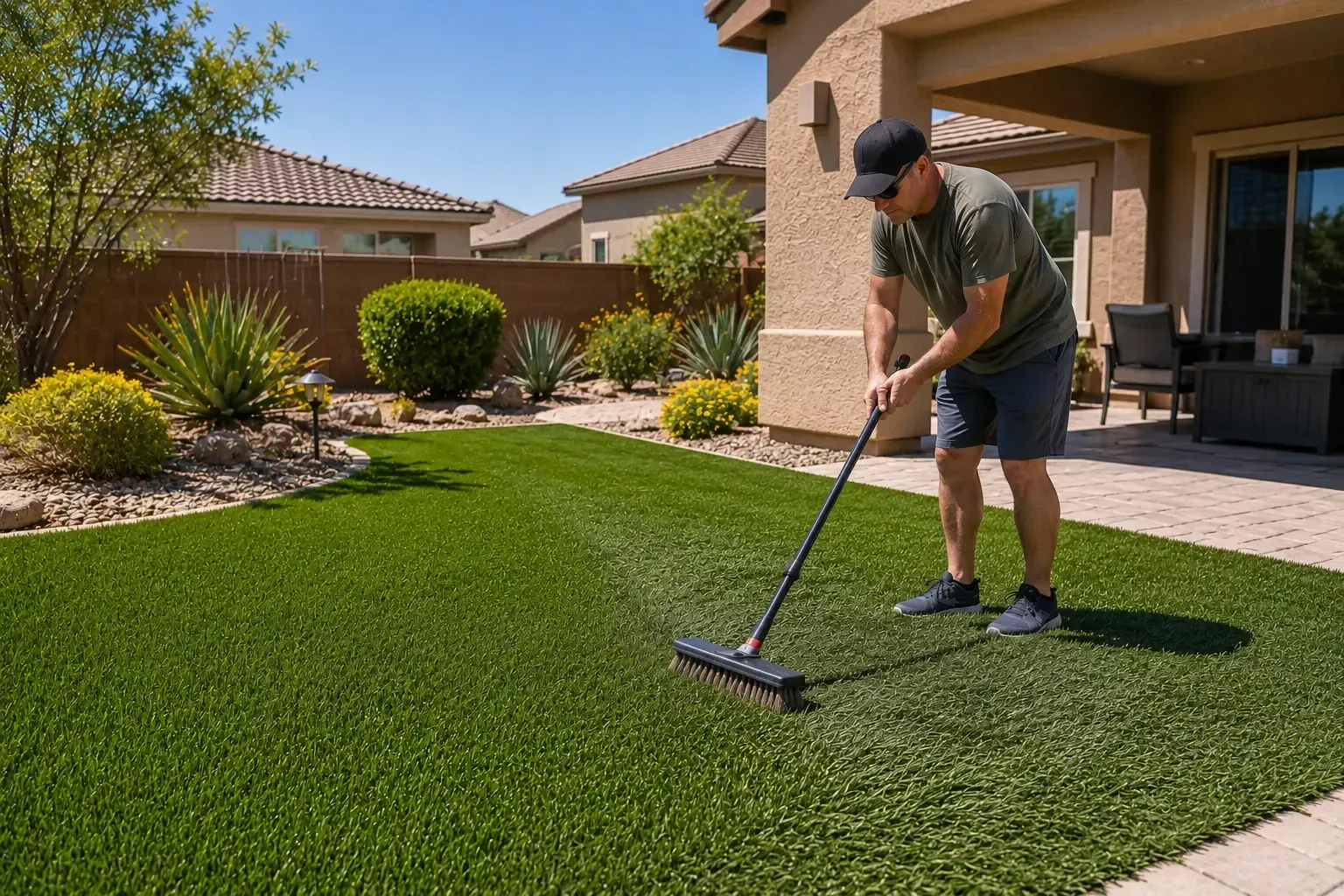
- Easy Cleanup: Solid waste can be picked up just as you would on natural grass. The area can then be rinsed with a hose. For a deeper clean, a simple solution of water and mild, pet-safe detergent can be used.
- Odor Control: Using a pet-friendly infill like zeolite is a game-changer. It actively works to trap and neutralize the ammonia in pet urine, preventing odors before they start.
- Non-Allergenic: Many dogs suffer from grass allergies. Artificial turf eliminates pollen and other natural allergens, providing a comfortable surface for sensitive pets.
Conclusion: A Safe, Smart Choice for Modern Families
The verdict is clear: when you choose a high-quality, modern product and have it installed by professionals, artificial turf is a safe, durable, and practical solution for families with children and pets. The concerns of the past regarding lead and toxic materials have been addressed by reputable manufacturers, and innovations in infill technology and heat-reduction have made today's turf more comfortable and safer than ever.
The key to ensuring safety lies in making informed decisions. By understanding the components, asking the right questions, and working with a trusted installer like LFL Henderson Artificial Turf, you can create a beautiful, low-maintenance backyard oasis where your family can play and relax with complete peace of mind.
Ready to explore the safe, beautiful, and hassle-free lawn of your dreams? Contact us today to discuss your project and get a free, no-obligation quote.
Frequently Asked Questions
Is artificial turf toxic for my children?
Modern, high-quality artificial turf manufactured in North America or Europe is non-toxic and lead-free. Reputable installers provide products that are tested and certified to be safe for children and pets. Always ask for product safety documentation before making a decision.
How do I keep artificial turf cool in the summer?
You can keep turf cool by choosing lighter-colored blades, using a cooling infill material like silica sand or organic options instead of black crumb rubber, and giving it a quick rinse with a hose on hot days. The water cools the surface instantly and drains away quickly.
Is artificial turf safe for dogs to pee on?
Yes, it is perfectly safe. Artificial turf designed for pets has a fully permeable backing that allows urine to drain through to the sub-base. Using a pet-specific infill, such as zeolite, will also help to neutralize ammonia and prevent odors, keeping the area hygienic.
What is the safest infill for artificial grass?
For residential lawns with kids and pets, the safest and most popular infills are washed silica sand, pet-friendly mineral infills like zeolite, and organic options like cork. These are non-toxic, effective, and do not have the same heat retention or chemical concerns associated with recycled crumb rubber.