When Is Artificial Turf Replacement Worth Evaluating?
How to Tell When a Henderson Lawn Needs More Than Routine Care
The strip of artificial grass between your patio and side gate may look older than the rest of your yard. Before deciding to replace it, look at what has changed. Are the blades lying flat in the direction you walk, or are fibers missing? Is the turf edge loose where it meets the pavers, or has the ground beneath it settled?
Replacement is worth evaluating when wear affects several areas, when the backing that holds the fibers is deteriorating, or when a problem returns after a repair. A single loose edge or flattened path calls for a closer look, but neither automatically means the whole lawn needs to come out.
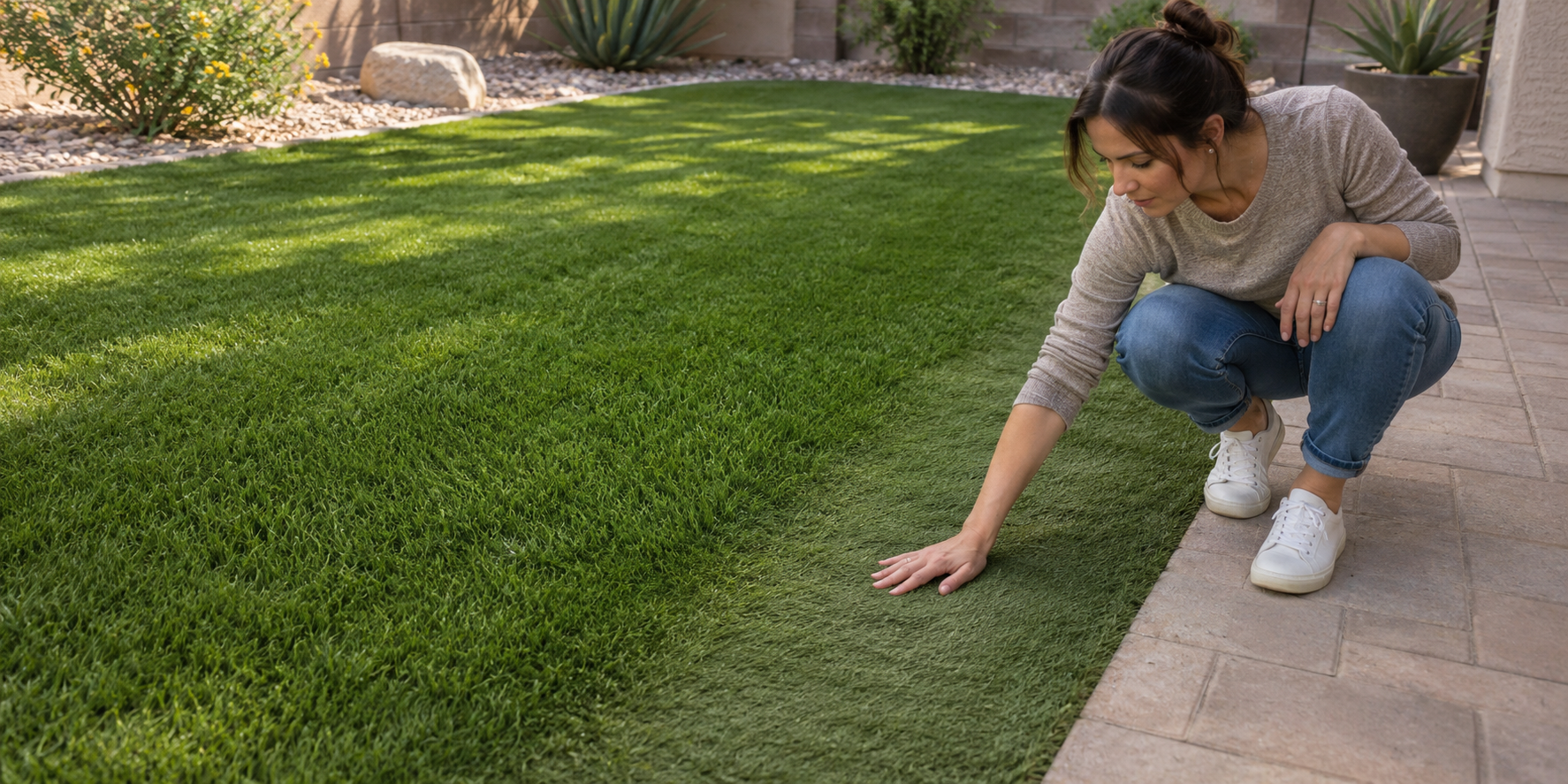
Signs an Artificial Lawn May Need Replacement in Henderson
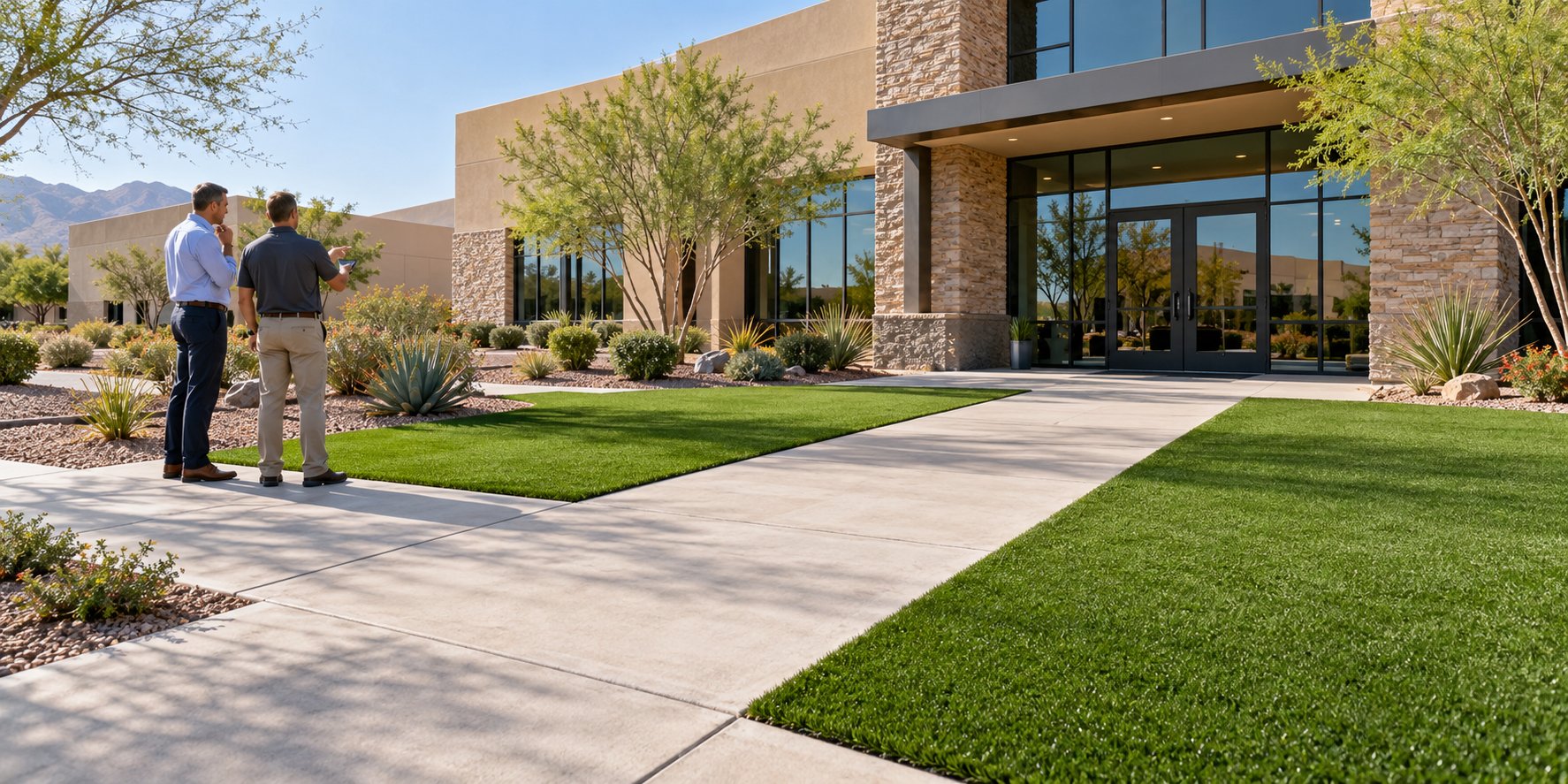
Start with two places: the part of the lawn you use most and a quieter section of the same installation. For a homeowner, that might mean comparing the route to the gate with a corner beside a planting bed. For a property manager, it might mean comparing the turf outside an entrance with the strip farther from the doors. The difference can help you decide what to ask an installer.
| What you notice | What to check | What to discuss |
|---|---|---|
| Blades lie flat along one walking route | Are the fibers still present? Do they lift with gentle, manufacturer-approved brushing? | Routine grooming before considering replacement |
| One seam has opened or an edge has lifted | Is the surrounding turf intact and level? Has this spot been repaired before? | Whether a local repair can address the cause |
| Several areas look thin or bare | Are fibers missing? Can you see the backing without parting the blades? | Whether a patch or a larger replacement makes sense |
| Water repeatedly collects in one spot | Does runoff enter from a patio or downspout? Does the spot sit lower than the surrounding lawn? | Drainage and base conditions before selecting new turf |
Flattened Blades or Missing Fibers?
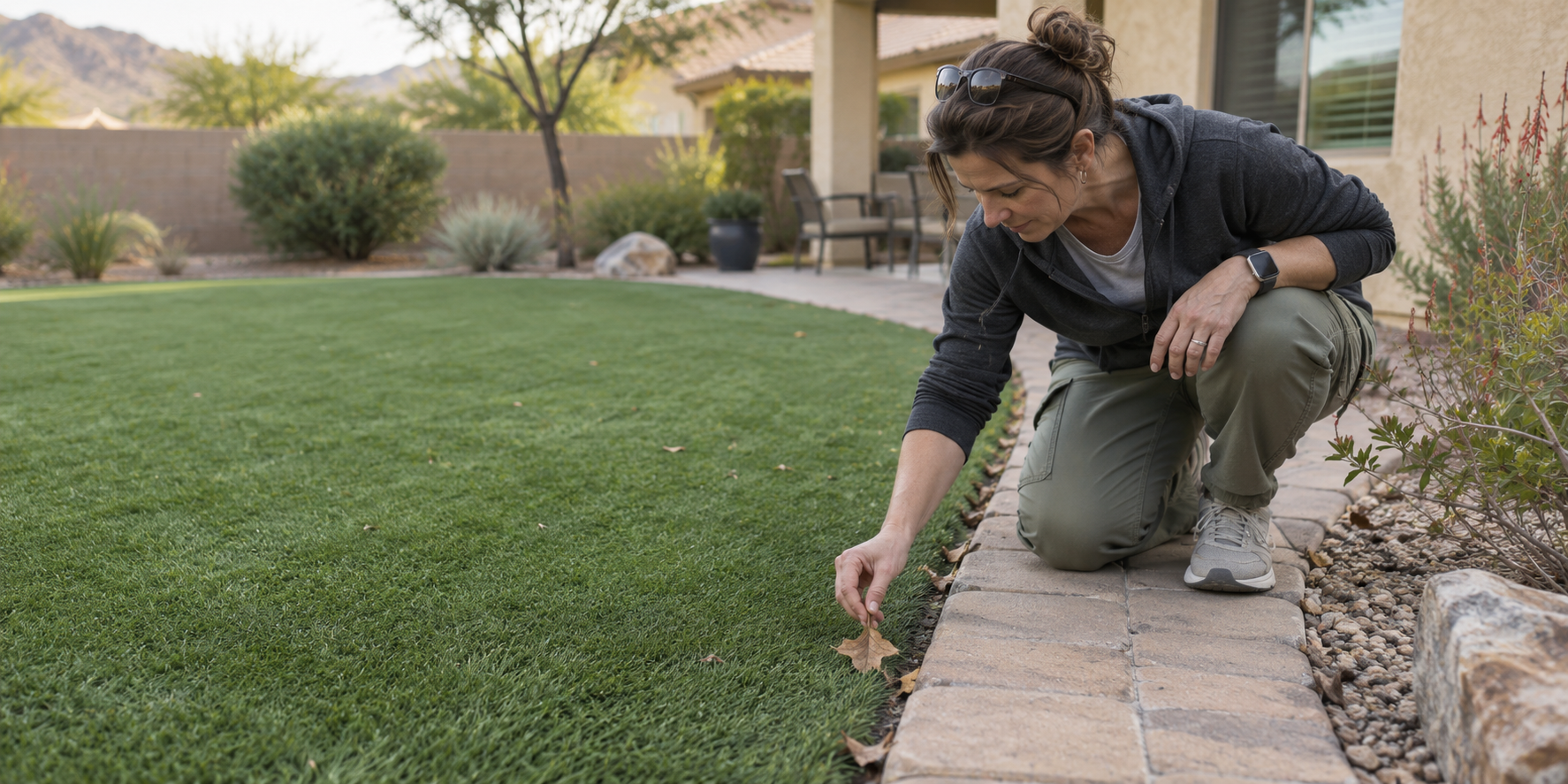
A worn-looking path can be hard to judge from a standing position. Kneel beside it and gently part the blades with your fingers. If the fibers are still present but lean in one direction, try the brushing method recommended for your turf on a small section. Compare that spot with the untouched area beside it. Turf care guidance identifies frequently traveled paths as places that may need more brushing than the rest of a lawn.
Missing fibers are a different issue. Brushing can reposition an existing blade; it cannot replace one that is gone. If bare spots extend from the gate through the middle of the yard, take one photo that shows the full route. A close-up shows the condition of the fibers, but the wider view helps an installer see how much of the lawn is affected.
When a Seam or Edge May Be Repairable
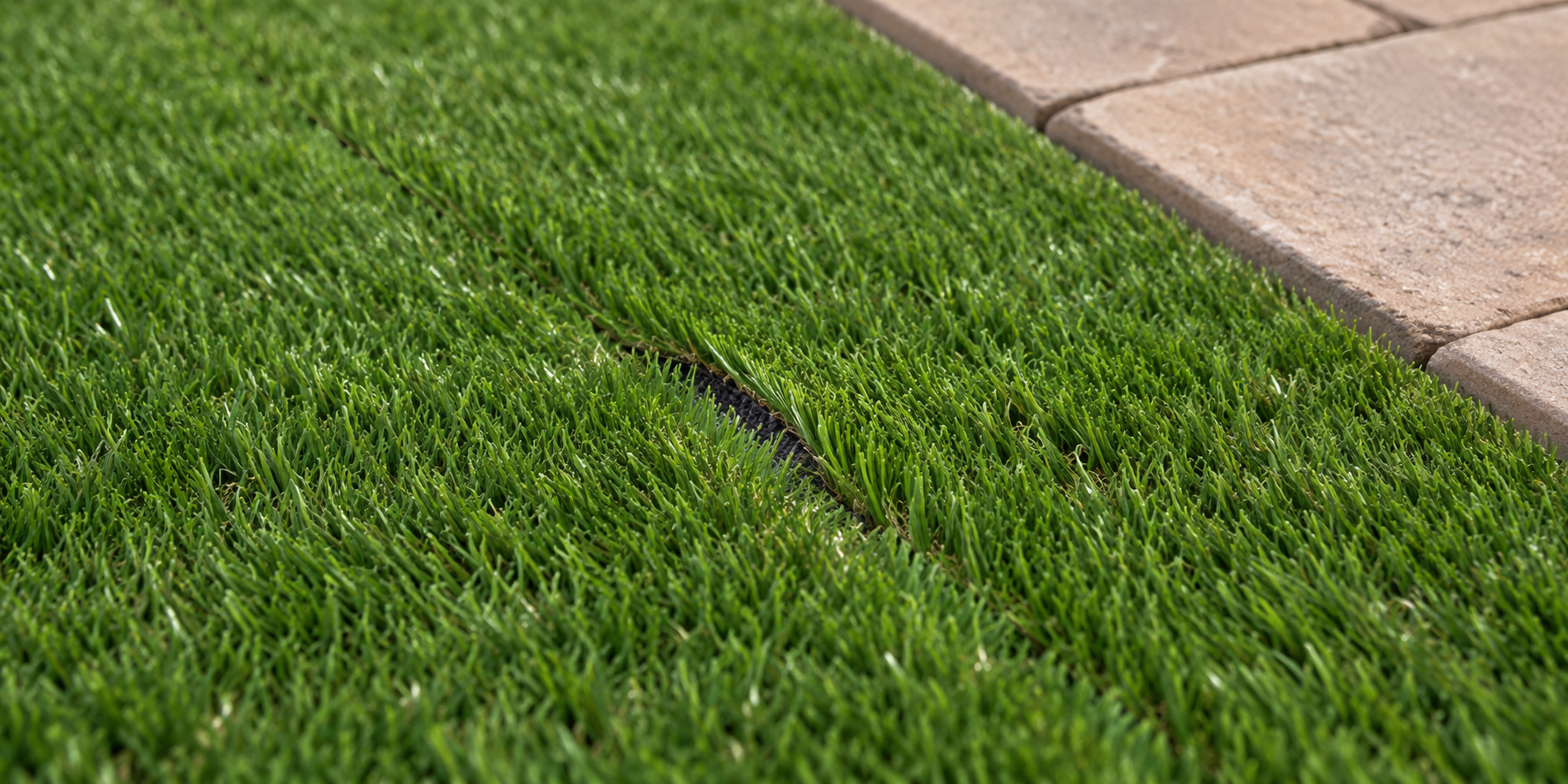
A short opening where two pieces of turf meet raises a different question from several seams pulling apart. For a single opening, ask whether the existing backing is in good enough condition to support a repair. If the same seam has already been repaired, point out exactly where it reopened. Avoid pulling it farther apart to see underneath.
If a patch is an option, ask to see the proposed material beside the old turf in daylight. Even if the original product is available, a new section may differ in color, blade direction, or texture. That difference may matter less in a narrow side yard than in the center of a lawn you see from the kitchen every day.
Why Recurring Puddles Need a Drainage Check
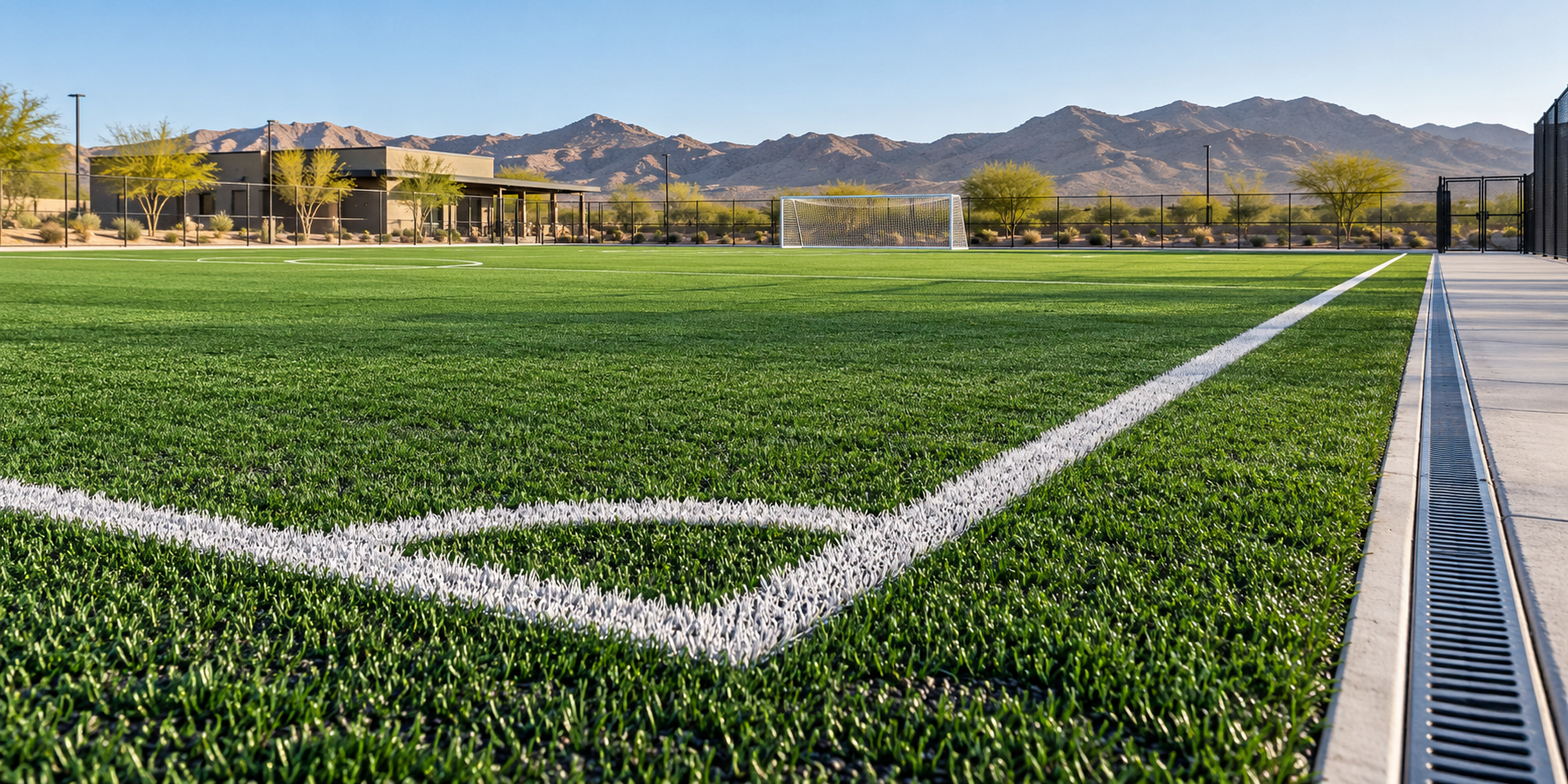
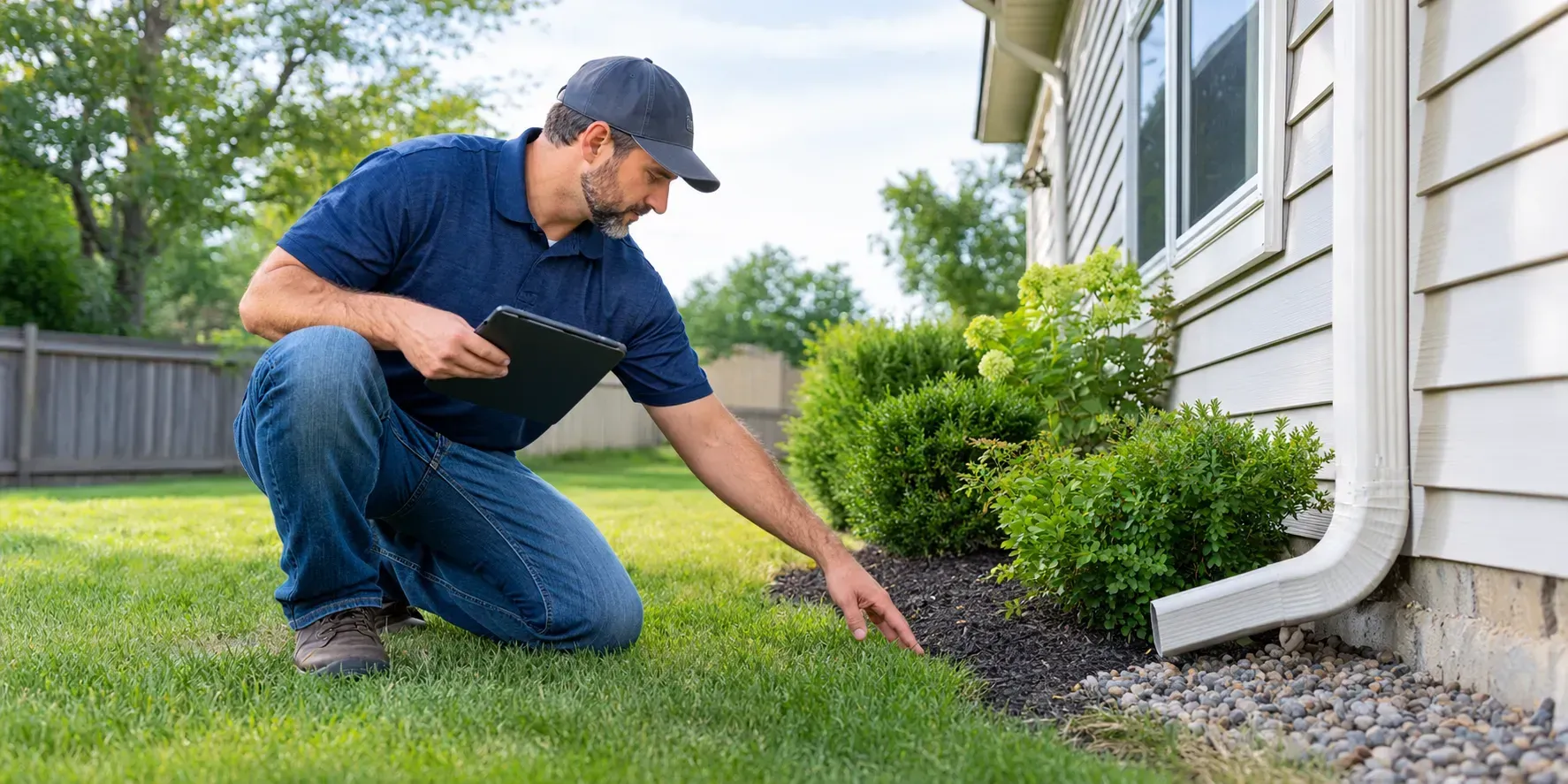
If a puddle forms where your patio meets the grass, replacing the green surface may leave the underlying issue untouched. During the next rain, watch where the water comes from. Does it flow off the paving, discharge from a downspout, or collect in a shallow depression? Note whether the same patch remains wet after the surrounding lawn has drained.
Share those observations before asking for a replacement estimate. The installer can then explain whether the proposed work addresses the surface, the base underneath, or the route water takes through the yard. Our guide to artificial turf drainage in the desert outlines questions about grading, backing, and base preparation.
What to Ask Before You Replace Old Synthetic Grass
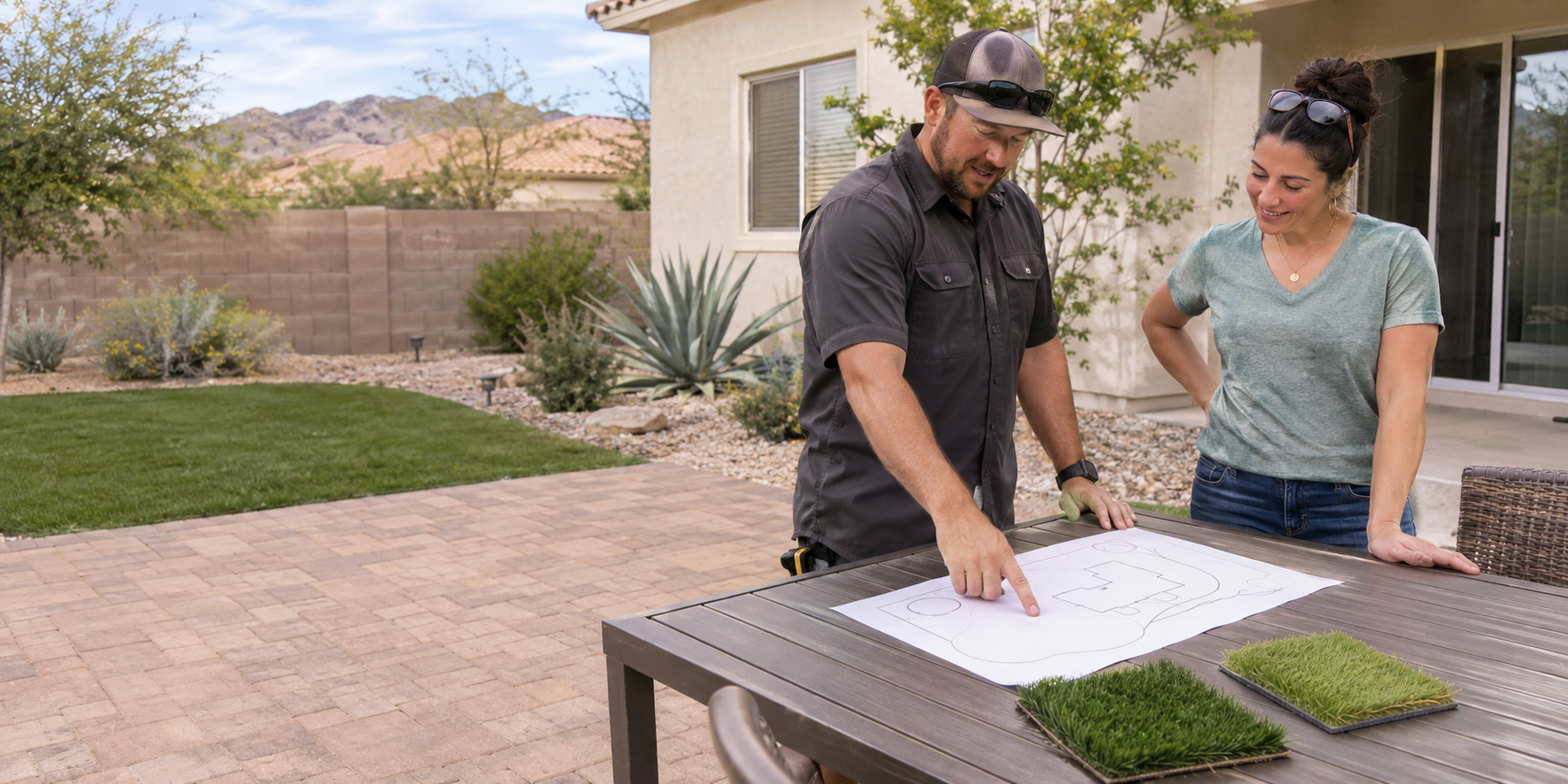
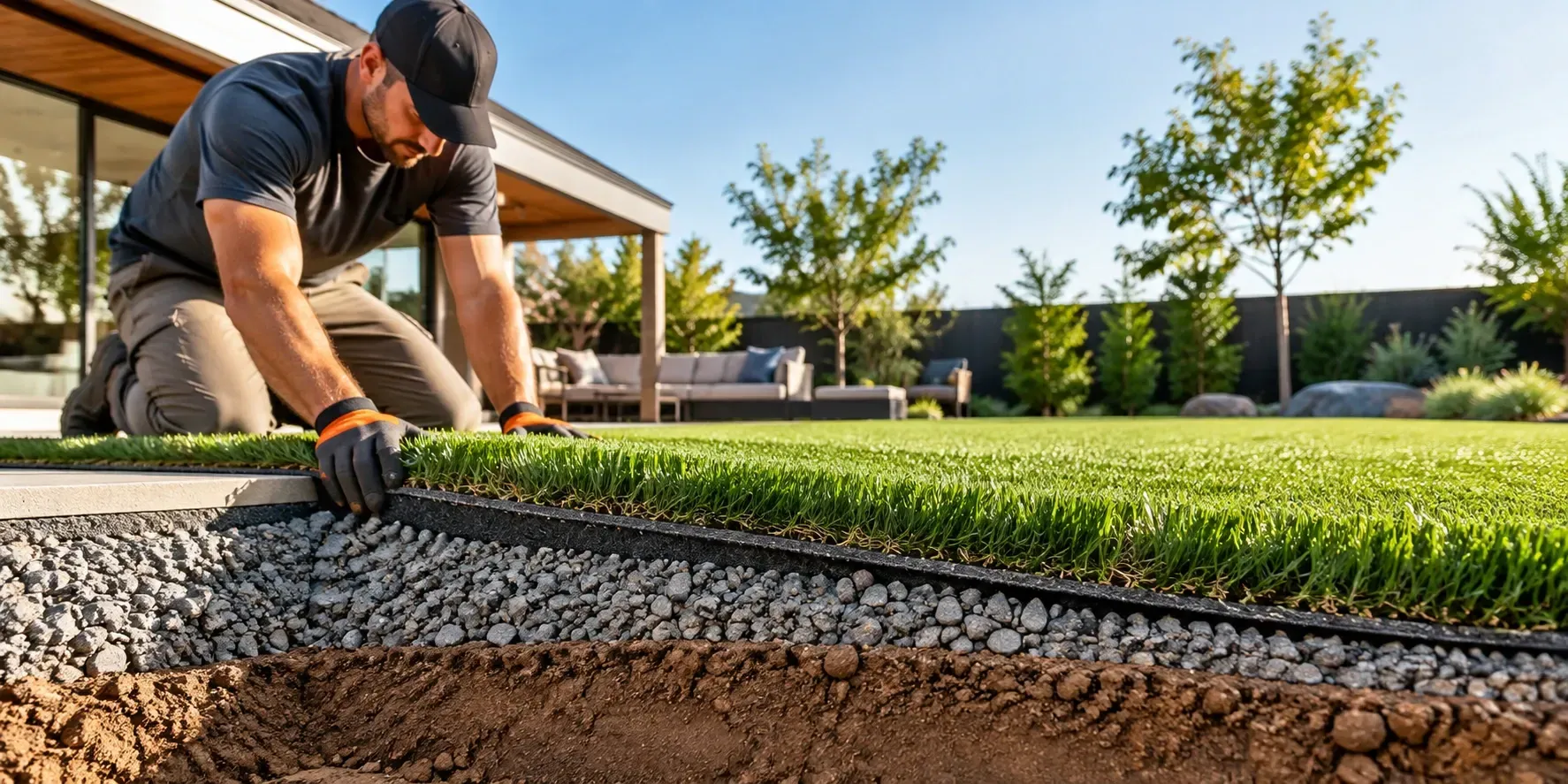
When comparing turf replacement options for your Henderson property, ask for a scope you can picture on the ground. Which sections would come out, which would stay, and what would happen underneath? Two estimates covering the same square footage can describe different work if one includes removal and base preparation and the other addresses only the surface.
Ask the installer to identify what is included for disposal, drainage adjustments, seams, and transitions to paving. If part of the base cannot be evaluated until the old grass is lifted, ask how any additional work would be explained before you decide. Bring your original installation paperwork, if available, so you can check applicable warranty terms before authorizing removal.
Call LFL Henderson Artificial Turf at 725-888-8813 to discuss what you’re seeing and request a site evaluation. Tell us which areas concern you most and whether they’ve been cleaned, brushed, or repaired before.
FAQ: Common Questions About Artificial Turf Replacement
Does faded artificial grass need to be replaced?
Color change alone does not tell you whether the backing, seams, or base need work. If the lawn remains intact and level, the decision may come down to appearance. If fading accompanies missing fibers or separating seams, have those conditions evaluated together.
Can I replace just the worn strip near my gate?
A partial replacement may be an option if the wear is confined to that strip and the surrounding turf can support a new seam. Ask where the seam would sit relative to foot traffic and how closely the new material would match.
Do I need a new base when I replace artificial turf?
Not necessarily. Ask the installer to assess the existing base and explain what can be reused. Recurring puddles, settled spots, or uneven transitions are reasons to examine it before laying a new surface.