Why Artificial Grass Is the Best Choice for Sports Fields in Henderson, NV
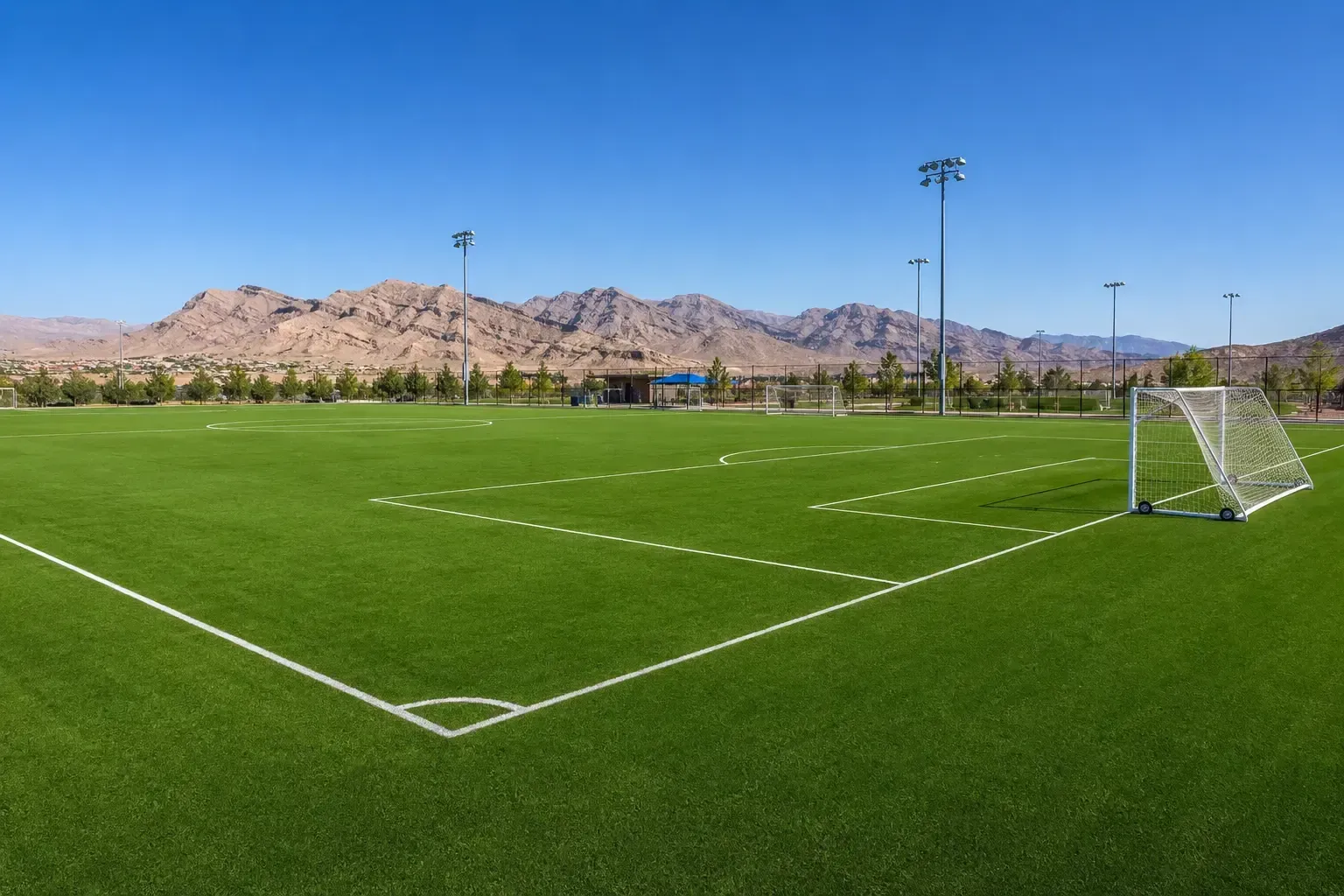
Maintaining a lush, safe, and durable sports field in the heart of the Mojave Desert is a massive operational challenge. High schools, community parks, and private athletic facilities in Southern Nevada face an unrelenting combination of extreme summer heat, restrictive water allocations, and heavy foot traffic. Natural grass requires thousands of gallons of water, constant chemical treatments, and endless labor just to remain marginally playable.
Facility managers, property owners, and local municipalities are rapidly shifting their approach to landscaping and athletic field management. They are discovering that synthetic grass offers an unparalleled combination of durability, safety, and financial return.
By partnering with experts at Henderson Artificial Turf, facility directors and property owners are transforming high-stress athletic environments into pristine, evergreen surfaces that perform flawlessly year after year.
Beating the Mojave Heat with Advanced Artificial Turf Services
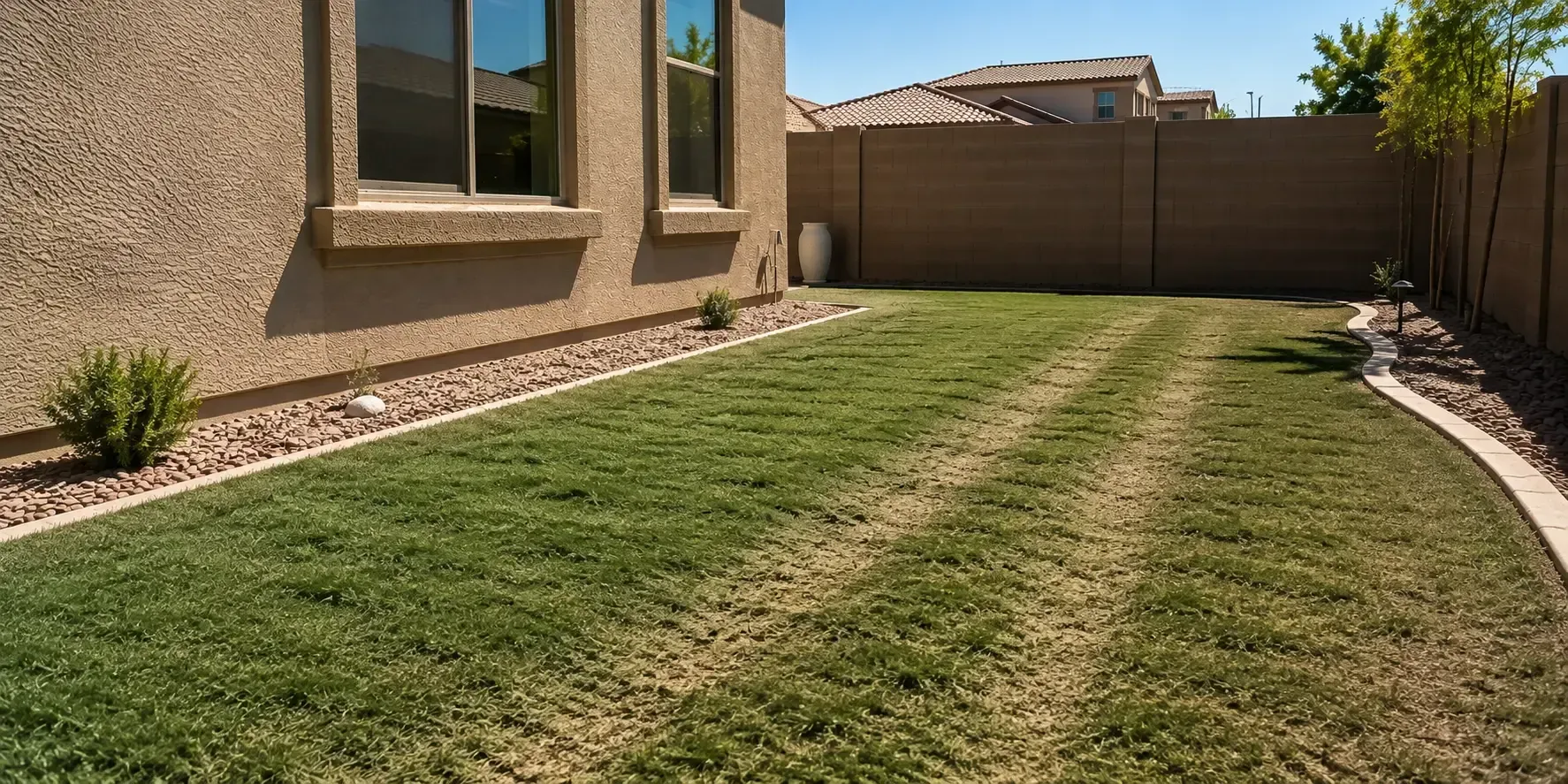
The relentless Henderson sun is notoriously hostile to traditional sports fields. Summer temperatures routinely exceed 100 degrees for months at a time, baking natural soil into hardpan and scorching fragile grass roots. When natural grass dies back or thins out, it leaves dangerous bare spots and hard dirt patches that can easily injure athletes.
Modern synthetic grass is explicitly engineered to withstand these harsh desert conditions. Utilizing specialized Artificial Turf Services, facility managers can install UV-stabilized synthetic fibers that will not fade, dry out, or degrade under intense solar radiation. These advanced polyethylene and nylon blends maintain their vibrant green color and structural integrity regardless of the UV index.
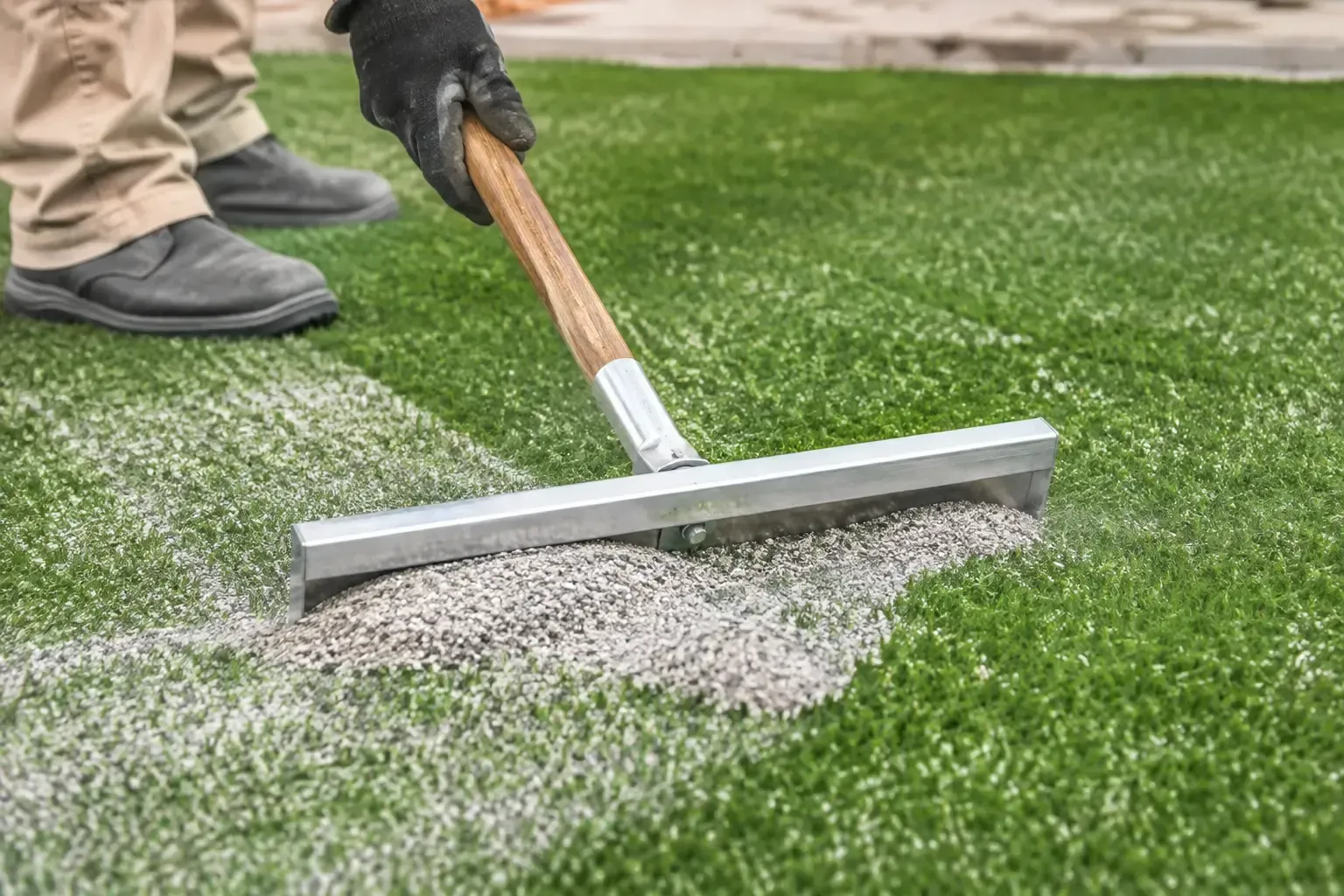
Furthermore, premium sports installations incorporate specialized cooling infills. Unlike older crumb rubber systems that absorb and radiate heat, modern infill materials reflect sunlight and dissipate ambient temperatures. This keeps the playing surface significantly cooler, ensuring that athletes can train and compete safely even during the warmer Southern Nevada months. Facilities looking to upgrade their high-traffic zones should explore professional commercial artificial turf solutions to guarantee maximum durability and temperature control.
Massive Water Conservation and Financial Savings
Water scarcity is the most pressing environmental issue in Clark County. The Southern Nevada Water Authority mandates strict watering schedules and strongly penalizes excessive water use. For a sprawling sports complex, irrigation is often the single highest utility expense. A standard high school football field can consume tens of thousands of gallons of water every single week during the peak summer season.
Transitioning to synthetic grass immediately eliminates this massive utility burden. A synthetic field requires absolutely zero irrigation to maintain its appearance or playability. Over the lifespan of a single athletic field, this translates to millions of gallons of water saved. These conservation efforts align perfectly with local municipal goals and often qualify properties for substantial water rebate programs.
Slashing Routine Maintenance Budgets
The financial benefits extend far beyond the monthly water bill. Natural grass fields demand a continuous, labor-intensive maintenance cycle. Groundskeeping crews must constantly mow, edge, aerate, top-dress, and reseed damaged areas. They must also apply expensive fertilizers, pesticides, and herbicides, which pose runoff risks to the local environment.
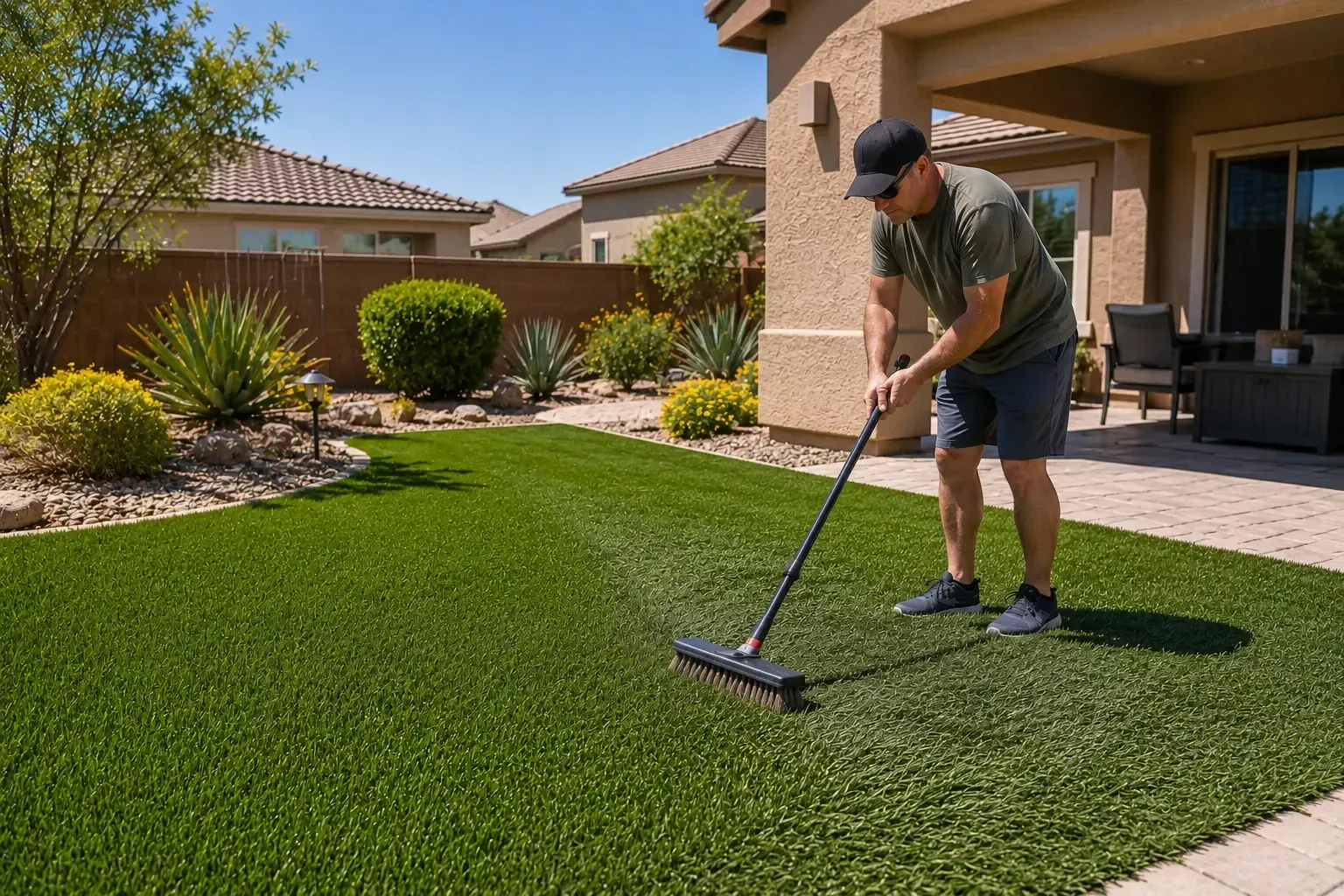
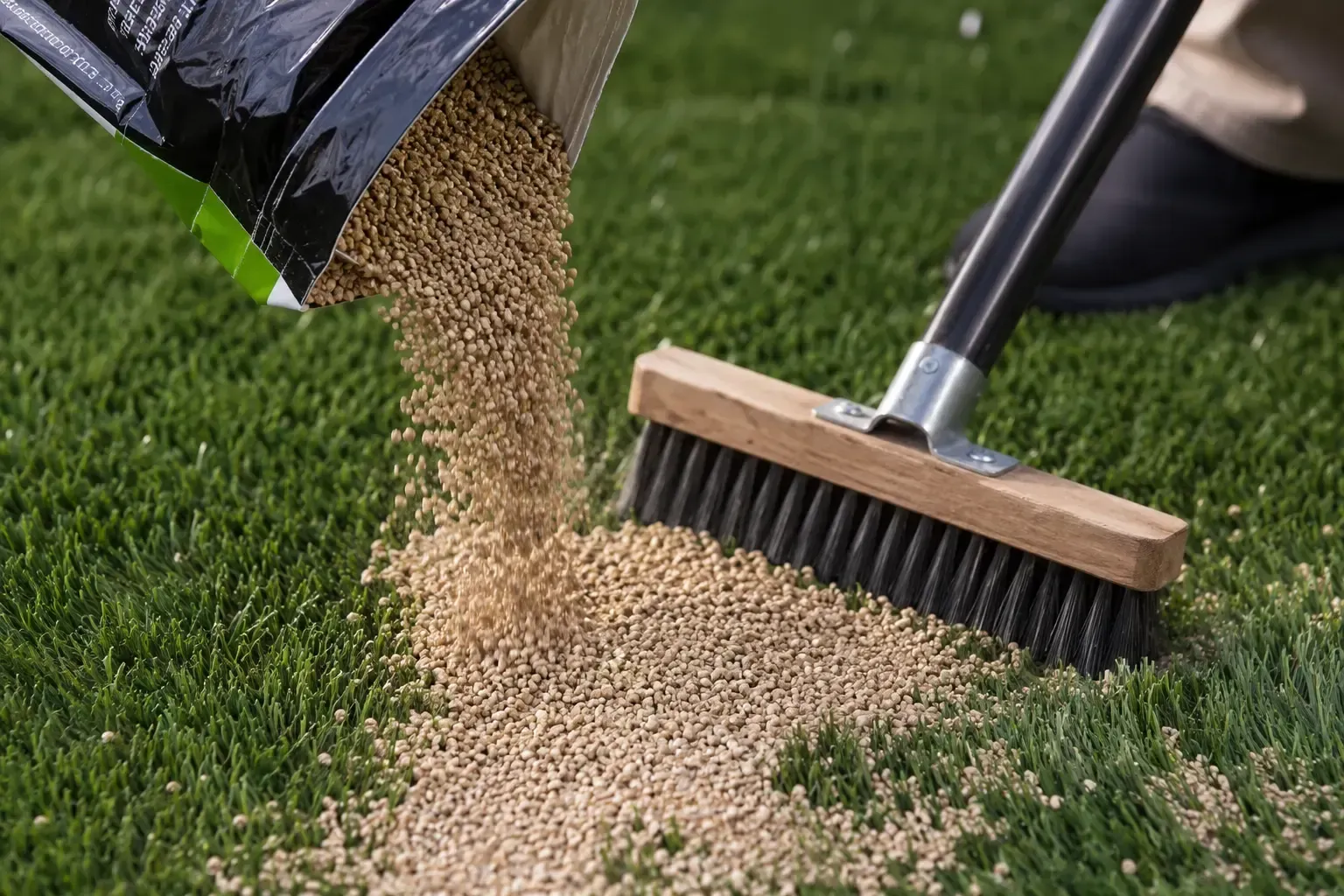
Synthetic turf requires a fraction of this upkeep. Routine maintenance is generally limited to occasional sweeping to remove organic debris and periodic cross-brushing to keep the blades standing upright. Facility managers can drastically reduce their landscaping payroll and reallocate those crucial funds toward better athletic equipment, facility upgrades, or expanded community programs.
Consistent Playability and Enhanced Athlete Safety
Athletic performance and player safety are heavily dependent on surface consistency. Natural grass fields degrade rapidly as the season progresses. By mid-season, high-traffic areas like soccer goal boxes or football centerfields turn into compacted dirt or muddy trenches. These irregularities drastically alter ball roll mechanics and create severe tripping hazards for players.
Synthetic sports fields provide perfect surface uniformity from the first game of the season to the last. The precision-engineered sub-base ensures rapid drainage during rare desert rainstorms, completely eliminating the risk of mud and standing water. This reliable drainage means games and practices are never canceled due to a muddy field.
Advanced Shock Absorption Capabilities
Player safety is heavily mitigated by the shock pad systems installed beneath premium synthetic fields. These specialized underlayments provide critical impact attenuation, which reduces the severity of falls and minimizes stress on athletes' joints. Whether an athlete is tackling, sprinting, or pivoting aggressively, the surface delivers consistent traction and predictable energy return. This uniform grip significantly lowers the risk of twisted ankles and hyperextended knees that commonly occur on divot-riddled natural grass.
Comparing Natural Grass and Synthetic Sports Fields
To truly understand the operational differences, it helps to view the exact metrics side by side. The table below highlights the stark contrast between managing traditional grass and utilizing synthetic surfaces in Southern Nevada.
| Feature | Natural Grass (Henderson Climate) | High-Performance Artificial Turf | Long-Term Impact |
|---|---|---|---|
| Water Usage | Exceeds 50,000 gallons per month | Zero gallons required | Massive utility savings |
| Maintenance Hours | 20+ hours weekly | 1 to 2 hours monthly | Reallocates facility budget |
| Playable Hours | 600 to 800 hours annually | Up to 3,000 hours annually | Maximizes community use |
| Surface Consistency | Degrades quickly under heavy use | Retains even surface year-round | Reduces tripping hazards |
| UV Resistance | Wilts and yellows in summer heat | UV-stabilized to prevent fading | Maintains professional aesthetic |
Expanding Beyond the Field to Residential Benefits
The remarkable technology that makes synthetic grass perfect for grueling athletic fields is equally beneficial for local homeowners. The demographic of Henderson residents who manage commercial properties or coach local sports teams often immediately recognize the value of bringing this technology home.
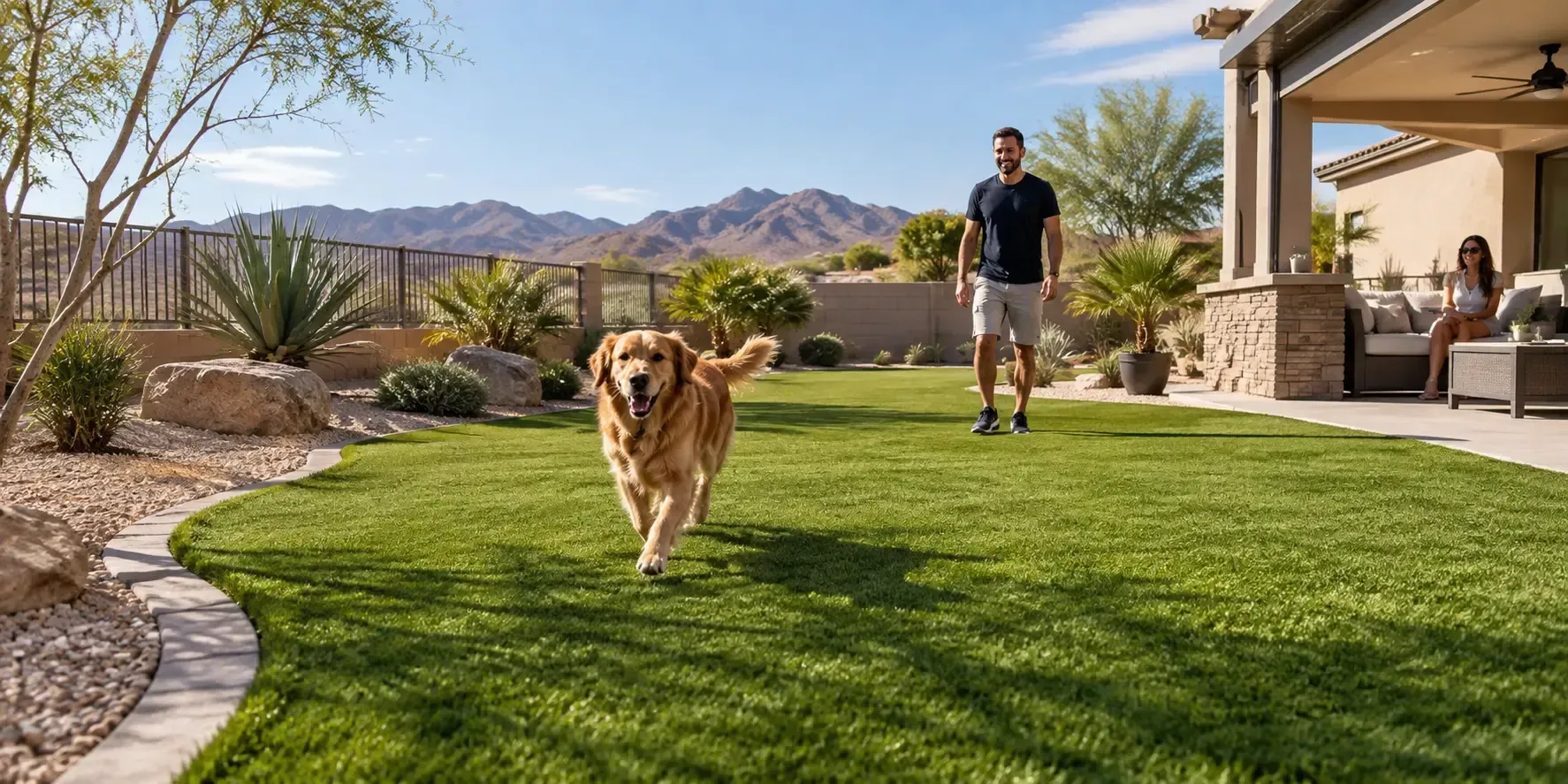
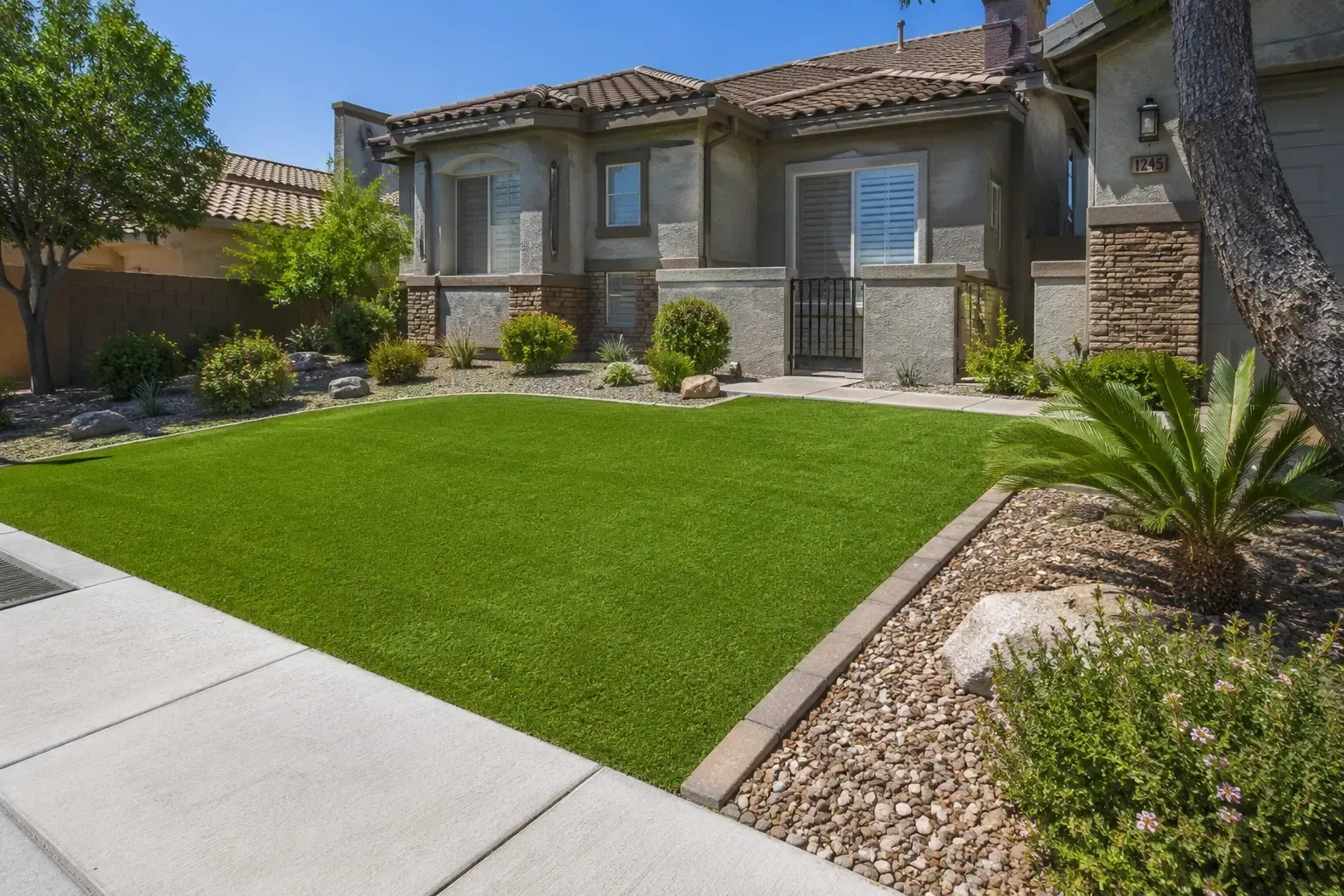
Homeowners in the 35 to 65 age bracket frequently seek ways to reduce weekend yard chores, lower their residential water bills, and maintain pristine curb appeal. The same durability that withstands football cleats easily withstands heavy foot traffic from energetic children and active pets. By investing in premium residential artificial turf, families create mud-free, allergy-friendly backyard environments that look perfectly manicured 365 days a year.
Custom Golf and Luxury Outdoor Living
For affluent homeowners and retirees looking to elevate their outdoor entertainment spaces, synthetic grass offers incredible recreational opportunities. Instead of driving to a crowded local course to practice short-game skills, golf enthusiasts can install professional-grade putting greens right in their own backyards. These custom installations utilize specialized short-pile turf that mimics the true roll and speed of a championship golf course. It provides a luxurious aesthetic upgrade that significantly boosts property value while requiring virtually zero maintenance.
Making the Switch for Your Henderson Facility
Replacing a failing natural grass field with a modern synthetic surface is a major operational upgrade that delivers immediate dividends. Communities benefit from having a reliable, year-round space for youth leagues, high school athletics, and recreational events. Facility managers benefit from the drastically reduced maintenance schedules and predictable operational costs. Environmental advocates appreciate the vast reduction in water consumption and chemical fertilizer runoff.
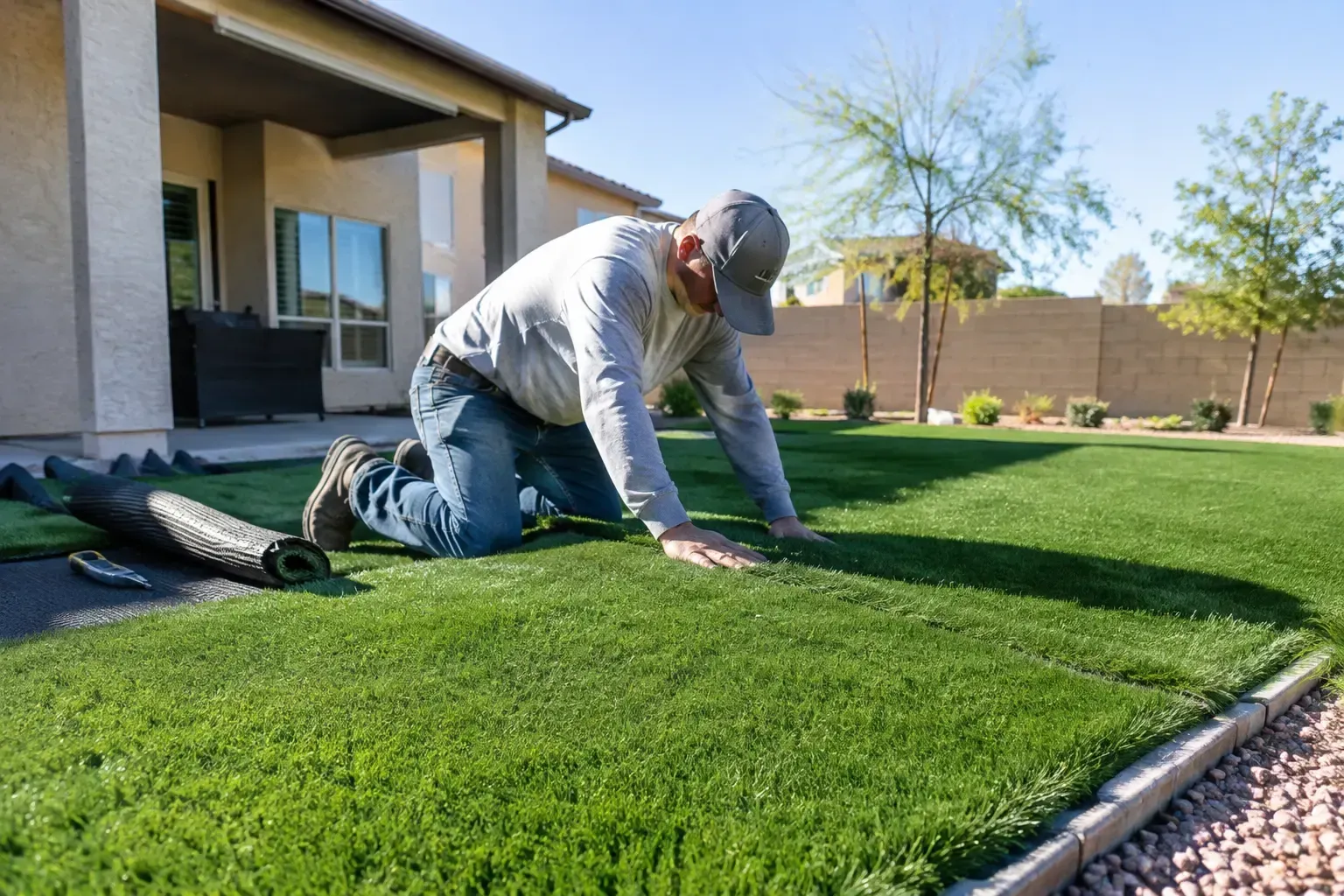
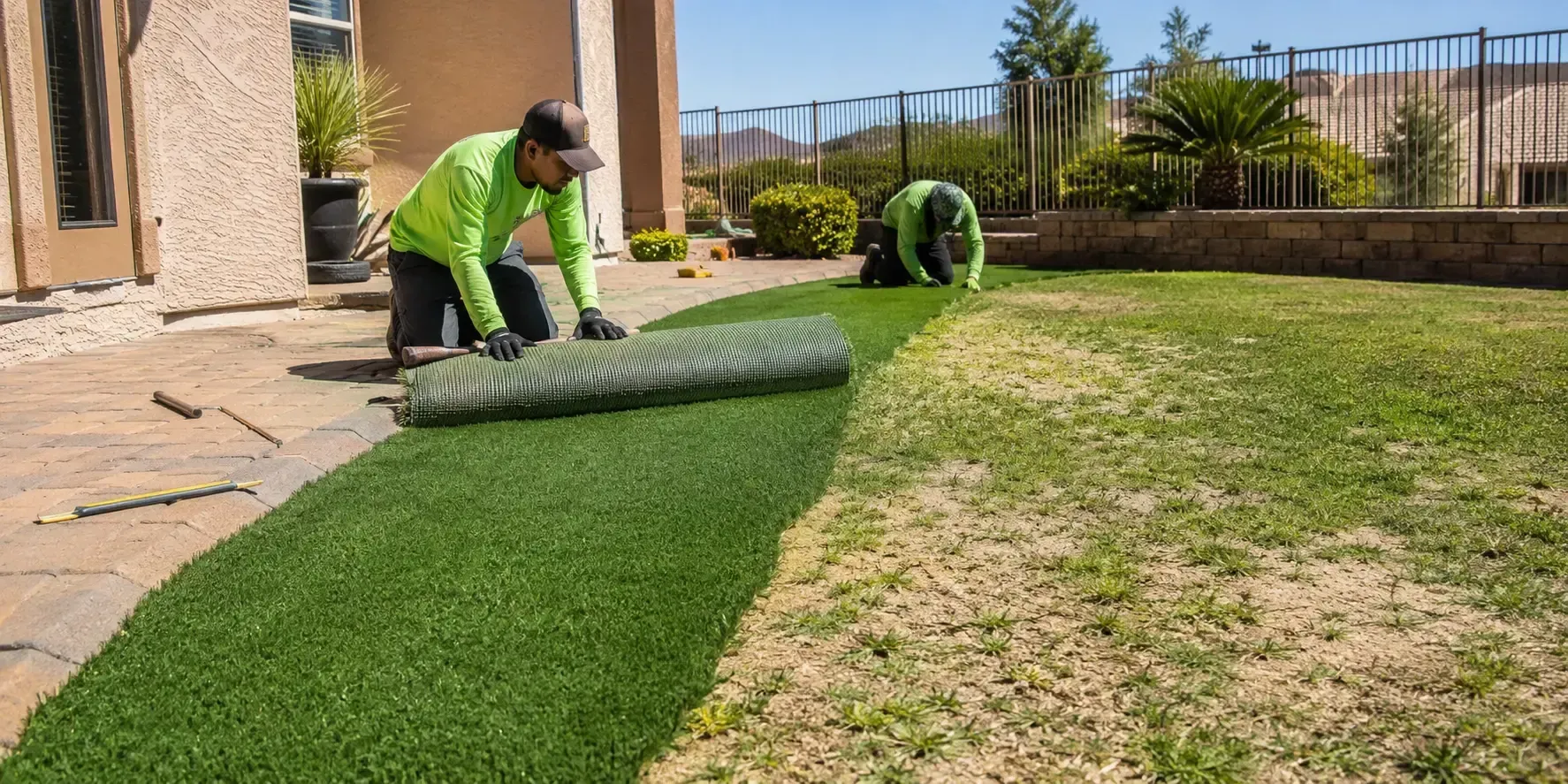
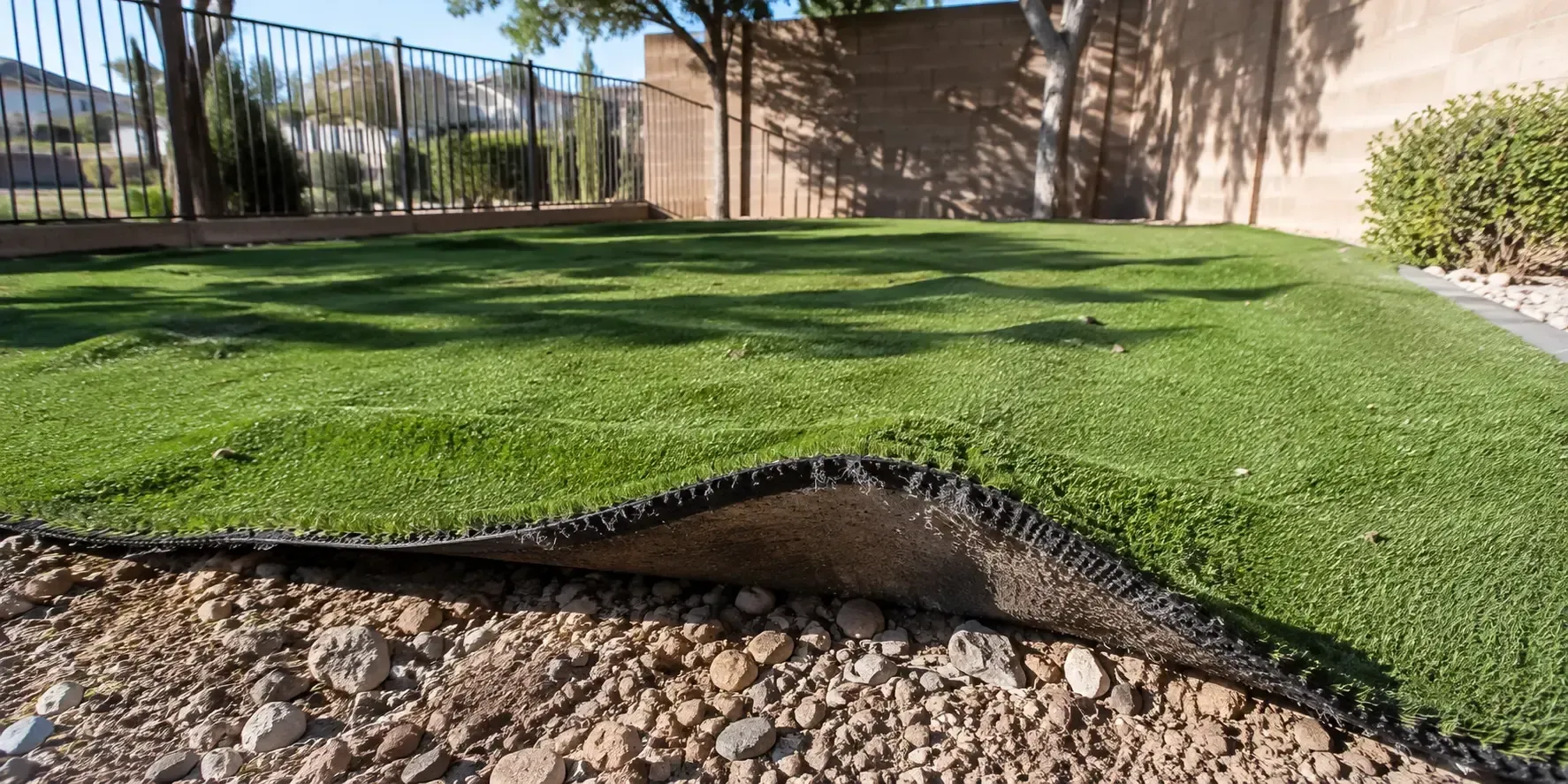
Choosing the right local partner is critical to ensuring the longevity and safety of the installation. A proper sports field requires meticulous site excavation, precise grading for drainage, exact application of the aggregate sub-base, and expert seaming of the turf rolls. Working with experienced professionals ensures that the field will withstand the unique climatic pressures of Clark County while delivering elite athletic performance.
Upgrading to synthetic grass is no longer just an alternative option for sports facilities in Henderson. It is a necessary evolution for any property looking to optimize safety, aesthetics, and long-term financial sustainability in the Mojave Desert.
Frequently Asked Questions
How long does artificial turf last on a sports field?
A professionally installed sports field utilizing premium synthetic fibers generally lasts between 10 to 15 years. The exact lifespan depends on the frequency of use, the specific sports being played, and adherence to simple routine maintenance guidelines like proper brushing and infill replenishment.
Does artificial turf get too hot for athletes in Henderson?
Standard synthetic turf can become warm under direct summer sunlight. However, professional sports field installations utilize specialized cooling infill materials and UV-reflective grass blades specifically designed to dissipate heat. These modern advancements keep the surface temperatures significantly lower than older generations of turf, ensuring safety for athletes during the warmer months.
Are there water rebates available for converting sports fields?
Yes. The Southern Nevada Water Authority offers the Water Smart Landscapes rebate program, which provides financial incentives for property owners who replace water-thirsty natural grass with synthetic alternatives. Because sports fields cover massive square footage, commercial properties and municipalities can often secure highly lucrative rebates that offset a significant portion of the initial installation cost.
Can artificial turf withstand heavy multi-sport use?
Modern turf systems are engineered for high-traffic environments and can support soccer, football, lacrosse, and other sports without significant wear, provided maintenance guidelines are followed.